
How Many Dresses Does a Bride Need? Exploring Your Wedding Wardrobe Options
Choosing the right number of dresses for your wedding can feel overwhelming. Many brides find that having one main wedding dress and possibly a second dress for the reception perfectly balances elegance and comfort.
Your wedding day is the perfect time to showcase your personal style, so choose outfits that make you feel beautiful and confident.
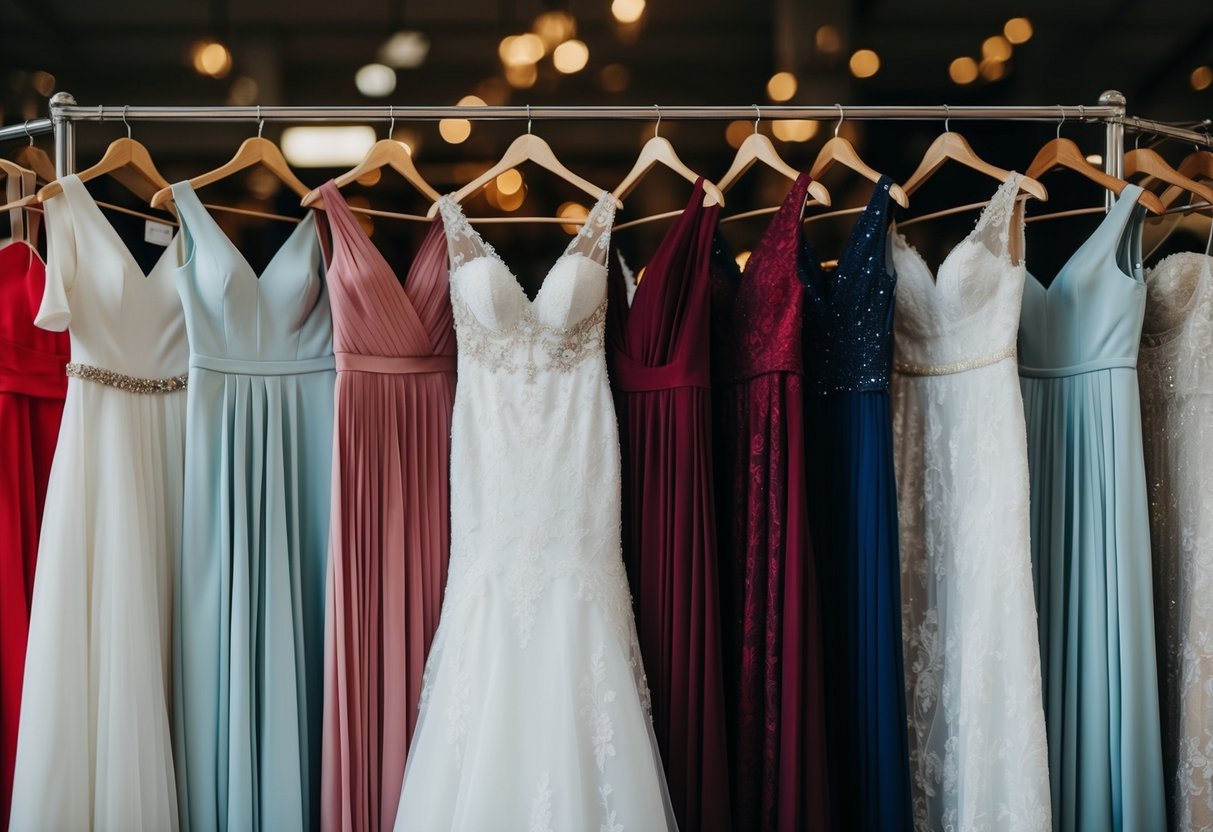
While your dream dress may take center stage, consider other attire options that fit various parts of your day. A second dress can be a fun choice for dancing or mingling, as it often allows for more movement.
Getting the right balance of practicality and style is key to enjoying every moment of your special day.
Ultimately, there’s no strict rule about how many dresses you should have. It’s about what feels right for you. Whether it’s one stunning wedding dress or a couple of unique outfits, make sure they reflect your personality and make you feel amazing.
Understanding the Need for Multiple Dresses
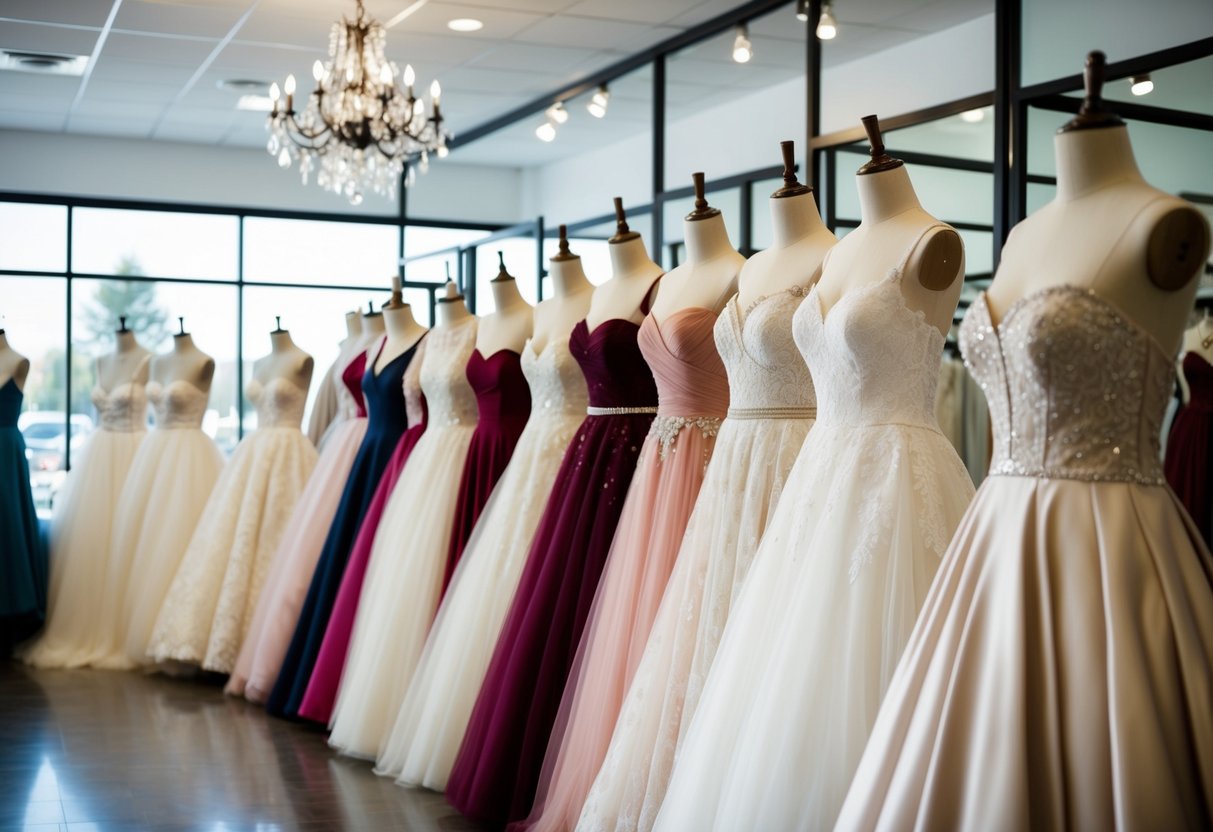
Choosing multiple dresses for your wedding can enhance your overall experience. You might want unique looks for different parts of your special day. Outfit changes allow you to feel comfortable and stylish from the ceremony to the reception and beyond.
Ceremony vs. Reception Looks
Your ceremony dress and reception dress can serve different purposes. The ceremony dress is often more traditional and may feature intricate details or a long train. This look is perfect for the formal setting of saying your vows.
On the other hand, the reception dress tends to be more relaxed and playful. You might prefer something easier to move in, especially if you plan on dancing.
Prioritizing comfort for your reception means you can enjoy the celebration without feeling restricted.
Outfit Changes for Different Wedding Functions
Many weddings include several events, such as a bridal shower, rehearsal dinner, or after-party. Each of these functions may call for a unique look.
By having multiple dresses, you can express your style at every occasion.
Consider a beautiful gown for the ceremony and a lighter dress for the reception. You might also want a separate outfit for your bridal shower.
Dress changes help you stay comfortable and can make each event feel special.
Cultural Considerations and Traditional Attire
Cultural traditions often influence the number of dresses a bride might wear. In some cultures, you might find brides donning traditional attire alongside modern wedding gowns. This adds a rich layer to your celebration and reflects your heritage.
If you want to incorporate cultural dress, think about how many dresses fit into your plans. Mixing traditional looks with contemporary styles can be a wonderful way to honor your background while staying true to yourself.
Each outfit can tell a different story about who you are and where you come from.
Selecting the Right Wedding Dresses
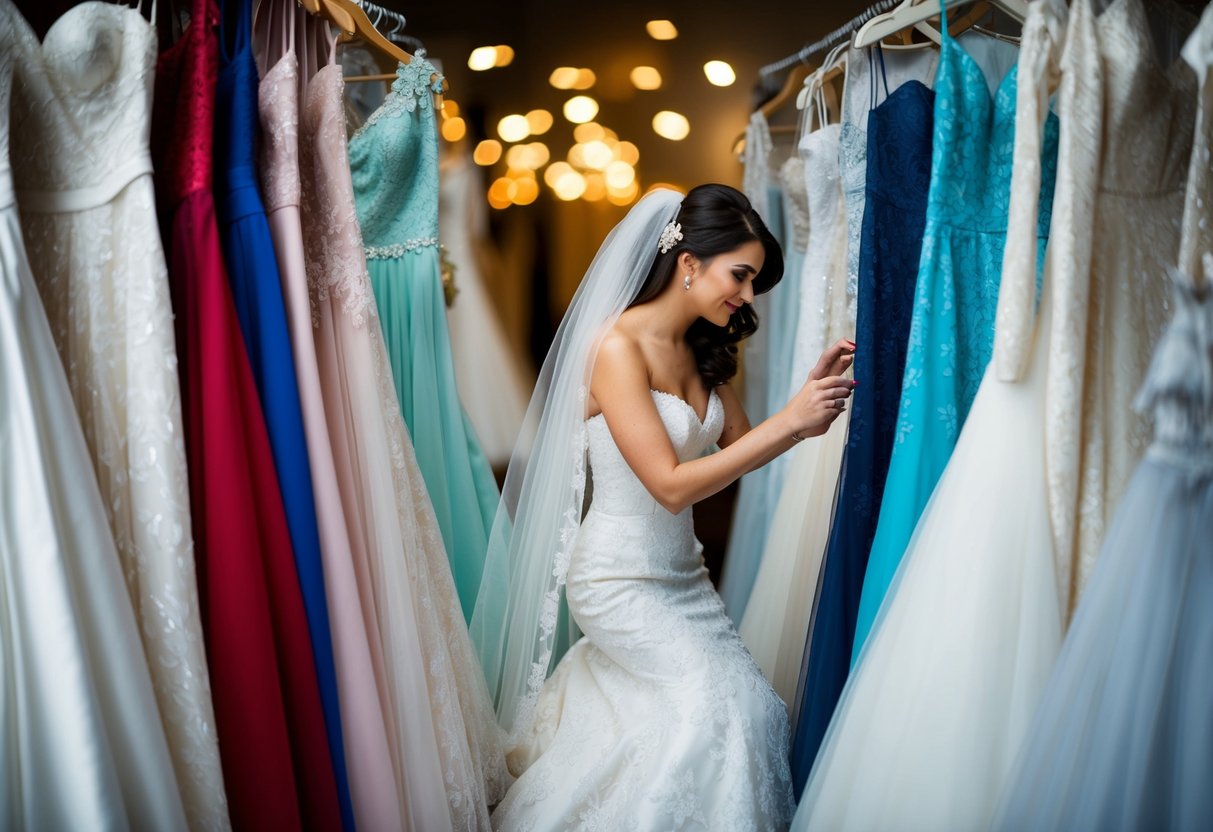
Choosing the right wedding dresses is an exciting journey. It’s important to find a gown that not only looks beautiful but feels comfortable and reflects your personal style. Here’s how to navigate this essential part of your wedding planning.
Finding Your Ideal Wedding Gown Style
Start by exploring the different styles of wedding gowns available. Look at options like A-line, mermaid, ball gown, and sheath styles. Each silhouette offers a unique look.
- A-line dresses flatter all body shapes and are perfect for a classic look.
- Mermaid styles hug your curves and are great for an elegant, dramatic effect.
- Ball gowns provide a fairytale feel with their voluminous skirts.
- Sheath gowns offer a modern, sleek appearance.
Try on a variety of styles to see which resonates with you. Your personal preference is key, so focus on what makes you feel beautiful.
Comfort and Silhouette Selection
Comfort should be high on your list when choosing a wedding dress. You will wear it for hours, so it’s important not to sacrifice comfort for style.
Consider the fabric, fit, and length. Soft fabrics like chiffon or silk may feel luxurious against your skin.
Also, think about the silhouette that best suits your shape.
- If you have a more curvy figure, look for dresses that emphasize your waist.
- If you prefer a looser fit, consider A-line or empire waist options.
Don’t hesitate to move around in the dress to ensure it feels right.
Accessorizing for a Cohesive Look
Once you’ve selected your wedding gown, it’s time to think about accessories. The right pieces can elevate your look and create a cohesive style.
Start with jewelry that complements your dress. Simple earrings or a statement necklace can add sparkle without overwhelming your outfit.
Next, consider your veil or headpiece. A long veil adds drama, while a flower crown brings a boho vibe.
Finally, think about your shoes. Choose a pair that is both stylish and comfortable. Remember, you’ll be on your feet for much of the day!
These details help tie your whole look together and ensure you feel confident on your special day.
Budgeting for Your Wedding Wardrobe

Planning your wedding wardrobe involves knowing how much you can spend and where to find great options. By determining your dress budget, exploring affordable gown choices, and planning for any additional dresses, you can feel confident about your spending.
Determining Your Dress Budget
Start by setting a clear budget for your wedding dress. Typically, it’s recommended to allocate about 10% of your overall wedding budget for attire, including the bride and groom’s clothing.
If your total wedding budget is $30,000, this means you should aim to spend around $3,000 on your dress.
Keep in mind, the average wedding dress costs between $1,000 and $3,000, so sticking to your budget is important.
Make sure to consider additional costs like accessories, alterations, and fittings. These can add up quickly, so plan accordingly.
Affordable Wedding Dress Options
You don’t have to break the bank to find a beautiful gown. There are many places to discover affordable wedding dresses.
Consider shopping at budget-friendly retailers, online boutiques, or second-hand stores. Many designers also have outlet stores where you can find dresses at significant discounts.
Another great option is to look for sales and seasonal promotions. Shopping during off-peak times, like late winter or early spring, may help you snag a deal.
Finally, don’t overlook the potential for renting a dress. Renting can save you money while still allowing you to wear a stunning gown.
Allocating Funds for Secondary Dresses
If you plan to wear multiple dresses for your wedding activities, budgeting for these is essential. Many brides choose to have a ceremony dress and a reception outfit.
Set aside funds for secondary dresses, considering how much you might want to spend. For example, if your main dress is $2,000, consider allocating $500 to $1,000 for additional options.
Using a mix of affordable options can keep these costs manageable. Look for dresses that can transition from formal to casual easily, and consider options that may double as attire for future events. This can maximize your investment and keep you stylish beyond just your wedding day.
Making the Most of Dress Appointments

When you go to a bridal appointment, it’s important to know what to expect and how to make the most of your time. This experience is all about finding the perfect wedding dress that makes you feel beautiful and confident on your special day.
What to Expect During a Bridal Appointment
During a bridal appointment, you typically meet with a bridal consultant who will guide you through the process. Expect to try on a variety of wedding dresses in different styles, necklines, and fabrics.
Most fittings last about one to two hours, allowing enough time for you to explore options.
Bring your mood board or inspiration images so you can share your vision with your consultant. They might suggest styles you hadn’t considered.
Remember, it’s normal to feel a mix of excitement and nerves, but the consultant is there to help you find that perfect fit.
Tips for a Successful Dress Shopping Experience
To ensure a successful bridal shopping experience, it’s a good idea to set a wedding dress budget ahead of time. This helps narrow down options and keeps you focused during your dress appointment.
Consider limiting the number of dresses you try on, as too many options can cause confusion. Aim for about 4 to 7 dresses during each appointment.
Bring supportive friends or family who can provide honest feedback, but keep the group small to avoid overwhelming opinions.
Also, plan for a second look if you find a dress that you love. This can give you time to think and ensure you truly feel right about your choice.
Communicating with Your Bridal Consultant
Clear communication with your bridal consultant is key to finding your dream gown.
Share your wedding theme, personal style, and specific details you envision for your wedding day look.
Be open about what you love and what you’re not comfortable with.
Do you love a particular neckline or wish for a formal gown? This feedback allows your consultant to recommend dresses that match your preferences more closely.
Lastly, don’t hesitate to ask questions.
Your consultant is there to assist and make sure this experience is enjoyable while helping you to “say yes to the dress.”