
How Many Flowers Do You Use in a Wedding? Essential Tips for Your Big Day
Planning your wedding can feel overwhelming, especially when it comes to the details like flowers. You might wonder how many flowers you actually need to create the perfect atmosphere.
The size and style of your event typically determine the number of flowers needed for your wedding. You usually need 100 to 300 stems.
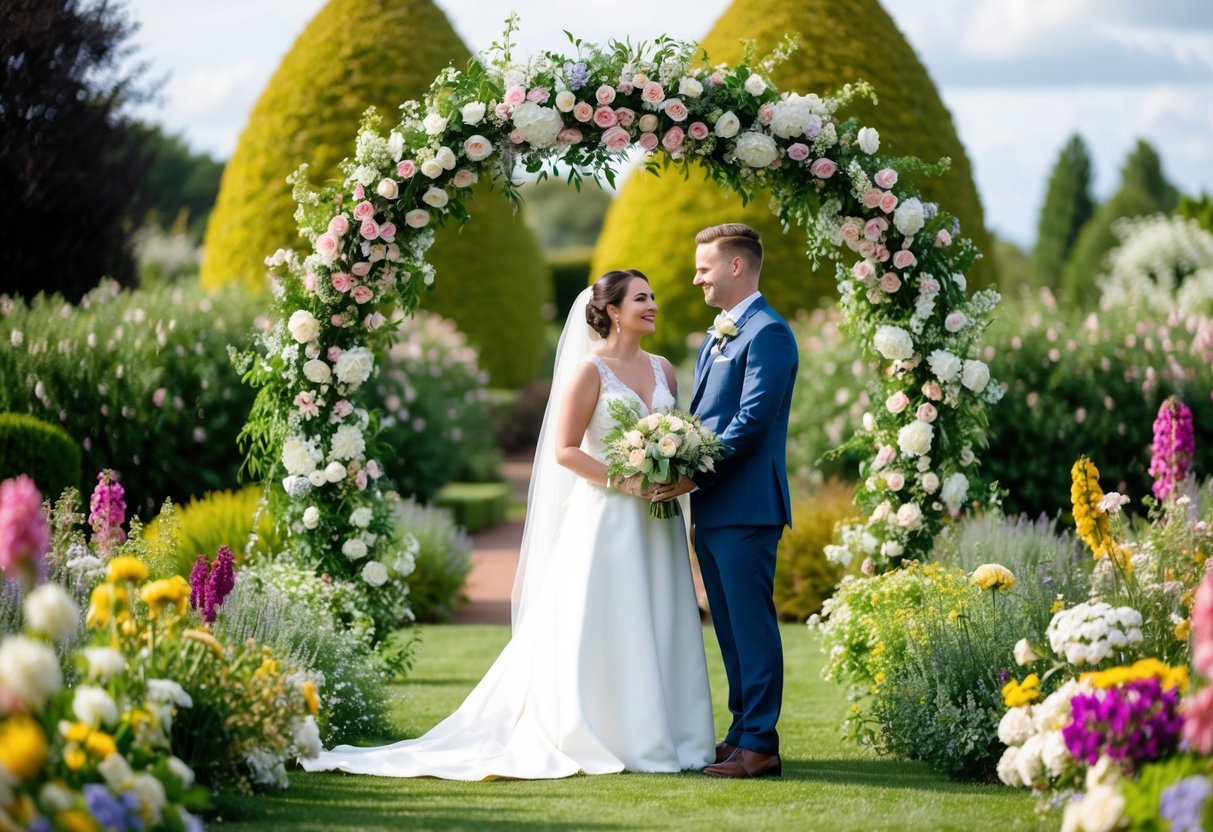
Choosing the right amount of flowers ensures you have enough to make each arrangement stunning without going over budget. Think about your venue, the number of guests, and the types of arrangements you want.
By keeping these factors in mind, you can create beautiful floral decorations that enhance your special day.
Whether you’re dreaming of lush bouquets or simple centerpieces, knowing how many flowers you need helps you plan effectively. Understanding your floral needs sets the stage for an unforgettable celebration, so let’s dive into the details!
Understanding Wedding Flower Essentials
Choosing the right flowers for your wedding is important for creating the perfect atmosphere and enhancing your theme. It involves considering your wedding style, the types of flowers you want, and how to arrange them. Here are key points to help you understand the essentials of wedding flowers.
Deciding on the Wedding Theme and Color Palette
Your wedding theme sets the mood for everything, including the flowers. Think about whether you want a classic, rustic, or modern look. This choice will guide your flower selection.
Next, your color palette plays a crucial role. You may want to choose colors that match your attire or overall decor.
For instance, if you have soft pastels, consider using garden roses, ranunculus, and greenery to enhance that gentle feeling.
Make a list of the colors you love and those that reflect your personality. Your flower choices should complement these shades. Using a consistent palette can create a beautiful and harmonious design throughout your wedding.
Different Types of Wedding Flowers
When planning your floral arrangements, understanding different types of flowers helps a lot. Focal flowers are often the stars of your bouquets. Examples include bold roses, elegant peonies, and charming ranunculus.
You can add depth and interest with secondary flowers, like daisies or filler flowers, which enhance the overall look.
Greenery, such as eucalyptus or ferns, is important too. It provides a lush backdrop to your arrangements and helps balance colors.
Consider using seasonal flowers to make your arrangements both beautiful and budget-friendly. Choosing flowers that are in season not only adds to your wedding’s charm but also supports local growers.
Essentials of Floral Design
Floral design is all about how you arrange your flowers for maximum impact. Think about the size and shape of your bouquets and arrangements. A wedding bouquet should feel balanced and not too heavy.
Get inspired by Pinterest or wedding magazines. This can help you visualize styles that interest you, from cascading bouquets to simple arrangements.
When creating centerpieces, consider using a mix of heights and sizes to draw the eye. Small arrangements can sit on tables, while larger pieces can stand out in reception areas.
Finally, don’t forget to plan for how many flowers you need. Generally, prepare around 10-30 stems for bouquets and 1-2 flowers for boutonnieres. This will ensure you have enough to make a memorable impact.
Calculating Your Flower Needs
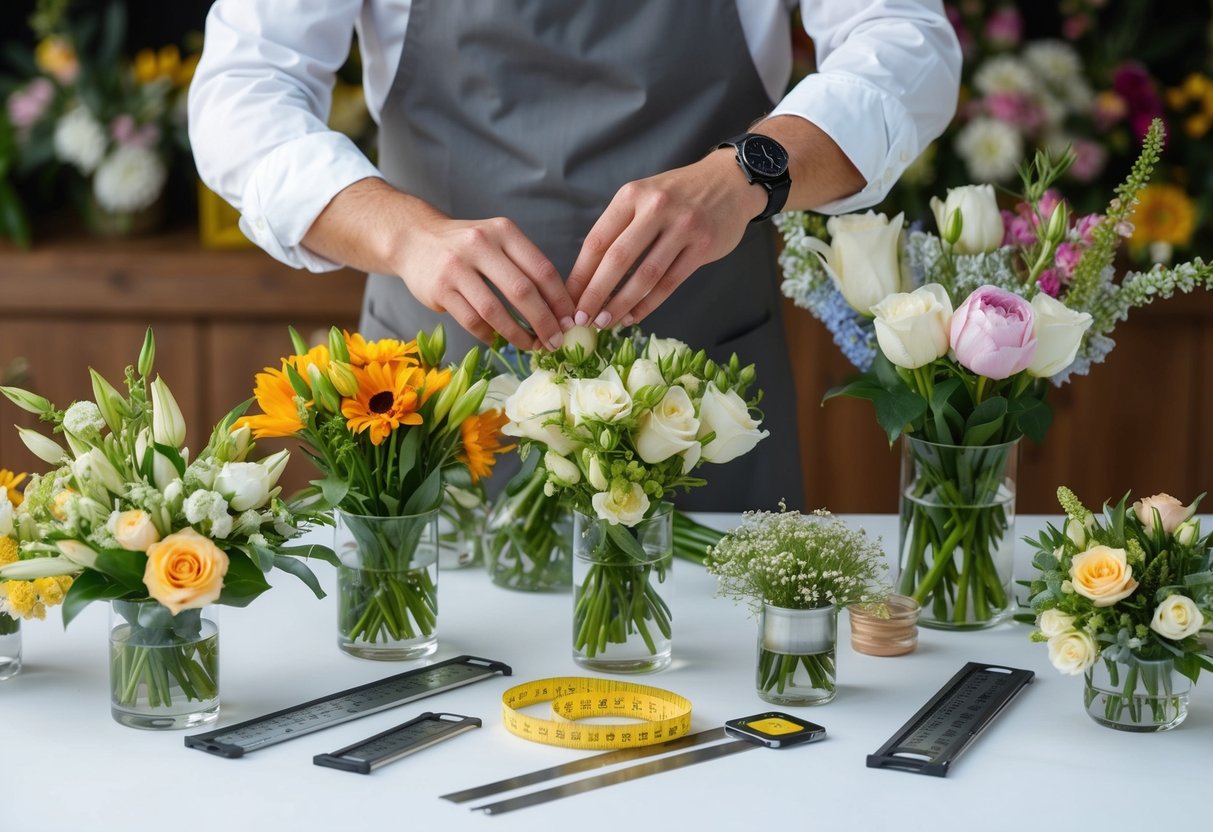
Knowing how many flowers you need for your wedding can make a big difference in your planning. By creating a clear list of what you want and understanding the different types of arrangements, you can manage your budget and ensure your day looks beautiful.
Creating a Flower Checklist
Start by making a detailed flower checklist. Write down all the floral elements you’ll need for your wedding. Common items include:
- Bouquets for you and your bridal party
- Centerpieces for tables
- Boutonnieres for the groom and groomsmen
- Corsages for mothers and grandmothers
- Ceremony decor, such as altar flowers
- Flower crowns for flower girls
Consider the quantity of each item, as this will help you determine the total number of flowers required. Use a simple table or note-taking app to keep track. This checklist will guide your shopping and help you stay organized.
Types of Arrangements and Their Flower Counts
Different types of arrangements require varying numbers of flowers. Here’s a breakdown to help you plan:
- Bouquets: A bridal bouquet typically has 20-30 stems, while bridesmaid bouquets might have 15-20.
- Centerpieces: For a small centerpiece, aim for 10-15 focal flowers and 10-12 filler flowers. Larger centerpieces may need 20 or more stems.
- Boutonnieres: These usually have 1-2 flowers each.
- Corsages: These often use 1 focal flower and 1-2 secondary blooms.
By knowing the standard counts, you can easily calculate how many total flowers you need. A flower quantity chart can be a handy tool in this process.
Flowers for Different Wedding Elements
Each element of your wedding will have its own flower needs. For instance:
- Ceremony Flowers: Depending on your setup, you might need more flowers for the arch, pews, or aisle.
- Flower Crowns: These delicate accessories typically consist of 5-10 flowers, depending on size.
Using a stem calculator can help you estimate the floral stems needed based on these factors. Adjust your counts to fit your wedding style and budget. With a clear plan, you can create a stunning floral display that complements your special day.
DIY vs. Professional Florist
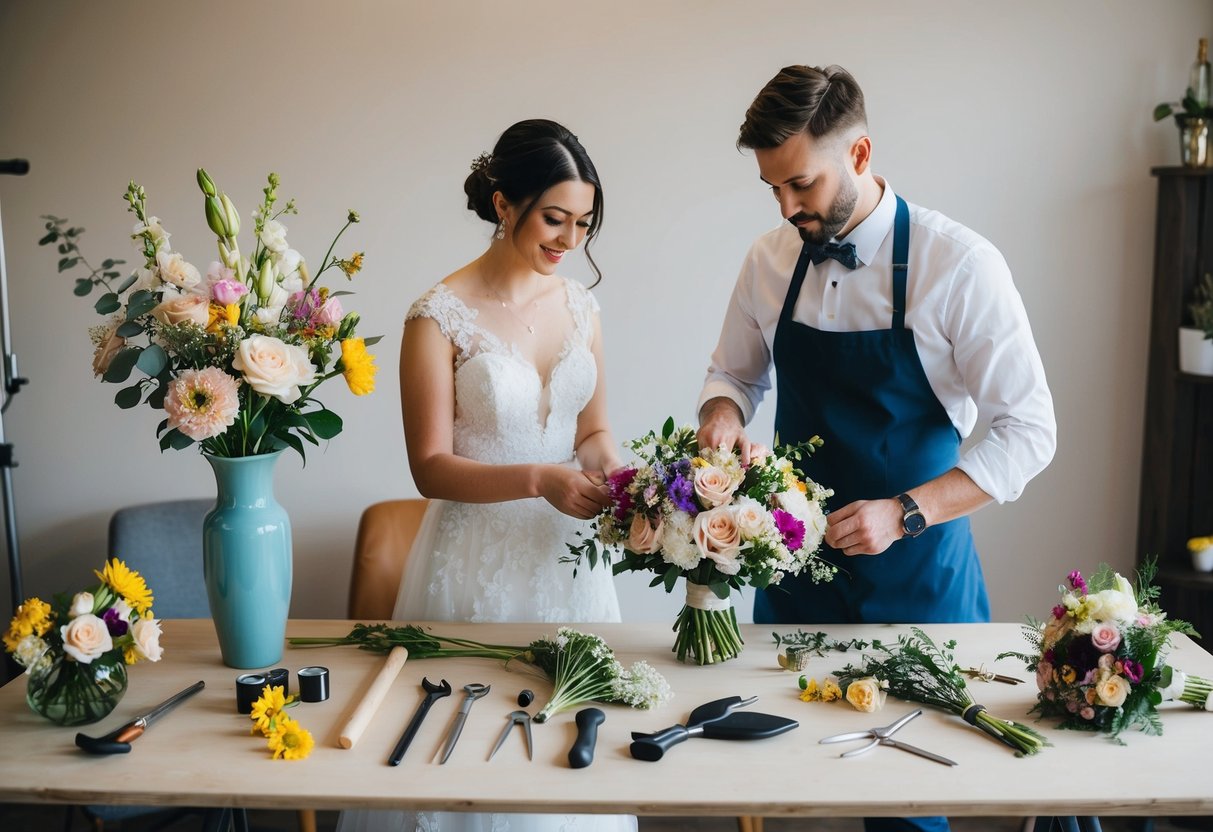
Choosing between DIY flower arrangements and hiring a professional florist is a big decision. Both options have distinct benefits and challenges that can affect your wedding flower planning and budget.
Pros and Cons of DIY Flower Arrangements
Creating your own floral decorations can be a fun and rewarding experience. One key advantage of DIY wedding flowers is saving money. You can often cut down costs by purchasing bulk flowers from local markets.
However, there are some challenges to consider. DIY requires time, effort, and a bit of skill. You’ll need to plan how many flowers you need, which can be tricky.
Make sure to prepare a list and stick to your flower budget.
Additionally, arranging flowers perfectly may take practice. If you’re not confident in your abilities, you risk the flowers not looking the way you envisioned.
When to Hire a Professional Florist
Hiring a professional florist can take a lot of stress off your shoulders. A professional florist has the experience to create stunning arrangements that fit your wedding theme.
If your vision involves complex designs or specific flowers, a professional can guide you through the process. They can also advise on flower choices based on the season and availability.
Cost can vary when hiring a florist. Be clear about your flower budget upfront, so they can help you find the best options.
If you’re short on time or unsure about your skills, it’s wise to invest in a professional florist for your special day.