
How Many Flowers Should Be in a Wedding Bouquet? A Guide to Perfecting Your Floral Arrangement
When planning your wedding, the bouquet you carry is one of the most personal details. The typical bridal bouquet contains around 25 to 35 stems, though this can change based on the size and type of flowers you choose. Each flower type may require a different quantity to achieve the look you desire.
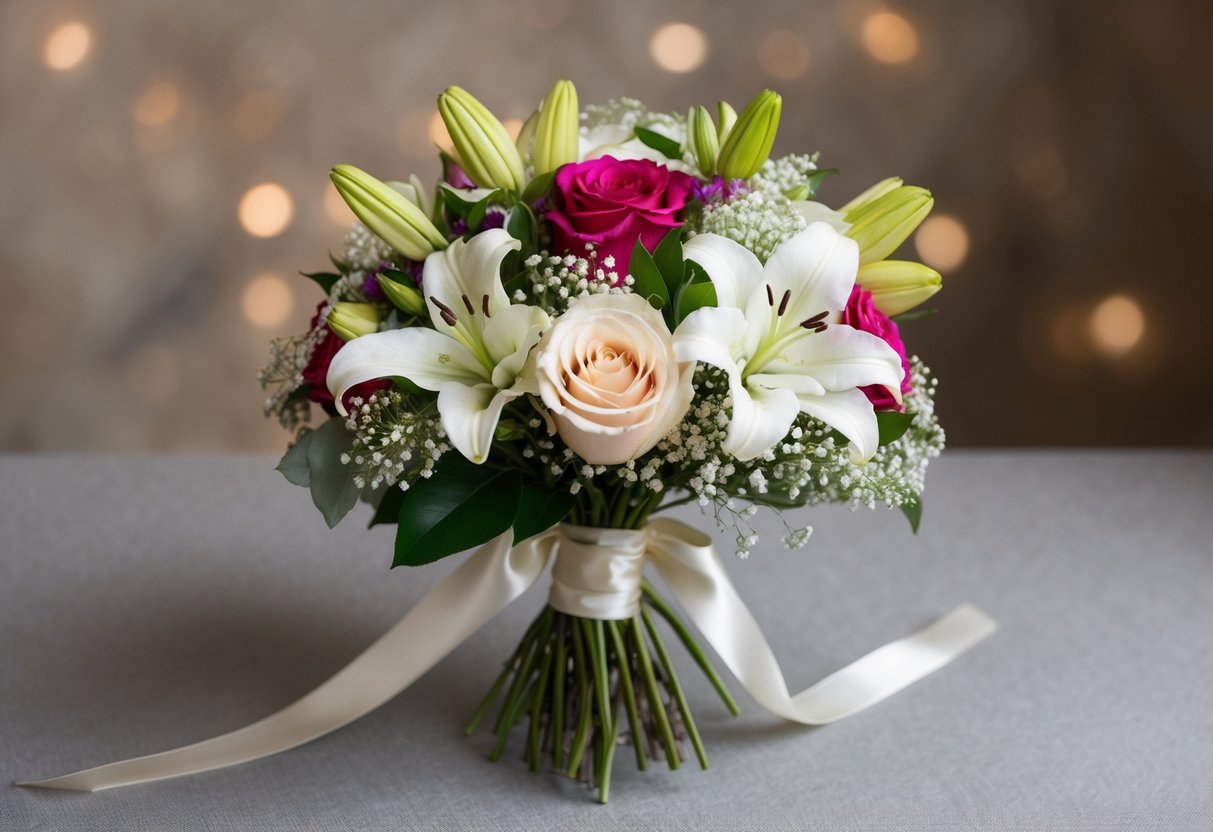
If you’re looking at bridesmaid bouquets, keep in mind they should be smaller, often using 50-75% fewer flowers than the bridal bouquet. This helps create a balanced look for the wedding party.
Finding the right number can make a big difference in how your bouquets look in photos and during the ceremony.
Whether you prefer lush arrangements or something simpler, knowing how many flowers to use will help you create your perfect wedding bouquet.
Determining the Size and Composition of Your Bouquet
Choosing the right size and composition for your wedding bouquet is essential. It affects the overall look and feel of your floral arrangements.
Understanding different size categories and how to mix flowers and greenery can help you create a stunning bouquet.
Understanding Bouquet Size Categories
Bouquets come in various sizes: small, medium, and large. A small bouquet usually has 3-6 flowers and is perfect for an intimate setting or a minimalist look.
A medium arrangement typically contains 12-18 flowers, providing a balanced appearance without overwhelming other elements.
If you’re aiming for a large bouquet, count on using 25 flowers or more. This size creates a dramatic impact and works beautifully for grand weddings.
Consider your dress style and venue when selecting the size.
Choosing the Right Number of Flowers
When deciding on the number of flowers for your bouquet, think about focal flowers and fillers. Focal flowers are the main attractions, like roses, peonies, or lilies.
For a medium bouquet, you might use 5-8 focal flowers.
To add depth, incorporate filler flowers such as Queen Anne’s lace or eucalyptus. These can fill in gaps and add softness.
For balance, a medium arrangement might include 10-12 filler flowers.
Remember to vary the shapes and colors to create visual interest. You want a cohesive look that highlights your chosen focal flowers.
Mixing Flowers and Greenery
Mixing flowers and greenery is vital for texture and fullness. You can combine vibrant blooms like orchids or tulips with greenery like ferns or eucalyptus.
Adding greenery enhances the bouquet’s shape while making the flowers pop.
Create balance by using 1-2 stems of greenery for every focal flower. This ratio works well for both large and medium arrangements.
Don’t shy away from experimenting with different combinations. Garden roses go beautifully with spray roses and delicate fillers, while hydrangeas can add volume.
Mixing various elements allows you to customize your bouquet to reflect your personality and style.
Aligning Your Bouquet with the Wedding Theme
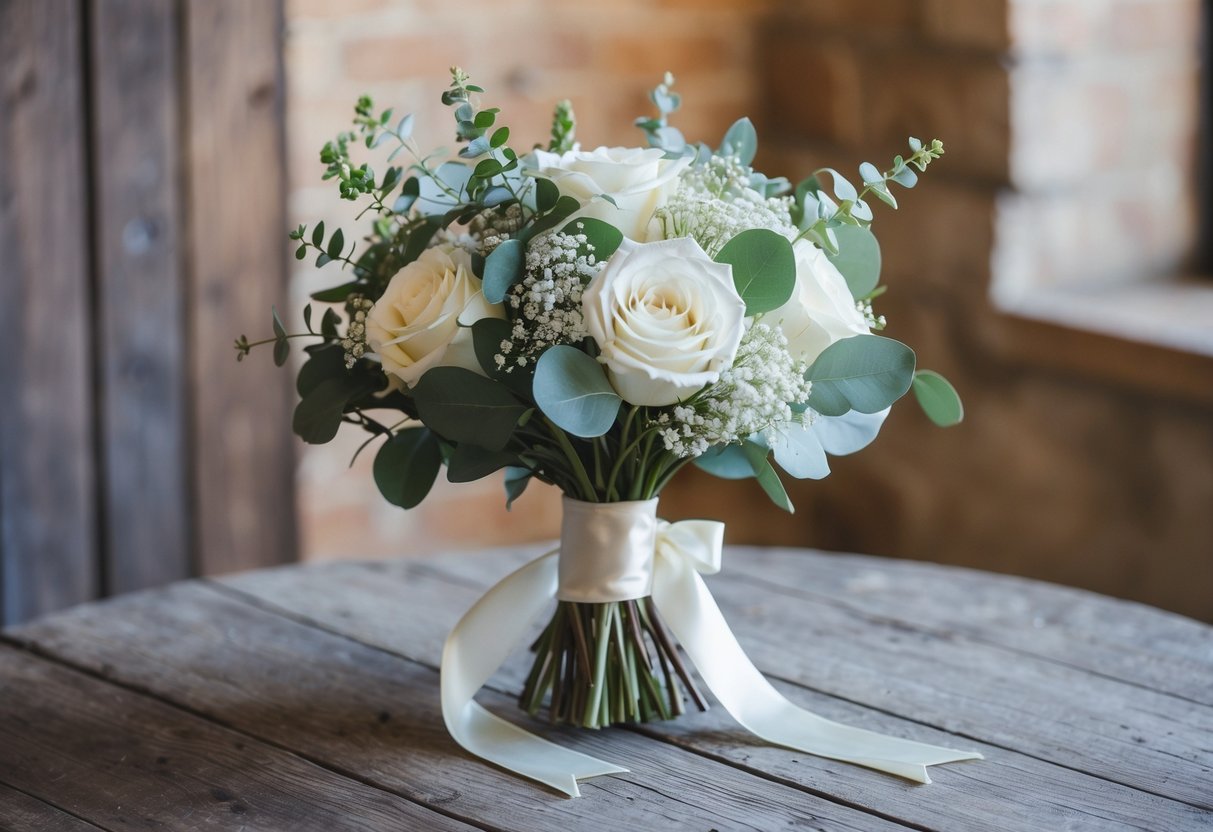
Choosing the right bouquet can enhance your wedding’s overall vibe. It’s essential to consider both color schemes and floral selection to match your wedding theme and express your personal style.
Color Scheme Considerations
Your bouquet should reflect the color palette of your wedding. Think about the main colors you are using in your décor, invitations, and attire.
You can create a cohesive look by choosing flowers that match or complement these colors.
For instance, if your theme includes soft pastels, consider roses, peonies, or tulips in shades of pink and lavender.
If you prefer bolder colors, vibrant blooms like sunflowers or dahlias can work well.
You might want to create a mood board to visualize how different colors will come together. This helps ensure your bouquet looks great alongside everything else.
Research flower colors and how they symbolize different emotions or themes to add deeper meaning to your choices.
Floral Selection and Wedding Theme Synergy
Different flower types can enhance specific wedding themes. For a rustic wedding, consider wildflowers or sunflowers for a natural look.
For a romantic atmosphere, classic flowers like roses, lilies, or calla lilies might be perfect.
If your theme is more modern or minimalist, think about using fewer flowers with clean lines, like orchids or succulents. This can create a sophisticated and elegant touch.
Always keep your personal style at the forefront when selecting flowers. The right flowers not only enhance the theme but also resonate with who you are!
Budget and Purchasing Options for Wedding Flowers
Knowing how much you want to spend on flowers is crucial. Your budget will help guide your choices between individual blooms, bulk purchases, or even DIY arrangements.
Here are some important factors to consider.
Defining Your Flower Budget
Start by deciding how much you want to allocate to your flower budget. This can range widely, so think about what’s important to you.
You might want to set aside a portion for:
- Bouquets
- Centerpieces
- Boutonnieres and corsages
Consider using a simple breakdown. For example, if your total budget is $1,500, you could designate $600 for bouquets, $600 for centerpieces, and $300 for personal flowers.
Keep in mind that quality can vary with price. Investing a little more in stunning, fresh flowers can really enhance your wedding’s look.
Buying Flowers in Bulk vs. Individual Selections
When purchasing flowers, you can either buy in bulk or select individual stems.
Buying flowers in bulk can save you money and is ideal if you need a larger quantity, like for centerpieces.
Here’s a quick comparison:
- Bulk Buying: Often more cost-effective. You can get better deals from local wholesalers, especially for DIY weddings.
- Individual Selections: Offers more variety and customization. This option suits you if you prefer specific blooms in smaller quantities.
Review your needs against your budget. If you want a mix of flowers, you might choose bulk for staples and individual picks for special touches.
DIY Arrangements versus Professional Florist
Choosing between DIY arrangements and hiring a professional florist can significantly affect your budget.
If you’re crafty and want to save money, DIY petals might be your choice. Here’s what to keep in mind:
- Cost: You can often cut expenses by sourcing flowers from local markets or online wholesalers.
- Time: DIY requires planning and preparation time. You will need to spend time arranging and prepping blooms.
Conversely, hiring a professional florist ensures a polished look. They bring expertise to design and execute your floral vision. This usually comes at a higher price, but it may relieve stress.
Consider your skills and available time when making this decision. You want your flowers to align perfectly with your wedding day!
Additional Floral Arrangements for the Wedding
In addition to the bride’s bouquet, there are many floral arrangements that can enhance your wedding’s beauty. These arrangements include centerpieces, boutonnieres, corsages, and other decorative elements. Here are some key options to consider for your special day.
Coordinating Centerpieces and Decorations
Centerpieces are vital for setting the tone of your reception tables. You can choose from various styles, including tall arrangements, low arrangements, or even a mix.
A small centerpiece might require 10-15 focal flowers along with filler flowers and greenery.
Consider using:
- Bud vases for a simple look, filled with single stems.
- Extra stems from your bridal bouquet can complement your centerpieces efficiently.
For a more cohesive look, use the same flowers from your bouquet in the centerpieces. Coordinating colors and styles will create a beautiful blend throughout the venue.
Boutonnieres, Corsages, and Other Floral Accessories
Boutonnieres and corsages are charming details that add elegance to your wedding. A boutonniere typically consists of 1-2 flowers. Keep it simple yet stylish.
For corsages, use 1 focal flower with 1-2 smaller blooms. Adding greenery can elevate their look. Make sure these accessories match your overall floral theme.
Don’t forget these extras:
- Consider a flower crown for a whimsical touch.
- Aisle decorations can enhance your ceremony space with smaller floral arrangements.