
How Many Guests Actually Come to a Wedding? Understanding Attendance Trends and Expectations
Planning a wedding can be exciting, but it also comes with a lot of questions. One of the biggest concerns is how many guests will actually show up on your big day. Understanding guest attendance can help you plan better and make your wedding day smoother.
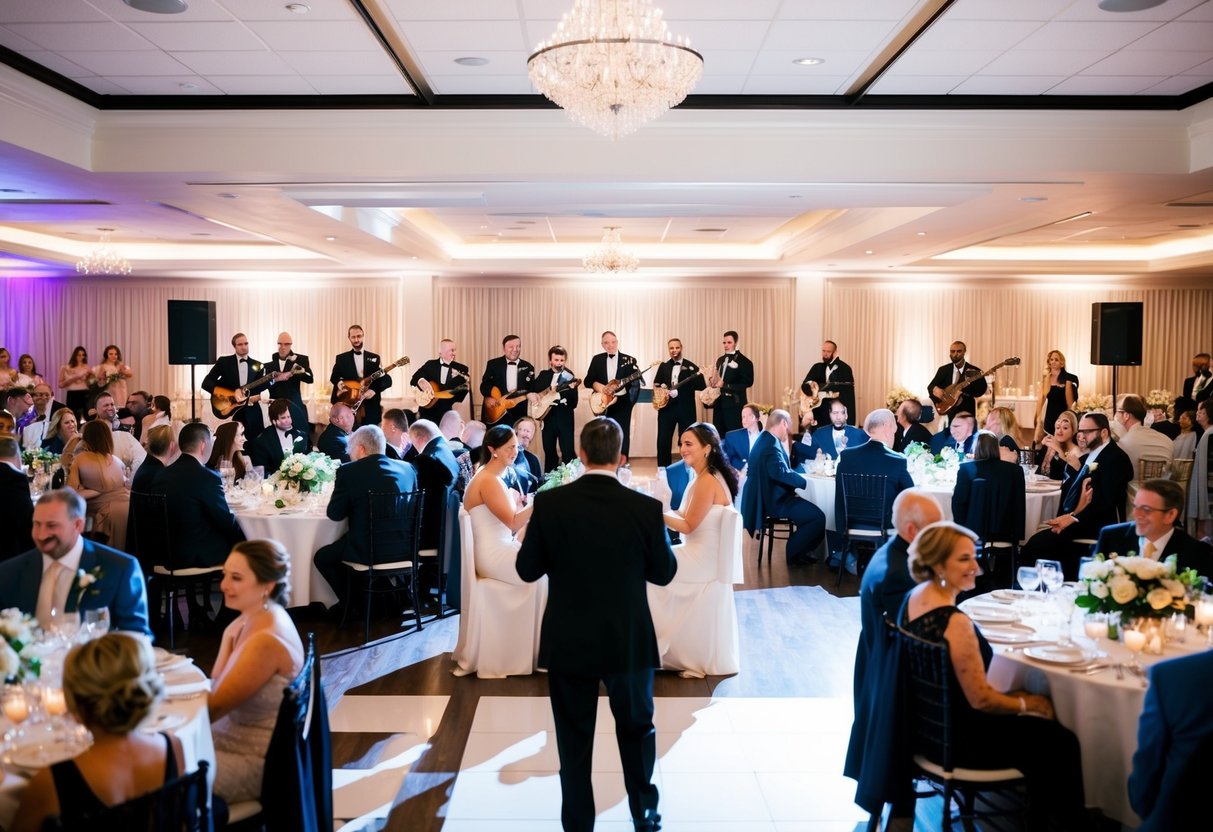
You can usually expect around 75-85% of those invited to attend your wedding. Sending out save-the-dates several months in advance can help ensure more guests are able to join in your celebration.
Knowing these numbers can help you find the perfect venue and create a comfortable atmosphere for everyone.
Getting a grasp on guest attendance will allow you to focus on other aspects of your wedding planning. Whether it’s deciding on a menu or choosing seating arrangements, understanding how many guests to expect can ease some of the stress as you prepare for your special day.
Understanding Wedding Guest Dynamics
Getting a handle on who will show up to your wedding is essential. It helps you plan better and manage your budget. Let’s explore how RSVP responses and the type of guests can impact your big day.
Evaluating RSVP and Attendance Rates
When you send out invitations, many guests will RSVP, but not everyone will attend. Aim for an attendance rate of 75-85% for your invited guests. This estimate can vary based on the guest list size and type.
For example, if you invite 100 guests, expect about 75 to 85 of them to show up. An RSVP card can help track confirmations. As your guests respond, keep a close eye on the numbers.
Sending save-the-dates early can lead to higher attendance. It gives guests time to adjust their schedules. Good communication can make a big difference!
Differences Between Local and Out-of-Town Guests
Understanding who your guests are can affect attendance. Local guests are typically more likely to attend, with rates around 85%. They have shorter travel distances and fewer costs.
Out-of-town guests often struggle with logistics like travel and accommodation. Their attendance rate may drop to about 55%. If guests have to book airline tickets or hotels, they might hesitate.
Destination weddings face even bigger challenges, with attendance rates as low as 35%. Consider these dynamics carefully when planning your guest list. Balancing local and out-of-town invites can help ensure a fun celebration!
Determining Your Wedding Size
Choosing the right wedding size is essential for your big day. The number of guests you invite can shape the atmosphere, planning, and even your budget. Understanding the categories of small, medium, and large weddings will help you make the best choice for your event.
Deciding on a Small, Medium or Large Wedding
Small weddings usually have fewer than 50 guests. They offer an intimate setting and allow for meaningful connections. You might find this option less stressful and more personal.
Medium weddings typically host between 50 to 150 guests. This size strikes a balance, providing a lively atmosphere while still maintaining some intimacy.
Large weddings can have 150 guests or more. They create a grand experience but can be complicated to organize.
Think about your budget, venue, and the kind of experience you want your guests to have. Each size offers unique benefits and challenges, so it’s important to choose what fits your vision.
Implications of a Destination Wedding
Destination weddings are a popular choice for many couples. They add an element of adventure and beauty. However, keep in mind that these weddings often come with varying guest attendance.
Guests might need to travel, which can limit who can come. Some may not be able to take time off work or afford travel expenses.
Consider the average attendance for destination weddings, as it can drop compared to local events. Sending save the dates well in advance can help increase the number of guests.
When planning, factor in accommodations and nearby activities for guests. This consideration can make it easier for them to attend and enjoy the experience.
The Role of Pre-Wedding Communications
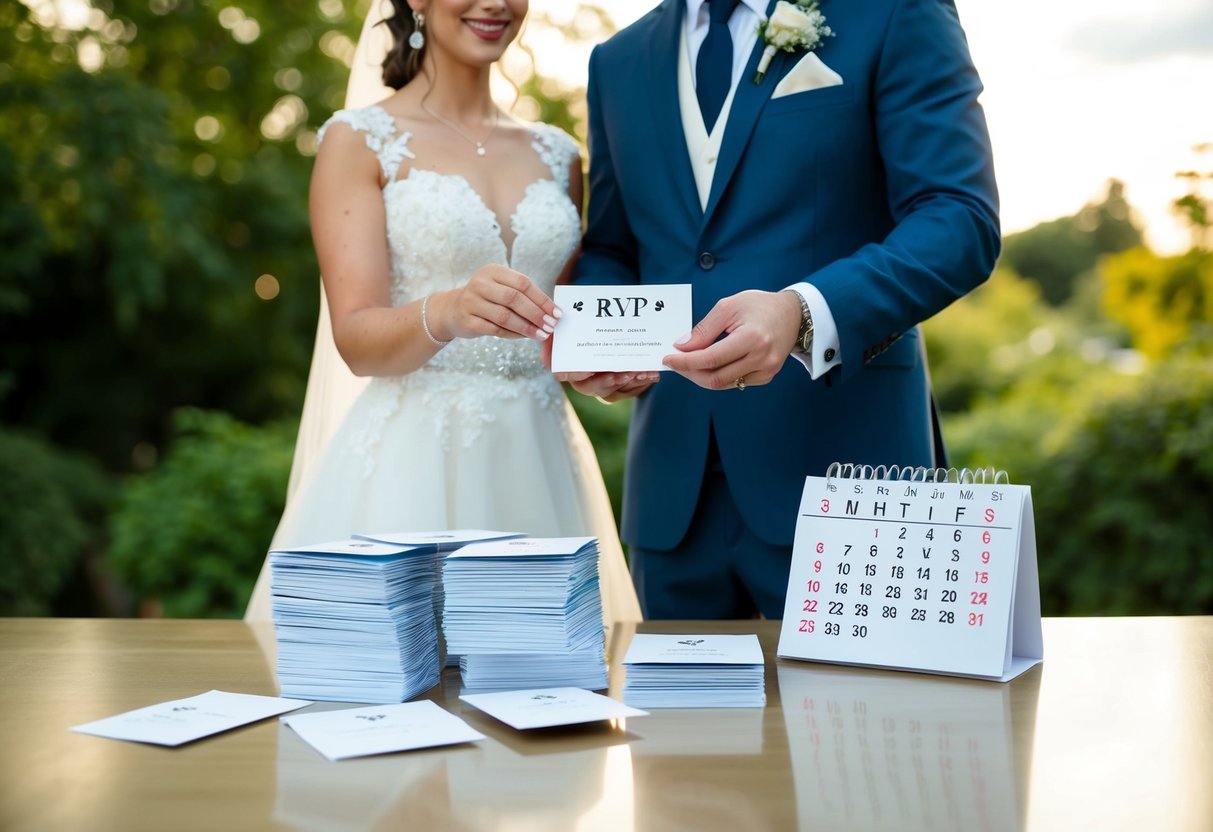
Effective communication before your wedding can greatly impact guest attendance. Sending timely reminders helps ensure that your guests are informed and prepared for your special day.
Save-the-Dates and Early Notices
Sending out save-the-dates is an important first step in your wedding planning. Aim to send these about six to eight months before your wedding. This gives your guests ample time to clear their schedules.
Include key details like the date and location. You might also consider adding a wedding website link for easy access to more info. Early notices let guests plan ahead, especially important for out-of-town attendees.
Using clear language is essential. Try to make it friendly and inviting. This will set a positive tone for your celebration, making guests feel special and appreciated.
Invitations and Follow-Ups
Invitations typically go out about six to eight weeks before the wedding. Make sure your invitations include RSVP cards for easy responses. This helps you get an accurate guest count.
Consider sending a follow-up message as the wedding date approaches. A friendly reminder can encourage those who haven’t responded yet. It’s also a great time to share updates about your wedding website, which contains details like accommodations and itineraries.
Maintain a warm tone in your follow-ups. This keeps communication open and shows you care about their attendance. Ultimately, clear and friendly communication boosts the chances of a higher turnout on your big day.
Finalizing Your Guest List
When it comes to finalizing your guest list, you want to ensure you’ve considered everyone important while keeping your budget in mind. Two key areas to focus on are plus-ones and last-minute additions, as well as how to allocate your budget for guest comfort and favors.
Addressing Plus-Ones and Last-Minute Additions
Many guests may want to bring a plus-one. It’s essential to identify who those guests are. Consider this: if about 30% of your guest list is single, expect that many will want to bring someone special.
To manage this, use a wedding guest calculator to see how many extra seats you need. Make a note of last-minute additions. While these can be tricky, sometimes friends or family might reach out close to the date. Keep your headcount flexible but stick to your budget.
Allocating Budget for Guest Comfort and Favors
Your guest list affects your overall wedding cost. Each additional guest influences your budget for catering, seating, and favors. For an average wedding cost, plan around $250 per guest, covering food, drinks, and decorations.
Set aside a portion for wedding favors. Guests appreciate thoughtful gifts that reflect your style. Consider items that match your theme or local flavors. Simple favors like personalized candies or mini succulents can leave a lasting impression.
Plan accordingly so that your guests feel welcomed and appreciated throughout the day.