
How Many Guests Are at a Small Wedding? Discovering the Perfect Intimate Guest Count
When planning your wedding, you need to consider the size of your guest list. For a small wedding, you can expect to invite around 50 guests or fewer. This type of gathering often creates an intimate setting, allowing you to connect personally with each guest. If you want an even smaller celebration, consider a tiny wedding, which might include just 15 people or less, or a micro wedding, where the focus is on simplicity and close relationships.
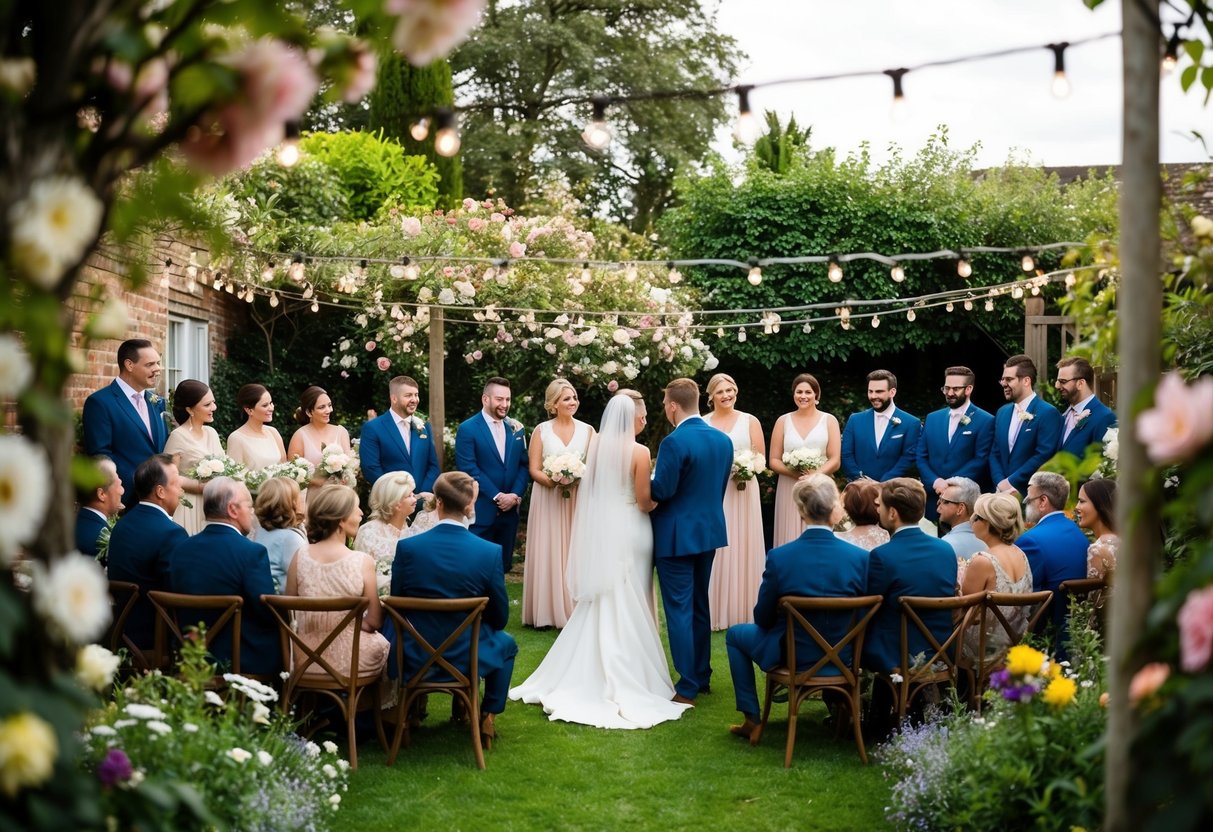
Understanding the average wedding size can help shape your vision. Many people aim for around 50 to 75 guests for a cozy atmosphere that still feels special. This size allows for personal touches and meaningful interactions, making your day feel even more memorable. As you think about your guest list, remember that an intimate wedding can provide a unique experience that larger gatherings may lack.
Determining the Ideal Guest Count
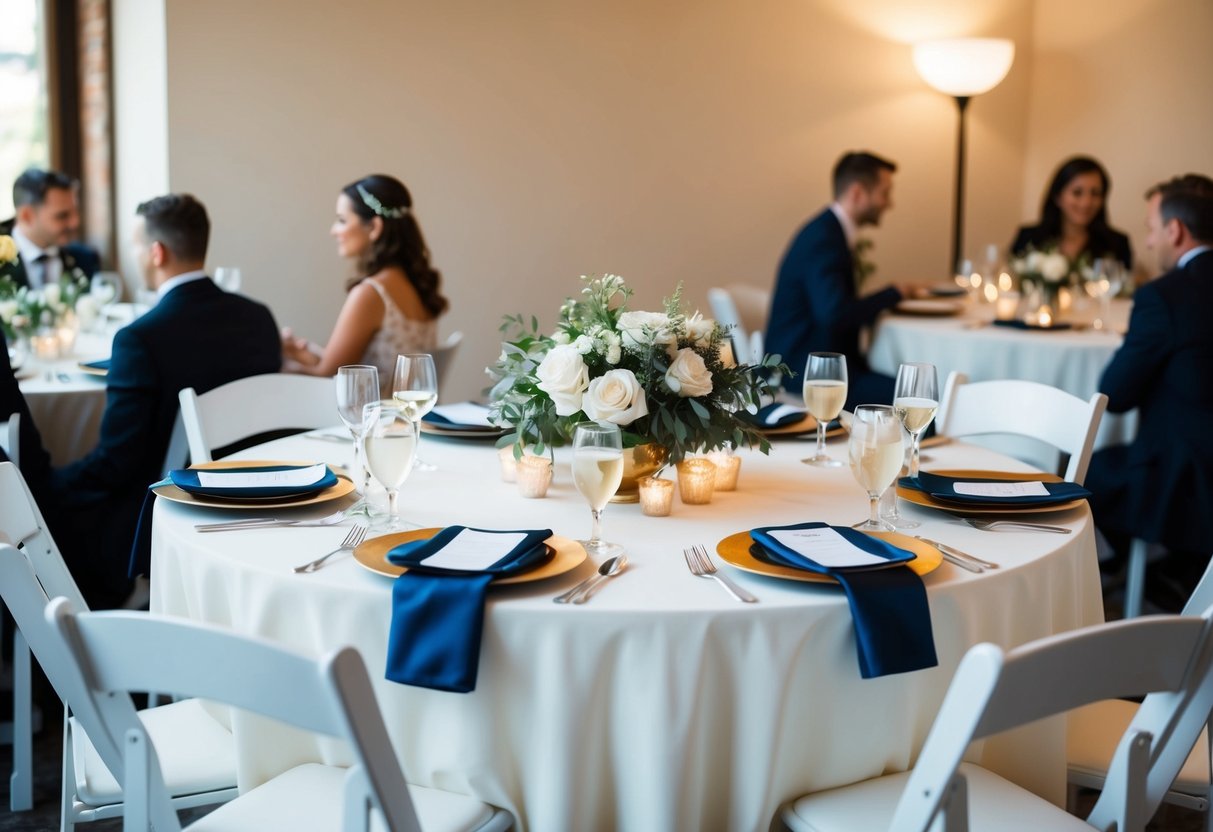
Choosing the right number of guests for your wedding can feel overwhelming. The ideal guest count depends on various factors, including personal preferences, budget, and venue capacity. Understanding how these elements play a role will help you make informed decisions.
Factors Influencing Guest List Size
Several factors can determine the size of your guest list. First, consider your budget. More guests mean higher costs for catering, seating, and other details.
Next, think about the venue. A small space limits the number of attendees, while larger venues offer more flexibility.
You should also prioritize your close relationships. Invite essential family and friends first, then decide if you can include others. Personal lists might vary greatly; some prefer a cozy gathering, while others enjoy larger celebrations.
Small vs. Medium vs. Large Weddings
Understanding the differences between wedding sizes helps clarify what you want.
- Small Weddings: Typically have fewer than 50 guests. This setting is intimate and ideal for close friendships.
- Medium Weddings: Usually include 50 to 150 guests. This size balances intimacy and celebration, making it common for many couples.
- Large Weddings: Count over 150 guests. Big weddings are lively and festive, often including extended family and friends.
Knowing where your ideal guest count falls can significantly simplify your planning process. By defining your wedding size, you can better manage the details that follow.
Budget Considerations for Your Wedding
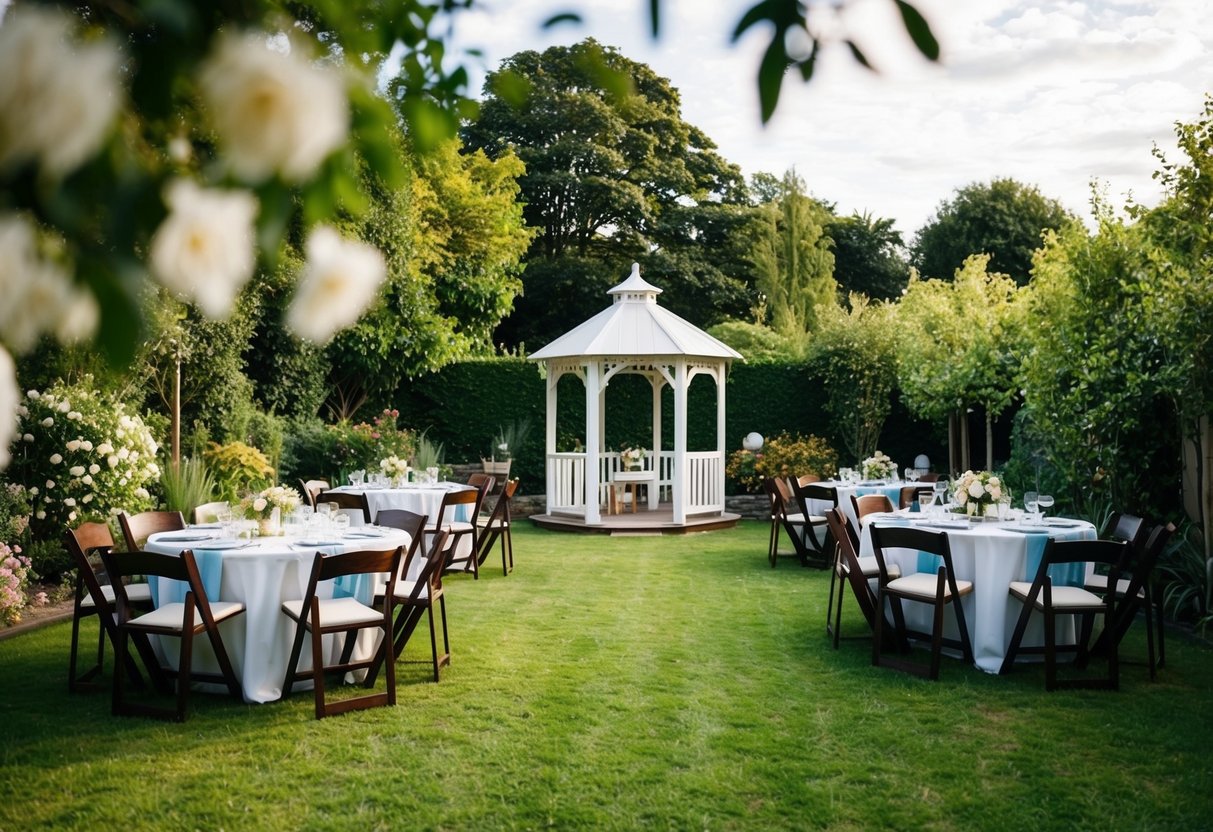
When planning a wedding, understanding how to manage your budget is essential. You’ll want to focus on guest-related expenses and possible savings that come with a smaller guest list.
Allocating Funds to Guest-Related Expenses
Guest-related expenses can take up a significant part of your budget. Typically, you should plan for around $100 per guest for a small wedding. This includes costs tied to catering, drinks, and seating.
You’ll need to decide on your catering approach. Will you serve a plated meal or buffet? Each option varies in cost. Don’t forget about invitations and favors. They can add up, especially with a larger guest list. Consider digital invitations to save money on printing.
Also, think about how many guests will require accommodations. If you have out-of-town guests, you may want to book a block of hotel rooms or provide recommendations. Make a detailed list of potential expenses associated with each guest to keep track of your spending.
Saving on Costs with Fewer Guests
Having fewer guests can lead to significant savings. A micro wedding or minimony, which typically includes about 15 to 50 guests, is a fantastic option. With fewer people, you reduce catering and venue costs, allowing you to spend more on other areas.
For instance, you could opt for a beautiful but less expensive venue or invest in higher-quality catering for a smaller group. This means you can focus on enhancing the experience for those you cherish most.
Also, consider creative small wedding ideas to further reduce costs. Unique venues like parks or family backyards can save on rental fees. You could even simplify decorations, as fewer guests often mean fewer tables and centerpieces to organize.
Selecting the Right Venue
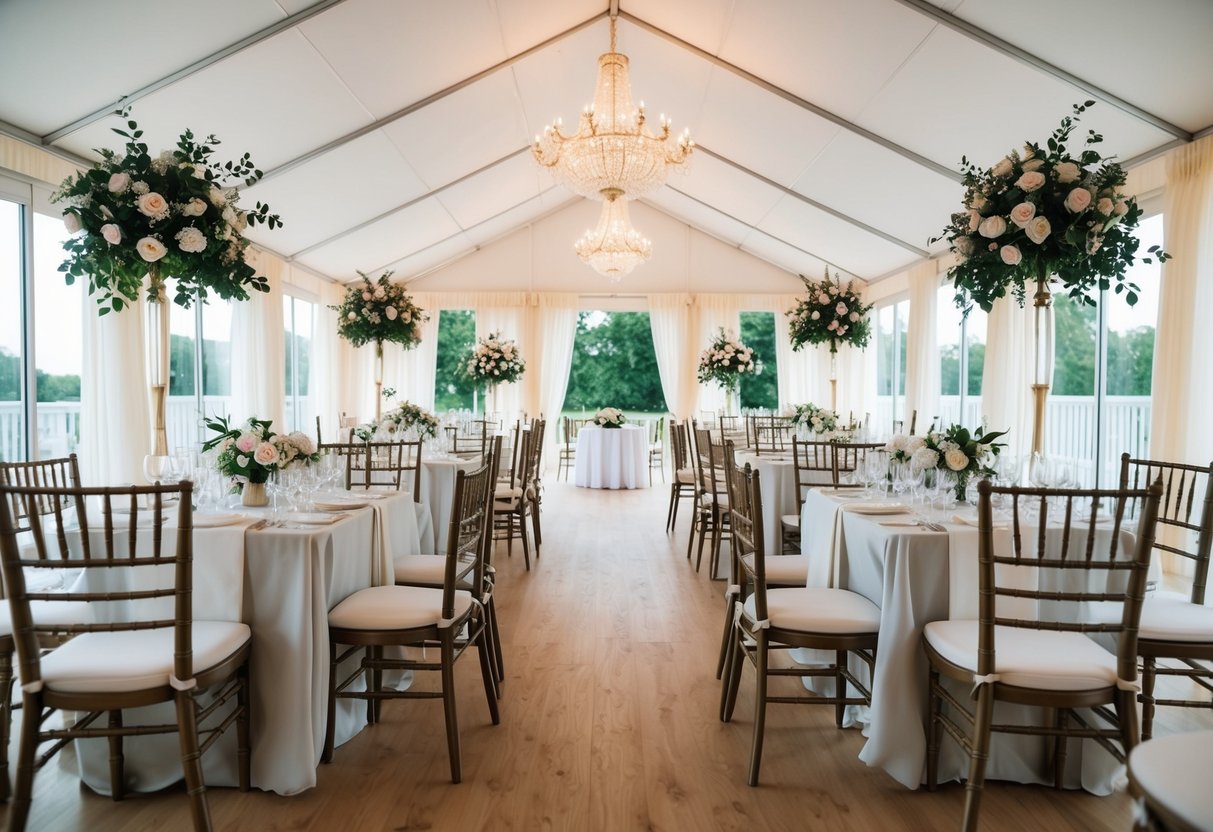
Choosing the right venue is crucial for a small wedding. The venue sets the mood and affects how comfortable your guests will feel. You’ll need to consider both the size and style of the location to ensure it fits your needs perfectly.
Venue Size and Guest Capacity
When planning for a small wedding, consider venues that accommodate your guest count. A small wedding often includes 50 guests or fewer. This means the venue should feel cozy without being cramped.
Look for spaces that allow for comfortable seating arrangements and enough room for movement. Popular options include:
- Backyards: Perfect for intimate gatherings and personal touches.
- Boutique hotels: Offer charm and services that make planning easier.
- Small banquet halls: Ideal for a private atmosphere.
Make sure to visit the venue to get a feel for the layout and capacity before making a commitment. You want to ensure it aligns with your vision.
Destination Wedding Venue Choices
If you’re dreaming of a destination wedding, the venue choice becomes even more exciting. Think about locations that represent your style and preferences. Whether it’s a beach, a mountain lodge, or a vineyard, the options are vast.
When selecting a destination venue, keep these factors in mind:
- Accessibility for guests: Ensure it’s easy for your loved ones to join you.
- Accommodations: Look for venues with lodging nearby or on-site.
- Local rules and regulations: Check if you need permits for your ceremony or reception.
Destination weddings can offer unique experiences, so choose a place that enhances your celebration and provides lasting memories.
RSVPs and Finalizing the Guest List

Managing your RSVPs and finalizing your guest list is an important step in planning a small wedding. It helps you keep track of who will be attending and ensures your special day goes smoothly.
Managing Invitations and Plus Ones
When sending out invitations, consider who you want to invite and if you’ll allow plus ones. A plus one can add a friend or partner, which might increase your guest count.
To keep it simple, create a clear invitation list. Use a spreadsheet or app to track who is invited and if they have responded.
Always set an RSVP deadline. Aim for a date about two to three weeks before the wedding. This gives you time to follow up with anyone who hasn’t replied. Remember, clear communication is key.
The Role of Family and Friends in Guest Decisions
Family and friends often play a big role in your guest list decisions. Close relatives may have strong opinions about who should be invited. It’s good to involve them in the process, but you should also stay true to your vision.
Be open about your choices. If certain family members or friends can’t come, reassure them that it’s not personal. You might need to make tough decisions to keep your guest list small.
Balancing your desires with family expectations can be tricky, so find a middle ground that works for you.