
How Many Guests Are Considered a Big Wedding? Understanding the Numbers
When planning a wedding, one big question often comes to mind: how many guests should you invite? Understanding what defines a large wedding can help you make decisions about your special day. A wedding is typically considered large if it has over 150 guests.
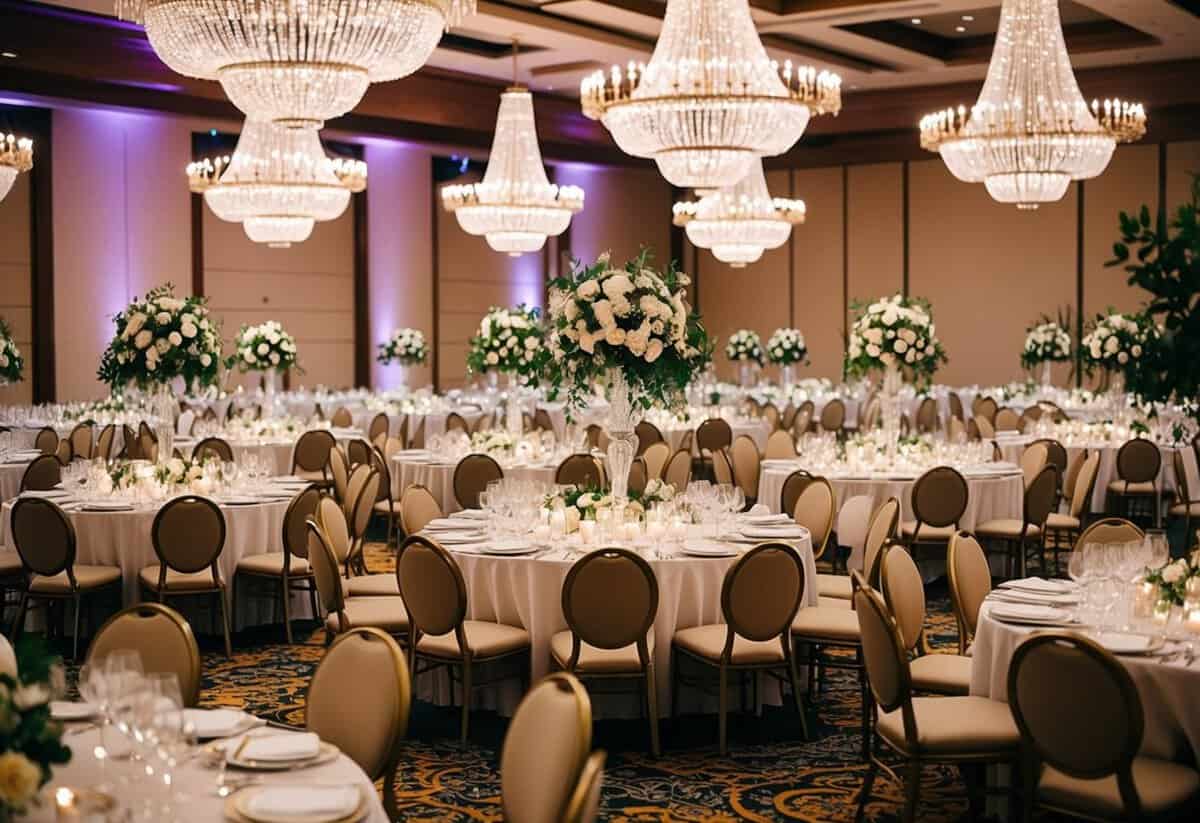
Knowing this can help you set expectations and budget accordingly. Whether you have a big family or want a vibrant celebration with friends, the guest count plays a key role.
Defining a ‘Big Wedding’
When planning your big day, understanding what qualifies as a big wedding can help you establish your guest list and budget. Factors like guest count and cultural traditions play a crucial role in defining the size of your wedding.
Guest Count Breakdown
A big wedding usually includes more than 100 guests. The average wedding size in the U.S. is around 115 guests, with many couples inviting over 100 people. Some consider 150 guests to be a threshold for a large wedding, while weddings with 200 guests or more are often labeled as very large or huge weddings.
Here’s a simple breakdown of wedding sizes based on guest counts:
- Small Wedding: Up to 50 guests
- Medium Wedding: 50 to 150 guests
- Large Wedding: 150 to 300 guests
- Very Large Wedding: Over 300 guests
Your guest list can significantly impact your budget, so it’s worth considering how many people you want to share your special day with.
Cultural Norms and Traditions
Cultural traditions heavily influence the definition of a big wedding. For instance, in some cultures, larger gatherings with over 200 guests are common and expected. Meanwhile, smaller weddings may be preferred in other cultures, making a big wedding feel different depending on where you’re located.
In the U.S., familial ties often push guest counts higher. Families may want to include distant relatives or friends from the past, contributing to a larger guest list. Understanding these norms can help you define what a big wedding means for you and your loved ones.
Factors Influencing Wedding Size
When planning your wedding, several factors can significantly influence the number of guests you invite. Understanding these elements can help you create a guest list that fits your style, budget, and venue capacity.
Budget Considerations
Your wedding budget plays a key role in determining your guest list size. Each person you invite adds to the overall cost, including catering, seating, and other expenses. You may want to create a detailed budget plan that covers all your wedding expenses.
Key Budget Factors:
- Catering Costs: Expect to spend more as guests increase.
- Venue Fees: Some venues charge per guest.
- Decorations and Favors: More guests mean higher decoration needs.
Consider how your budget aligns with your vision. This can help you decide between a larger gathering and an intimate affair.
Venue Capacity and Selection
The size and capacity of your chosen venue are crucial in shaping your guest list. Each venue has a maximum capacity that you must consider.
Things to Remember:
- Capacity Limits: Check the venue’s maximum capacity. This sets an upper limit for your guest list.
- Layout and Style: A cozy space may not feel right for a large crowd.
- Location Accessibility: Think about how easily guests can travel to your venue.
If you want a big wedding, select a venue that comfortably accommodates your numbers while providing a good guest experience.
Personal Preferences and Vision
Your personal preferences and vision for the wedding can greatly influence guest count. Are you dreaming of an intimate celebration or a grand event?
Consider the Following:
- Wedding Style: A formal ceremony may tend to be larger, while a casual gathering could be smaller.
- Guest List Manager: Use tools to help keep track of your invitees and RSVPs.
- Cultural and Family Expectations: Some cultural traditions may suggest larger guest lists.
Ultimately, your vision should guide your choices as you plan the perfect day that reflects your style.
Planning for Your Guest List
Creating a guest list is essential for setting the tone of your wedding. You want to ensure that family and friends feel included while also considering space and comfort. Let’s explore how to build a balanced guest list and enhance the guest experience through thoughtful seating arrangements.
Creating a Balanced Guest List
Start by making a list of everyone you want to invite. Include family, friends, and colleagues. Remember, a big wedding usually has over 100 guests, so you may need to limit your list if you have a smaller venue.
You can categorize guests into tiers: those who must be there, those you would like to invite, and your “plus-ones.”
Consider your budget too. Each guest adds to costs for food, drinks, and seating. Be open with family about your guest count. Having a clear idea will help avoid misunderstandings.
You can create a simple table that helps track names, relationships, and responses. This way, you ensure everyone important is accounted for.
Seating Arrangements and Guest Comfort
Seating arrangements play a big role in how your guests experience your wedding. Think about grouping people by their relationships. Place family members together, as well as friends who know each other. This helps everyone feel comfortable and welcome.
Consider the layout of your venue. Ensure there is enough space for movements, and guests have easy access to restrooms or other important areas.
If you have a large guest count, it may be helpful to consult with a wedding planner. They can provide valuable insights on how to maximize space.
Remember, your seating chart is a chance to encourage mingling. You might mix groups to create new friendships. By prioritizing guest comfort, you create a warm atmosphere for everyone to enjoy.
Wedding Types by Size
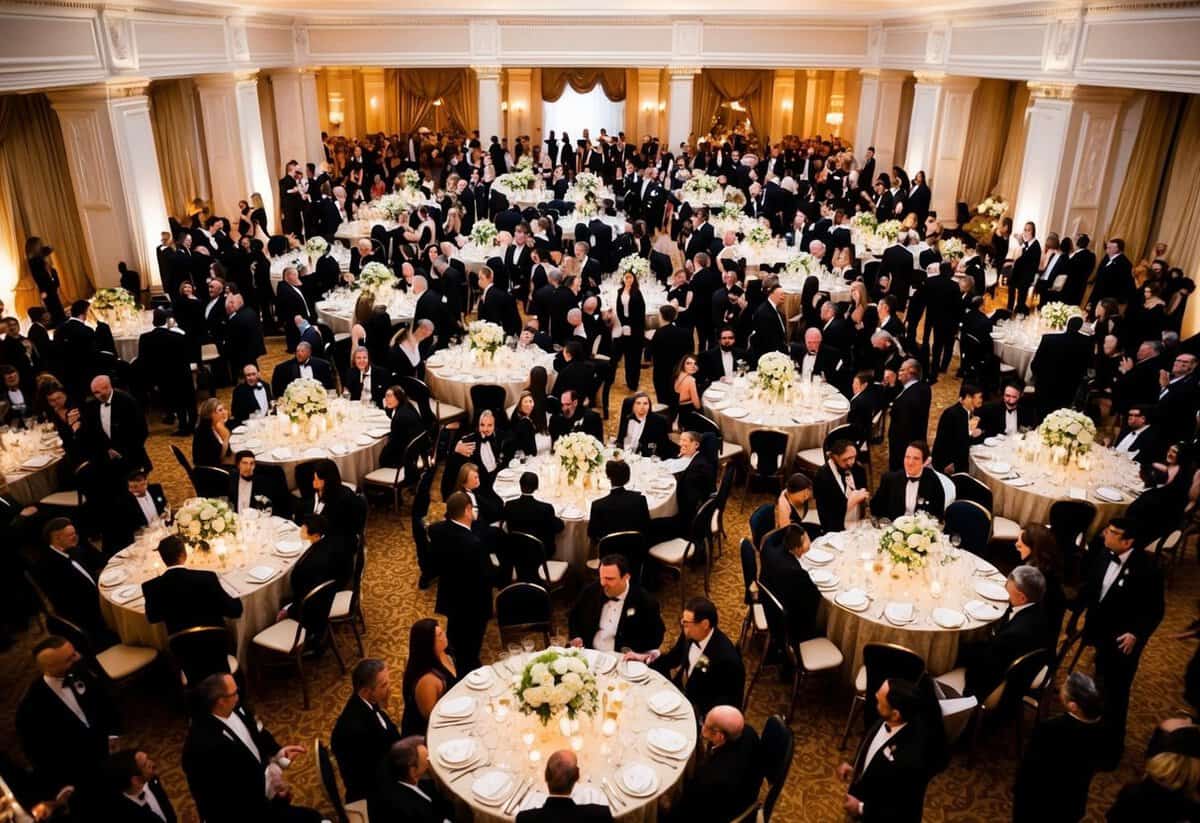
Weddings come in various sizes, each offering a unique experience. Knowing the differences can help you choose the type of celebration that best fits your vision and guest list.
Micro Wedding and Minimony
A micro wedding is a small gathering that typically includes 10 to 50 guests. It focuses on intimacy and personal connections, allowing couples to spend quality time with loved ones. This type of wedding often features a beautiful ceremony, a simple reception, or even just a dinner.
A minimony is similar but usually involves a small ceremony followed by a larger celebration at a later date. This option allows you to have an intimate experience now, with plans for a bigger event later. Both styles work well in cozy venues or even your backyard.
Medium and Average-Sized Wedding
The average-sized wedding falls within the range of 50 to 150 guests. This size allows you to invite most of your family and friends, creating a lively atmosphere. You can enjoy a balanced mix of intimacy and celebration.
A medium wedding can be customized with various elements, such as elaborate décor, live music, and a full dinner service. This is a great option for banquet halls or spacious venues, which can accommodate a larger guest list.
Destination and Spacious Venue Weddings
Destination weddings are gaining popularity, especially for those seeking adventure. These weddings take place in beautiful locations away from home, such as beaches or mountains. You can invite a smaller group, turning the event into a memorable trip for your closest friends and family.
Spacious venue weddings can host large numbers, often exceeding 150 guests. These venues, like banquet halls or outdoor spaces, provide ample room for dining and dancing. You get to create a grand celebration while still enjoying the company of your favorite people.