
How Many Guests Can You Have at a Registry Office Wedding UK? Understanding the Limits and Options
When planning your special day, you need to figure out how many guests you can invite to your registry office wedding in the UK. The size of the ceremony room available at your chosen registry office typically determines the number of guests you can bring. Each location has its own capacity limits, which can vary based on the day’s schedule and any ongoing restrictions.
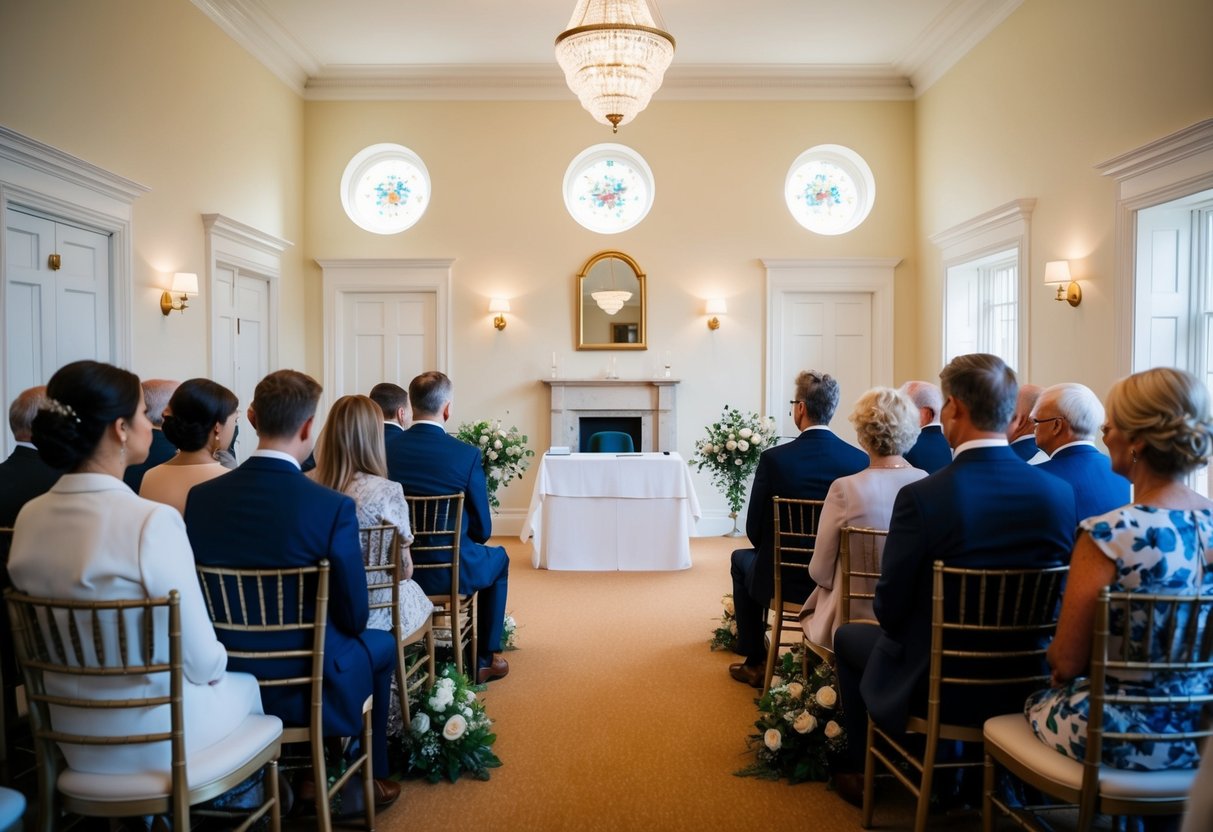
If you’re considering a civil partnership or a wedding ceremony, you should check with your local registry office. Some offices may offer smaller rooms that accommodate fewer guests, which can create a more intimate atmosphere. Remember, planning ahead can help you ensure that your loved ones can be part of your joyful celebration.
Understanding Registry Office Weddings
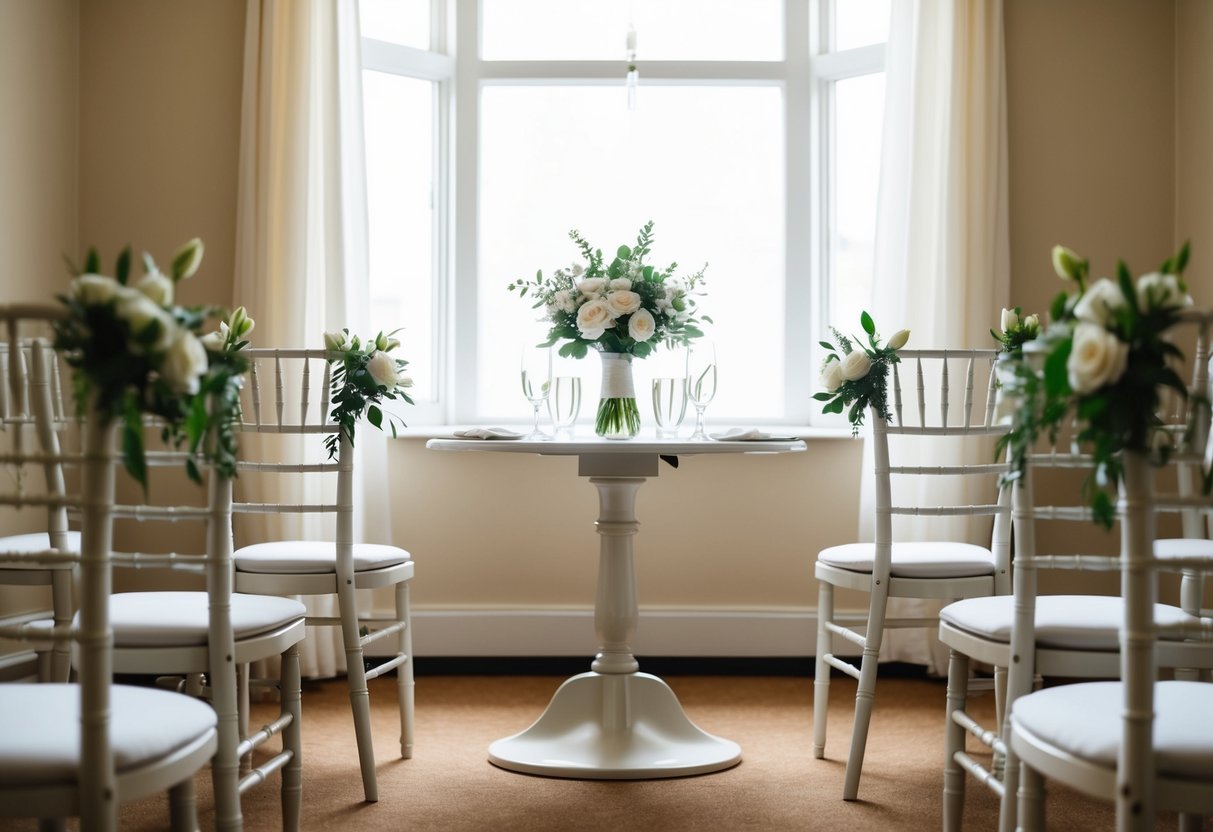
Registry office weddings offer a simple and intimate way to celebrate your special day. You’ll find that these ceremonies focus on the essential elements of your union, making it a popular choice for many couples.
What Is a Registry Office Wedding?
A registry office wedding is a civil ceremony that takes place in a designated location, typically run by local authorities. The focus is on legally formalizing your relationship. You may choose to have a small gathering or a more elaborate ceremony in a special room.
At a registry office, you will need to give notice of your intention to marry, usually at least 28 days in advance. The ceremony is straightforward, often including the exchange of vows and rings. Many couples appreciate the simplicity and affordability that registry office weddings provide.
Difference Between Civil Partnership and Marriage
Civil partnerships and marriages both serve to legally unite couples, but they have some key differences. A civil partnership is specifically designed for same-sex couples, while marriage has historically been available to both same-sex and opposite-sex couples.
In a civil partnership, the ceremony is less formal than a wedding, usually with fewer legal requirements. For instance, you don’t have to exchange vows in the same way as in a marriage ceremony. However, both options require registration and recognition by the state.
Choosing between them often depends on personal beliefs, traditions, and your vision for your special day. Each type offers its own unique way to celebrate your partnership.
Legal Requirements and Preliminaries
Before you can celebrate your wedding at a registry office, there are important legal steps and documents you need. These include giving notice of your marriage, providing necessary documentation, and understanding parental consent provisions if applicable.
Notice of Marriage and Civil Partnership
You must give notice of your marriage or civil partnership at least 28 days before your wedding date. You will do this at your local register office, and both you and your partner need to attend together.
When giving notice, you’ll need to provide proof of your identity and address. Acceptable documents include your passport or driver’s license as well as a recent utility bill or bank statement.
If you have been married before, bring your final divorce decree or a death certificate of your late spouse. This helps confirm your eligibility to marry again.
Documentation Needed for Registration
To get registered, you’ll need certain documents. Bring your passports or national identity cards. If you don’t have either, another official form of ID may be accepted.
You must also prove where you live. Documents like a recent utility bill or a bank statement that shows your address will do.
After the ceremony, you’ll receive your marriage certificate. This document is vital for legal purposes, so ensure it is stored safely after the wedding.
Parental Consent Provisions
If you’re under 18, parental consent is necessary to get married. In England and Wales, you need to be at least 16 to marry, but individuals under 18 must have permission.
To obtain consent, your parents or guardians must provide a signed letter stating they agree to the marriage. This letter should be presented when you give notice.
Keep in mind that some registry offices may require your parents to attend during the notice-giving process. Make sure to check with your local office about their specific requirements.
Planning Your Registry Office Wedding
Planning your registry office wedding involves several key steps. You’ll need to book your ceremony, understand guest capacities, and choose a local registry office. Paying attention to these details helps ensure your special day runs smoothly.
Booking Your Ceremony
To book your registry office wedding, you should start by checking availability at your local registry office. Most offices have an online booking system, which makes it easier. Make sure to have your official documents ready, as you’ll need to provide proof of identity and residency.
Once you find a date and time that works for you, confirm your booking by paying any required fees. This typically includes costs for the marriage certificate and registrar fees. Don’t forget to bring your notice of marriage, which you’ll need to submit at least 28 days before the wedding date.
Guest Capacity and Witnesses Requirement
The number of guests you can bring to your registry office wedding varies by location. Generally, many registry offices allow around 20 guests, but it’s best to confirm with your specific office.
You’ll also need at least two witnesses for the ceremony. Witnesses can be friends, family members, or even professional witnesses if you prefer. If you’re planning to keep your ceremony intimate, consider limiting the guest list to your closest family members and friends. It’s your day, so choose the people who matter most to you.
Selecting a Registry Office
Selecting the right registry office can set the tone for your wedding. Use a registry office finder to explore options in your area. Consider factors like location, fees, and the office’s overall atmosphere.
Some offices may have beautiful settings or gardens, while others may be more traditional. Visit a few locations if possible to see which one appeals to you. Once you decide, don’t forget to check the booking procedures and any specific requirements or restrictions they may have.
Considerations for a Special Day
When planning your registry office wedding, consider the little details that will make your day special. Think about the atmosphere you want to create. Small touches, like flowers or decorations, can personalize your ceremony.
Consider the time of day for your ceremony, as this can affect lighting for photographs. You might also want to plan a small reception for after the ceremony. Choose a nearby restaurant or a cozy spot to celebrate with your guests. 🥂
These thoughtful details ensure that your registry office wedding is memorable and unique to you. Enjoy the process and focus on what truly matters: celebrating your love!
Costs and Budgeting for Your Wedding
When planning your registry office wedding, understanding costs and budgeting is essential. You’ll need to consider the basic fees, any extras you may want, and how they fit into your overall wedding budget.
Registry Office Wedding Cost
The cost of a registry office wedding can vary depending on location and services. On average, you might expect to pay between £40 and £200 for the ceremony itself. This fee typically covers the appointment for your ceremony and the basic registration. Location matters too; major cities may charge higher fees than smaller towns.
Make sure to inquire about additional charges that could apply, such as charges for out-of-hours services or special requests. Planning ahead can help you effectively manage your budget.
Basic Ceremony Rate and Extras
The basic ceremony rate often includes the venue fee and the registration of your marriage. However, extras can significantly increase your costs.
Common add-ons are photography, flowers, and decorations, which can range from £100 to over £1,000.
Consider your priorities to allocate your budget wisely. If you want a simple ceremony, you might keep extras to a minimum.
If you prefer a more elaborate affair, factor in these costs early on to avoid surprises. A wedding budget spreadsheet can help you track all expenses efficiently.
By planning, you can create a wedding that fits both your vision and your finances.