
How Many Guests Decline a Wedding? Understanding RSVP Trends and Etiquette
When planning your big day, one question often comes to mind: what percentage of your guests are likely to decline your wedding invitation? Generally, you can expect around 17% to 20% of your invitees to RSVP with a “no.” Understanding this can help you manage your guest list better and prepare for your celebration.

As you dive into the wedding planning process, knowing the decline rate can guide you in making more informed decisions. Factors such as the season and location of your wedding can influence how many guests attend.
For instance, weddings held during peak social seasons may see a higher number of declines, while others might be more favorable for attendance.
By being mindful of these insights and adjusting your guest list accordingly, you can create a more realistic picture of your final headcount. This will help you plan everything from seating arrangements to catering more efficiently. Knowing what to expect can help ease the stress and make your wedding planning journey smoother.
Understanding RSVPs and Their Impact on Guest Attendance

RSVPs play a vital role in wedding planning. They help you gauge how many guests will attend your big day. Knowing this information can ease stress and help with budget planning and seating arrangements.
The Role of RSVPs in Wedding Planning
When you send out invitations, including an RSVP request is essential. The RSVP lets guests confirm their attendance, which is crucial for planning.
Consider sending save-the-dates well in advance. This gives guests time to plan, especially for a destination wedding. Your RSVPs will yield accurate responses if your guests feel prepared.
A clear RSVP deadline encourages timely responses. You might choose an online wedding RSVP system for convenience. This method makes it easy for guests to reply and helps you keep track of responses.
Factors Influencing RSVP Responses
Several factors can affect how guests respond to your RSVP request.
Location plays a significant role. If your wedding is in a far-off place, some guests may decline. Others might face scheduling conflicts or travel concerns.
Timing is also important. Weddings held during holidays or busy seasons may see higher decline rates.
Personal relationships matter, too. Guests who feel close to you are more likely to attend. Therefore, understanding your guest list can provide insights into their potential responses.
Analyzing RSVP Response Rate
The RSVP response rate is a crucial metric for any wedding planner. On average, about 15-20% of guests typically decline a wedding invitation. This knowledge can guide your expectations for guest attendance.
If you have a 100-person guest list, expect around 83 to attend, based on typical data. This means 17 may decline their invitations, influenced by various factors.
Tracking responses efficiently helps you plan better. You can create a simple table to monitor responses:
| Total Invited | Expected Attendance | Declined |
|---|---|---|
| 100 | 83 | 17 |
By analyzing this data, you can ensure your special day is as memorable as possible.
Breaking Down the Decline Rate

When planning your wedding, it’s important to understand why some guests may decline your invitation. Multiple factors can influence their decision, such as personal commitments, financial challenges, and the specifics of the event itself.
Common Reasons for Declining Wedding Invitations
Many guests face various reasons for not attending. Financial constraints often top the list. Weddings can involve significant costs, including travel, accommodations, and gifts. For some, these expenses may be burdensome, leading to their inability to attend.
Health issues can also play a role. If a guest is not feeling well or has health concerns, they might choose to decline the invitation for their well-being.
Additionally, some guests might simply be unable to attend due to scheduling conflicts. Life can get busy with work, family, or other commitments. All these reasons make it quite common for attendees to send back an RSVP with a “no.”
How Destination Weddings Impact Declines
Destination weddings can add another layer of complexity when it comes to RSVPs. While these weddings can be magical, they often require guests to travel, which can be challenging for many.
Travel expenses can deter guests, especially if the destination is far away or overseas. Many will need to consider their financial constraints before deciding.
Also, some guests may have prior commitments that make it difficult to attend a wedding in another location. The time needed for travel and lodging can lead to a higher decline rate.
Scheduling Conflicts and Guest Priorities
Scheduling conflicts are a reality many face when receiving wedding invitations. Guests often juggle various personal and professional responsibilities, which can lead to conflicting events on the same day.
Sometimes, guests may receive multiple invitations around the same time. They must prioritize which events they can attend, and sadly, your wedding might not make the cut.
Also, important family events, work obligations, or even vacations can clash with your wedding date. It’s essential to consider the timing for your wedding to increase attendance rates. Remember to keep these potential conflicts in mind when choosing your date.
The Impact of Wedding Size and Location
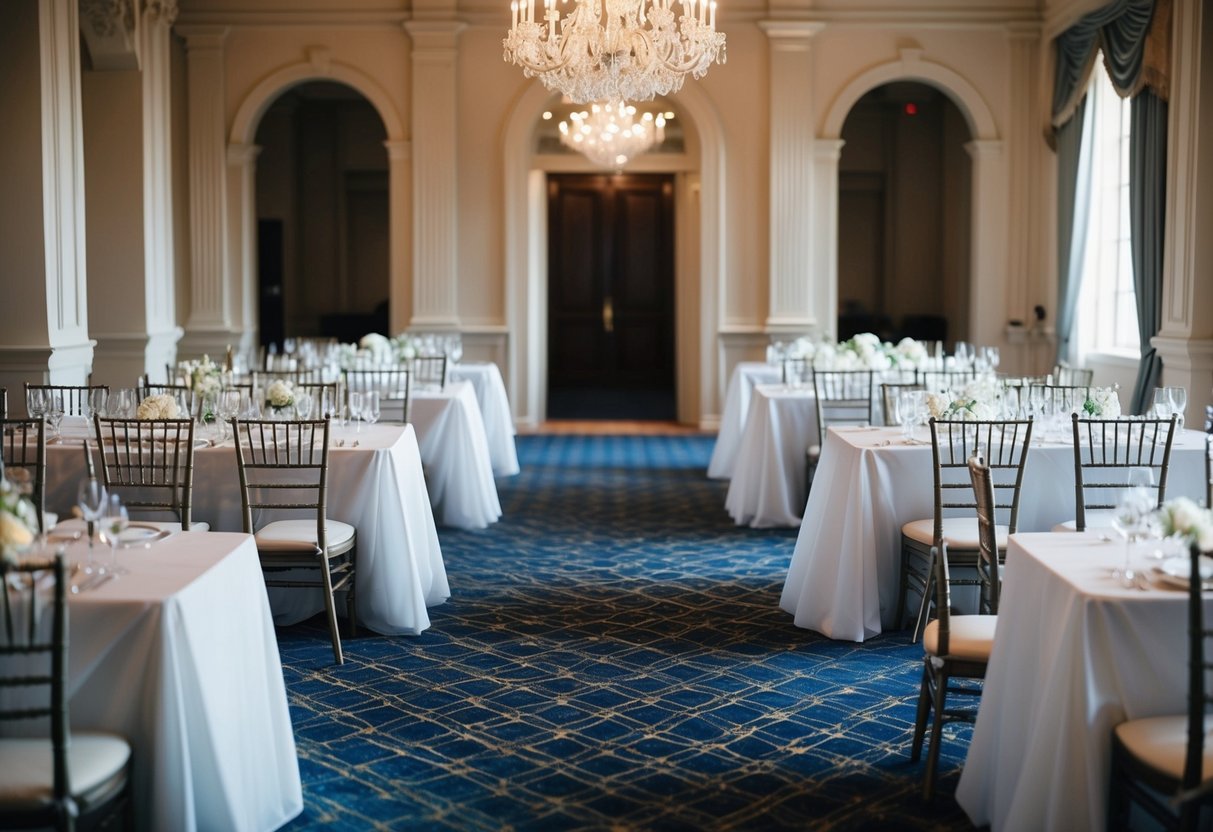
When planning your wedding, the size and location can greatly affect how many guests will attend. Understanding these factors can help you set realistic expectations for your special day.
The Correlation Between Wedding Size and Decline Rates
Generally, larger weddings tend to have a higher decline rate. Average weddings in America host about 120 guests. With a bigger guest list, you can expect about 17% to 20% of invites to go unanswered.
In smaller weddings, the decline rate is often lower. Invitees may feel a stronger obligation to attend if the guest list is intimate. For instance, if you host a wedding with only 50 guests, the likelihood of each person attending increases.
Keep in mind that the time of year also influences guest attendance. Busy seasons, like summer, may lead to more declines as people juggle multiple events.
The Effect of Wedding Location on Attendance
The wedding location plays a crucial role in guest attendance. If you choose a local venue, most guests are likely to attend. Local guests face fewer barriers like travel time and costs.
In contrast, destination weddings can see significant declines. Out-of-town guests have to consider travel expenses and time off work. This can make it difficult for some to join your celebration.
For example, a beach wedding might attract some guests but deter others who cannot travel. Always consider the location when planning your guest list and send invitations early to help with travel arrangements.
Effective Guest List Management Strategies

Managing your guest list effectively can help you anticipate the number of guests who will attend your wedding. By expecting some no-shows and using the right tools, you can create a more accurate guest count and enjoy a smoother planning process.
Anticipating and Adjusting for No-Shows
It’s common for guests to decline your invitation or not show up. You should plan for about 10% to 20% of invited guests to be no-shows.
To manage this, keep track of positive RSVPs and adjust your numbers accordingly. For instance, if you have a guest list of 100 and receive 85 confirmations, consider that around 15 might not attend.
By preparing for these possibilities, you can make informed decisions about seating and catering, ensuring everything runs smoothly.
Utilizing Guest List Management Tools
You can simplify your wedding planning by using guest list management tools. Numerous software options and apps are available to help you track RSVPs efficiently.
These tools often provide features like customizable templates, reminders for guests, and even a way to collect dietary preferences.
With an organized system, you can minimize confusion and keep everything in one place. This makes it easier to see your attendance rate and adjust seating arrangements, should any guests decline.
Investing some time in managing your guest list will help you create a more enjoyable experience for you and your wedding guests.