
How Many Guests Do Parents Get at a Wedding? Understanding Parental Invitations
As you plan your wedding, you may wonder how many guests your parents can invite. Typically, each set of parents gets to invite about a third of the total guest list. Understanding this can help you manage expectations and keep your guest list organized.
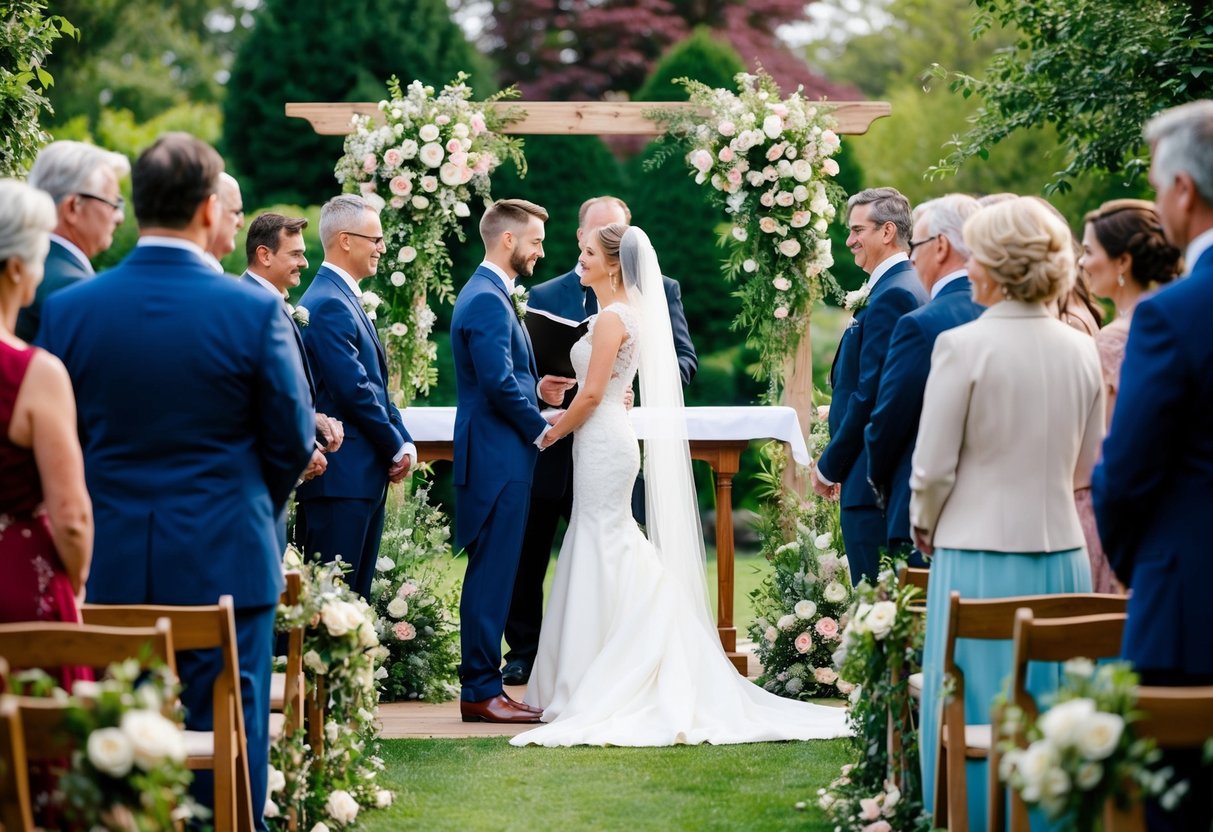
Navigating the guest list can be tricky, especially when each family has its own ideas about who should be included. Your parents may be eager to invite their friends and relatives, so it’s essential to set clear limits. This not only keeps the guest list manageable but also ensures that you and your fiancé have your own say in the people who matter most to you.
Knowing how to allocate guest spots helps create a smoother planning process. By thinking ahead about how many guests each family can invite, you can avoid misunderstandings and ensure everyone feels included.
Determining the Guest List Size
Choosing how many guests to invite to your wedding can feel overwhelming. Factors like venue capacity, budget, and the type of wedding you want will all impact your decision.
Understanding Venue Capacity
Your wedding venue is one of the first things to consider. Each venue has a specific capacity that limits the number of guests you can invite.
- Small weddings often host up to 50 guests.
- Medium weddings can fit around 50 to 150 guests.
- Large weddings usually accommodate over 150 guests.
Before making your guest list, confirm the venue’s capacity. This helps you avoid exceeding limits. If you’re dreaming of an intimate wedding, smaller venues often come with a cozy feel. If space allows, you might consider a bigger celebration later on.
Balancing the Budget
Your budget directly influences guest count. Costs can add up quickly, with each guest typically adding to the overall expense.
- Cost per guest includes food, drinks, and rentals.
- A small wedding may be easier to manage financially.
- Larger weddings require larger budgets to cover additional guests.
You need to decide how much you’ll spend per person. This can help you narrow down numbers. Set a budget for the entire event and allocate what you can afford per guest to get an idea of how many you can invite.
Deciding on the Type of Wedding
The style and feel of your wedding will guide your guest list. Are you leaning towards an intimate gathering or a big celebration?
- Intimate weddings often feature close family and friends.
- Big weddings might include extended family, colleagues, and acquaintances.
Think about who you want around for your special day. If you envision a big celebration, you might include people you haven’t seen in a while. For a smaller wedding, focus on those who matter most to you. This will help shape your final list significantly.
Parents and In-Laws’ Involvement

When planning your wedding guest list, parents and in-laws often have a significant role. It’s essential to navigate their involvement carefully to ensure everyone’s expectations are met while keeping the focus on your day.
Parental Contributions to the Guest List
Your parents and in-laws may want to invite their friends and family to celebrate with you. It’s common for them to have a say in the numbers, especially if they are contributing financially.
A typical approach is to give each set of parents a specific number of guests they can invite. For example, if your goal is a 120-person wedding, you might allocate 40 guests each to the bride’s and groom’s families. This allows you to maintain some control while respecting their desire to include loved ones.
Handling Plus-Ons and Family Expectations
Plus-ones can complicate things. Many parents might want to invite an extra guest for their friends or siblings. Be clear about your rules regarding plus-ones.
You might limit plus-ones to guests who are in serious relationships or living together. This keeps your guest list manageable. Communicate your preferences clearly to your parents, as it helps them understand where you draw the line. Open discussions can help ease any tensions around family expectations, making for a smoother planning process.
Negotiating Guest List Additions
Negotiation is often key to creating a guest list that satisfies everyone. Be open to hearing which guests are important to your parents. You’ll likely encounter requests for certain friends of the family that you might not know well.
Discuss the significance of certain guests and be ready to compromise. If your parents want a family friend, consider suggesting another guest they might not have thought of to fill the spot. Aim for a fair balance where both your desires and those of your families are respected, leading to a final guest list that brings joy to everyone involved.
Invitation and RSVP Management

Managing your wedding invitations and RSVPs is essential for creating a memorable event. You want to ensure everyone important to you is invited while keeping control over your guest list. Here are some key areas to focus on.
Crafting Wedding Invitations
When crafting your wedding invitations, clarity is vital. Make sure your invitations include the necessary information, like the date, time, and venue. Choose a design that reflects the theme of your wedding and matches your personal style.
Consider the wording carefully. Use formal language if appropriate, but feel free to add a personal touch. Don’t forget to include RSVP details, such as a deadline and how to respond. Clear instructions help parents and guests understand their role in the event.
Managing RSVPs and Follow-ups
Once invitations go out, managing RSVPs becomes crucial. Set a clear deadline for responses, typically 3-4 weeks before the wedding date. This allows you time to finalize numbers.
You may want to create a spreadsheet to track responses. Include columns for guest names, whether they plan to attend, and notes on any dietary restrictions or special requests. If you haven’t received replies, follow up with a friendly reminder. A simple text or email can help nudge guests to respond.
Utilizing B-List Strategies
A B-list strategy can help if your RSVPs exceed your venue’s capacity. Create a secondary list of guests you’d like to invite but might not invite initially due to space limitations.
Monitor your RSVPs carefully. If some guests decline their invitations, reach out to your B-list. Be sure to do this politely and promptly. Let them know you would be thrilled if they could attend. This ensures that you fill your guest list with those who will make your day even more special.