
How Many Guests Do Parents Get at Wedding? Insights on Family Guest Counts
Planning your wedding and figuring out how many guests your parents can invite might feel complicated. Family traditions and expectations often play a big role in who gets to be part of your special day.
Typically, each set of parents can invite about a quarter of the total guest count, while you and your partner decide on the rest.
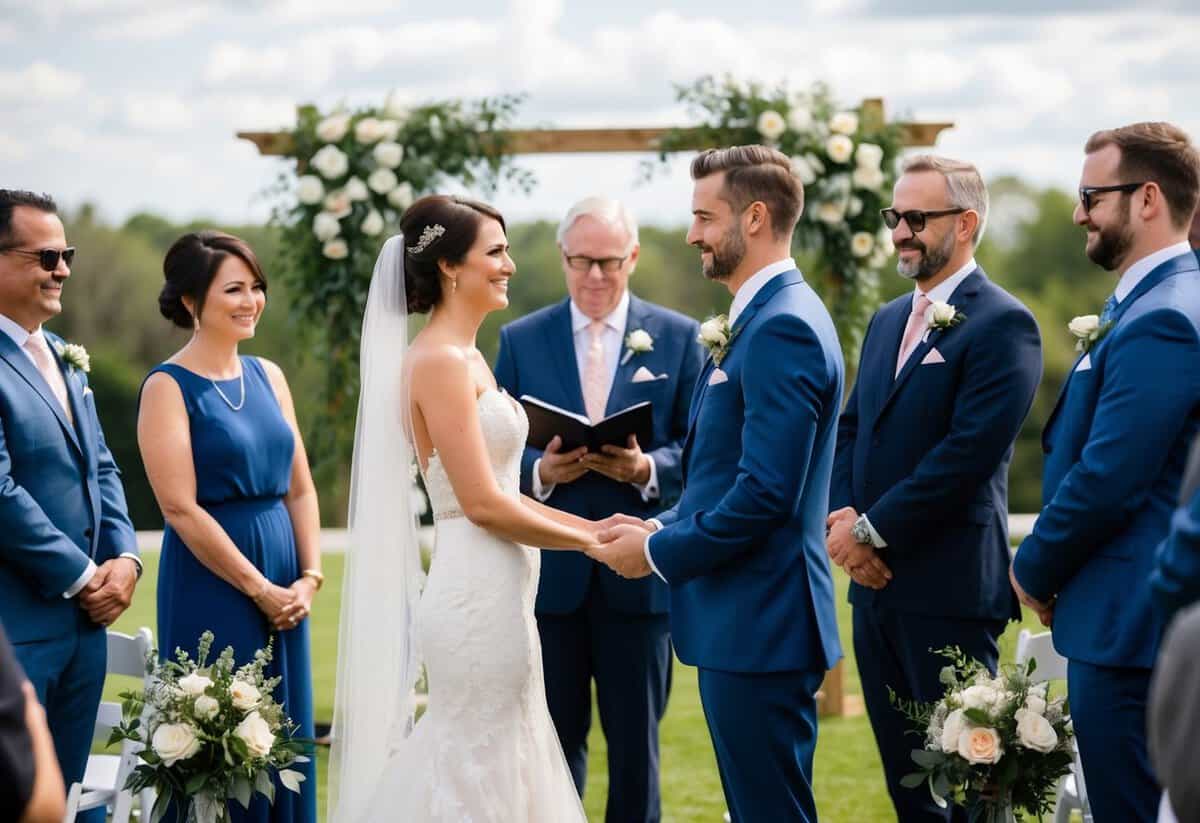
Finding the right balance for your wedding guest list can be tricky. It’s essential to talk with your parents early on about their expectations. This way, you can manage numbers while ensuring everyone feels included on your wedding day.
As you decide on your guest count, keep in mind that budget and venue capacity will also affect how many people can attend. Talking with your families can make blending all these wishes into a final guest list a smoother process.
Determining the Size of Your Wedding
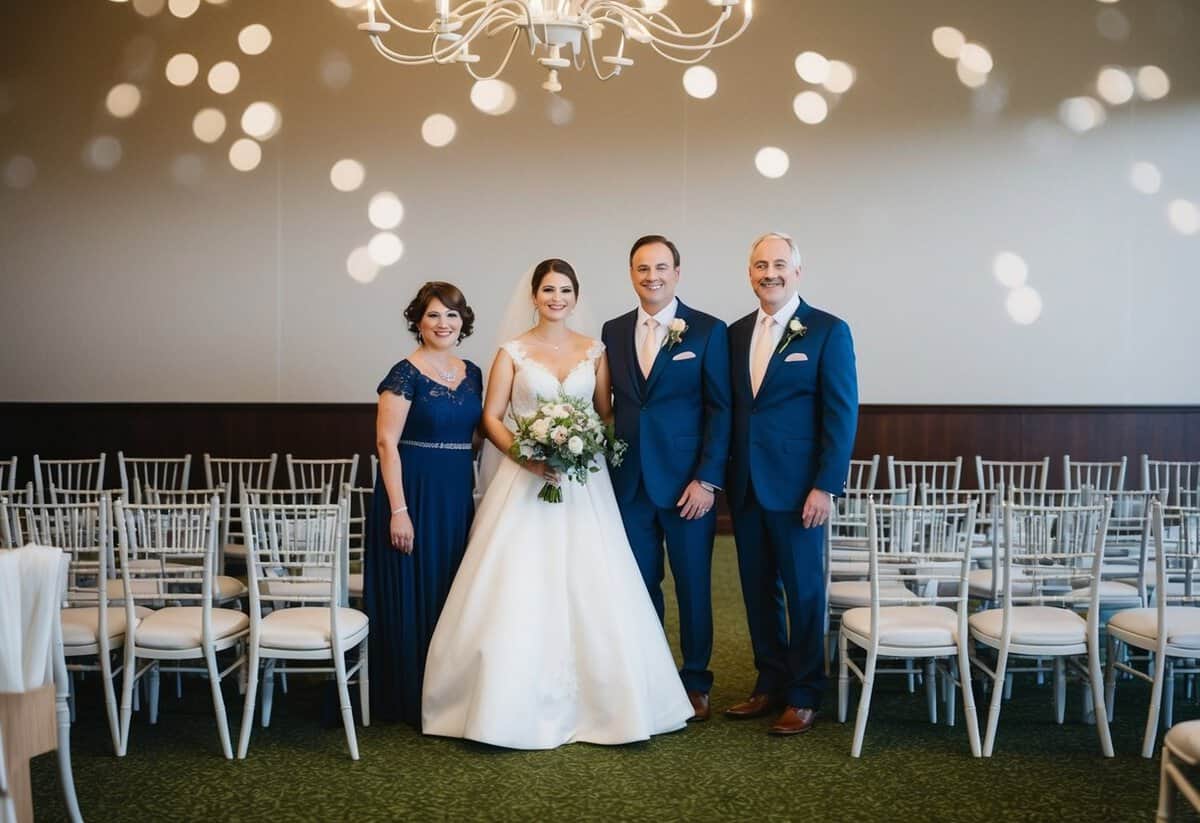
Choosing the right size for your wedding is a big decision that affects many aspects of your special day. You need to think about whether you want a small, intimate gathering or a larger celebration with many guests. Consider your budget and venue options to help you find the right fit.
Small Versus Big Wedding
A small wedding usually involves fewer than 50 guests. This can create a cozy atmosphere where you can spend quality time with each person.
On the other hand, a big wedding can have 100 or more guests, giving you a chance to include a wider circle of family and friends. This type of celebration often requires a larger venue, such as a banquet hall or outdoor space.
Budget Considerations
Your budget is a crucial factor in deciding the size of your wedding. A small wedding can often be less expensive, as it reduces costs for food, decorations, and venue rental. You may find that you can allocate more resources to quality elements, like a beautiful cake or photography.
In contrast, a big wedding means a larger budget. You must plan for more guests, which increases expenses significantly. Costs can quickly add up, so it’s important to outline your budget early on and stick to it. You might prioritize certain aspects based on what is most important to you.
Venue Capacity and Limitations
The venue you choose will also impact how many guests you can invite. Each venue has a maximum capacity, and it’s essential to confirm this before you make any decisions.
A smaller space may limit your guest list and create a more intimate setting. Conversely, larger venues can accommodate many people, but they often come with higher costs.
Consider whether the venue aligns with your wedding vision and how many guests you genuinely want to invite. This can help you make informed choices about your wedding size.
Creating a Guest List
When you start planning your wedding, creating a guest list is one of the most important tasks. It helps you stay organized and sets the stage for making happy memories with those who matter most.
Drafting the Initial List
Begin by jotting down names of family and close friends. Consider your parents’ input too, as they might have important guests in mind.
- Break it down: You can divide the list into categories: bride’s family, groom’s family, and friends.
- Average guests: The average wedding hosts around 100 to 150 guests, so keep this in mind while drafting.
As you compile this list, try not to worry too much about numbers initially. Just focus on including those who hold a special place in your hearts.
Guest List Debates and Etiquette
Discussions about the guest list can sometimes lead to debates, so it’s essential to handle this with care.
- Splitting guests: Traditionally, you can follow a rule where one-third are guests from the bride’s family, one-third from the groom’s, and the last third invited by the couple themselves. This method can help ease any potential conflicts.
Be mindful of etiquette when discussing guest options. Always be respectful of everyone’s feelings, especially when deciding who makes the cut.
RSVPs and Final Headcount
Once you have your list ready, sending out invitations and tracking RSVPs is next. Keep in mind that not every invitee will attend. In fact, many weddings have fewer than ten “no” responses.
- Tracking responses: Consider using a spreadsheet or app to manage RSVPs efficiently. This will make it easier for you to know how many guests to expect.
- Confirming numbers: Always follow up with guests who haven’t responded as your final headcount will impact seating arrangements and catering.
Staying organized here helps ensure a smooth event and allows you to focus on enjoying your special day, surrounded by loved ones.
Family Involvement and Expectations
Your family plays a big role in the wedding planning process. It’s important to understand how parents and in-laws contribute, both financially and emotionally. Setting clear expectations can help navigate this intimate celebration smoothly.
Role of Parents and In-Laws
Both sets of parents and in-laws can have different expectations when it comes to the wedding guest list. Their involvement often starts with discussions about who they want to invite.
You might find that your parents want to include old friends or relatives from your childhood. In contrast, your in-laws may also wish to invite their close friends. Having conversations about these desires early can help prevent misunderstandings later on.
Remember, family dynamics can be complicated. Encouraging open dialogue can pave the way for a more enjoyable planning experience.
Traditional Financial Contributions
Traditionally, the bride’s family often covers the wedding expenses, while the groom’s family might pay for the rehearsal dinner. Knowing these roles can shape expectations regarding guest lists.
If your parents are paying for the majority of the wedding, they may want a larger say in the guest list. For example, they might expect to invite a certain number of friends to share in this celebration.
It’s helpful to discuss these traditional roles so everyone knows where they stand. This can lead to a more enjoyable planning process and a clearer understanding of each family’s contributions.
Communicating Numbers and Compromise
When it comes to guest lists, communication is key. Be honest with your parents and in-laws about how many guests you would like.
If your family’s budget allows for 200 guests, suggest a breakdown. For instance, you could allocate half to yourselves. Then, each set of parents could have a quarter. This approach can help ensure that each family feels valued.
Compromise and tact will go a long way in these discussions. Emphasize that you want a wedding that reflects both families while also sticking to the numbers you set.