
How Many Guests Do Parents Get at Wedding? Exploring Traditional Roles and Expectations
When planning your wedding, the guest list is one of the most important aspects to consider. Typically, the couple gets about half of the total guest list, while each set of parents is given a quarter of the total number of guests. This division helps keep everyone happy and allows for a blend of family and friends that supports your special day.
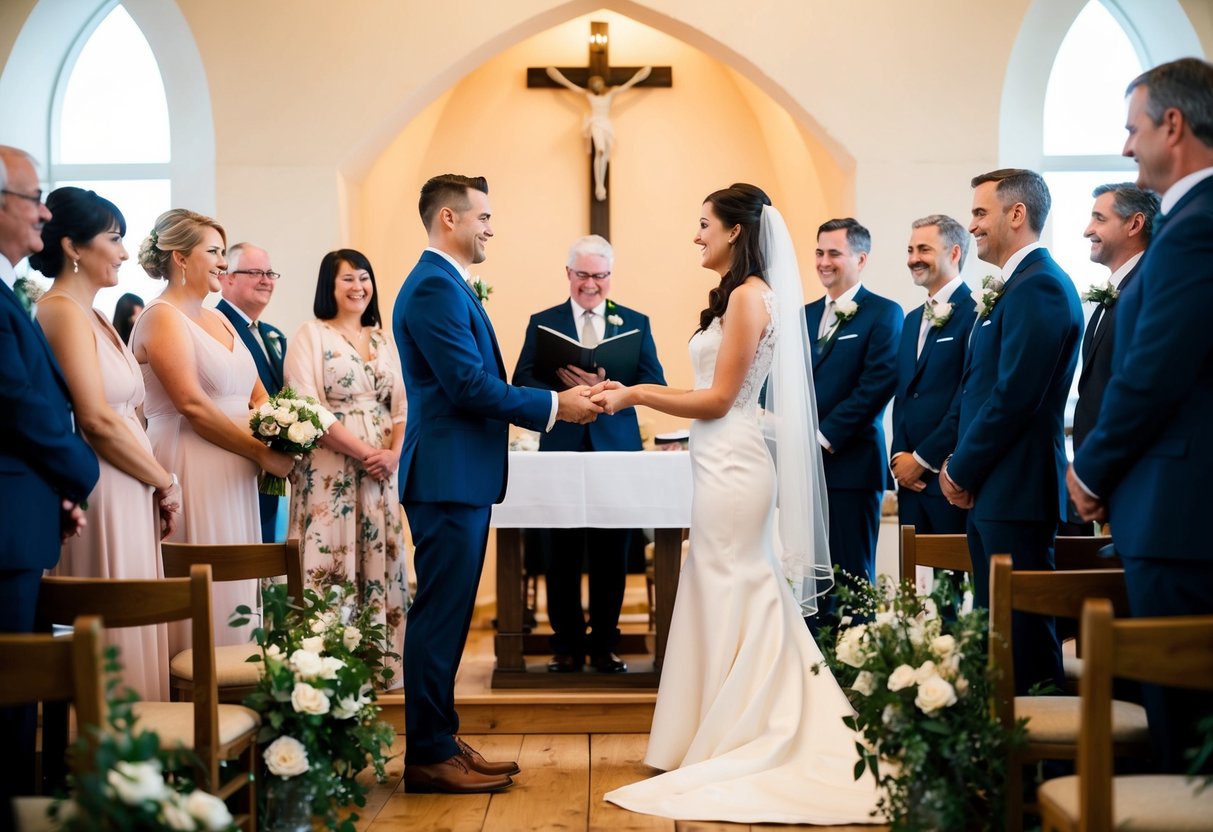
Creating a memorable celebration involves thoughtful planning and communication between you and your parents. As you discuss your vision for the event, it’s essential to set boundaries about the number of guests each side can invite. This way, you can ensure that everyone feels included while staying true to your budget and venue capacity.
Ultimately, sharing the guest list can lead to making happy memories for both families. By tracking how many guests each side can invite, you can focus on building connections and cherishing the moments that matter most on your big day.
Determining Your Wedding Size
Choosing the right size for your wedding is crucial. It affects everything from your budget to the venue. Here’s a look at different wedding sizes to help you decide what works best for you.
Small Wedding Essentials
A small wedding is often defined as one with 50 guests or fewer. This size can create an intimate and cozy atmosphere. You’ll have the chance to spend quality time with each guest, which can make your day feel even more special.
Planning a small wedding often means lower costs. You can save on food and venue expenses. The average number of guests at these weddings makes them perfect for tight-knit families or close friends. Plus, a smaller guest list allows for more personal touches, like custom favors or a unique dining experience.
Embracing a Medium-Sized Wedding
Medium-sized weddings generally host between 50 to 150 guests. This size allows you to include both families and a wider circle of friends. It’s the perfect balance between intimacy and celebration.
With this guest count, you can have many options for venues. You can choose a charming hall or a beautiful outdoor space. You’re likely to need a more structured plan for seating and catering. The average number of guests gives you room to get creative while still enjoying some personal touches.
The Dynamics of a Large Wedding
A large wedding involves over 150 guests, often reaching 300 or more. This size allows for a big celebration filled with energy and excitement. You’ll likely have a more extravagant venue and a larger catering budget.
One of the dynamics of a large wedding is the diversity of guests. You’ll have family, friends, colleagues, and acquaintances all together. This can amplify the joy but also makes personal interactions more challenging.
When planning a large wedding, think about how to manage the logistics. Consider how you will handle seating arrangements and catering. A larger guest list can impact your wedding day experience, so having a solid plan will keep the event running smoothly.
Budgeting for Your Big Day
Planning your wedding is exciting, and budgeting plays a crucial role in making it a reality. By allocating funds wisely and understanding the factors that affect your expenses, you can create a memorable day without overspending.
Allocating Funds Wisely
Begin by setting a clear wedding budget. Decide how much you can spend overall and divide it among key areas, such as the venue, catering, and decorations.
A typical breakdown might look like this:
- Venue: 30%
- Catering: 25%
- Photography: 15%
- Attire: 10%
- Entertainment: 10%
- Miscellaneous: 10%
When thinking about the guest list, remember that your guest count directly impacts costs. Each guest adds to catering and seating expenses. So, keep track of whom you invite and adjust your budget accordingly. Prioritize spending on what matters most to you.
Factors Affecting Your Wedding Budget
Several factors can influence your wedding budget. Venue capacity is one of the main considerations. Larger venues usually come with higher costs, especially if you’re inviting many guests.
Other factors include:
- Season: Weddings in peak seasons often cost more.
- Day of the week: Saturdays are the most popular and typically more expensive.
- Guest count: More guests increase food and drink costs significantly.
Adjusting your expectations based on these factors can help keep your budget in check. Always keep communication open with your families about costs and guest lists to avoid any misunderstandings.
Crafting the Guest List
Creating your wedding guest list is an important part of wedding planning. Knowing how to involve parents and in-laws, while balancing guest list etiquette, can make the process smoother.
Involving Parents and In-Laws
Your parents and in-laws often want to be included in the guest list decisions. It can be helpful to sit down with them early in the planning process. Discuss how many guests each side would like to invite.
One common approach is to divide the guest list into thirds:
- Bride’s parents: 1/3 of total guests
- Groom’s parents: 1/3 of total guests
- Couple’s friends and family: 1/3 of total guests
Make sure to prioritize your preferences first. If you have a wedding count of 150 guests, you might invite 50 from each family and fill the remaining 50 with your friends. This balance keeps everyone involved and relaxed.
Guest List Debates and Etiquette
Guest list debates can arise, especially if parents want to invite people you may not. Set clear rules about who should be included and stick to them.
It’s important to remember some guest list etiquette, such as:
- No uninvited plus-ones: This can reduce unwanted guests.
- Limit guests to close friends and family: This keeps the list focused.
Be open about budgets too. If your parents are contributing, their opinions may carry weight. Try to listen and understand their views. A good way to handle disputes is to have a set number of guests each side can invite, helping to prevent lengthy back-and-forth discussions.
Managing Invitations and RSVPs
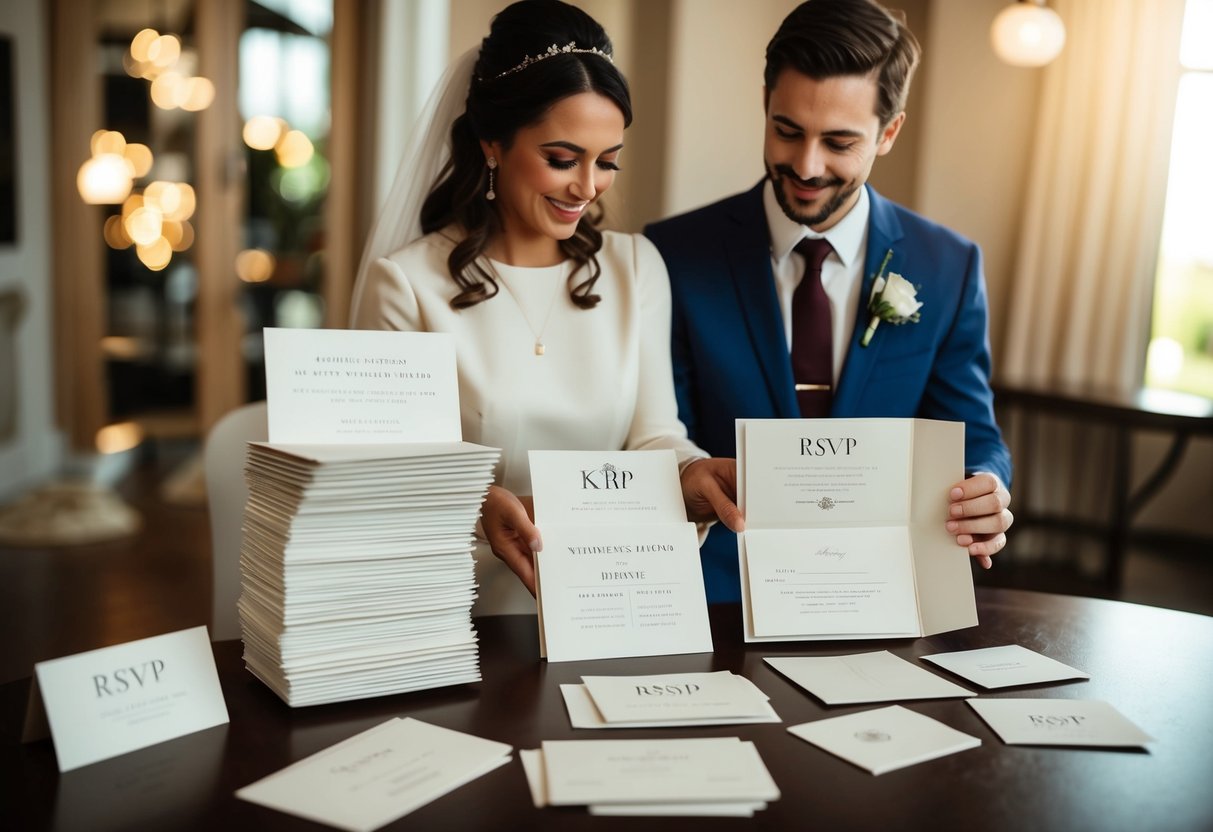
When planning your wedding, managing invitations and RSVPs is key. It’s important to navigate the delicate balance of guest lists with your parents while ensuring your vision for the day shines through.
The Art of Wedding Invitations
Creating your wedding invitations is an exciting task. Start by deciding on a style that matches your theme, whether it’s a formal gathering or a casual celebration. Ensure you include essential details like the date, venue, and time.
You should also communicate clearly with your parents about their guest list. Establish guidelines for how many guests each side can invite. This will help avoid misunderstandings and keep everything organized.
For couples planning a larger celebration, you might want to incorporate a “Plus One” option for each guest. With intimate celebrations, it’s often best to keep the invitation list smaller. This can foster a cozy atmosphere.
Handling RSVPs and Last-Minute Changes
Managing RSVPs can feel overwhelming, but it helps keep your guest count accurate. Include a clearly marked RSVP card with each invitation, letting guests know how to respond. You might add a deadline to ensure timely responses.
Expect some guests not to respond at all, so plan for that. Experts suggest that typically 75-85% of invited guests will attend, with local guests more likely to show up.
For last-minute changes, have a plan in place. If someone cannot attend, you may need to fill their spot quickly. Keep your parents in the loop about any adjustments, especially if it impacts their invited guests or the rehearsal dinner.