
How Many Guests Do You Need for a Wedding? A Guide to Finding the Perfect Size for Your Celebration
Planning your wedding is an exciting journey filled with joy and love. One of the key questions you may face during this process is how many guests you need for your special day. A good rule of thumb is to expect about 75-85% of those you invite to actually attend. This percentage can help guide your decisions about the guest list and other wedding details.
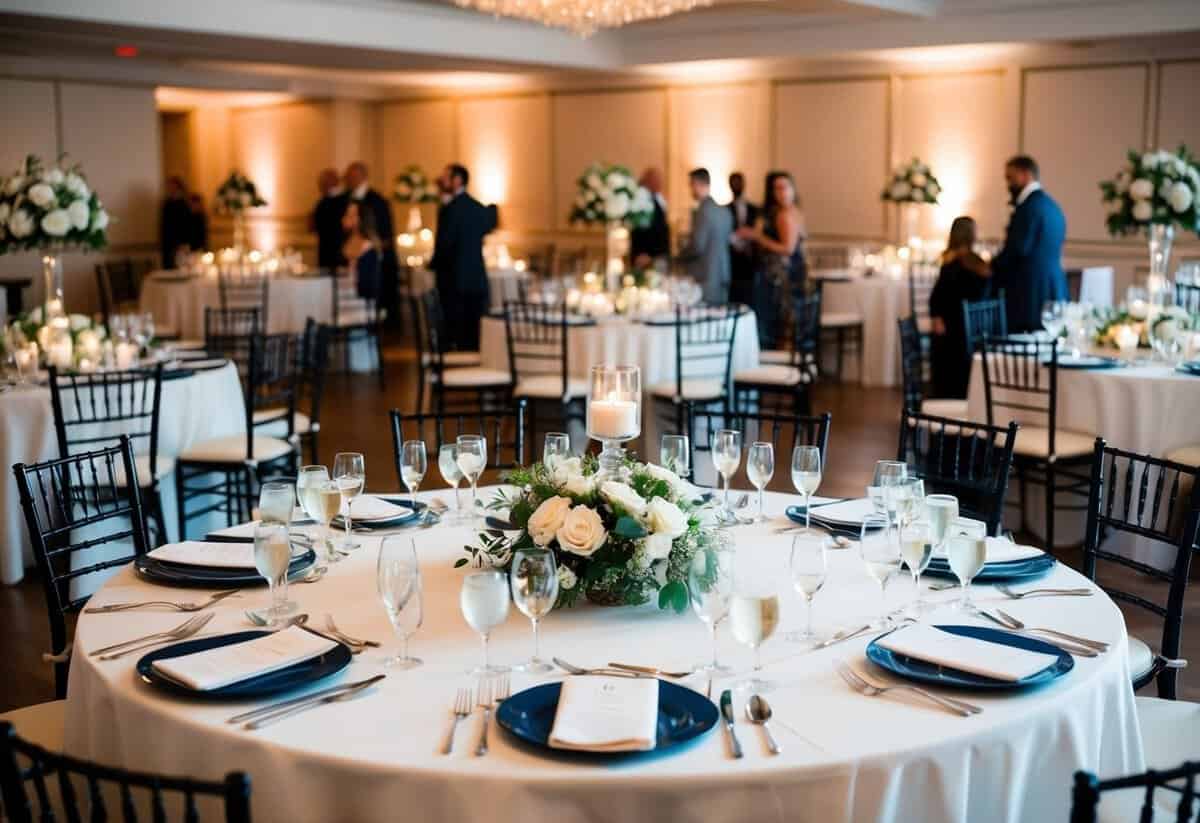
Your relationship is unique, and so is your wedding. Whether you’re dreaming of a small and intimate gathering or a larger celebration, knowing how many guests to invite will shape your day.
Factors like location, venue size, and budget can all affect your final number, making thoughtful planning essential.
As you dive into wedding planning, remember that the goal is to celebrate your love with the people who matter most to you. Balancing your vision with a realistic guest count will help ensure your wedding day is as joyful and memorable as you’ve always hoped.
Determining Your Guest Count
Choosing how many guests to invite to your wedding is crucial. It affects your budget, venue choice, and overall experience.
Let’s break down the key factors you need to consider as you determine your guest count.
Understanding Venue Capacity and Budget
Start by checking your venue capacity. Each location has a maximum limit, which will guide how many people you can invite. Some venues have strict rules, while others may be more flexible.
Next, consider your wedding budget. Your guest count directly influences food, seating, and decoration costs. Each guest adds to your expenses, so it’s important to balance your dream day with financial practicality.
Estimating Guests for Different Wedding Sizes
Think about the type of wedding you envision. If you’re planning a large wedding, you might invite extended family, friends, and colleagues. These events often have 100 or more guests. A popular average for larger weddings is around 150 guests.
For a smaller gathering, like a micro wedding, the count might be between 20 to 50 guests. This intimate setting allows you to connect more deeply with each person there, making for a meaningful celebration. Knowing what size fits your style helps narrow down your list.
Involving Family and Significant Others in the Decision
Including family members in this process can be helpful. Discuss who they feel should be invited, especially when it comes to immediate family. They might have suggestions you hadn’t considered.
Involving your partner is also key. Talk about the people who matter most to each of you to create a balanced invite list. This teamwork ensures both of your preferences are honored, leading to a guest list that reflects your lives together.
The Role of Kids and Plus-Ones
Deciding whether to include children can impact your guest count. Some couples choose to invite only adults, creating a more sophisticated environment, while others prefer a family-friendly atmosphere. If you decide to invite kids, consider how many will attend.
Plus-ones are another important factor. Many guests will expect to bring a date, especially if they are single. If you estimate that about 30% of your guests will bring someone, factor that into your total count. This can significantly adjust your budget and venue needs, so plan accordingly.
Crafting the Guest List
Creating your wedding guest list can be a rewarding yet challenging task. You need to balance friends, family, coworkers, and acquaintances while keeping relationships and etiquette in mind.
Balancing Friends, Family, and Others
Start by listing all potential guests. Include close friends, family members, and those who have played a significant role in your life. Differentiate between those you must invite and those you’d like to include.
Categories to Consider:
- Immediate Family: Parents and siblings.
- Close Friends: Best friends and those who know you well.
- Distant Relatives: Aunts, uncles, and cousins, especially if you see them often.
You might feel pressured to invite everyone, but keep your budget and venue capacity in mind. You should ensure that your guest list reflects your personal relationships rather than obligation.
Navigating Plus-One Etiquette
Deciding on plus-ones can be tricky. Generally, offer a plus-one to anyone in a serious relationship or those who might feel uncomfortable attending solo. This makes the event more enjoyable for everyone.
Considerations for Plus-Ones:
- Serious Relationships: Couples living together or engaged.
- Friends or Guests: If they’re part of your close circle, consider their comfort.
- Work Friends: If they have a long-standing friendship with you, think about including them.
Clear guidelines help avoid confusion, so communicate your decisions openly. This helps without overwhelming you or your guests.
Deciding on Coworkers and Acquaintances
When considering coworkers and acquaintances, think about your work relationships. If you frequently socialize outside of work, they might be deserving of an invite.
Guidelines for Work Friends:
- Close Work Friends: Invite those who know you well.
- Casual Coworkers: It’s often polite to keep a smaller circle.
Avoid awkward situations and workplace drama. You want to celebrate with those who genuinely support you, so focus on who truly matters to your journey together.
Managing Expectations and Relationships
Your guest list may come with expectations from family or friends. Navigating these can be sensitive, so be honest yet respectful in conversations about your guest list.
Tips for Managing Relationships:
- Family Expectations: Some family members may expect to invite distant relatives. If possible, explain your preferences kindly.
- Drama-Free Approach: Understand that you can’t please everyone. Stick to your plan and priorities.
The Invitation Process
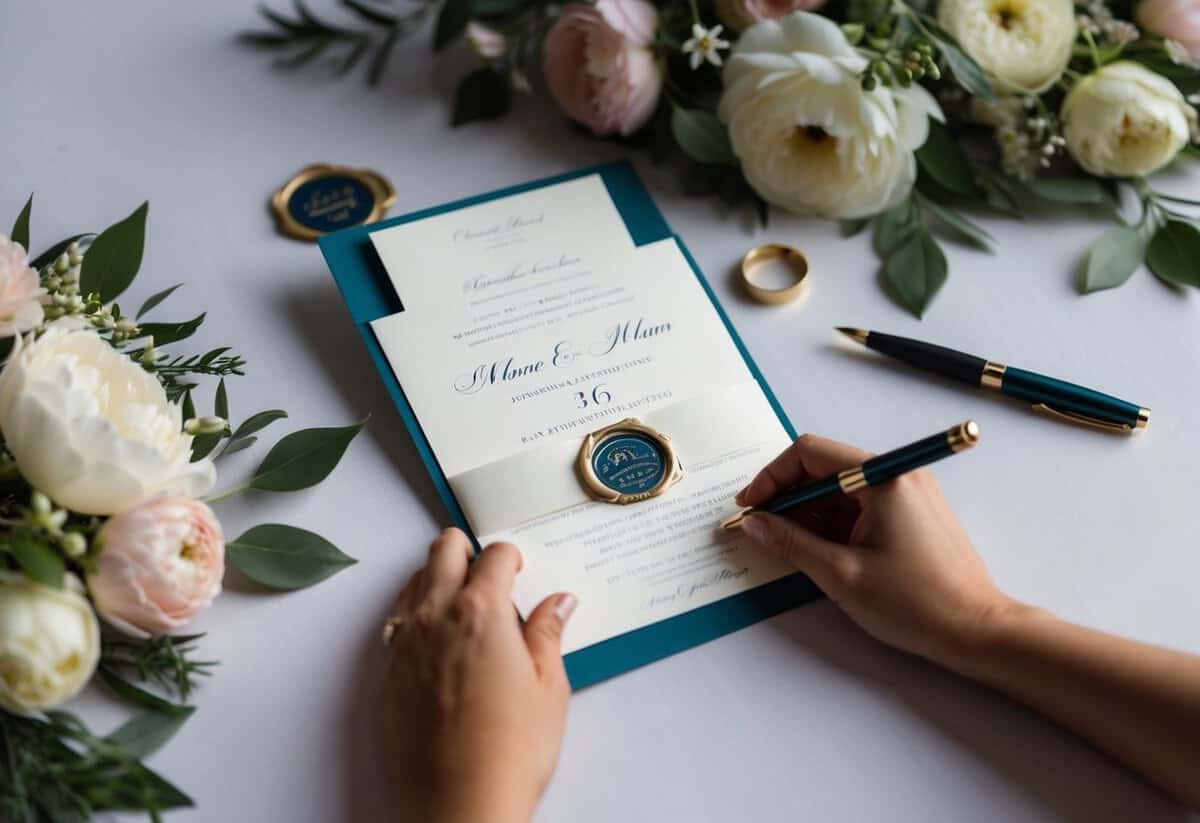
Getting your wedding invitations right is key to ensuring a smooth celebration. This involves designing and sending out invitations, managing RSVPs, setting expectations, and coordinating with your vendors. Each part of this process helps you get everything in order for your big day.
Designing and Sending Wedding Invitations
Start by choosing a design that reflects your wedding theme. You can go for formal, casual, or even whimsical styles. Don’t forget to include essential information like the date, time, venue, and dress code. Adding a link to your wedding website can also help guests find additional details.
Sending out Save the Dates is a good idea if your wedding is during a busy season. This gives your guests a heads-up. Aim to send invitations about 6-8 weeks before the wedding. Make sure each envelope has the correct name and address for every invited guest.
Managing RSVPs and B-List Invites
To keep track of who is attending, include an RSVP card with your invitations. This will help you gauge the number of guests and finalize your wedding guest list. Setting a deadline for RSVPs ensures you have enough time to plan.
Sometimes, invited guests may not respond or be unable to attend. This is where the B-list comes into play. Create a secondary list of people you’d like to invite if space allows. Once you have a clear count from your A-list, you can reach out to B-list guests.
Setting Expectations for Attendees
When guests receive your invitation, make sure they understand what to expect. Include information about the venue, any dress code, and whether the celebration is formal or casual.
Let them know if accommodations are available nearby and if they should expect a full meal or a light reception. This clarity can help with travel arrangements and overall excitement for your big day.
Coordinating with Vendors for Final Counts
Once you have your RSVPs, it’s time to coordinate with your vendors. They will need the final guest count for catering, seating, and other logistics.
Be sure to reach out to your wedding venue, caterer, and any other service providers. Keep them updated on any changes, especially if you add guests from your B-list. Good communication with your vendors ensures that everything flows smoothly on your wedding day.
Personalizing Your Wedding
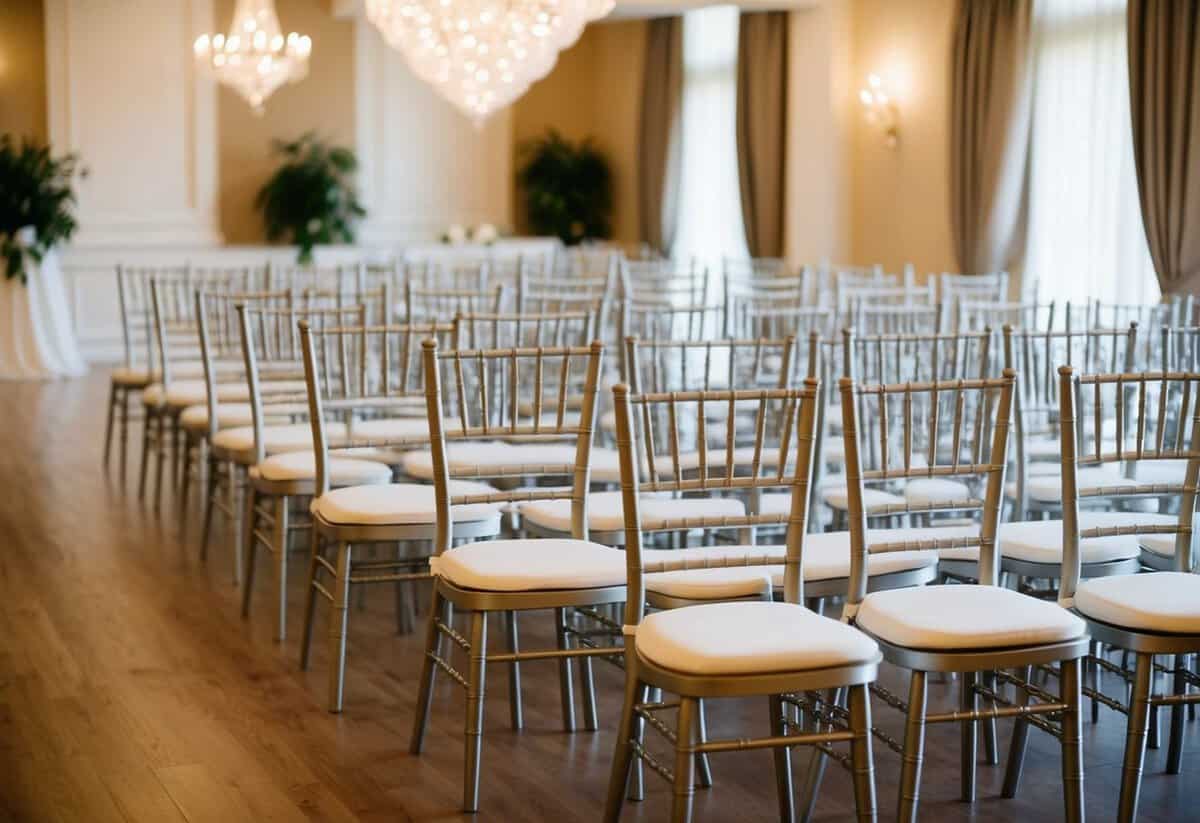
Personalizing your wedding can make the event unique and special. By focusing on elements like your theme, venue, and ceremony details, you can create a celebration that truly reflects your relationship and style.
Choosing a Theme and Venue to Reflect Your Style
Selecting a theme sets the tone for your wedding day. Think about what represents you as a couple. Whether it’s rustic, elegant, or a beach vibe, choose elements that matter to you.
The venue plays a crucial role too. For a small wedding, consider cozy locations like a garden or a family home. For larger weddings, ballrooms or outdoor spaces can accommodate more guests.
Work closely with your wedding planner to find a venue that complements your theme. This collaboration can help make your vision a reality, ensuring every detail aligns with your style.
Including Unique Elements for a Memorable Ceremony
Your ceremony is a chance to express your love and commitment in personal ways.
Consider writing your own vows, which can add a heartfelt touch. This allows you to share your feelings directly with your partner and your wedding guests.
Think about incorporating traditions that resonate with you, such as unity ceremonies that symbolize your joining together. You might also include family members in special roles, making the ceremony a true family affair.
Don’t forget meaningful music that reflects your journey together. This can enhance the experience for everyone attending and create lasting memories.
Creating an Intimate Reception Experience
For your reception, focus on creating an atmosphere where guests feel comfortable and engaged.
Arrange seating so friends and family are close. This promotes conversation and connection.
Consider activities that reflect your shared interests, like games or photo booths. These can add a fun element and encourage guests to interact.
If you’re planning a destination wedding, look at local cuisine for your menu. This adds a unique flavor to your celebration.
Lastly, think about your wedding favors. Giving guests something personal can make your day memorable.
Choose items that represent your relationship or the location of your wedding to create a lasting impression.