
How Many Guests Don’t Come to a Wedding? Understanding RSVP Trends and Expectations
When planning your wedding, you might wonder how many guests actually show up. It can be tricky to guess, but a good rule of thumb is that around 20% of invited guests typically decline the invitation. This number can vary depending on factors like the wedding’s location, the timing, and even the type of event you’re hosting.
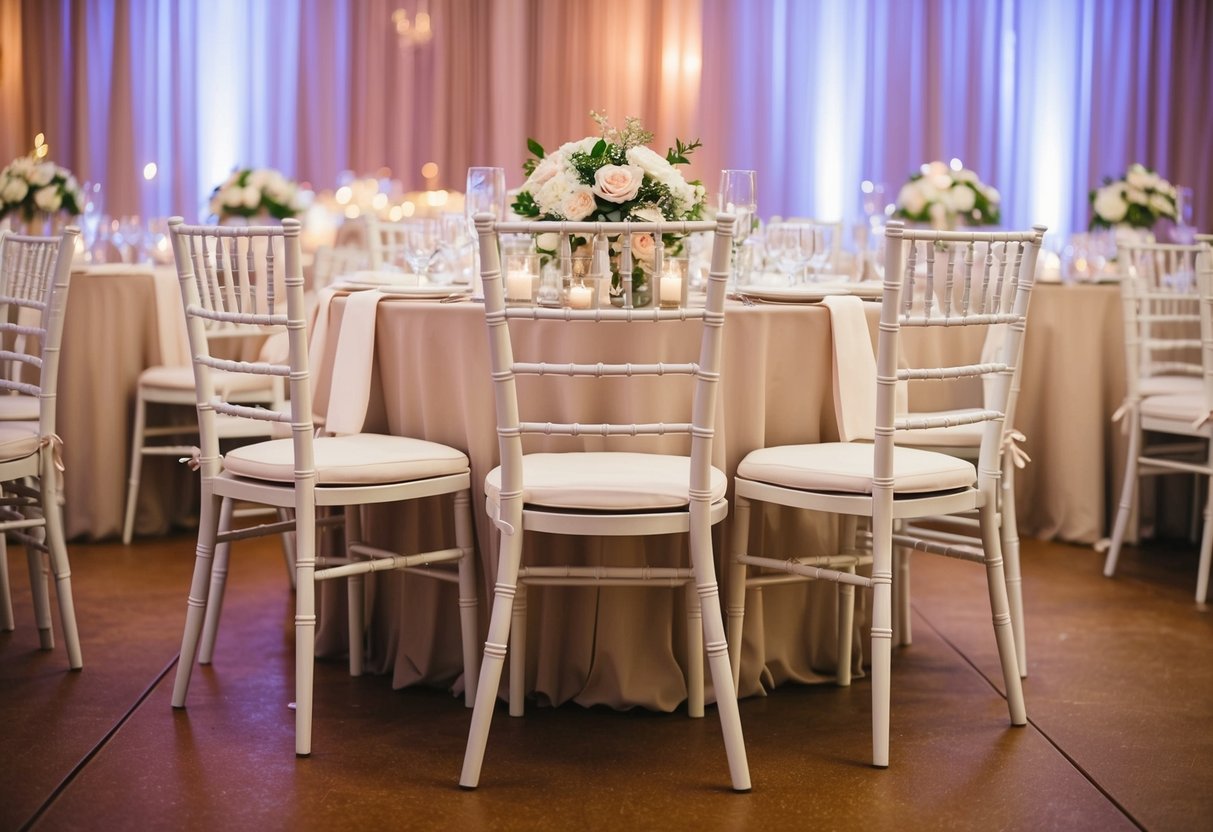
Understanding this percentage will help you create a more realistic guest list and budget. If you’re hoping for 100 guests, planning for about 80 attendees can ease some stress. Remember, a clear guest list and sending out save-the-dates can also encourage more of your friends and family to attend.
As you plan your special day, consider these factors to manage expectations and ensure you have the celebration you’ve always dreamed of. Knowing how many guests might not make it lets you focus more on enjoying the journey of wedding planning.
Understanding RSVP and Guest Attendance
RSVPs play a vital role in planning a wedding, helping you estimate how many guests will attend. However, several factors can influence whether those guests show up or end up as no-shows.
The Role of RSVP in Weddings
When you send out wedding invitations, including a clear RSVP request is essential. An RSVP allows you to gather responses from your guests, indicating whether they plan to attend.
Typically, you might see options like “RSVP yes” or “RSVP no.” This helps you understand how many people to expect, making it easier to plan seating, food, and other logistics.
Keep in mind that some guests may respond but later not attend due to unforeseen circumstances. This can lead to about 10% to 20% of those who RSVP yes ultimately not showing up.
Using save-the-dates can also help increase your RSVP responses by giving guests a heads-up, allowing them to make plans early.
Factors Influencing Guest Attendance
Several key factors can influence whether your guests will attend. First, consider their location. Local guests typically have higher attendance rates, whereas out-of-town or destination wedding guests may have more challenges in joining.
The season of your wedding can also play a role. For example, summer weddings may attract more guests than those planned during holidays or winter months. Personal situations like family commitments, travel costs, or even health issues can factor into attendance.
Lastly, proper communication is crucial. Reminding guests to RSVP and providing updates can help minimize no-shows. By staying engaged, you can enhance your chances of a packed celebration.
Crafting the Perfect Wedding Guest List
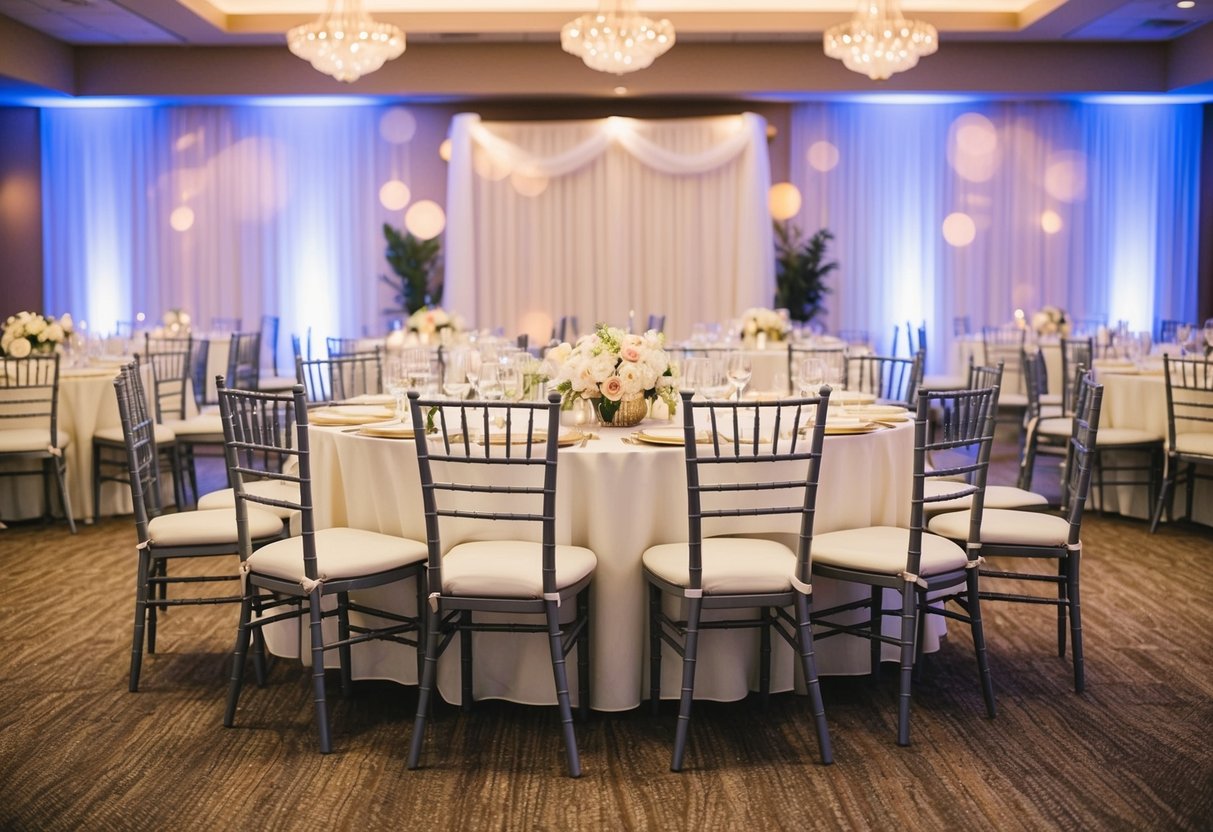
Creating the ideal wedding guest list involves careful consideration of several factors. Knowing how to balance the number of guests, their locations, and your wedding venue is key. Here’s how you can approach this important task.
Determining the Size of Your Wedding
Start by deciding the size of your wedding. This can be influenced by your budget, venue capacity, and personal preference.
For context:
- Small Wedding: 20-50 guests
- Medium Wedding: 50-150 guests
- Large Wedding: 150+ guests
Think about what fits your vision. A small, intimate gathering allows for deeper connections, while a large celebration might create a lively atmosphere. The typical average wedding size in recent years has hovered around 117 guests. This can serve as a benchmark for your planning.
Balancing Local and Out-of-Town Guests
Consider the mix of local and out-of-town guests. Local guests are generally easier to invite and can help balance the costs associated with a large party. Make sure you invite friends and family close to home.
Out-of-town guests may require accommodation and travel arrangements. If you’re planning a destination wedding, be clear about this in your invitations. It’s often appreciated when you provide helpful information about nearby hotels and transportation.
Think about how to make attending easier for everyone. You might extend your guest list to include more of your circle, or focus on close relationships.
The Impact of Wedding Location
The wedding location plays a significant role in your guest list. Certain venues may have strict capacity limits, which can dictate how many guests you can comfortably invite.
In Texas, for example, venues can range from small chapels to large banquet halls. Be sure to choose a venue that fits your desired number of guests. If you choose a location that is far from where most of your guests live, it might reduce attendance.
If your wedding is important to many, consider sending out “save the dates” early. This helps potential attendees plan and encourages a good turnout. Remember, clear communication about location will help guests feel included.
Budgeting for Your Wedding Guests
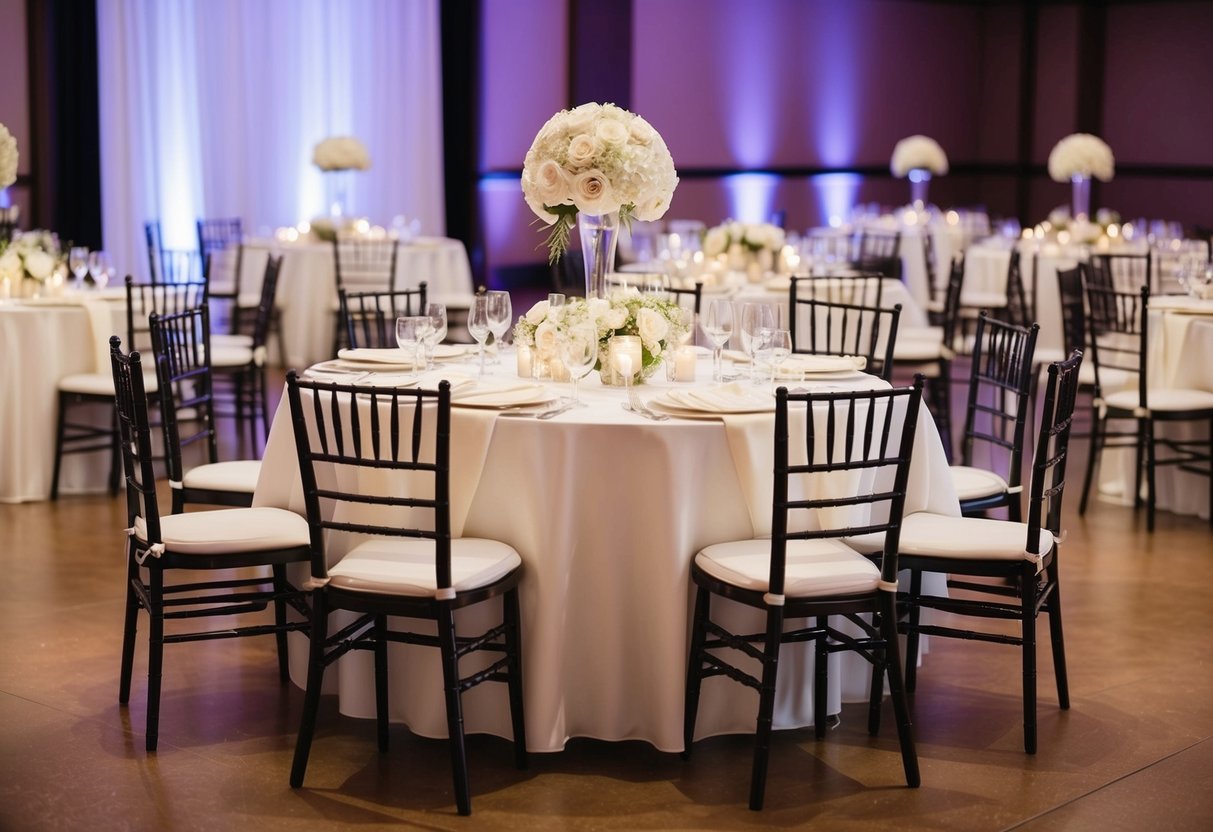
When planning your wedding, understanding how many guests will attend is crucial for budgeting. Each guest adds to your overall costs, so it’s essential to consider different guest list sizes and how they affect your budget.
The Cost Implications of Guest List Size
The size of your guest list directly impacts your wedding budget. For instance, each guest can increase costs related to food, drinks, and seating.
- Food and Drink: A sit-down dinner may cost you $50–$150 per person. For 100 guests, that’s $5,000 to $15,000 just for the meal.
- Seating and Rentals: More guests mean more chairs and tables. Renting these can add hundreds to your total costs.
- Favors and Gifts: Don’t forget about wedding favors. The more people you invite, the higher this cost becomes.
Consider your budget when deciding how many guests to invite. If you aim for a smaller wedding, these costs may be significantly reduced.
Allocating Budget for Different Wedding Sizes
Determining your guest list size helps you spread your wedding budget wisely.
-
Small Weddings: Limit your list to your closest friends and family. This can save money for other things, like your venue or decorations. The cost per head is lower with fewer people.
-
Large Weddings: If you decide on a big wedding, allocate a larger part of your budget for catering and venue space. Remember, big weddings mean more expenses.
-
Destination Weddings: These often attract fewer guests due to travel costs. This can work in your favor by reducing overall costs while still enjoying a beautiful location.
Effectively Communicating with Your Guests

Clear communication with your guests is key to ensuring they understand your wedding plans and expectations. This will help in managing your guest count and reducing the chances of no-shows.
Invitation and Save-The-Date Strategies
When sending out invitations and save-the-dates, it’s important to be clear about your plans. Make sure to include important details like the date, venue, and any special instructions.
Using digital invitations can be efficient and ensure guests receive your message quickly. Consider creating a guest list that includes close friends and family members. You can divide your list into priority groups, like List A for must-invite guests and List B for those you’d like to invite if space allows.
Encourage guests to RSVP promptly so you can manage the wedding guest count effectively. This allows you to gauge how many people plan to attend, making it easier to plan catering and seating arrangements.
Managing Expectations and Follow-Ups
Managing expectations can reduce confusion about who is invited and whether plus ones are allowed. Clearly state your policy on extra guests in your invites.
For example, saying “We hope to celebrate with our closest friends and family” sets a tone for intimacy.
If you don’t receive RSVPs by the due date, follow up with guests to confirm their attendance. A friendly reminder via text or email can help.
Aim to get a final count at least three weeks before the wedding. This ensures all arrangements are accurate.
By actively managing your guest list and communicating effectively, you can minimize the number of last-minute surprises on your wedding day.