
How Many Guests for a Wedding? Tips for Your Perfect Celebration
Deciding how many guests to invite to your wedding can feel overwhelming. In general, a small wedding includes up to 50 people, a medium wedding has between 50 and 150 guests, and a large wedding has over 150 attendees. Finding the right number will help you create the perfect atmosphere for your special day.
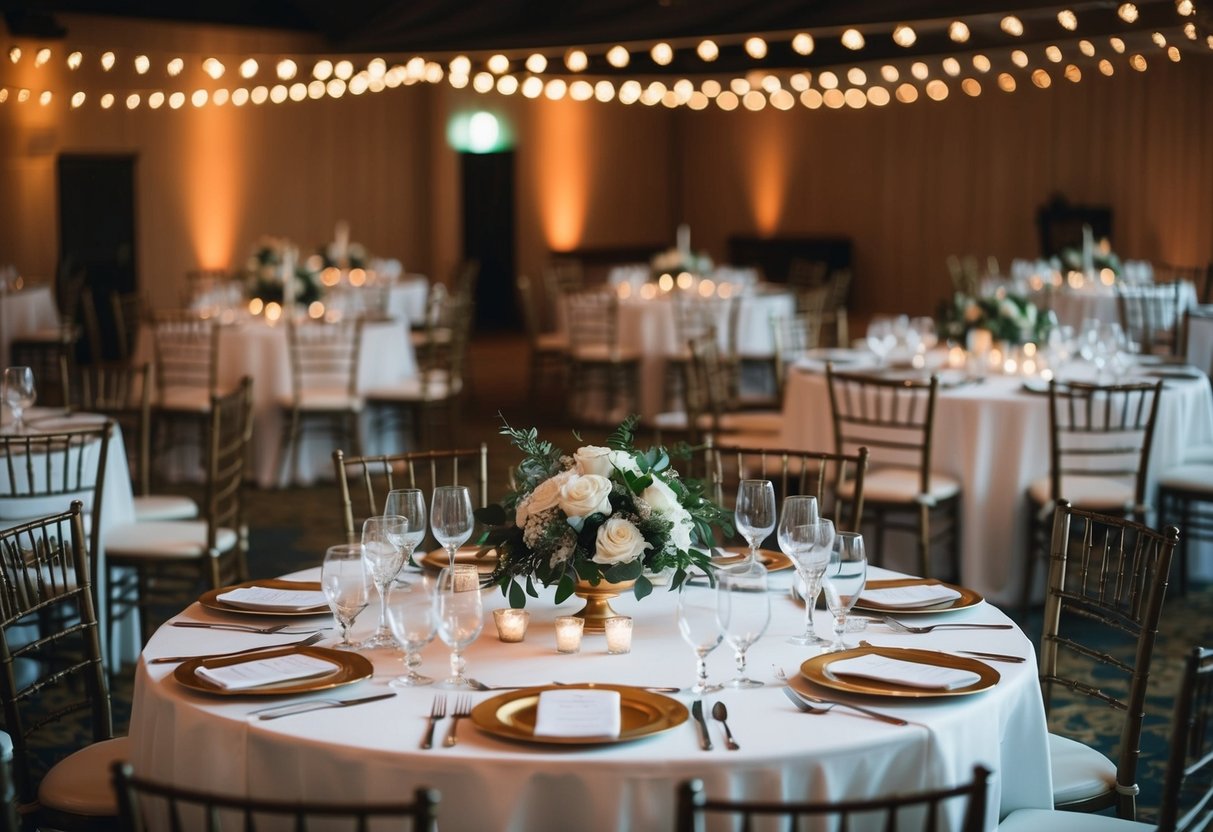
When planning your guest list, think about your budget and venue size. Smaller weddings can be cozy and intimate, while larger gatherings might feel more festive and lively. Consider who must be there versus those who might just be nice to invite.
Understanding the average number of wedding guests can also guide your decision. In recent years, the average wedding guest list fluctuated around 100 to 167 guests, depending on the year. Balancing your dreams with reality can lead you to the ideal number of guests for your wedding!
Determining Your Wedding Size
Choosing the right size for your wedding involves several important factors. You need to set clear goals for your guest list, consider the capacity of your venue, and understand how your budget impacts your decisions.
Setting Guest Count Goals
Begin by deciding how many guests you want to invite. Think about your must-haves versus nice-to-haves. A small wedding usually has up to 50 guests. A medium wedding includes 50 to 150 guests, while a large wedding hosts over 150 attendees.
If you’re considering a micro wedding, aim for 20 guests or fewer. This intimate setting can help reduce stress and create a personal experience. Each choice you make should reflect your vision for the day and the type of atmosphere you want.
Considering Venue Capacity
Your venue plays a crucial role in determining your guest list. Check the capacity of potential locations. Most venues have a limit based on local fire codes and comfort standards.
For example, a venue that accommodates 200 guests might feel cramped with more. Think about the layout as well. Larger spaces can work for smaller weddings, allowing for a more open and airy feel. Make sure your venue choice aligns with your desired guest count to create a comfortable experience for everyone.
Understanding the Impact of Budget
Budgeting is key in deciding your wedding size. The average cost of a wedding can vary greatly, but costs per guest are a significant factor. Spend your budget wisely and remember that more guests often means higher expenses for food, drinks, and seating.
You might find that small weddings or micro weddings can help you save money, allowing for more meaningful experiences. Determine your spending per guest, and use that to help guide how many people you can invite without stretching your budget too thin.
Creating Your Guest List
Creating your guest list involves careful planning and organization. You want to ensure you invite the right people while keeping track of who can attend. Let’s break down some important steps to help you build your perfect guest list.
Prioritizing Invitations
Start by making a list of everyone you’d like to invite. Organize them into groups: your A-list and B-list.
- A-list: Must-have guests like close family and friends.
- B-list: Those you’d like to invite but can do without if space is tight.
Consider local guests who can easily attend along with out-of-town guests who may need more notice. If your venue has a limit, focus on inviting adult guests first, then decide about including child guests with their parents.
Utilizing Guest List Manager Tools
Using a guest list manager can simplify the process. Many free online tools help you keep everything organized.
- Input names and track responses all in one place.
- Some tools allow you to create categories for invited guests, making it easier to see who’s coming.
You can also note if guests will bring a plus-one or need accommodations. This is especially helpful for out-of-town guests. Remember to include a space for special requests, like dietary restrictions.
Handling Plus-Ones and Families
When it comes to plus-ones, decide if you will allow them for everyone or just certain guests.
- For close friends or unmarried couples, a plus-one might be appropriate.
- Think about how this could stretch your guest list.
For families, decide if children will also be invited. Often, inviting the whole family is common, but it can increase your total count significantly. Make it clear on the invites who is welcome to attend so there’s no confusion.
Invitations and RSVPs
Sending out invitations is a key step in planning your wedding. It helps you gather important information about who will attend. Here’s how to design and send your invitations and track the RSVPs effectively.
Designing and Sending Invitations
When designing your wedding invitations, aim for clarity and charm. Make sure they reflect your wedding theme and style.
Include essential details such as:
- Date and time of the event
- Venue address
- Dress code if applicable
- RSVP deadline
Consider using save-the-dates to inform your guests ahead of time, especially for larger weddings. These can be sent digitally or as postcards. Sending invitations about six to eight weeks before your wedding ensures guests have ample time to plan.
You can enhance your invitations with a personalized touch or use a wedding website for guests to explore more details.
Tracking and Managing RSVPs
Tracking RSVPs is crucial for knowing your guest count. Include an RSVP card with your invitation, making it easy for guests to respond. Clearly state the deadline for replies to motivate prompt responses.
Typically, around 85% of local guests and 55% of out-of-town guests attend. Use a wedding guest calculator to estimate attendance.
Create a list to track who replies. A digital spreadsheet can help manage RSVPs. This way, you can easily see who is coming and follow up with anyone who hasn’t replied.
Also, consider adding a section on your wedding website for guests to RSVP online, streamlining their responses.
Special Considerations
When planning your wedding, certain factors can affect your guest list size. It’s important to think about the unique aspects of your event, like if you’re having a destination wedding or the role of your wedding planner.
Destination Wedding Dynamics
A destination wedding often changes the guest list game. Some guests might not be able to travel, while others may jump at the chance.
Expect around 50-85% of local guests to attend. For destination weddings, the attendance might drop to about 30-50%. This means you need to be realistic.
Consider the costs as well. Travel, lodging, and activities add up quickly. Inform guests early to help them budget and plan accordingly.
Balancing Guest List and Wedding Planners
Working with wedding planners can help you create a balanced guest list. They understand the logistics involved and can recommend realistic numbers based on your venue and budget.
A good planner will also help manage costs per guest, so you can avoid going over budget. If you have 150 guests, think about how this affects catering and seating arrangements.
Planners can assist you in making tough decisions about who to invite, helping to ensure your day is special without unnecessary stress.
Managing Guest List Expectations
You need to communicate clearly with your guests. Let them know what to expect regarding the size and style of your wedding.
Be up front about the limitations of your venue. This will help manage any hard feelings if some friends or family don’t make the cut.
If you’re considering an elopement or a small gathering, explain your choice. Many will understand and appreciate your desire for a more intimate setting. Remember, it’s your day, and it should reflect your vision.