
How Many Guests Is a Big Wedding? Understanding the Ideal Size for Your Celebration
When planning your big day, you need to understand how many guests to invite. A big wedding typically has over 150 guests, while some consider anything above 175 guests to be quite large. This guest list can greatly influence the size and style of your venue, catering choices, and overall atmosphere.
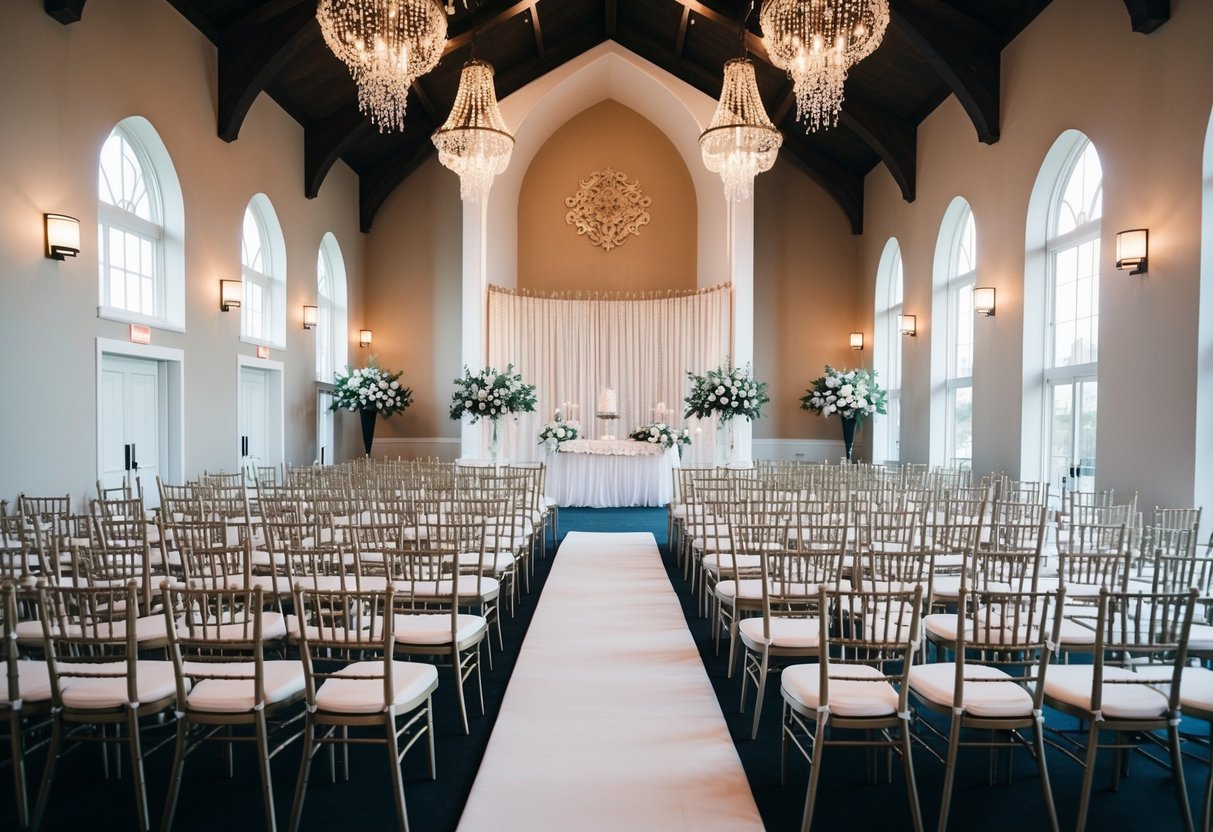
As you explore wedding trends, you’ll notice that guest counts vary by culture, family traditions, and personal preferences. What’s considered a big wedding in one area might be average in another. Many couples are now looking for a balance between intimate and grand celebrations, discovering that a large guest list can affect not just the feel of the event but also the budget.
Deciding on your wedding size can set the tone for everything from your venue to your decorations. You’ll want to think about how to create a memorable experience for your guests while ensuring the day feels right for you. Understanding your ideal guest count is the first step in planning the wedding of your dreams.
Defining Wedding Sizes
When planning your wedding, understanding the different sizes can help you decide what fits your vision. Each wedding size comes with its own guest count and feel, which can shape your special day in unique ways.
Tiny Weddings and Elopements
Tiny weddings and elopements are the most intimate options. These usually involve just the couple and perhaps a witness or two. Guest counts can be as low as one to ten individuals.
Elopements focus on the couple’s connection rather than a large gathering. This option allows for a stress-free experience, often in beautiful locations. You can choose to have a simple ceremony, maybe with just a few close friends or family.
Micro and Minimony Wedding Sizes
Micro weddings typically range from 11 to 50 guests. These events still offer an intimate setting while allowing you to include more loved ones.
A minimony is a newer trend where couples celebrate a small ceremony now and plan a larger reception later. This means you can have a meaningful event without the full guest list right away. Both options are wonderful for couples wanting to keep things personal but with a bit more involvement from family and friends.
Small and Intimate Weddings
Small and intimate weddings usually host 50 to 100 guests. These gatherings create a cozy atmosphere, making it easy to connect with everyone.
With a guest list this size, you can invite close friends, family, and even some extended relatives. This allows for personal touches throughout the day. From customized seating arrangements to sharing meaningful stories during toasts, your loved ones can play a big role.
Medium Weddings
Medium weddings typically range from 100 to 150 guests. This size gives you more flexibility while still maintaining a sense of intimacy.
You’ll have more room to accommodate family and friends. At the same time, you can keep the event manageable. Guest invites can include those you truly want to share your day with, making it feel special.
A medium wedding often has a mix of familiarity and celebration, allowing you to enjoy a larger event without losing personal connections.
Large Weddings
Large weddings are generally classified as having 150 guests or more. These events often become grand celebrations with extensive guest lists.
Planning a wedding of this size requires careful consideration of logistics and budget. It’s also important to choose a venue that can comfortably accommodate everyone.
While a large guest count can mean lots of joy and festivities, it may also lessen the personal touch. Couples often face challenges engaging with each guest during the event.
Guest List Creation and Management

Creating and managing your wedding guest list can be a significant part of your planning journey. You’ll need to consider various factors, like tools to help you stay organized and guidelines for guest etiquette. This section covers how to effectively manage your guest list, including determining plus-ones and keeping track of RSVPs.
Guest List Manager Tools
Using a guest list manager tool can save you time and reduce stress. Many online tools and apps help you organize your guest list easily.
Some popular options include:
- Google Sheets or Excel: Simple and effective for tracking names, addresses, and RSVP status.
- Wedding websites: Many platforms allow you to create a personal site with RSVP features.
- Specialized apps: Look for apps like The Knot or WeddingWire that are tailored for wedding planning.
These tools can let you adjust your guest count quickly as your plans change, helping you stay within your budget and venue limits.
Wedding Guest Etiquette
Being mindful of wedding guest etiquette is crucial. Start by thinking about who should receive an invite. Close family and friends usually take priority.
Here are some etiquette tips to remember:
- If someone has a significant other, it’s usually polite to invite them, unless specified otherwise.
- Consider your budget when deciding how large to make your guest list.
- Avoid inviting people out of obligation. Focus on those you truly want to celebrate with.
Keeping your guest list respectful and considerate sets the right tone for your wedding.
Determining Plus-Ones and Children
When deciding on your guest list, consider whether to allow plus-ones and if children are invited. A common guideline is to allow plus-ones for single guests.
Think about this:
- Including children can change the vibe of your wedding. If you choose to invite them, make it clear in your invitations.
- For guests without a partner, consider their circumstances. Sometimes, it’s better to invite them with a plus-one.
Communicate your choices clearly on your invitations to avoid confusion.
RSVPs and Follow-Ups
Tracking RSVPs is essential for managing your guest count. Most couples request that guests respond by a specific date. This helps you finalize your guest list and make seating arrangements.
Make your RSVP process easy:
- Include clear instructions on how to respond, whether it’s online or via mail.
- Set reminders for yourself to follow up with guests who haven’t replied.
Following up politely can make everyone feel appreciated while helping you stick to your plan. A smooth RSVP experience ensures you’ll have the right guest count for your big day.
Budgeting for Your Guest Count
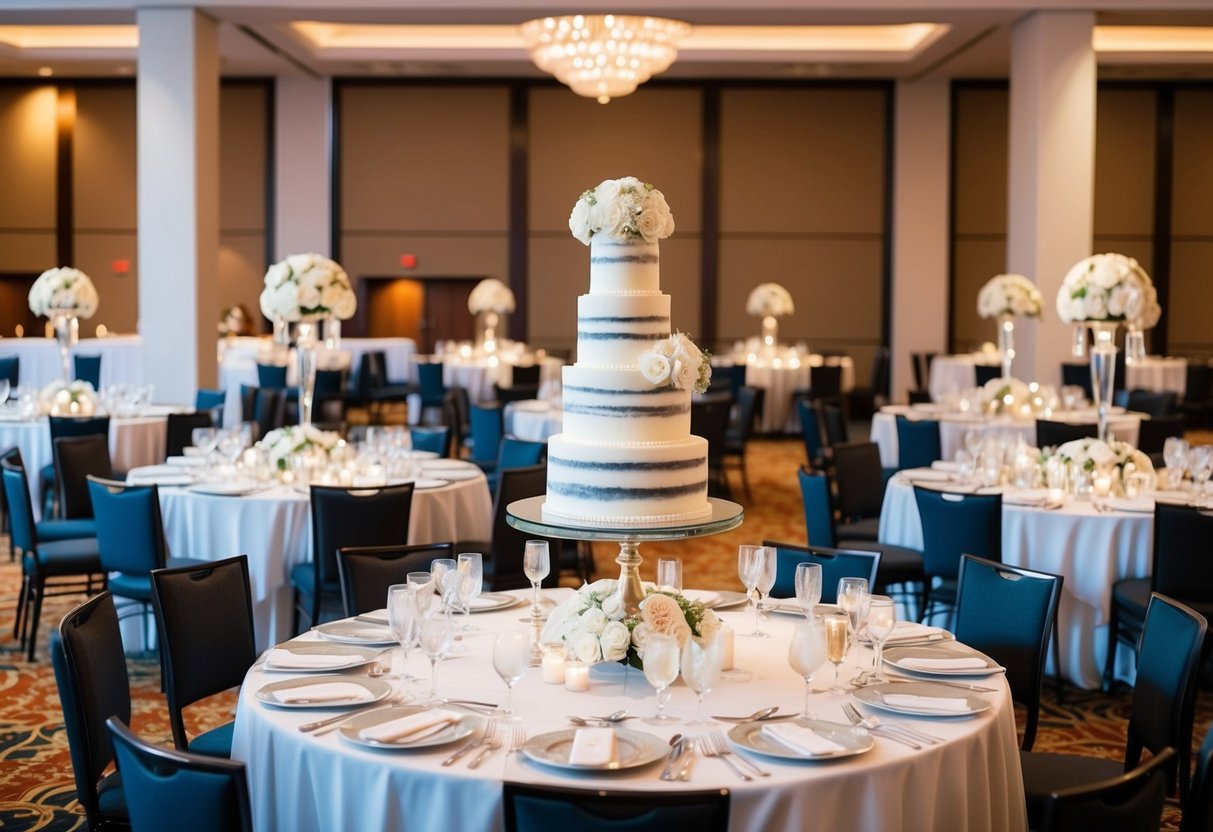
When planning a wedding, understanding how your guest count impacts your budget is essential. Each guest adds to your wedding expenses, so careful consideration can help you stay within your financial limits while achieving your desired vision.
Calculating Wedding Costs per Guest
Start by determining the average cost per guest for your wedding. This will usually include food, drink, and seating. For example, if catering costs $50 per guest, and you invite 100 guests, your food budget is $5,000.
Breakdown of potential costs per guest:
- Food and Drink: $50–$150
- Venue Fees: $20–$50
- Favors: $3–$10
Consider setting a budget that limits additional costs, like décor or entertainment, as these can skyrocket with a larger guest list.
Balancing Wedding Vision and Guest Count
Your wedding vision is crucial, but it needs to match your guest count and budget. With small weddings, you may spend more on details like centerpieces or a gourmet menu. In contrast, with bigger weddings, prioritize experiences over extravagance.
Think about your must-have guests versus those you feel obligated to invite. A way to balance this is by creating tiers in your guest list:
- Must-Haves: Close family and friends
- Nice-to-Haves: Work colleagues, distant relatives
- Optional: Friends of friends
This approach helps align your vision with your budget and allows you to make thoughtful choices.
Hidden Expenses in Wedding Planning
Many couples overlook hidden wedding expenses that can inflate your budget, especially as your guest list grows. These can include:
- Additional Seating and Tables
- Extra Place Cards
- Increased Staffing Needs
Also, consider the costs of wedding invitations. They can be $1–$7 each, depending on design and materials. With 200 guests, that’s a $200–$1,400 expense.
By keeping tabs on these hidden costs, you can avoid surprises and ensure your budget covers all aspects of your celebration.
Selecting the Right Venue
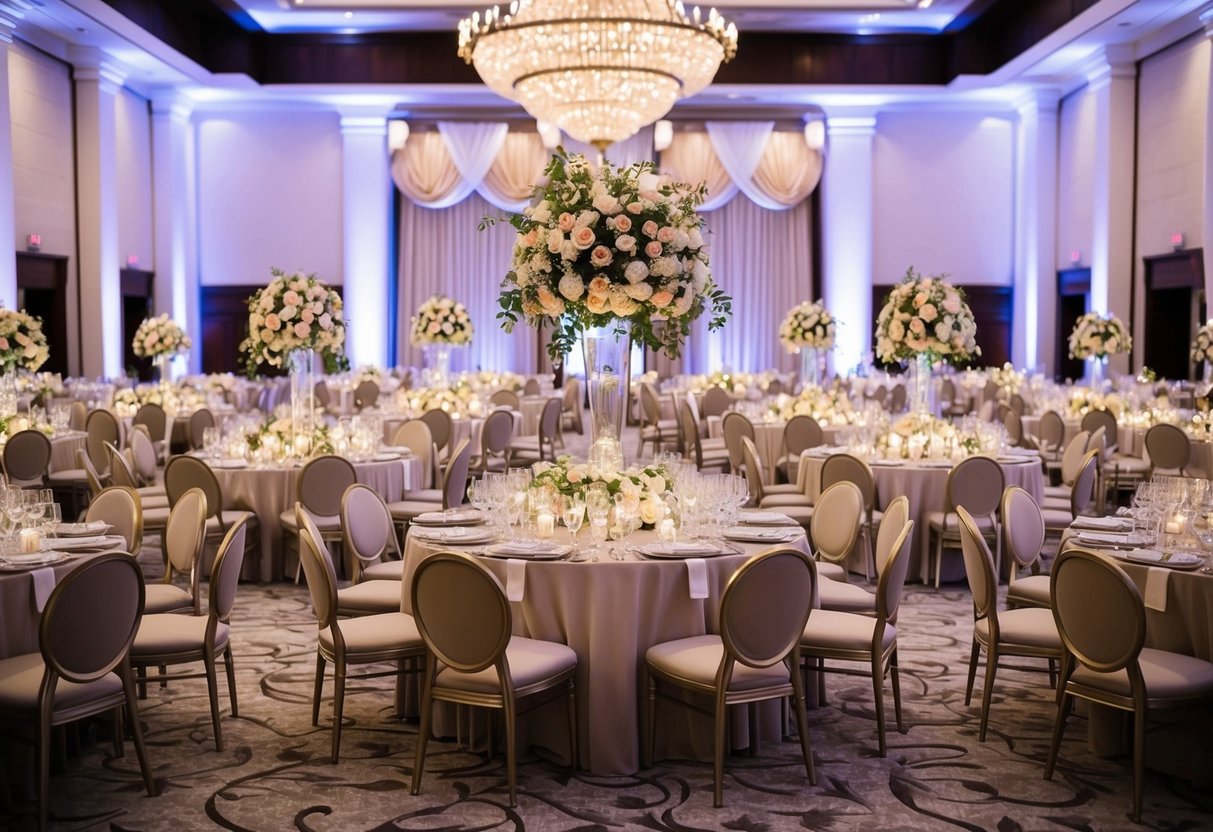
Choosing the right venue is crucial for your big wedding. You need to think about how many guests you expect and the style of the wedding. The venue should not only fit everyone but also create the right atmosphere for your special day. Here are two key aspects to consider in your selection process.
Venue Capacity and Guest Comfort
When planning a large wedding, the venue’s capacity is essential. You want to ensure that all your family and friends feel comfortable.
Consider the following factors:
- Seating Arrangements: Are there enough tables and chairs for everyone?
- Dance Floor Space: Will your guests have enough room to enjoy the reception?
- Accessibility: Is the venue easy for everyone to access, especially for older guests?
Make sure to check if the venue has a minimum or maximum guest requirement. This helps avoid extra costs if they charge per guest. For example, if a venue is suited for 150 people, having only 120 may lead to higher charges. Opting for a venue that suits your guest count can help keep costs manageable.
Destination Wedding Considerations
If you’re thinking about a destination wedding, choose a venue that brings charm and warmth to your celebration.
Consider these important points:
-
Travel Arrangements: Ensure it’s easy for your guests to get there. Research flights and accommodations.
-
Local Amenities: Check what is available nearby, such as restaurants and activities.
-
Legal Requirements: Look into the requirements for getting married in a different location. Each place has its own rules.
Selecting a destination wedding venue should cater to both your vision and your guests’ comfort. Make sure the location offers a beautiful setting and essential services, creating a memorable experience for everyone.