
How Many Guests Is Good for a Wedding? Finding the Perfect Balance for Your Big Day
Choosing the right number of guests for your wedding can feel overwhelming.
A small wedding typically has 50 guests or fewer, while a medium wedding includes around 50 to 150 guests, and a large wedding usually means over 150 attendees. Understanding these categories can help you visualize the kind of celebration you want to have.
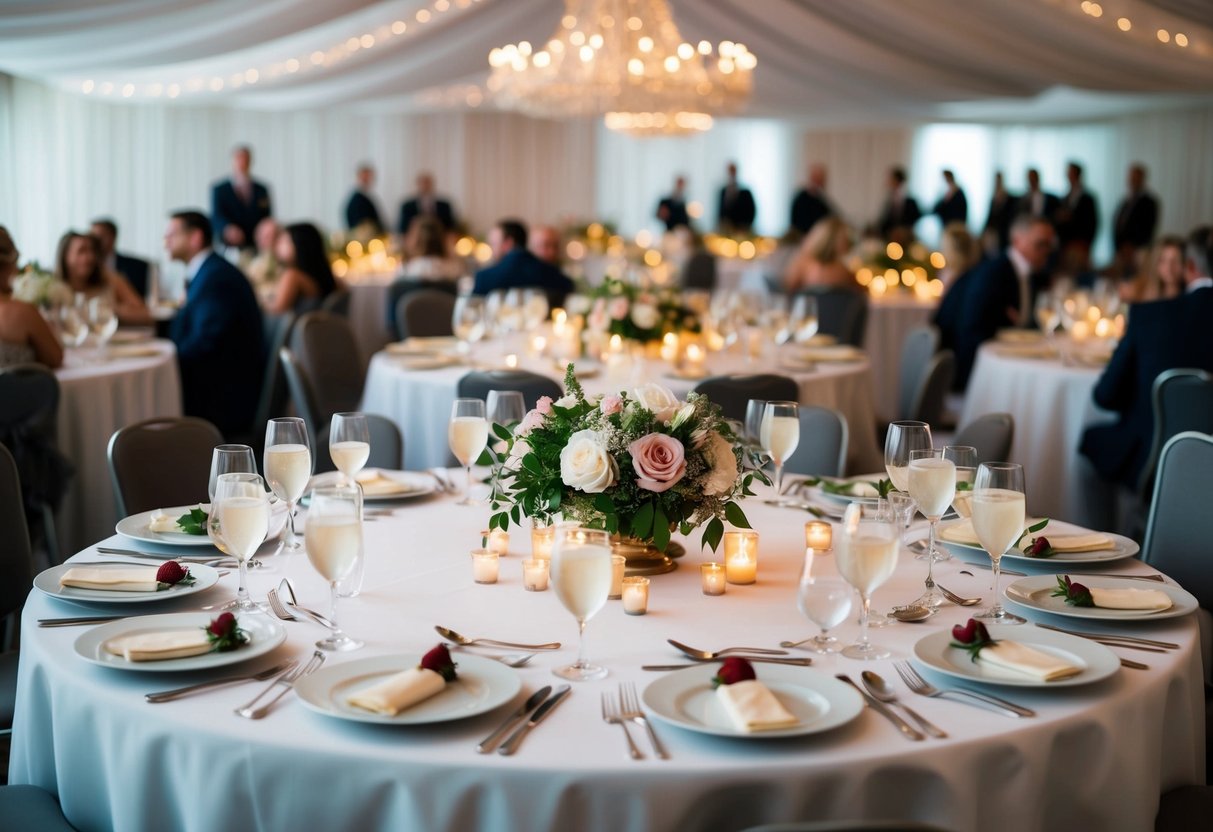
Thinking about how many loved ones you want to invite is important. A small wedding offers intimacy and personal connections, but a medium wedding allows for a lively atmosphere with more interactions. If you lean toward a large celebration, you can invite extended family and friends to share in your special day.
Take some time to consider what feels right for you and your partner. The size of your wedding will shape your experience in many ways, from the venue to the overall vibe.
Whichever size you choose, remember that the day is about celebrating your love.
Determining Your Ideal Wedding Size
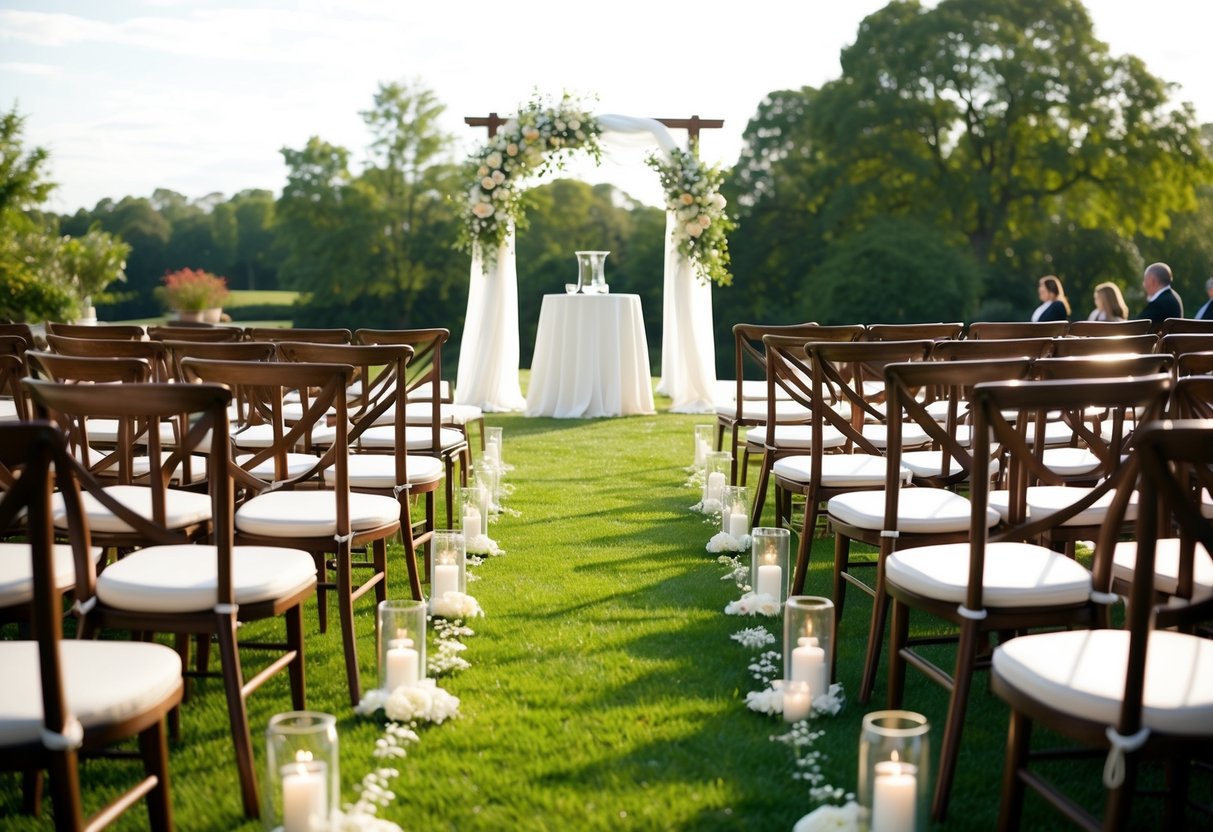
Choosing the right guest list size is an important part of your wedding planning. It reflects your personal style, your budget, and the space available at your venue. Let’s dive into some key factors to help you decide.
Considering Personal Preferences
Think about the kind of atmosphere you want for your wedding. Do you prefer a large celebration filled with noise and laughter, or an intimate gathering where you can have deep conversations?
Intimate weddings often make for memorable experiences with close friends and family. Alternatively, a larger wedding can be exciting and energetic.
Consider your relationship with potential guests. Prioritize inviting people you genuinely want there.
Compile a list of must-invite individuals and those in the “maybe” category. This approach gives you a clearer picture of your ideal guest count while ensuring you celebrate with those who matter the most.
Understanding the Influence of Budget
Your wedding budget plays a significant role in deciding how many guests to invite. Generally, the more guests you have, the higher your costs will be.
Expenses to consider include:
- Catering: Each meal adds to your total.
- Invitations: Sending out more invites can increase printing and mailing costs.
- Venue: A larger venue often comes with higher rental fees.
On average, wedding costs can vary widely, but some estimates suggest that catering alone can run between $40 to $100 per person.
Creating a detailed budget helps you stay on track. Decide where you’re willing to splurge and where you can save.
Assessing Venue Capacity
The venue you choose will influence how many guests you can invite. Before making decisions, check the venue’s capacity and layout.
Different venues serve different purposes. Consider whether you prefer a:
- Small venue for a cozy and personal event.
- Large venue for a grand celebration with dancing and entertainment.
Each has its benefits and drawbacks. In a smaller space, you can create a warm atmosphere, but it may limit how many people you can invite. A larger venue can accommodate more guests but may feel less personal.
Carefully evaluate your options to find a venue that meets both your guest count and your vision for the day.
Constructing Your Wedding Guest List

Creating your wedding guest list is an important step in planning your special day. It involves careful thought about who you want to celebrate with, balancing family expectations, social dynamics, and budget considerations.
Deciding on Family and Friends
Begin by listing immediate family members. This often includes parents, siblings, and grandparents. Next, think about close relatives like aunts, uncles, and cousins.
After family, focus on your close friends. Make sure to consider friends who have significantly shaped your life.
It’s often helpful to use a spreadsheet or a guest list manager to keep track of names, contact details, and RSVPs.
Narrow it down by deciding who fits into your ideal wedding size. Weigh your priorities and ask yourself: Who do you genuinely want there? Make choices that reflect your relationship dynamics and the kind of celebration you envision.
Addressing Plus-Ones and Children
When it comes to plus-ones, consider your invited guests and their relationship status. If a guest is single, letting them bring a date can make them more comfortable. A good rule is to allow plus-ones for those who are in committed relationships.
Next, think about children. Some couples choose to make the day adults-only, while others invite kids.
If you go the adults-only route, be clear in your invitations. If kids are welcome, send out invitations that reflect this. This decision should align with your wedding vibe and how you’d like the day to unfold.
The Role of Wedding Planners
If you are working with a wedding planner, include them in your guest list planning. They can provide valuable insight on guest list management, which can help streamline your planning process.
Your planner may also have experience with managing RSVPs, which can ease the burden on you as the date approaches.
They can suggest guidelines for your guest count based on venue capacity, budget, and your vision for the day.
Collaborating with a planner allows you to focus on the fun parts of planning while ensuring essential details don’t get overlooked.
Navigating Guest Logistics

Getting your guest list organized can feel overwhelming, but breaking it down helps. Focus on managing RSVPs and making arrangements for out-of-town guests to ensure a smooth experience.
Managing RSVPs and Save-the-Dates
Sending out save-the-date cards is a great first step. Aim to do this six to eight months before your wedding. This gives guests enough notice, especially for destination weddings.
When you send the main invites, include clear RSVP instructions. You can use a traditional card or modern methods, like online forms.
Common response rates indicate that around 75-85% of those invited usually attend.
Keep track of responses in a simple table or spreadsheet. This will help you manage seating arrangements and other logistics.
Accommodating Out-of-Town Guests
If many of your guests are traveling for your wedding, plan for their needs. Start with providing information on nearby hotels. You can even reserve a block of rooms to make booking easier.
Consider creating a welcome packet for them. Include local attractions, dining options, and transportation details. This can make them feel welcome and appreciated.
For local guests, think about organizing transportation to and from the venue. This small detail can make a big difference in helping everyone enjoy your special day.
The Impact of Wedding Size on Ceremony and Reception
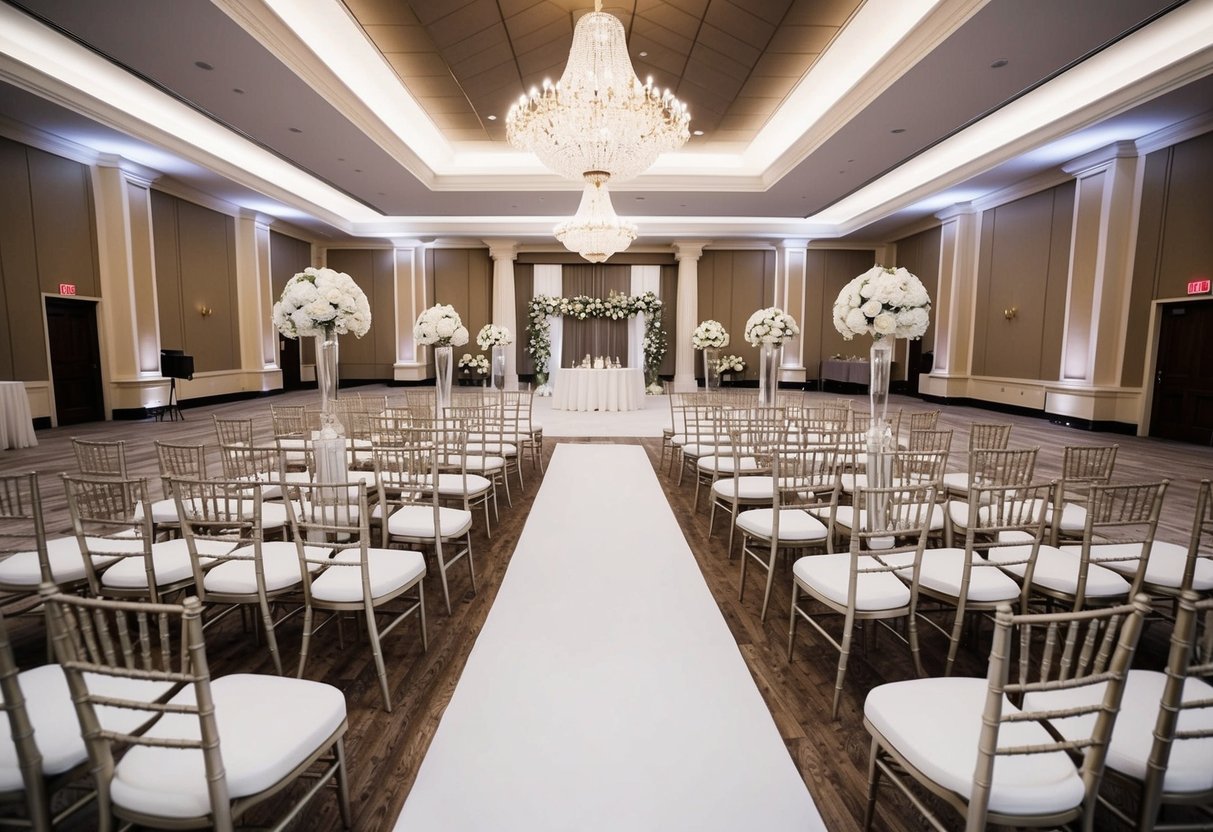
The size of your wedding plays a big role in how both the ceremony and reception feel. A smaller gathering, often called a micro wedding, can create an intimate atmosphere. You can connect more closely with each guest.
In contrast, a big wedding allows for a lively celebration. You can invite many friends and family, fostering a festive vibe. The average wedding guest list size is around 167 people, so consider this when planning.
Your wedding party members will also vary with the guest count. Larger weddings might need more bridesmaids and groomsmen. Meanwhile, a smaller wedding may allow for just a couple of close friends.
Wedding expenses tend to increase with the number of guests. Catering, venue, and decorations often cost more as the guest count rises. This can affect your budget, so plan wisely.
If you’re considering alternatives, elopement or a small ceremony can save money. It allows you to focus on what matters most: your vows and each other. Think about what kind of experience you want, and let that guide your decision on size.