
How Many Guests Should I Invite to My Wedding? Tips for Perfect Attendance
Deciding how many guests to invite to your wedding can feel overwhelming. On average, couples invite around 100 to 150 guests, but your ideal number can vary based on your budget, venue capacity, and desired wedding style. It’s important to consider how intimate or grand you want your celebration to be.
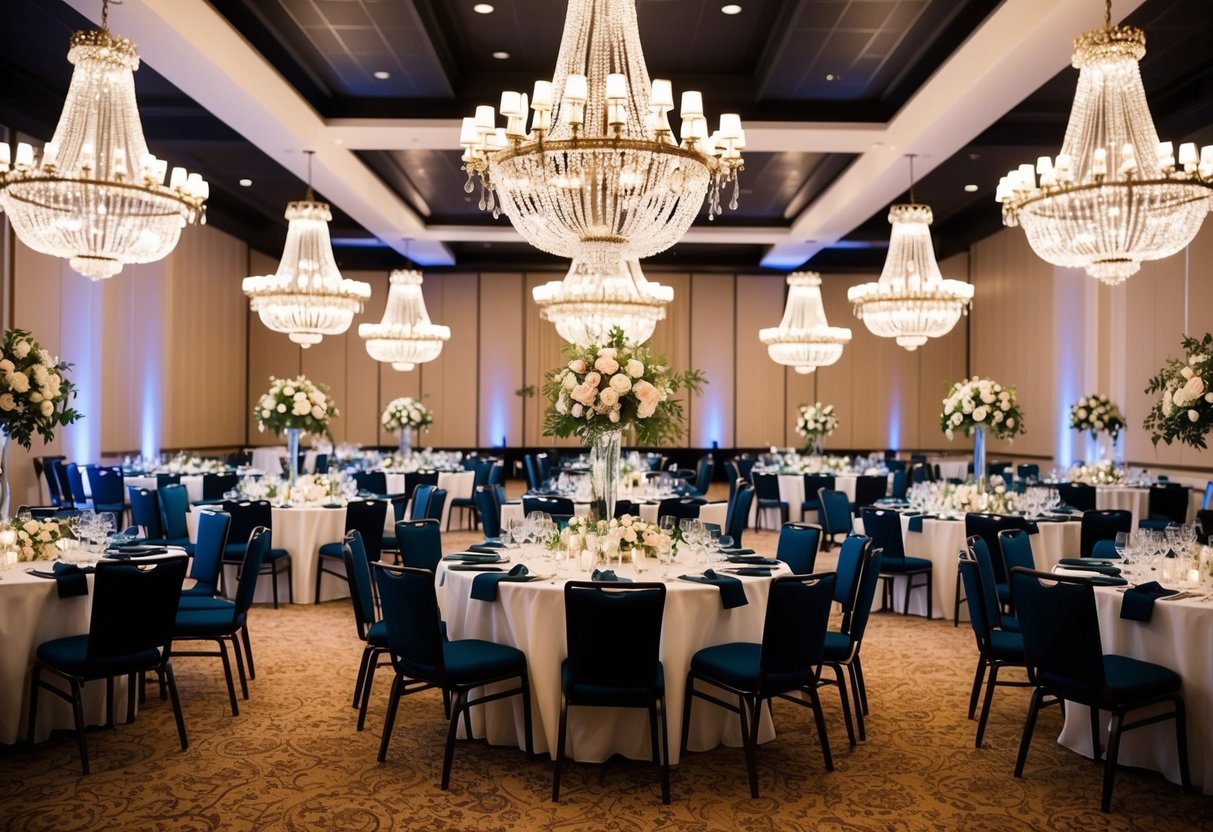
Start by thinking about who you truly want to share this special day with. Create a guest list that reflects your closest friends and family. This approach will help you balance your dream wedding atmosphere with practical considerations like space and costs.
Remember, each guest plays a role in the vibe of your wedding. Whether you envision a cozy gathering or a lively celebration, the number of guests you invite is foundational to your wedding planning. This choice sets the stage for memorable moments and connections on your big day.
Understanding Wedding Size and Style
Choosing the right size and style for your wedding is an important step. It can shape the tone of your event and help you connect with your guests.
Choosing Your Wedding Style
Your wedding style sets the mood for the day. Do you envision a big wedding with hundreds of guests or a small, intimate wedding with just close family and friends?
Here are a few styles to consider:
- Traditional: Often larger and includes many guests, fitting for a classic venue.
- Destination: Can range from small to large, depending on where you choose to go.
- Micro Wedding: Usually has fewer than 20 guests. Perfect for couples who want something simple and meaningful.
- Themed: This can work with any size, focusing on a fun or personal theme.
Think about what feels true to you as a couple.
Determining the Size of Your Wedding
Choosing the size of your wedding depends on several factors. First, you should consider your budget. Larger weddings often mean higher costs for catering and venues.
Next, think about your connection with your guests. For instance:
- A large wedding may include acquaintances but might lack intimacy.
- An intimate wedding allows deep connections and memorable moments with close people.
The average wedding in the U.S. hosts about 160 guests. You might want something more or less depending on your preferences.
Venue Capacity and Limitations
Selecting your venue has a big impact on your guest list. Each venue has a capacity limit that you need to consider.
Here are points to remember:
- Check the maximum number of guests for places you like.
- Think about the layout. Will it support mingling?
- Ensure there’s enough room for activities, such as dancing or dining.
Imagine hosting a large wedding in a space that doesn’t accommodate everyone comfortably. This could lead to cramped conditions. So, always choose a venue that fits your vision and budget while allowing room for your desired guest count.
Crafting Your Wedding Guest List
Creating your wedding guest list can feel overwhelming, but it’s all about balancing your wishes with practical considerations. You’ll need to think about who is most important to you and how to handle extra guests, like plus-ones.
Who to Invite: Making the Cut
Start by listing everyone you want at your wedding. This includes immediate family, your closest friends, and key family friends. Make sure to prioritize those who mean the most to you, such as your best friends and relatives you are close to.
Next, consider the size of your venue and your budget. This will help you determine how many you can actually invite. You might need to make tough choices, so think about creating a “must-invite” list.
Once you have a solid list, you might want to review it with your partner. This can help ensure that all important people are included and that your list feels right for both of you.
Managing Plus-Ones and RSVPs
Plus-ones can complicate your guest list, but they can also make your wedding more enjoyable for your guests. Decide if you want to offer plus-ones to everyone or just select people, like significant others or married friends.
Make sure to communicate your plus-one policy clearly on the invitations. Consider using RSVP cards that clarify whether guests can bring someone.
When it comes to tracking RSVPs, a wedding guest calculator can be helpful. It allows you to manage who is coming, so you can adjust your plans as needed. Remember to follow up with guests who don’t respond to ensure you have accurate numbers.
Incorporating Out-of-Town and Local Guests
When crafting your list, think about your out-of-town guests. If they are making the effort to travel, it might be nice to invite them even if you aren’t as close.
For local guests, you might want to consider how often you see them. If they play an important role in your life, they deserve an invite too.
Consider offering accommodations or group rates for your out-of-town guests. This shows you appreciate their effort to join your celebration. Make it easy for them to RSVP by providing clear details about how to respond.
Budget Considerations for Your Guest List
Planning your wedding guest list involves careful attention to your budget. The number of guests you invite can significantly affect your costs and the overall experience. It’s important to strike a balance between having your loved ones close and staying within your financial limits.
Balancing Wedding Costs and Guest Experience
Your wedding budget plays a key role in deciding how many guests to invite. Every additional person can raise costs in several areas, like catering and venue space. To balance expenses and guest experience, think about prioritizing important family and friends on your list.
For example:
- Venue capacity: Check how many guests your chosen venue can accommodate.
- Catering costs: Expect to pay around $50-$150 per person for meals. Multiply this by your total guest count to understand potential costs.
- Invitations: With each guest, you’ll need invitations, which can add additional costs.
Keep in mind that a smaller guest list can lead to a more intimate and relaxed atmosphere.
Guest List Impact on Wedding Expenses
Your guest list size directly influences the average wedding cost. According to studies, weddings with about 115 guests tend to be typical. However, your specific budget will guide your decisions.
Here are a few expense areas to consider:
- Food and drinks: This will usually be your largest expense. Factor in costs for appetizers, entrees, desserts, and beverages.
- Seating arrangements: More guests mean more tables, chairs, and linens, which can quickly add up.
- Rentals and decor: With a larger guest list, you might want more elaborate setups which could strain your budget.
Using a guest list manager tool can help you visualize costs linked to your list. Adjustments in guest count allow you to maximize your budget while creating a lovely atmosphere.
Finalizing and Sending Invitations

When it comes to your wedding, finalizing and sending invitations is a key step in your planning. You want your guests to feel excited and informed about your special day. Let’s explore how to design your invitations based on the guest list and the best practices for timing and tracking.
Designing Invitations for Your Wedding Size
The design of your wedding invitations reflects your wedding style and size. Think about how many guests you plan to invite.
If you have a larger guest list, opt for layouts that can accommodate the information clearly. A simple and elegant design works well for any size.
Include the key details:
- Who: Your names
- What: The wedding ceremony
- When: The date and time
- Where: The venue for both the ceremony and reception
Consider using save the dates to give your guests a heads-up, especially for larger weddings. For an average US wedding size, which is around 167 guests, a well-organized invitation helps ensure that everyone is on the same page.
Timing and Tracking Invitations
When sending out invitations, aim to send them out six to eight weeks before the wedding date. This gives guests time to plan and RSVP.
If your wedding falls during a busy season, consider sending save the dates up to a year in advance.
Tracking RSVPs is also crucial. Maintain a list for responses to keep tabs on who’s attending. This can help you manage your average wedding guest list size and make any necessary adjustments.
Using online tools or spreadsheets can make this process easier and more organized.
Make sure you follow up with guests who haven’t responded. Their input helps finalize catering and seating arrangements for your wedding reception.