
How Many Guests Should You Invite to a Wedding? Tips for Creating Your Perfect Guest List
Deciding how many guests to invite to your wedding can feel overwhelming, but it’s an important part of your wedding planning. A good rule of thumb is to expect about 75-85% of your invited guests to actually attend. This helps you create a wedding guest list that reflects your vision for the day, whether you want an intimate gathering or a larger celebration.
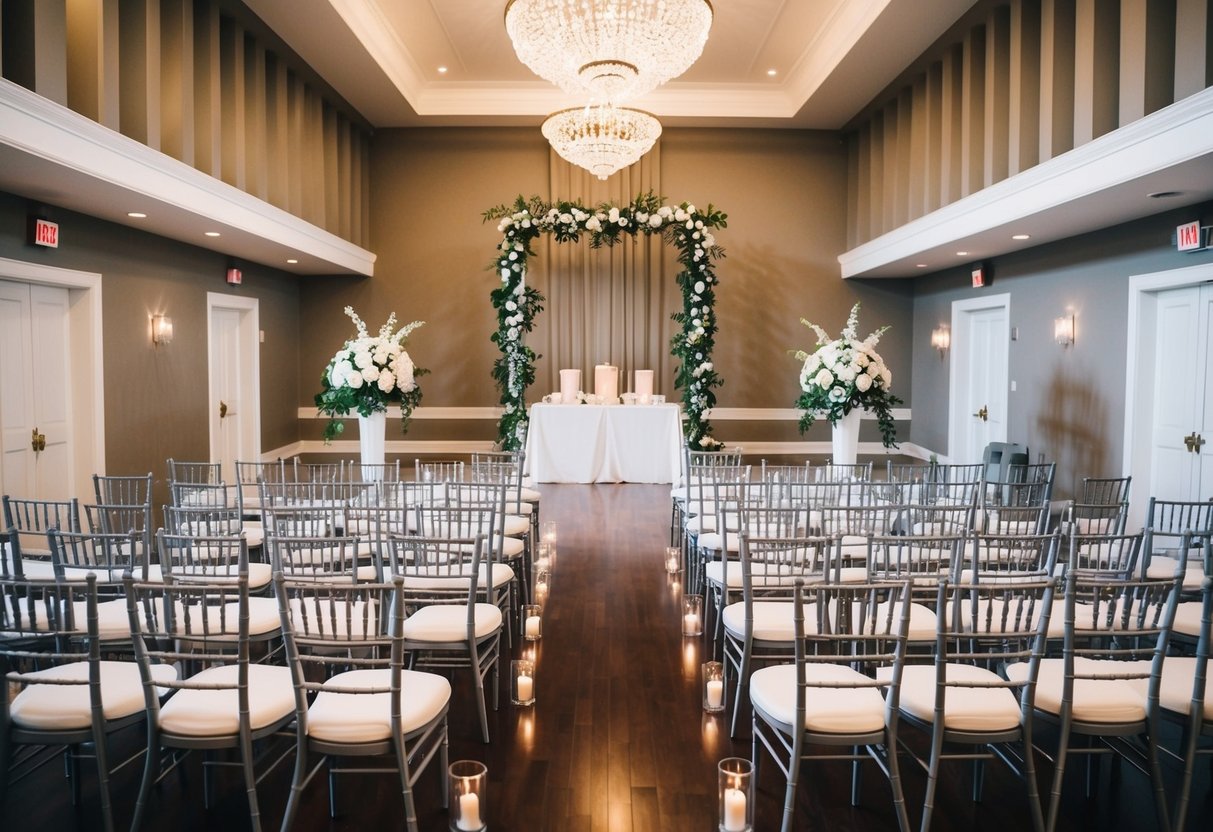
When planning, consider your budget, venue size, and the kind of atmosphere you want to create.
A smaller wedding can allow for more personal interactions, while a larger guest list can bring a festive vibe. Remember to think about who truly matters to you and your partner, as these are the people who will help make your day unforgettable.
As you go through your guest list, keep in mind that factors like location and holidays can affect attendance. It’s always smart to add a little buffer to your numbers. By understanding how many guests to invite, you can ensure that your wedding is everything you’ve dreamed of and more.
Determining Your Guest Count

When planning your wedding, figuring out how many guests to invite is crucial. Your guest list will impact your venue choice and overall budget. Here are some important factors to consider while determining your guest count.
Considering the Venue and Budget
The size of your chosen wedding venue plays a significant role in guest count. Venues have specific capacities that limit how many people can comfortably attend. Always check the venue’s capacity before making decisions.
Your budget also affects your guest list. Each guest can add to your costs through catering, seating, and favors.
For example, if the average wedding cost is around $30,000, and you invite 150 guests, your expenses can increase substantially. You might find that for large weddings, accommodating everyone can quickly raise costs. On the other hand, small weddings or micro weddings allow for a more intimate atmosphere and can help keep expenses down.
Understanding the Types of Weddings
Different types of weddings often dictate guest count. A large wedding typically involves many guests celebrating with you, while a small wedding focuses on close family and friends.
For a micro wedding, you may only invite 10-20 guests. This intimate setting can create a meaningful experience and lower costs overall. If you envision a grand event, consider that large weddings often average about 150-200 guests.
Ultimately, your personal style and how you want to celebrate will shape your guest list. Be honest with yourself about what you desire, and let that guide your choices.
Building Your Guest List

Creating your wedding guest list is an important step in planning your special day. It helps you stay within your budget and manage your venue capacity. Here are some key areas to focus on as you build your list.
Prioritizing Family and Friends
Start with your immediate family and closest friends. These are the people who matter most to you. Make a list of essential guests, including parents, siblings, and best friends.
Next, consider your extended family. List close relatives first, then move on to distant relatives if your budget allows.
Group your list into tiers to make it easier to manage. For example, label them as “Must Invites,” “Would Like to Invite,” and “If Space Allows.”
This method helps you ensure that you invite those who support and love you most. Remember, including a few family members you don’t see often can strengthen bonds.
Managing Plus-Ones and Children
When it comes to plus-ones, think carefully about whom to invite. Consider allowing plus-ones for guests in serious relationships or those who are married. This approach makes your wedding feel more welcoming and comfortable for them.
Decide whether to include children in your guest list. If you want a more adult-oriented event, you may opt for a child-free wedding.
If kids are invited, consider making arrangements for their comfort, like kid-friendly meals or activities.
Clear communication is key. Be sure to mention your plus-one and child policy in your invitations. This step avoids confusion and ensures everyone knows what to expect.
Guest List for Destination Weddings
If you are planning a destination wedding, guest count can be tricky. Start by considering who will realistically travel to celebrate with you.
Prioritize close family and friends, as travel can be costly and time-consuming. Make a list of out-of-town guests you think will attend.
Remember, destination weddings are often smaller. It’s perfectly fine to keep your list short and intimate. Consider providing details about travel accommodations and amenities to make the trip easier for your guests.
Clear information can encourage attendance and help everyone feel informed and prepared.
Sending Out Invitations

When planning your wedding, sending invites is a key step. Properly crafted invitations and save-the-dates help set the tone for your big day and manage expectations for the guest list.
Crafting Invitations and Save-the-Dates
Start by deciding when to send out your save-the-dates. This is often six to eight months before your wedding. These cards give your invited guests an early heads-up about your celebration.
For your wedding invitations, aim to mail them about 6-8 weeks before the big day. Include essential details like the date, time, and location of the wedding reception.
You may also want to create a wedding website. This site can hold additional info, such as accommodations and your gift registry.
Keep the design aligned with your wedding theme. Whether it’s elegant, playful, or rustic, your choice reflects your personality. Remember to include RSVP details, so guests can confirm their attendance.
Setting Guest List Expectations
Knowing how many people to invite can feel overwhelming. Experts suggest that around 20% of invited guests may not attend your wedding. This means if you invite 100 people, expect about 80 to show up.
It’s important to finalize your guest list before sending invites. Consider your venue capacity and wedding budget when making these decisions. You want to ensure there’s enough space for everyone.
Once you send out those wedding invitations, be prepared for responses. Keep track of RSVPs, and follow up with those who haven’t responded. This will help you get a clearer picture of how many guests will celebrate with you.