
How Many Guests Should You Invite to a Wedding? Tips for a Perfect Celebration
Planning your wedding can feel overwhelming, especially when you need to decide how many guests to invite. A good rule of thumb is that you can expect around 75-85 percent of those invited to actually attend your wedding. For example, if you send out 200 invitations, you can expect about 150-170 guests to show up.

The average wedding guest list size has been around 167 people in recent years, but this number can vary based on factors like location and your budget. When thinking about your guest list, remember that keeping it manageable can help create a more intimate atmosphere, allowing you to focus on celebrating with the people who matter most to you.
As you dive deeper into the planning, consider how guest count impacts everything from your venue choice to the overall wedding budget. Understanding these details can help make your special day exactly what you envision.
Determining Your Wedding Size
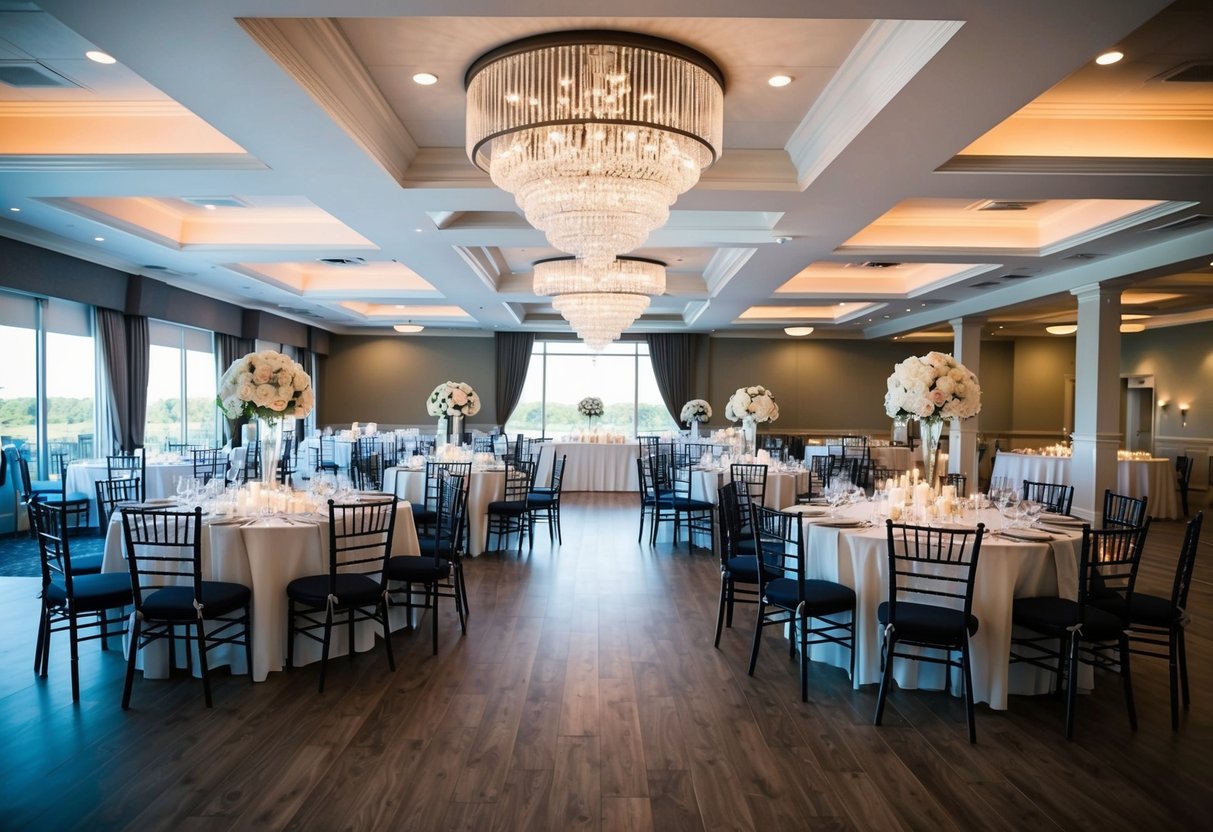
When planning your wedding, determining the size is crucial. It affects your budget, venue choice, and overall vibe. Here are key factors to help you decide how many guests to invite.
Consider Your Wedding Budget
Your budget plays a big role in deciding your wedding size. Larger weddings often come with higher costs, such as catering, venue rental, and decorations. Create a budget that clearly outlines your total spending limit.
Once you have your budget in place, think about how many guests you can afford. A simple breakdown could look like this:
- Catering: $100 per person for 100 guests = $10,000
- Venue Rental: Ideal for the number of guests planned
- Decorations and Extras: Bigger guest counts might mean more flowers and seating
Smaller weddings, like micro weddings, can help save costs and create a more intimate feel.
Choose Your Wedding Venue
The venue you select greatly influences your guest list size. Some venues can accommodate large weddings with hundreds of guests, while others are perfect for small gatherings.
When choosing a venue:
- Capacity: Always check the guest limit, which can range from 50 for intimate settings to several hundred for big weddings.
- Style: The venue should match your desired wedding vibe, whether rustic, elegant, or modern.
- Location: Consider local guests versus out-of-town guests. A venue close to home can make it easier for local guests to attend.
Make a list of potential venues, then compare their sizes and amenities. This way, you can narrow down your options based on your guest count.
Define Your Wedding Style
Your wedding style will influence both the size and the guests you invite.
- Intimate Gatherings: If you envision a cozy ceremony, a small wedding with close friends and family might suit you well.
- Big Celebrations: For a festive celebration, you may want a large wedding where you invite everyone from coworkers to distant relatives.
When defining your style, think about the experience you want for your guests. If you want a relaxed, fun vibe, a smaller guest list may work better. On the other hand, a large wedding can create an exciting, lively atmosphere.
Take time to visualize your perfect day. This will guide your decisions on the number of guests you should invite.
Building Your Guest List
Creating your wedding guest list starts with understanding who is most important to you. It involves balancing close relationships with broader acquaintances. Here’s how you can approach building your list effectively.
Determining Close Relationships
Begin by listing your immediate family and best friends. These are your core supporters, and their presence will make your day special. Think about family friends and close relatives who have been part of your life, too.
Consider your relationship history. Have you spent time together recently? Communicating regularly indicates a strong bond. Inviting those who are significant in your life helps ensure that your wedding feels personal and meaningful.
You might also want to involve your partner in this process. Discuss who they view as important in their life. Combining both lists can offer a broader perspective.
Managing Plus-Ones and Families
When it comes to plus-ones, a common rule is to invite them if they are in a serious relationship. It shows thoughtfulness and care. For your wedding guest list, consider allowing plus-ones for single friends.
Family dynamics can complicate things, too. If your best friend is married, their spouse should be included. Likewise, when inviting children, think about family happiness and comfort.
Also, set clear expectations with invited guests about plus-one etiquette. This clarity can reduce potential tension and make planning easier.
Contemplating Acquaintances and Distant Relatives
For acquaintances and distant relatives, take a moment to reflect on your past interactions. Have they played a role in your life recently?
It’s common to be tempted to invite everyone you know, but you should prioritize those who matter most. Sending save-the-dates can help figure out who will likely attend. Typically, you might expect about 75-85% of invited guests to show up.
Your guest count also impacts the venue and budget, so keep these factors in mind as you build your list. Balancing these different relationships will help create a comfortable atmosphere for you and your loved ones on your big day.
Communicating with Guests
Clear communication is key when planning your wedding. It helps set expectations and keeps everyone informed about your special day. Here are important aspects to focus on.
Sending Out Invitations
Start by sending out your wedding invitations at least 6-8 weeks before the big day. This gives your guests ample time to plan, especially if it’s a destination wedding. Be sure to include all essential details like venue, time, and dress code.
Consider using personalized invitations for close friends and family. This adds a special touch and shows you care. For guests living far away, consider sending digital invitations. They are not only eco-friendly but also quick to deliver.
Don’t forget to include a response card or an RSVP link. This helps you keep track of your guest count and plan accordingly.
Managing Expectations for Attendance
It’s normal for some guests to decline your invitation, especially if travel is involved. On average, you can expect around 75-85% of those invited to attend. This percentage can fluctuate based on who you’re inviting—locals are likely to say yes more often than out-of-town guests.
Be proactive in managing expectations by sending out save-the-dates about six months in advance. This lets your guests mark their calendars early, especially for a wedding reception that is far away.
Keep in mind that some guests may need assistance with travel arrangements. Offering suggestions can make them feel more comfortable about attending.
Creating a Wedding Website
A wedding website is a great way to keep everyone in the loop. You can share essential details like your love story, venue directions, and travel tips for destination wedding guests.
Include a section for your guest list expectations. This helps clarify whether kids are welcome or if the event is adults-only.
You can also add a FAQ section to address common questions about accommodations and transportation. Link to your registry and allow guests to RSVP online for convenience.
Having a wedding website makes it easier for guests to find all necessary information in one place. It also reduces the number of repetitive questions you might have to answer.