
How Many Hours Does It Take to Hem a Wedding Dress? A Quick Guide to the Process
Hemming a wedding dress is an important step for the perfect fit on your big day. Wondering how long this process takes? Depending on the dress’s complexity and the skill of the person doing the hemming, it can take anywhere from a few hours to a couple of days. A simple dress may be ready quickly, while more intricate designs might require extra time and care.
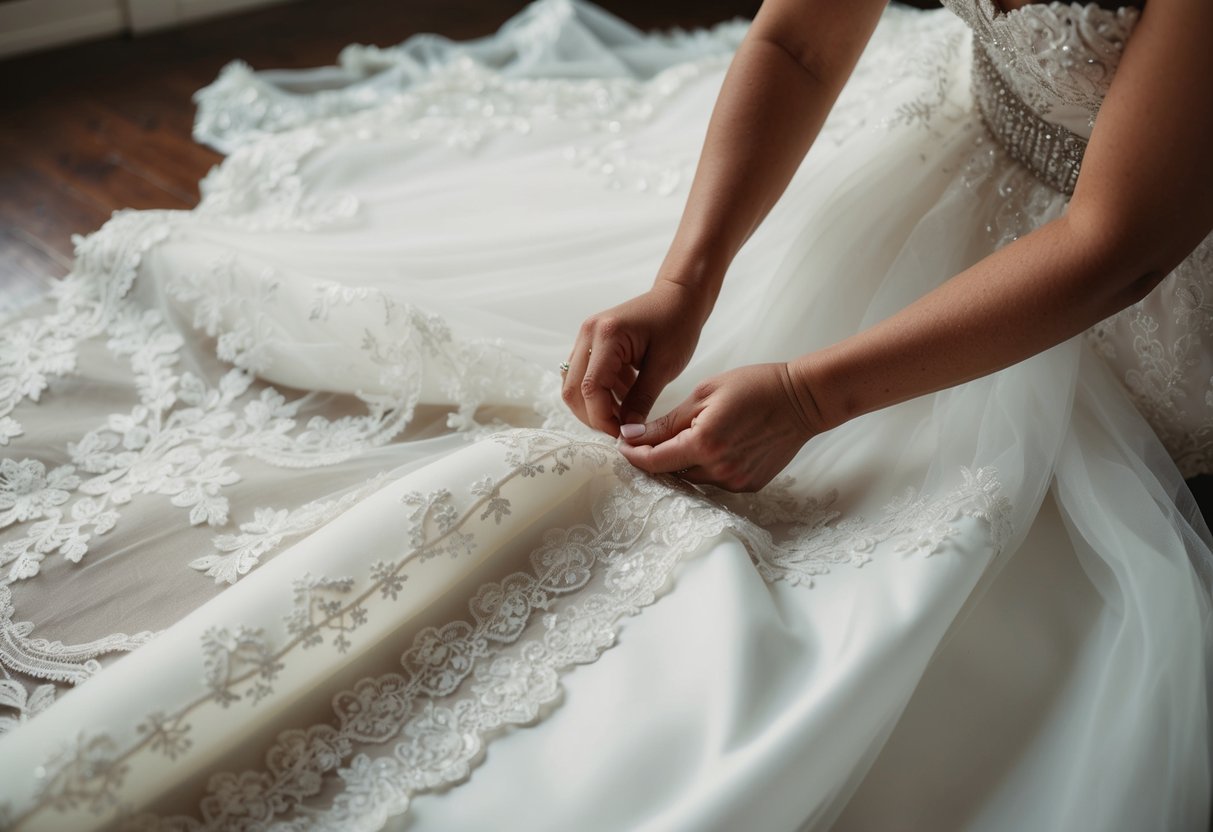
Getting the timing right is essential, especially as your wedding day approaches. You want to make sure that adjustments are made well before the event. Knowing how long it takes to hem your dress can help you plan accordingly and reduce any last-minute stress.
As you consider your options for alterations, keep in mind that giving yourself ample time can lead to a more satisfying result.
Understanding Hemming and Alterations
When you decide to hem a wedding dress, it’s essential to know what hemming is and how a professional can help. Understanding the role of a tailor or seamstress in the alterations process will give you a clearer idea of your options.
What is Hemming?
Hemming is the process of finishing the edge of a fabric to prevent it from unraveling. For a wedding dress, this usually means shortening the length to achieve the perfect fit. A good hem should look clean and neat.
There are different types of hems, including a straight hem, a rolled hem, or even a lace hem that adds a decorative touch. A skilled seamstress often lifts any embellishments like lace or beading while hemming to avoid damage. This careful approach ensures that your dress looks beautiful from all angles.
The Role of a Tailor or Seamstress
A tailor or a professional seamstress plays a vital role in achieving the perfect fit for your wedding dress. Their expertise helps make precise alterations and ensure that your gown complements your body shape.
They assess not just the length but also how the dress falls and moves as you walk. Your tailor will use techniques like taking in the bodice or adjusting the sleeves, which enhances comfort and style.
Their skills are important for intricate dresses, as they can make alterations without compromising the overall design.
The Importance of Dress Alterations for Comfort
Comfort is key on your wedding day. A wedding dress that fits well allows you to move freely and feel confident. Alterations can make a huge difference in how you experience your dress throughout the day.
Poorly fitting dresses can cause discomfort, making it hard to sit, dance, or enjoy your celebration. By opting for professional dress alterations, you can be sure that your gown is tailored to your body, allowing for easier movement.
Making the choice to invest in alterations is a step toward ensuring you look and feel your best on this important day.
Preparing for the Alteration Process
Getting ready for wedding dress alterations is key to ensuring the perfect fit and look. This involves understanding how the measuring process works, choosing the right hemline for your dress, and considering different gown styles.
Initial Consultation and Measuring
Your first meeting with the tailor is an important step. During the initial consultation, you will discuss your style preferences and what adjustments you need.
Measuring is crucial for achieving a perfect hem. The tailor will take your measurements while you wear the shoes you plan to use. This helps determine the right hem length for your gown. Be prepared to try on your dress and possibly other styles to see what looks best.
Taking accurate measurements ensures your wedding dress fits beautifully, whether you are wearing a floor-length gown or a tea-length dress. Make sure to communicate your vision clearly and ask questions about the process.
Choosing the Right Hemline for Your Dress
Selecting the correct hemline is essential for showcasing your wedding dress. Discuss the options available, such as a straight hem or a rounded one, depending on your style.
For a floor-length gown, the hem should just touch the floor while allowing for a comfortable walk. If you’re considering a tea-length dress, the hem typically falls between your knee and ankle, making it perfect for a charming look.
Take into account the overall vibe of your wedding. A formal dress may require a more classic finish, while a casual dress can allow for a more relaxed bridal look.
Understanding Wedding Gown Styles
Each wedding gown style has its specifics, which can affect the alteration process. For instance, dresses with illusion necklines may need special care when adjusting the hem.
Different styles might influence how the fabric falls and moves. A ball gown with a full skirt will have different requirements than a sleek mermaid style. Familiarize yourself with these differences to communicate effectively with your tailor.
Being aware of your dress’s style can help you maintain the intended silhouette while achieving the perfect fit.
Factors Affecting Hemming Time
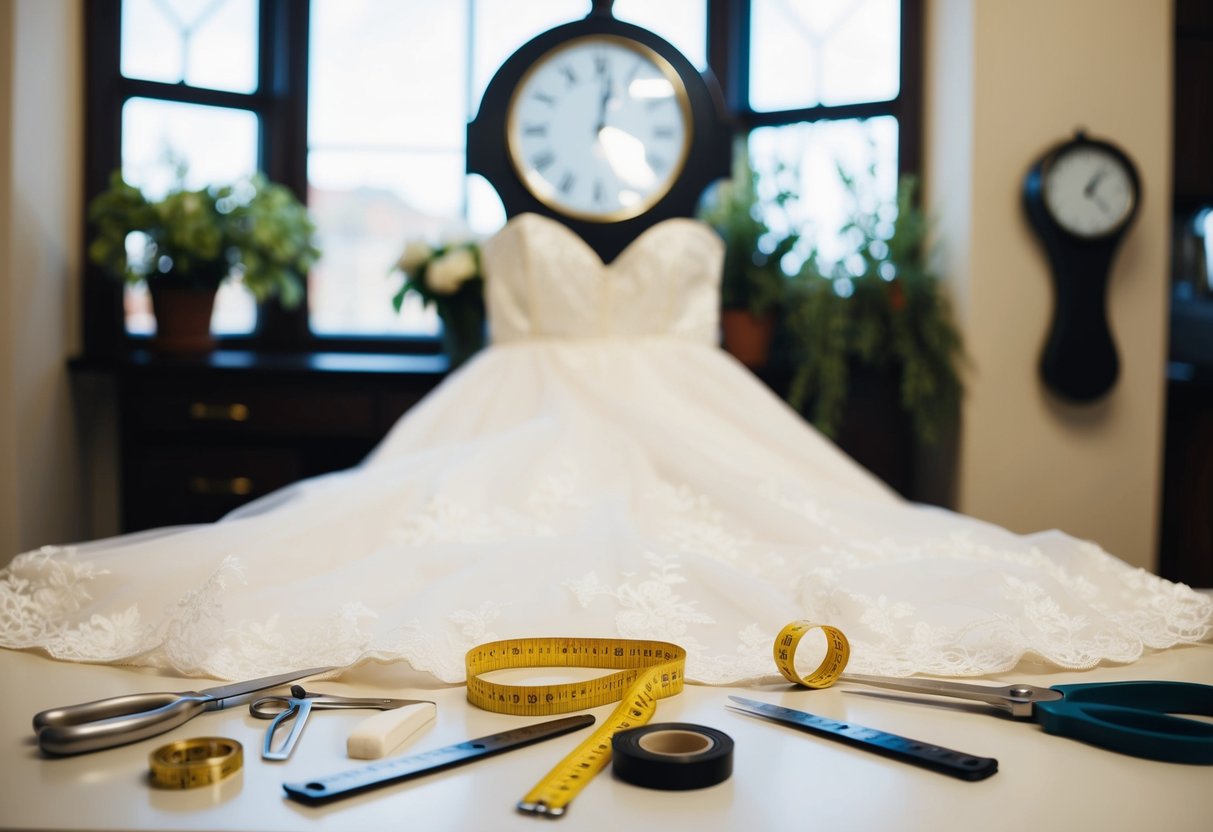
When hemming a wedding dress, several important factors can influence the time it takes to complete the task. Understanding these factors helps set realistic expectations for your fitting appointments and final look.
Fabric and Material Considerations
The type of fabric you choose significantly impacts hemming time. Softer fabrics like satin and chiffon can be easier to handle, allowing for quicker adjustments. On the other hand, delicate fabrics such as tulle may require more care to prevent damage.
If your dress features heavier materials or multiple layers, this adds complexity. Hemming lace trim or fabrics with intricate designs takes extra time because of the precision needed to maintain the design’s integrity. The more layers or details involved, the longer you should expect the process to take.
Detailing and Customization Effects
Customization can greatly affect how long it takes to hem your wedding dress. If your dress has embellishments like beading or intricate designs, the tailor needs to work carefully to avoid damaging these features. Each bead must be adjusted or removed, and this attention to detail requires significant time.
Additionally, if you request special hem styles, like a curved hem or a scalloped edge, the extra work involved will increase the timeframe. These details can make your dress unique, but they also lead to longer hemming sessions, so be prepared for that.
The Fitting Schedule
Your fitting schedule also plays a role in the hemming time. If your dress needs adjustments before the final fitting, those alterations can take extra time. A fitting appointment at a bridal boutique typically includes checks for the perfect length and style adjustments.
It’s essential to allow enough time for multiple fittings, as trying on the dress can reveal additional needs. This way, you ensure a perfect fit without rushing the process, preserving the quality of your beautiful gown.
The Cost of Hemming a Wedding Dress
Understanding the cost of hemming a wedding dress can help you plan your budget better. The price can vary based on factors like the fabric, dress complexity, and location. Let’s break down the main costs involved.
Estimating Your Alteration Budget
When budgeting for hemming your wedding dress, expect to spend between $70 and $280. This range depends mainly on the type of fabric and whether your dress has extra details like lace or beading. For example, simpler fabrics like tulle cost less to hem than more complex ones like silk.
Consider getting quotes from several seamstresses. They might charge different rates based on their experience and your location. Additionally, factor in that alterations often require 1 to 3 fittings. Each fitting could add extra costs to your alteration budget.
Additional Expenses to Consider
Hemming a dress can come with additional costs. Many seamstresses charge hourly rates for additional work. This can range from $30 to $40 per hour, depending on where you live.
If your dress needs more than just hemming, like resizing or other alterations, prices can add up. Don’t forget to account for the cost of travel to the tailor, especially if you are trying multiple shops. All these factors together can influence your total alteration cost and should be planned for in advance.