
How Many Hours Should a Wedding Day Be? Tips for Planning Your Perfect Timeline
Planning your wedding day can be exciting but also overwhelming. You might wonder how long everything should last. Typically, a wedding day should be around 8 to 12 hours long to cover all the key moments, from getting ready to the last dance.
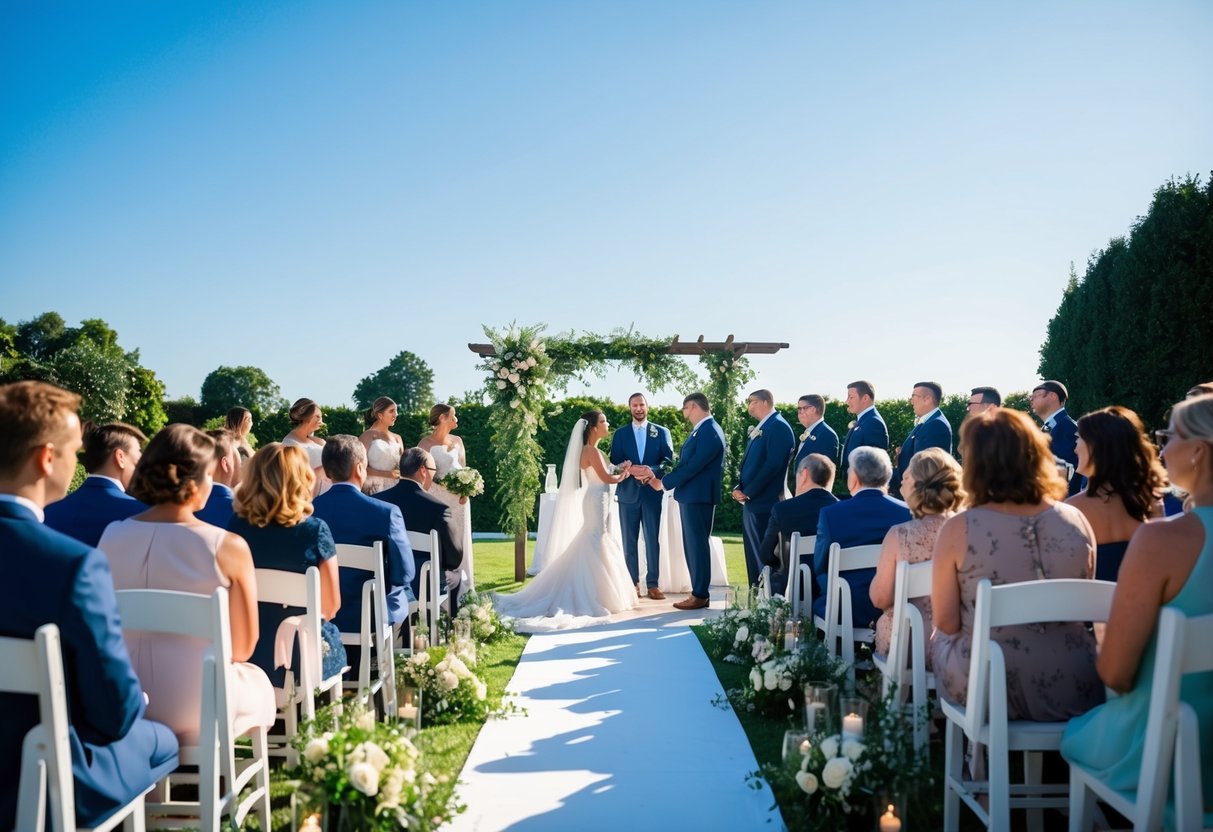
You want your day to flow smoothly and give you time to enjoy each special moment. Whether it’s the ceremony, reception, or those precious snapshots with family and friends, having a well-timed schedule helps make your day memorable.
As you read on, you’ll discover tips on how to structure your wedding day to make the most of this important event. With the right timeline, you can relax and cherish every moment with your loved ones.
Planning Your Wedding Day Timeline
Creating a wedding day timeline helps ensure that everything runs smoothly. You want to cover key moments and allow enough time for getting ready, photos, and the ceremony.
Let’s dive into how to shape your perfect wedding day schedule.
Determining the Length of Your Wedding Day
The length of your wedding day depends on various factors like the ceremony time and the number of events. Most weddings range from 8 to 12 hours. A typical start time could be around 10 a.m., leading to a late afternoon or evening reception.
Consider what activities are most important to you. For example, if you plan a first look before the ceremony, you’ll need to add extra time into your schedule.
Start with a basic draft and adjust as needed based on your preferences and vendor recommendations.
Key Moments to Consider for Timing
When planning your wedding timeline, it’s crucial to factor in all key moments. Some essential events include:
- Ceremony Start Time: Choose a time that works for your venue and guests.
- First Look: If you opt for this, schedule it about 1-2 hours before the ceremony.
- Family Portraits: Allow at least 30 minutes after the ceremony for family photos.
- Cocktail Hour: Generally, this lasts about an hour while you are getting your couple and wedding party portraits taken.
By allocating enough time for each moment, you’ll help avoid any rushed feelings throughout the day.
Getting-Ready Timeline Tips
The getting-ready process can set the tone for your day. Start your morning early, especially if you have a larger wedding party. Here’s a suggested timeline:
- 7:00 a.m.: Bridesmaids arrive for hair and makeup.
- 8:00 a.m.: Bride’s hair and makeup begin.
- 9:30 a.m.: Final touch-ups for everyone.
- 10:30 a.m.: Time to get dressed and do a final check.
Be sure to share the getting-ready guide with your hair and makeup team to avoid delays. Every moment counts, so plan ahead!
The Ceremony and Reception
Your wedding day is a collection of special moments, beginning with the ceremony and flowing into the reception. Planning the timing for both is key to ensuring everything runs smoothly and your guests enjoy every part of the celebration.
The Wedding Ceremony Essentials
The wedding ceremony is typically the first major event of the day. It usually lasts about 30 to 60 minutes. Make sure to schedule enough time for guests to arrive, find their seats, and settle in before the ceremony begins.
Important elements include the procession, exchange of vows, and ring exchange. You might also want to have readings or music that reflects your relationship. Capture these moments with professional photography to create lasting memories.
Consider the rituals you want to include, such as unity ceremonies or special acknowledgments. They add a unique touch to your ceremony. Make sure to communicate the order of events to your officiant and wedding party to ensure a smooth experience.
Transition to the Reception
After the ceremony, transition seamlessly into the reception. Plan for a brief period for guests to congratulate you. This allows for joyful interactions and fosters a welcoming atmosphere.
A cocktail hour is a popular choice. Guests can enjoy light refreshments and mingle while you take photos. This hour is usually filled with drinks and appetizers, giving everyone a chance to relax before the main events begin. Enjoy this time to mingle with guests before joining the party.
Ensure the reception space is ready for your arrival. Your grand entrance should be lively, setting a joyful tone for the evening. Once you’re settled, a welcome toast can kick off the festivities and express gratitude to your guests for celebrating with you.
Reception Highlights
The reception is filled with activities that honor your love. Start with dinner service, allowing guests to enjoy their meals together. This can be sit-down or buffet style, depending on your preference.
As dinner concludes, it’s time for toasts. Parents, the best man, and maid of honor might share heartfelt words. Following that, the cake cutting is a sweet highlight, symbolizing your first shared act as a married couple.
Your first dance is a moment to shine, followed by parent dances. This creates a warm atmosphere, where guests can feel the love in the room. After that, it’s time for dancing! Incorporate a dance set to keep energy high. Traditional elements like the bouquet toss and garter toss can add fun and excitement as well. Don’t forget to offer dessert to round off the evening on a sweet note!
Capturing the Memories
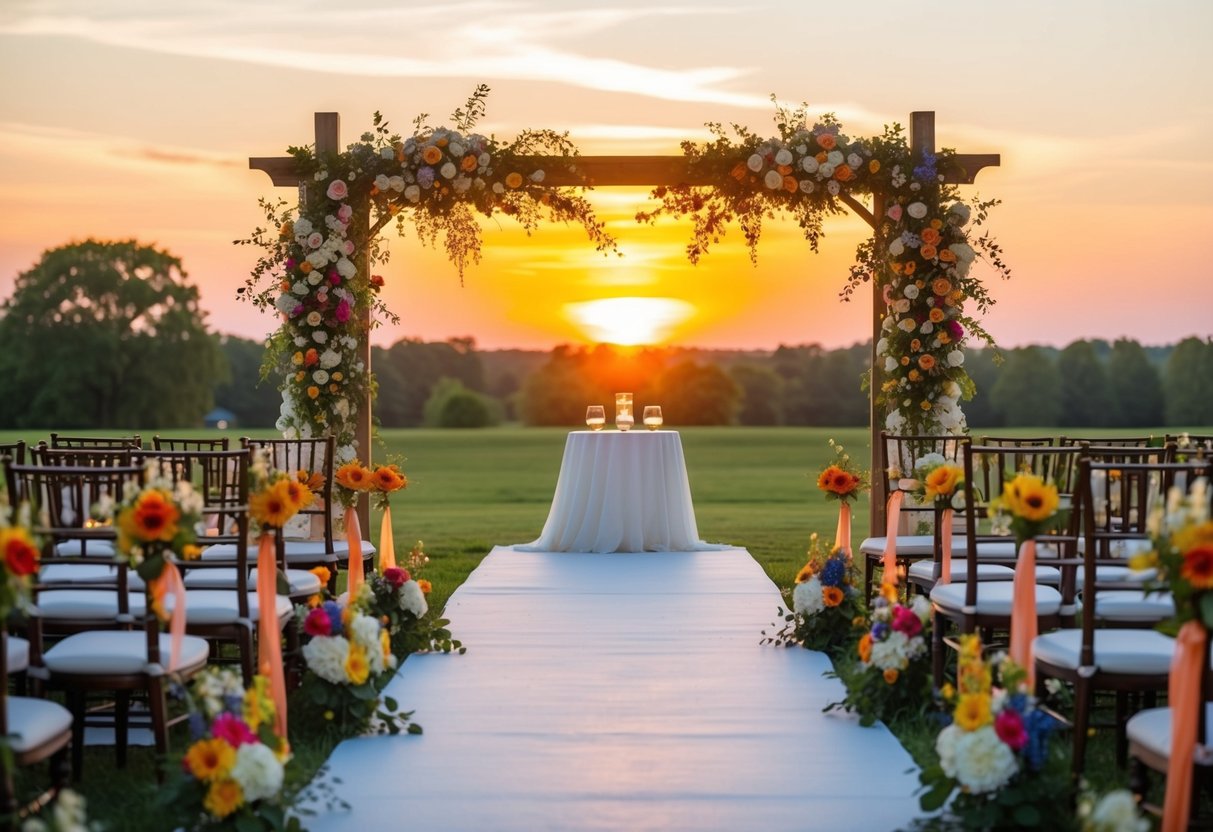
Planning for how many hours your wedding photographer will be present is key to capturing all the special moments. From getting ready to the celebration, each part of your day deserves attention.
Photography Schedule on Your Big Day
Start your day by coordinating with your wedding photographer. This ensures they arrive during important moments, like when you and your bridal party are getting ready. Schedule around 8 to 10 hours for optimal coverage.
Think about including:
- Bridal portraits: These set the tone for your day.
- Family photos: Gather family members early to ensure you don’t miss anyone.
- Time for individual shots with flower girls and the bridal party.
Keeping this timeline in mind helps reduce stress. Make sure you communicate specific moments you want captured, such as candid shots during the ceremony and fun during the reception.
Ensuring Time for Key Shots
Timing is crucial, especially for sunset photos. Check the sunset time on your wedding day, as it can be a stunning backdrop for photos.
Plan for specific moments like your first look or couple’s portraits before the ceremony. Communicate with your photographer about key shots you want.
Don’t forget the fun! Make time for those spontaneous dance floor photos. By scheduling these moments into your day, you will ensure your photographer captures all the memories you will cherish for years.
The Grand Farewell
The grand farewell is a special moment that signals the end of your festivities. Consider planning a stunning grand exit. It can be a memorable experience for everyone. Options like sparklers, bubbles, or confetti create a fun atmosphere as you leave.
Talk to your wedding coordinator about timing. Aim for this to occur shortly after the last dance. This will allow guests to join in on the send-off. A stress-free wedding is all about planning. So, share your ideas with your wedding planner to make sure your grand farewell is just as you envisioned.