
How Many Invites Do You Need for a Wedding? Tips for a Perfect Guest List
Planning your wedding can be both exciting and overwhelming, especially when it comes to creating your guest list. A good rule of thumb is to order one invitation per household rather than per person. This means you should first estimate how many people you want to invite, and then adjust based on the number of households represented in that list.
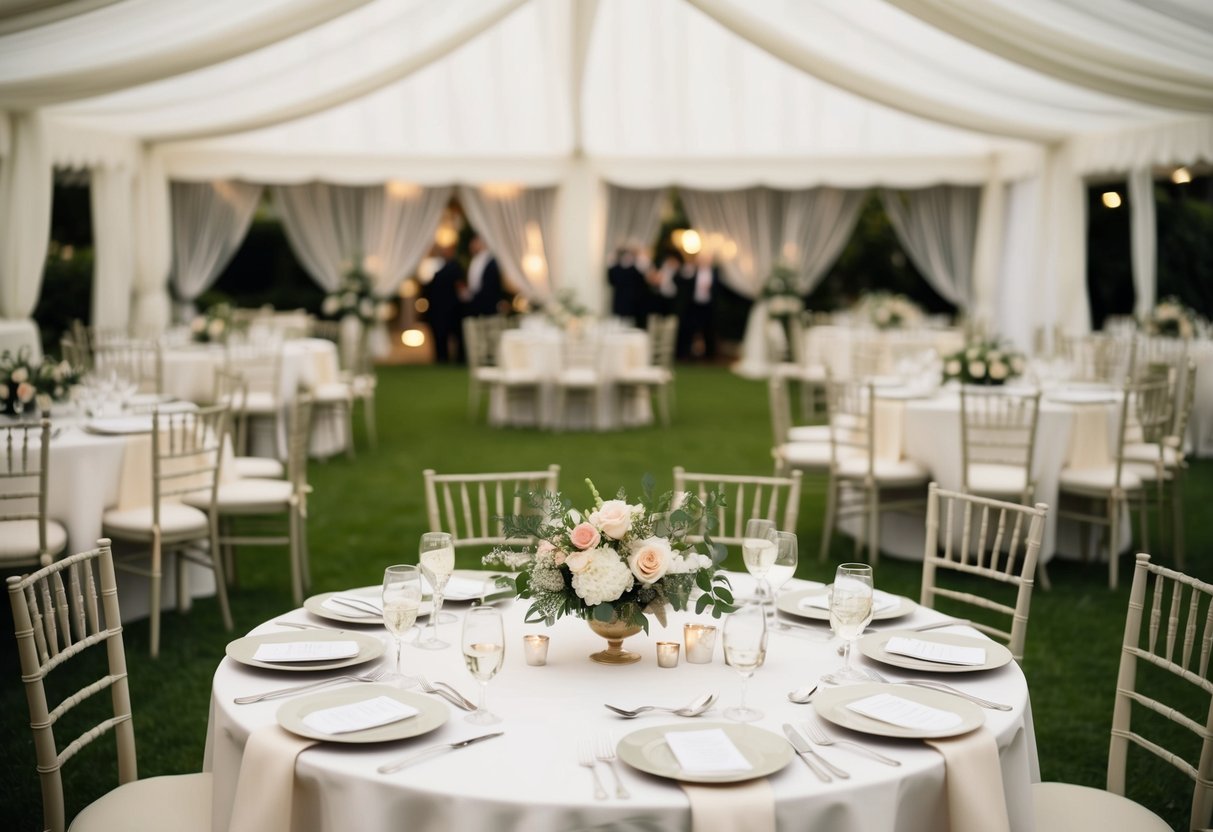
The next important step is to think about how many guests you expect to actually attend. Typically, around 70% to 85% of those invited will show up. This is a useful guideline when deciding how many extra invitations to order. By inviting more than the number you want to attend, you can help ensure that your celebration is well attended.
As you figure out the details, remember to finalize your guest list before sending out save-the-dates or invitations. Having a clear idea of your numbers will make the planning process smoother and keep your stress levels in check.
Let’s dive into the details of how to determine the right number of invites for your big day!
Determining the Size of Your Wedding

Deciding on the size of your wedding is crucial. It shapes your guest list, event budget, and overall atmosphere. You will need to consider how many people you want around you on your special day.
Setting the Guest Count
Start by creating a draft of your guest list. Write down everyone you want to invite, from closest family to friends you haven’t seen in a while. This will help you visualize your ideal wedding size.
Consider the average wedding size, which typically falls between 100 to 150 guests. If you prefer an intimate wedding, aim for fewer than 50 guests. In contrast, a large wedding can go over 200.
Think about whether you might want to add a plus-one for singles on your list. This choice affects your number of guests. It’s wise to allow for adjustments to find the number that fits before sending your invitations.
Selecting Your Wedding Style
Your wedding style plays a significant role in determining your guest list. If you want a casual feel, you might host a bigger event. A big wedding can be lively but also more complex to organize.
For a small or micro wedding, typically 10 to 50 guests, the atmosphere tends to be more intimate and personal. This type allows for heartfelt connections and can simplify planning. You might also consider an elopement. This choice narrows your list to just you and your partner or a few key loved ones.
Think about the venue, as well. Some places can only accommodate a limited number of guests. Ensure your guest count matches your venue to create the best experience on your special day.
Creating the Guest List

Crafting your wedding guest list is a key part of planning. It helps you determine how many invitations to send and manage your event properly. A solid strategy makes the task easier.
A-List and B-List Strategy
Start with your A-list. This includes all the must-invite guests, like close family and best friends. Write down their names first, as they are the core of your celebration.
Next, create a B-list. This group includes friends or extended family you want to invite but aren’t essential. If someone from your A-list can’t attend, you can invite someone from the B-list. This way, you can stay within your budget while still including everyone you hope to see.
A smart approach is to keep your guest list organized. You might use a simple table with names, addresses, and RSVP status, which helps track who’s coming from each list.
Managing Plus-Ones
Deciding on plus-ones is also important. Many guests will want to bring a date, so set clear rules. Determine who gets a plus-one based on your guest list.
For example, close friends and partners typically get plus-ones, while acquaintances might not. This keeps your totals in check.
Think about how many households are involved too. If you’re inviting families, they generally count as one unit, making things easier.
Overall, you want to balance your guest list while ensuring everyone important to you can celebrate your big day!
Selecting and Ordering Wedding Invitations

Ordering wedding invitations can seem overwhelming, but it’s important to get it right. You’ll need to know how many invites to order and what type of stationery fits your style and budget.
Calculating Invitation Quantities
Start by making a guest list. Count each household rather than each person. Remember, some guests might bring a plus one, so factor that into your total count.
Extra Invitations: It’s wise to order extra wedding invitations. Aim for 10-15 additional invites. This gives you room for last-minute additions and keepsakes.
For example, if your guest list has 200 people, order about 220 invitations to cover these extras. Don’t forget to include extra envelopes as well; typically 10-15% more than the number of invites. This way, you’re set for addressing errors or last-minute changes.
Choosing the Right Stationery
When selecting your wedding stationery, think about your wedding theme. Consider colors, textures, and design elements that represent you and your partner.
You’ll find a range of options, from elegant to casual designs. Whether it’s classic embossed invitations or modern digital prints, ensure your choice aligns with what you envision.
Also, consider sending save-the-dates well in advance. This helps guests plan ahead. When selecting your stationery, remember to choose matching additional elements, like RSVP cards and thank-you notes, to create a cohesive look.
Lastly, don’t overlook the quality of paper. Higher quality cardstock makes a good impression and feels special to your guests.
Budgeting and Planning for Invitations

When planning your wedding, you need to carefully consider the costs of invitations and how they fit into your overall budget. Knowing what to expect can help you make informed decisions and avoid surprises later on.
Understanding Wedding Invitation Costs
Wedding invitations can vary greatly in price. Costs typically include printing, paper quality, and postage. On average, you might spend anywhere from $1 to $10 per invitation, depending on the design and materials.
Here’s a breakdown of potential costs:
- Printing costs: $0.50 to $3 per invitation
- Paper quality: $0.60 to $5 for premium options
- Postage: Currently around $0.66 per First-Class stamp
Make sure to budget for extras, like save-the-dates and thank-you cards. If you’re planning a destination wedding, consider that shipping costs for invitations may increase, too. It’s wise to set aside an extra 10-15% of your budget for unexpected costs and errors, such as addressing mistakes.
Accounting for RSVPs and Attendance
When you send out invitations, consider that not every guest will attend. Generally, guests have an attendance rate of about 75-85%. This means if you invite 100 people, around 75 to 85 will likely show up.
To manage this, gather your guest list early and track RSVPs clearly. Use a spreadsheet to keep tabs on who responds and if there are any addressing errors. You can also send reminders closer to the date to ensure accurate attendance.
Plan for some extra invites as well, just in case you need to add people later. Having a couple of extra invitations on hand can save you from last-minute stress.