
How Many Is Considered a Small Wedding? Understanding Guest Counts for Intimate Celebrations
Choosing the right size for your wedding can be tricky, especially when you’re deciding if you want a small, intimate celebration. A small wedding typically has 50 guests or fewer. This allows for a cozy atmosphere where you can connect more deeply with your loved ones.
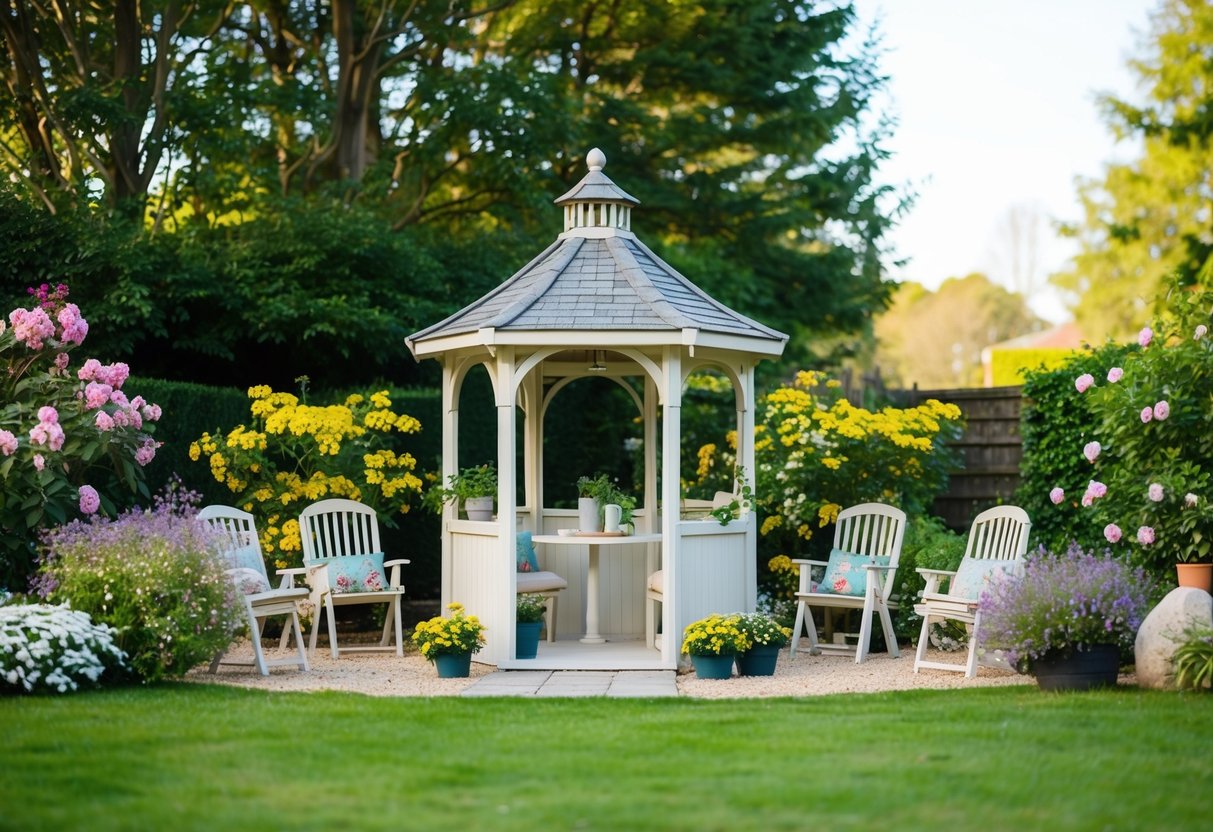
An intimate wedding not only makes your guest list more manageable but also creates a warm and personal experience. Imagine sharing meaningful moments with just your closest friends and family, without the stress of a larger event.
Whether you’re thinking about a tiny gathering or a slightly bigger affair, knowing how many is considered a small wedding can help you plan the perfect day that matches your vision.
Determining the Right Size for Your Wedding
Choosing the right size for your wedding is an essential part of planning. You’ll want to consider how many guests you wish to invite, the kind of atmosphere you want to create, and how intimate you want the event to feel.
Understanding Small Weddings
A small wedding typically has a guest count of fewer than 50 people. This size allows for a more intimate atmosphere. You can enjoy deeper connections with each guest. Some couples even opt for micro weddings, which include 15 people or less. These gatherings can be held in backyards or unique venues, making them feel special and personalized.
The charm of a small wedding lies in its simplicity. You can focus on meaningful details, like personal vows and shared moments, rather than managing large crowds. This setup can often fit better within a tighter budget too, allowing for more luxurious touches elsewhere.
Assessing Guest List and Intimacy
When planning your guest list, think about which friends and family members are most important to you. It’s helpful to list everyone you might invite first. Then, narrow it down based on your vision of the day. This process can help you achieve the level of intimacy you want.
Consider the dynamics of larger gatherings. More guests can mean more noise and less personal interaction. For more intimate moments, keep your guest list small. Remember, this is your special day, and the right guest count should reflect your preferences and comfort level.
Comparing Wedding Sizes
It’s good to know the differences between various wedding sizes. A small wedding includes up to 50 guests. A medium wedding typically accommodates 50-150 guests, while a large wedding usually has over 150 attendees.
Think about what each size means for your wedding. A big wedding can feel festive but can also be hectic. In contrast, a small wedding gives you the chance to celebrate with close loved ones. Take time to picture each scenario—the ambiance, the interaction, and the overall feel—before making your final choice.
Planning Your Small Wedding
Planning your small wedding can be an exciting and rewarding experience. You’ll need to focus on choosing the right venue, managing your budget effectively, and organizing your wedding planning strategies. These elements will help you create a memorable day that reflects your unique style.
Selecting the Perfect Venue
The venue sets the tone for your small wedding. Look for locations that cater to smaller guest lists, such as charming gardens, intimate restaurants, or cozy homes.
Consider these factors:
- Capacity: Ensure the venue comfortably fits your guest count, usually 50 people or fewer for a small wedding.
- Location: Choose a spot that’s convenient for most guests.
- Ambiance: Select a place that matches your style, whether it’s elegant or casual.
Visit multiple venues to compare. Ask questions about catering options, decor policies, and available times. A wedding planner can also help you find a venue that suits your vision.
Budgeting for Your Wedding
A clear budget helps keep your wedding plans on track. Start by listing all potential expenses, including:
- Venue rental
- Catering and drinks
- Invitations
- Decor and flowers
- Wedding planner fees
Using a budget spreadsheet can help you track costs effectively. Remember, small weddings often mean lower expenses since you can focus on quality over quantity.
Factor in any unexpected costs. Set aside 10-15% of your budget for surprises. Prioritize what matters most, whether it’s the food, photography, or decor. Stick to your budget as you plan.
Wedding Planning Strategies
Organizing your small wedding involves figuring out your timeline and tasks. Here are some strategies to simplify your planning:
-
Create a Checklist: Break down tasks into manageable steps. Include deadlines for booking vendors, sending invitations, and finalizing details.
-
Choose Trusted Vendors: Research and hire reliable vendors. Look for reviews or recommendations to ensure quality.
-
Send Invites Early: Give your guests plenty of notice. Use digital invites for a quick and affordable option.
-
Stay Flexible: Be prepared for changes without stressing. Have a backup plan, especially with outdoor venues.
Keeping these strategies in mind will help you plan a smooth and enjoyable small wedding. Enjoy the process!
Creating a Personal and Meaningful Experience
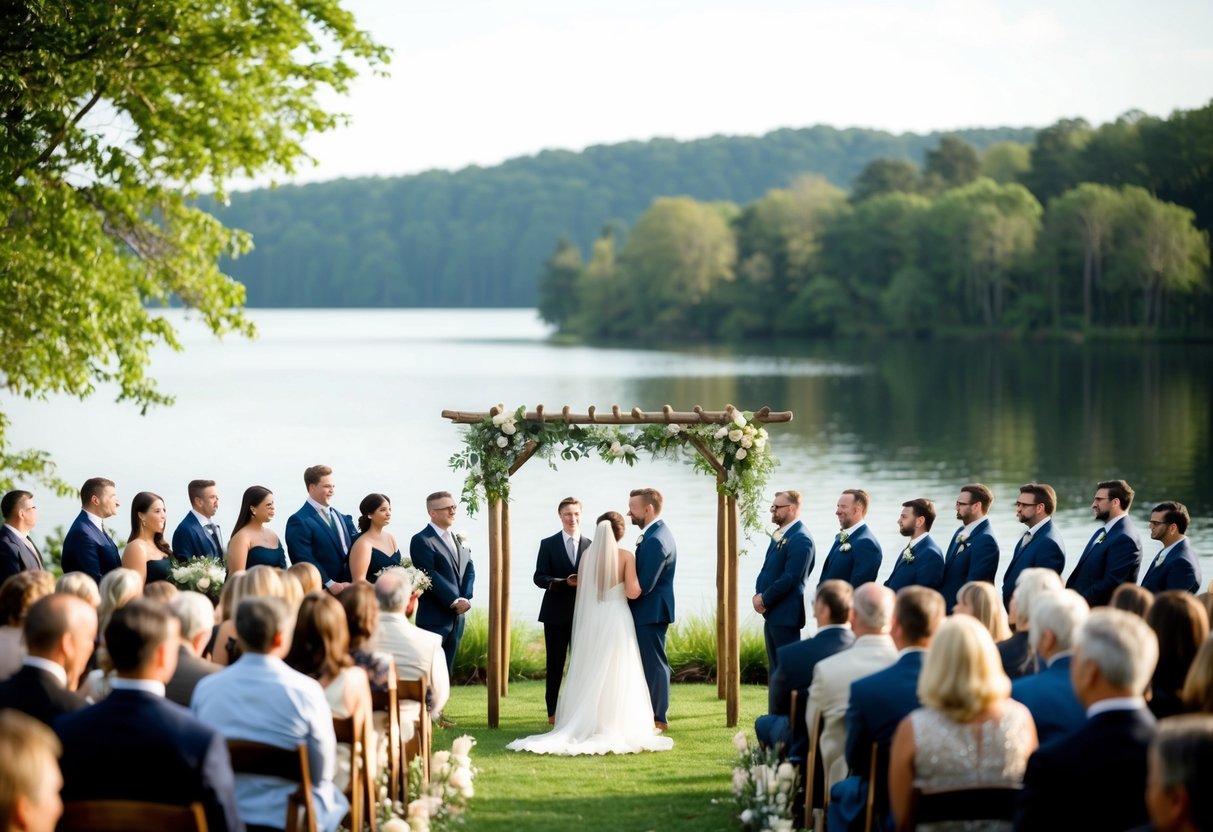
A small wedding offers a unique chance to create a personal and meaningful celebration. You can focus on what matters most to you and your partner, making the ceremony feel intimate and special.
Designing Intimate Ceremonies
For your ceremony, think about locations that feel private and special. Boutique hotels, gardens, or even a cozy backyard can set the perfect scene. These settings create a warm atmosphere for you and your guests.
Consider incorporating personal vows. Sharing your thoughts and feelings in front of your loved ones adds a deeper connection. You might even invite a close friend or family member to officiate, making the event more personal.
Choose seating arrangements that encourage closeness. A circular layout can help everyone feel involved. This small change can make a big difference in creating a cozy space.
Personalization and Details
Personalization is key to making your wedding uniquely yours. Start with creative touches that reflect your style. This could be themed decor or memorable keepsakes for guests.
Think about customizing your ceremony. You could include meaningful readings or songs that resonate with your relationship. Every detail, from floral arrangements to table settings, should showcase your love story.
Incorporate small tokens of appreciation for your guests. Personalized favors can further enhance the personal feel of your celebration. Consider handwritten notes or custom items that represent your journey together.
By focusing on these elements, you can craft an intimate and memorable wedding experience.
Logistics and Vendors for a Smaller Wedding
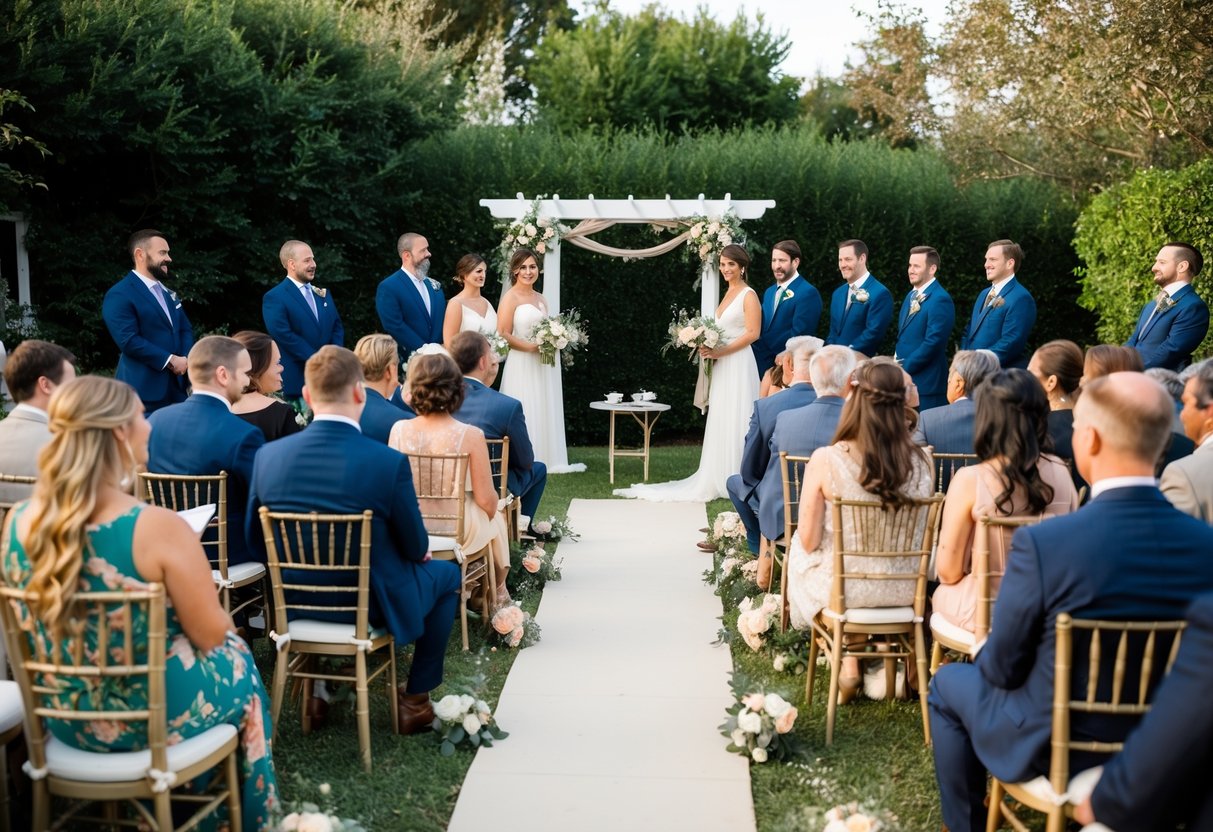
Planning a smaller wedding involves unique logistics and vendor choices. With a more intimate guest list, you can simplify some arrangements and get creative with your selections.
Working with Wedding Vendors
When working with vendors for your small wedding, prioritize those who understand your vision. A wedding planner can help streamline the process and manage details. Look for professionals who specialize in smaller events, as they often have insights tailored to your needs.
For catering, opt for delicious, shareable plates instead of a formal sit-down meal. A professional caterer can create a menu that suits your style. Don’t forget about a florist! With fewer tables, you can invest in stunning floral arrangements that make an impact.
Make sure to choose a wedding photographer who can capture intimate moments beautifully. They can focus on candid shots that show the emotions of the day. Alternatively, look for a vendor marketplace that specializes in smaller weddings to find other trusted professionals.
Innovative Ideas for Small Weddings
Your creativity can shine with a smaller wedding. Consider unique venue options like a cozy restaurant or a beautiful garden. These settings can create an intimate atmosphere that brings everyone together.
For entertainment, think outside the box. You might hire a local band or a solo musician to enhance the ambiance. With fewer guests, you can invest in high-quality experiences, like custom cocktails or gourmet food stations.
Lastly, personalize your decor to reflect your style. Use handmade items or family heirlooms to add warmth. Smaller weddings allow for these personal touches, making the event even more special for you and your guests.