
How Many Menus Do I Need for a Wedding? A Quick Guide for Every Couple
When planning your wedding reception, one important detail to consider is how many menus you need for your guests. A good rule of thumb is to have one menu per table. However, providing each guest with their own menu can enhance the dining experience. This small touch can really make a difference in how your guests feel during the meal.
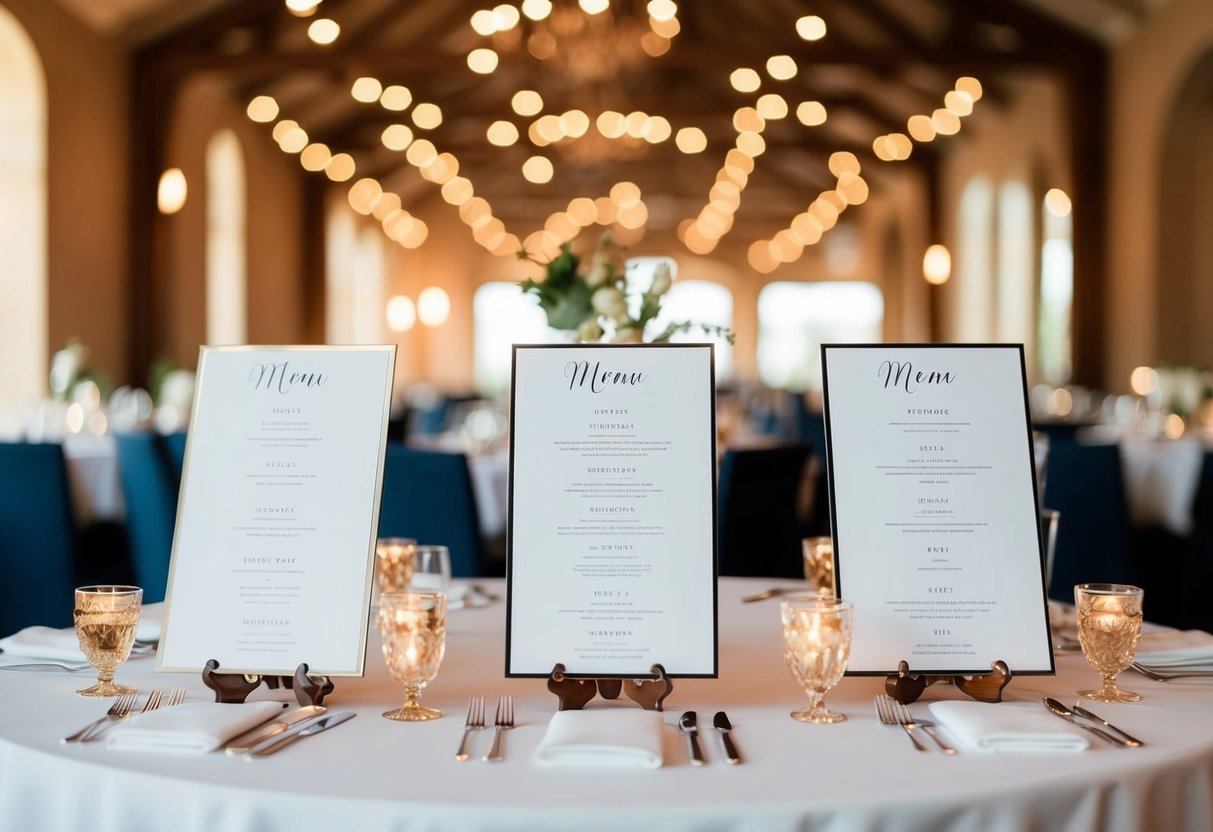
Depending on your guest count and the style of your reception, the number of menus can vary.
For a sit-down dinner with multiple course choices, having menus sets at each place can help guests know their options. If you’re hosting a buffet, a single menu per table can effectively serve as a preview, keeping the atmosphere casual yet elegant.
Getting the right number of menus not only supports your theme but also adds to the overall ambiance of your celebration. So, think about what fits best with your vision and make choices that will delight your guests as they enjoy your special day.
Determining Your Guest Count and Menu Size
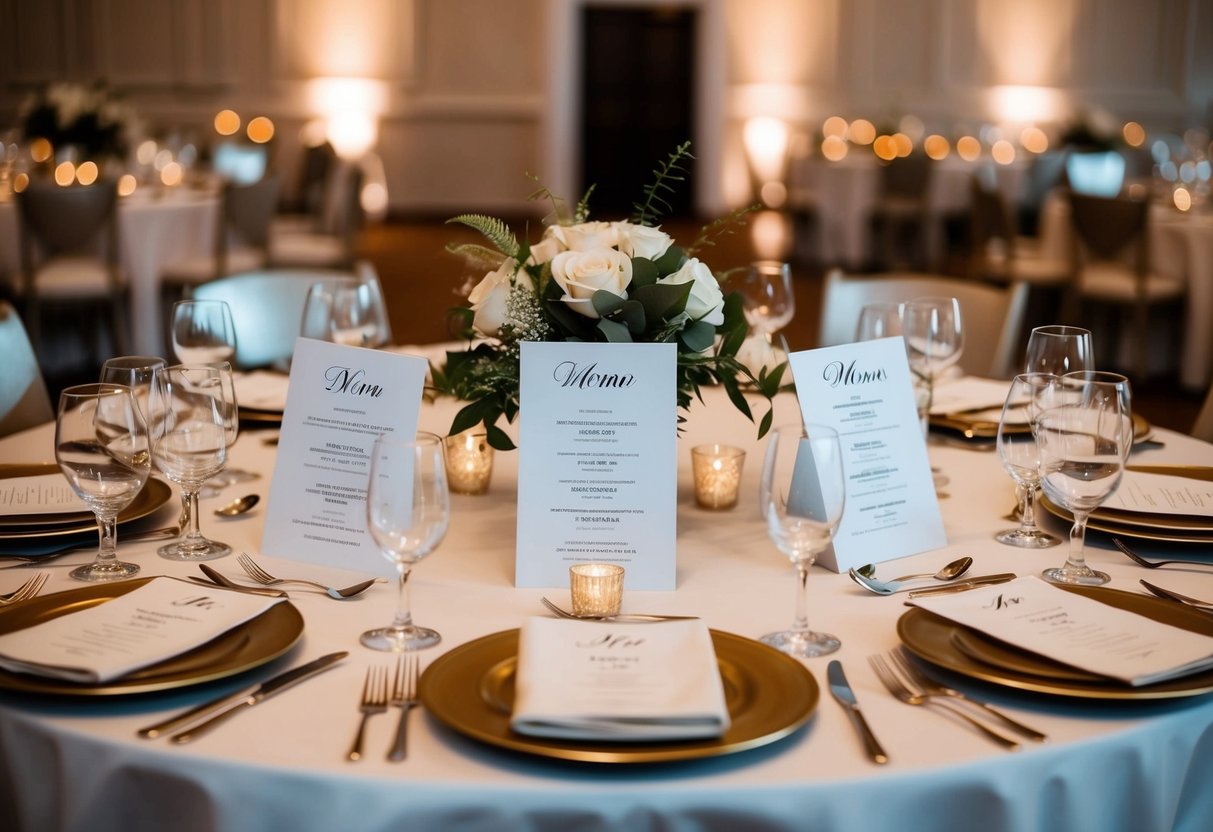
Knowing your guest count is essential for planning how many menus you will need for your wedding. The size of your menu and the arrangements at each table will also help in making this decision. Let’s break down the key aspects to consider.
Calculating Menus Per Table
To start, think about how many guests will sit at each table. If you have larger tables with 10 or more guests, it may be practical to place a menu at each place setting. This way, everyone can easily see their options without needing to pass around a single menu.
For smaller tables, one menu may suffice, as guests can share it easily. As a rule of thumb, having at least one menu for every two guests can provide a good balance. Consider the layout of your tables, which can affect how many menus you need to provide.
Considering Individual Menu Cards
Individual menu cards can enhance your guests’ experience. When you provide a menu card at each place setting, it allows guests to have a personal touch. This is especially important if your menu includes multiple courses or options.
You might want to design the cards to be keepsakes, making them more memorable. When planning for menu cards, don’t forget to factor in your total guest count, including any vendors you’re feeding. This ensures everyone at your event has the chance to view the options clearly and enjoy the meal you’ve planned!
Selecting the Meal Options
Choosing the right meal options is crucial for your wedding. It sets the tone for your reception and ensures guests enjoy their time. You want to think about the style of service and the variety you offer.
Choosing a Plated Meal or Buffet Style
When deciding between a plated meal and buffet style, consider your guest list and venue. A plated meal is elegant and allows for smooth service. Each guest receives a meal at their seat, which can enhance the dining experience.
On the other hand, a buffet-style dinner encourages guests to mingle. It often allows for a broader selection of dishes. This option can be more casual and may fit a relaxed atmosphere.
Consider your budget as well. Plated meals may require more staff for serving, while buffets might save on labor costs. Think about your guests’ preferences. Offer options like vegetarian or gluten-free dishes to accommodate dietary needs.
Offering a Variety of Courses
Offering multiple courses can elevate the dining experience. A three-course meal typically includes an appetizer, main course, and dessert. This format allows guests to enjoy a well-rounded meal.
Start with a delicious appetizer to whet their appetite. This could be bite-sized portions of popular dishes. Then, for the main course, you can choose from options like chicken, beef, or a hearty vegetarian dish.
Don’t forget dessert! Your cake can be the centerpiece, but consider adding other sweet treats as well. This creates a delightful finish to the meal and gives guests a chance to indulge.
Overall, providing a variety of meal options helps ensure everyone leaves happy and satisfied.
Accommodating Special Dietary Needs
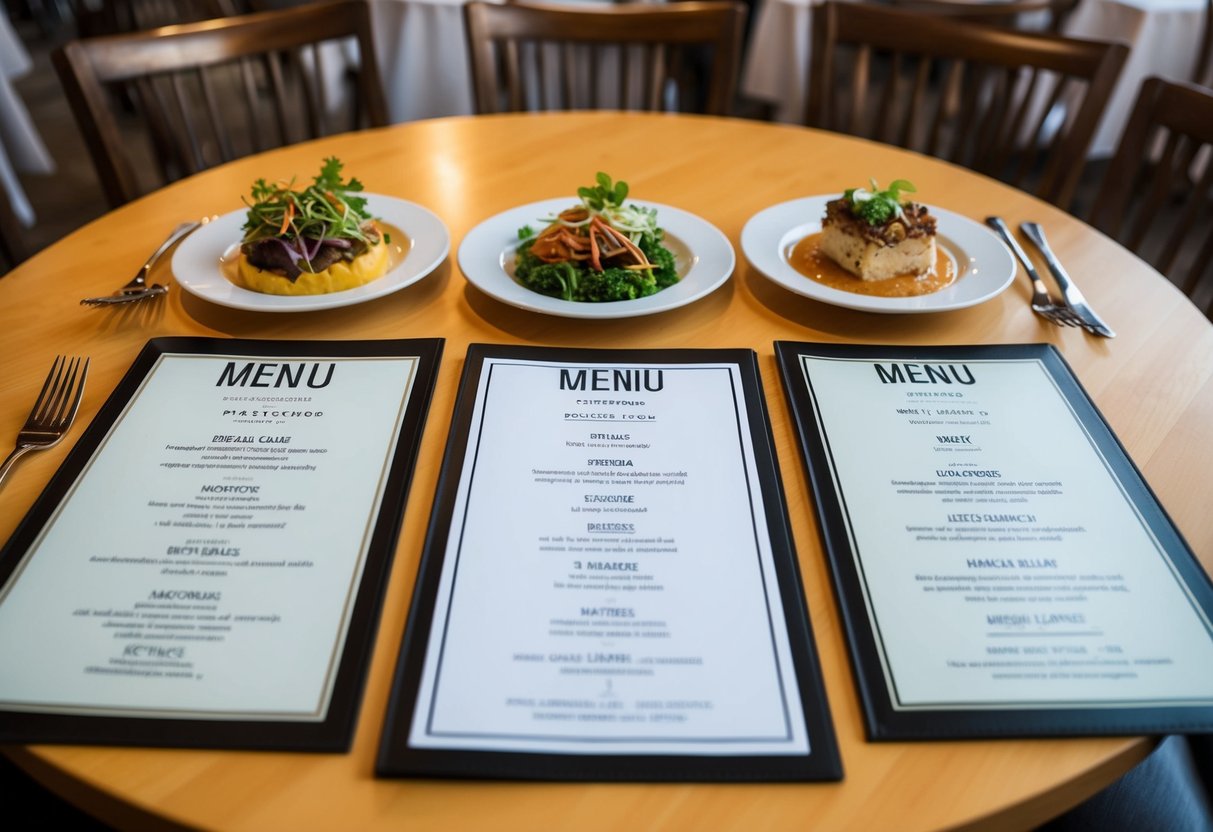
When planning your wedding menu, it’s important to consider the diverse dietary needs of your guests. Addressing food allergies and intolerances while providing options for various dietary restrictions and preferences ensures everyone can enjoy the celebration.
Addressing Food Allergies and Intolerances
Food allergies can pose serious health risks, so it’s essential to identify and accommodate them. Start by asking your guests about allergies when you send out invitations. Common allergens include:
- Peanuts
- Tree nuts
- Dairy
- Eggs
- Gluten
- Shellfish
Once you gather this information, work with your caterer to create a menu that avoids these allergens. You might want to include a separate dish for those with allergies, labeling it clearly. Always communicate that certain items are made without major allergens, which helps your guests feel safe while dining.
Providing for Dietary Restrictions and Preferences
Your guests may have specific dietary restrictions or preferences that impact their meal choices. Options like vegetarian, vegan, or gluten-free meals can cater to diverse dietary requirements. Consider including:
- Vegetarian options: Dishes without meat or fish.
- Vegan meals: Plant-based options free from all animal products.
- Gluten-free choices: Meals that exclude gluten but still offer texture and flavor.
Consulting with your caterer about these options is also key. Offering a well-rounded menu will help ensure that all your guests have delicious meals to enjoy during your special day.
Designing Your Wedding Menu Cards
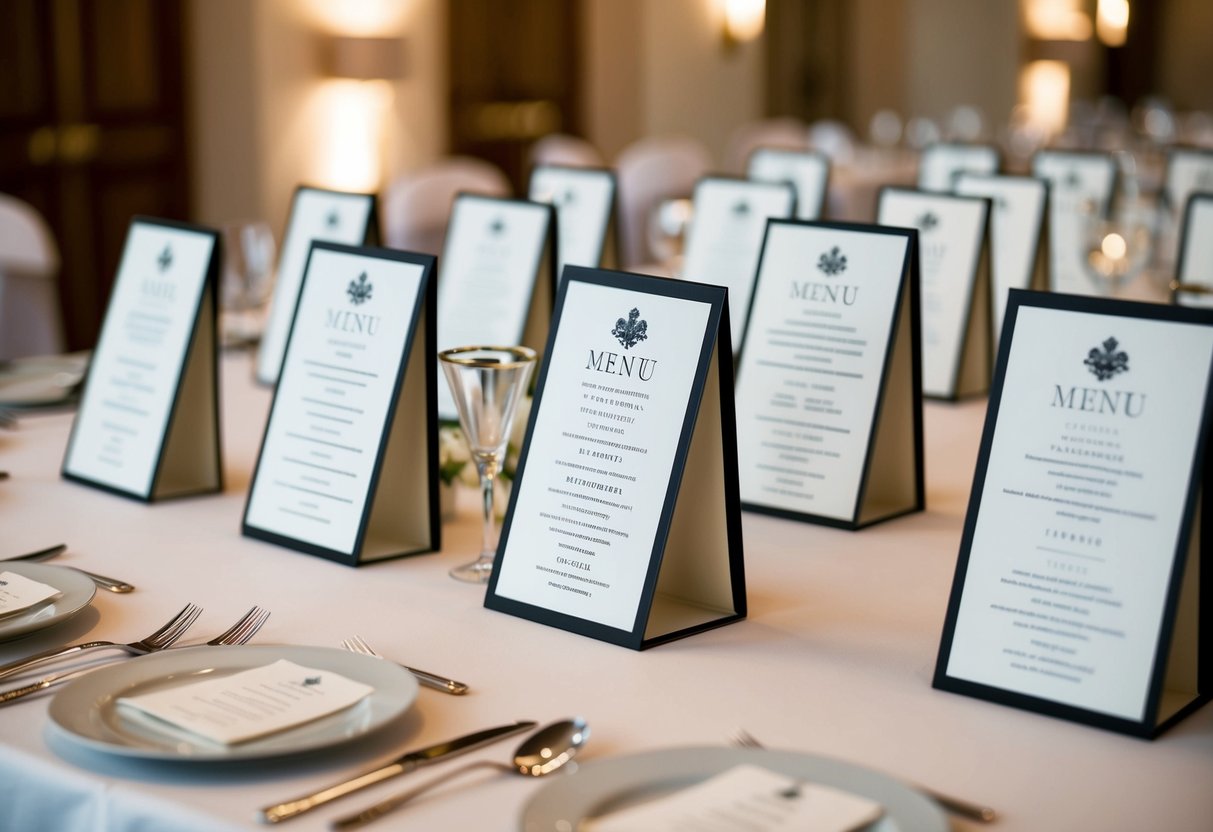
Creating stunning wedding menu cards is an important part of your reception design. The menus should reflect your style while providing guests with clear information about the meal. Here are key considerations to help you design effective menu cards.
Incorporating Style With Minted Cards
Using Minted cards is a great choice for your wedding menu. They offer a range of unique designs that you can customize to match your wedding theme.
When selecting a style, consider your overall color scheme and decor. Choose fonts that are easy to read. Make sure the text size is large enough for your guests.
Additionally, think about the layout. You might prefer a simple one-page design or a more detailed card that lists multiple courses. You can also add decorative elements like your names or wedding date for a personal touch.
Finalizing Details on Menu and Table Numbers
Remember to coordinate your menu cards with your table numbers. This helps create a cohesive look. Use similar colors, fonts, and styles for both.
As you finalize your menu, include a clear description of each dish. This not only guides your guests but can also serve as a conversation starter.
If you are serving a multi-course meal, be clear about which dishes correspond to each course. You might consider using bullet points for easy reading. This attention to detail will make a positive impression on your guests.