
How Many Menus per Table for a Wedding? Tips for Perfect Planning
Choosing the right number of menus per table at your wedding can enhance your guests’ dining experience. A good rule of thumb is to provide one menu for every two guests. This ensures that everyone has access to the menu without cluttering the table.
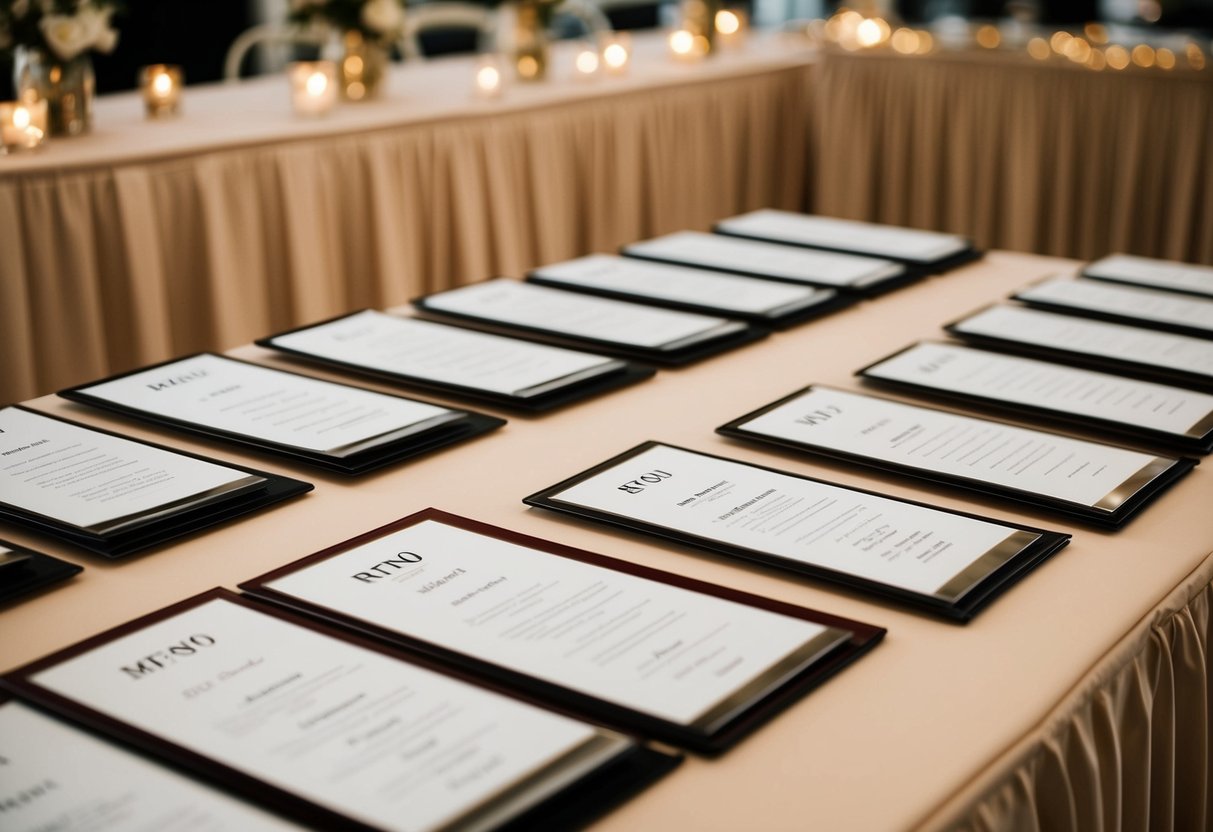
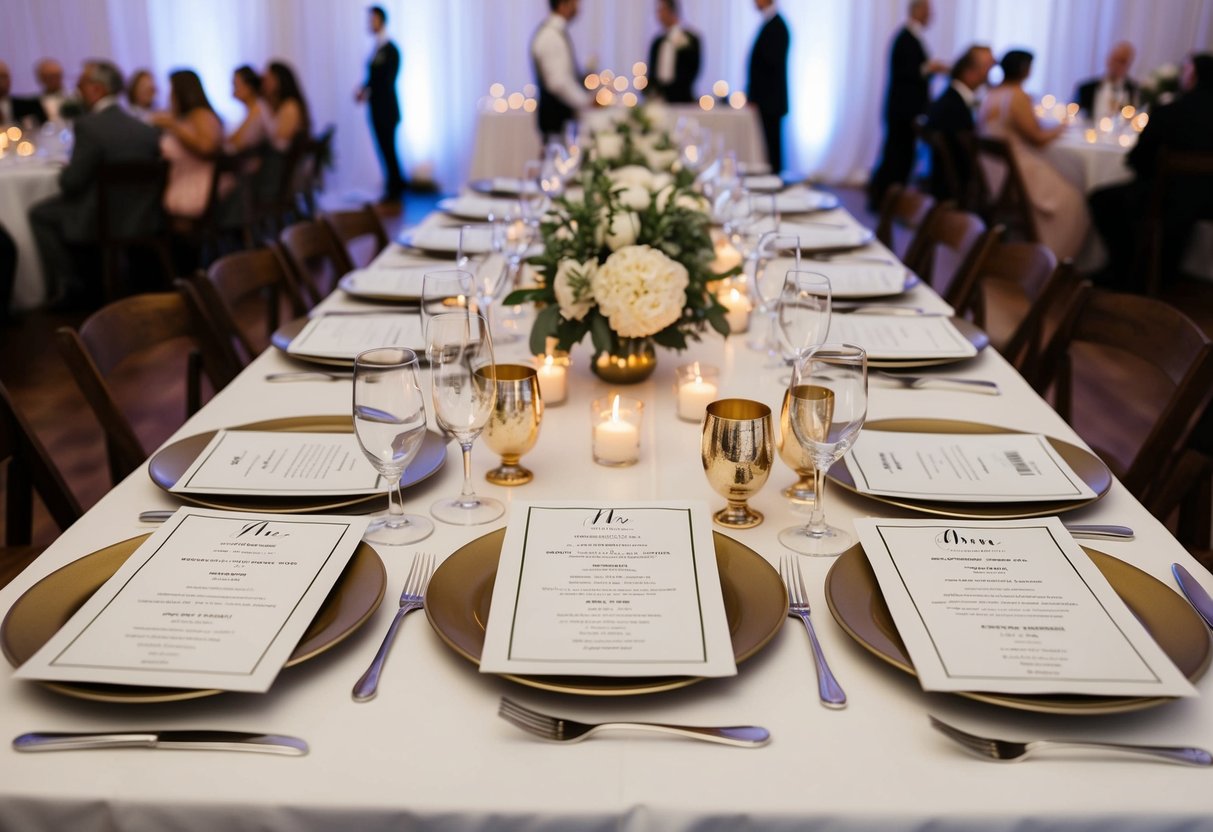
As you plan your wedding reception, think about how the presentation of menus can set the tone for your meal. You might want to consider different styles, like placing a menu at each setting or having a few shared menus at the center of each table. Making these choices thoughtfully can add a special touch to your celebration.
Remember, the menus not only inform but also complement your wedding’s decor. By deciding on the right quantity and style, you can create a warm and inviting atmosphere for your guests.
Determining the Right Quantity
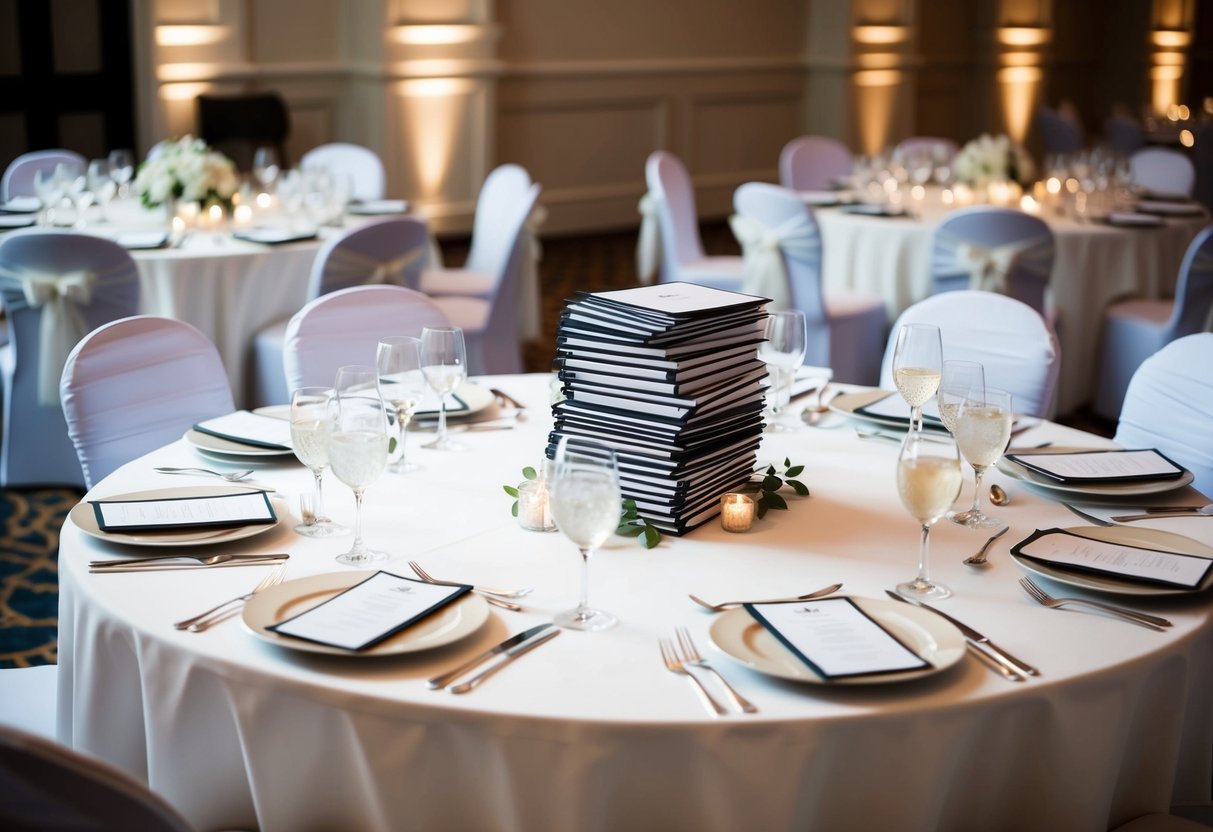
Choosing the right number of menus for your wedding tables is important for guest comfort and ease. You want your guests to easily see their meal options without creating clutter.
Let’s explore how to decide between individual menus and shared options based on your guest count.
Menu for Each Guest or Per Table
Deciding whether to provide a menu for each guest or just one per table is key. If you opt for individual menus, place them at each guest’s seat. This way, everyone can easily read the meal options.
For round tables with 8 to 10 guests, you might choose to provide a menu card for each guest. On the other hand, if you prefer to keep things simple, having one menu per table can work well. Just make sure it’s large enough for guests to read easily. This approach reduces waste and still keeps everything organized.
Guest Count Considerations
Your guest count plays a significant role in how many menus you should provide. For smaller weddings, like those with 50 guests, having a menu for each person is often manageable and appreciated.
In larger celebrations, you might consider a mix. For example, you could have one menu for every two or three guests if it’s a buffet. Be aware that if tables seat 10 or more, guests may appreciate having individual menus. This ensures everyone knows what is available without needing to pass around a single menu. Always think about how you want your guests to experience the meal.
Menu Options and Dietary Accommodations
Selecting the right meal options for your wedding is essential. It not only enhances the dining experience but also ensures that all your guests feel included. You can choose various meal types and also address any dietary needs they may have.
Meal Options and Variety
For your wedding menu, you have a choice between several kinds of meal options. Common styles include **buffet**s, plated meals, and passed hors d’oeuvres. Each option offers its own unique experience.
A buffet allows guests to choose their favorite dishes, which can be a fun, interactive way to serve food. Meanwhile, a plated meal provides a more formal setting, where each guest receives a pre-selected dish. Lastly, hors d’oeuvres are great for mingling and can keep the atmosphere light and enjoyable.
Whatever you choose, aim for a variety of dishes to cater to different tastes. Consider including vegetarian, vegan, and gluten-free options to ensure everyone has something they love.
Addressing Dietary Restrictions
Dietary restrictions can be tricky, but planning ahead makes it easier for everyone. Start by gathering information about your guests’ dietary needs, such as allergies, vegetarian or vegan lifestyles, and gluten or dairy intolerance.
Once you have this information, you can create a menu that accommodates those needs. For example, you might include a gluten-free pasta dish or a vegan salad option.
Make sure to clearly label each dish at the buffet or provide a menu card at the table. Communicating with your caterer about these dietary preferences can help you create a menu that truly reflects everyone’s needs. This thoughtful approach will ensure your guests feel cared for and respected on your special day.
Designing Your Wedding Menus
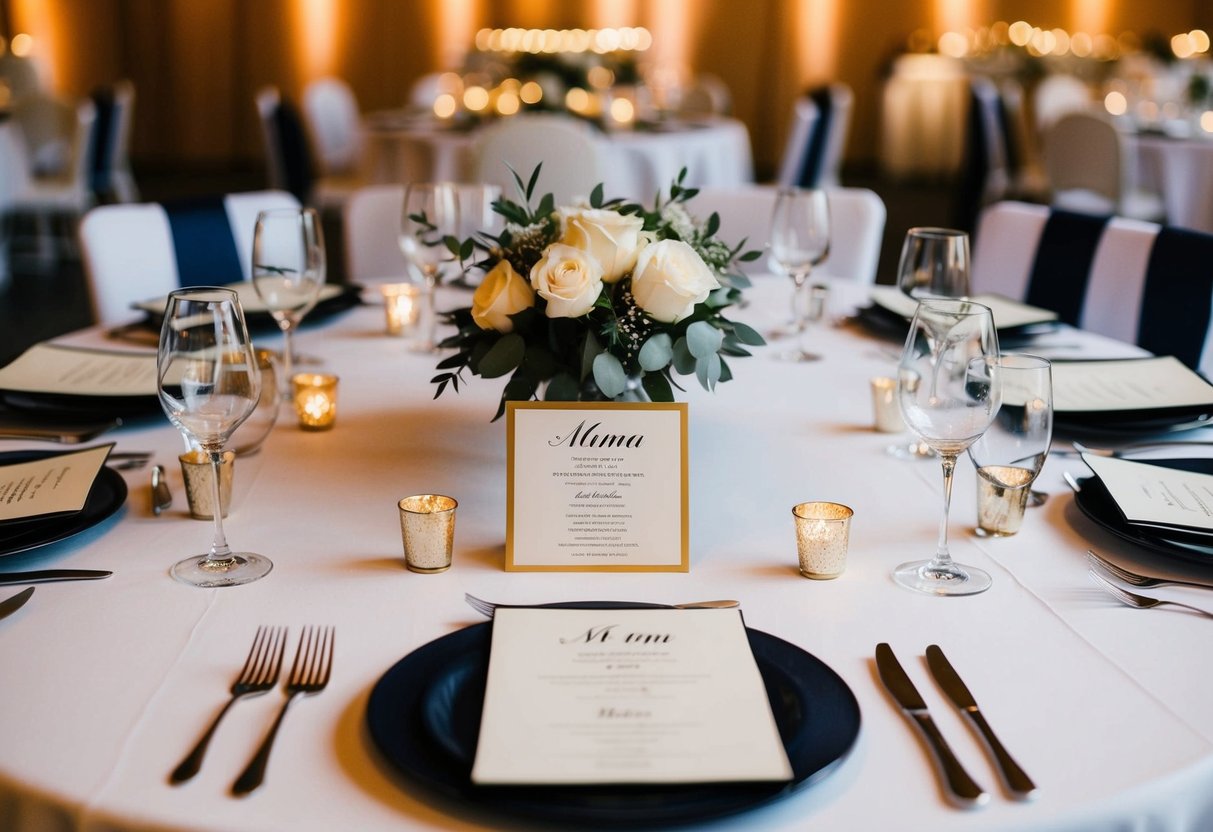
When planning your wedding menus, focusing on both the tablescape and the stationery can enhance the overall look. Thoughtful design choices can make your dining experience feel special while helping guests feel welcomed.
Tablescape and Place Cards
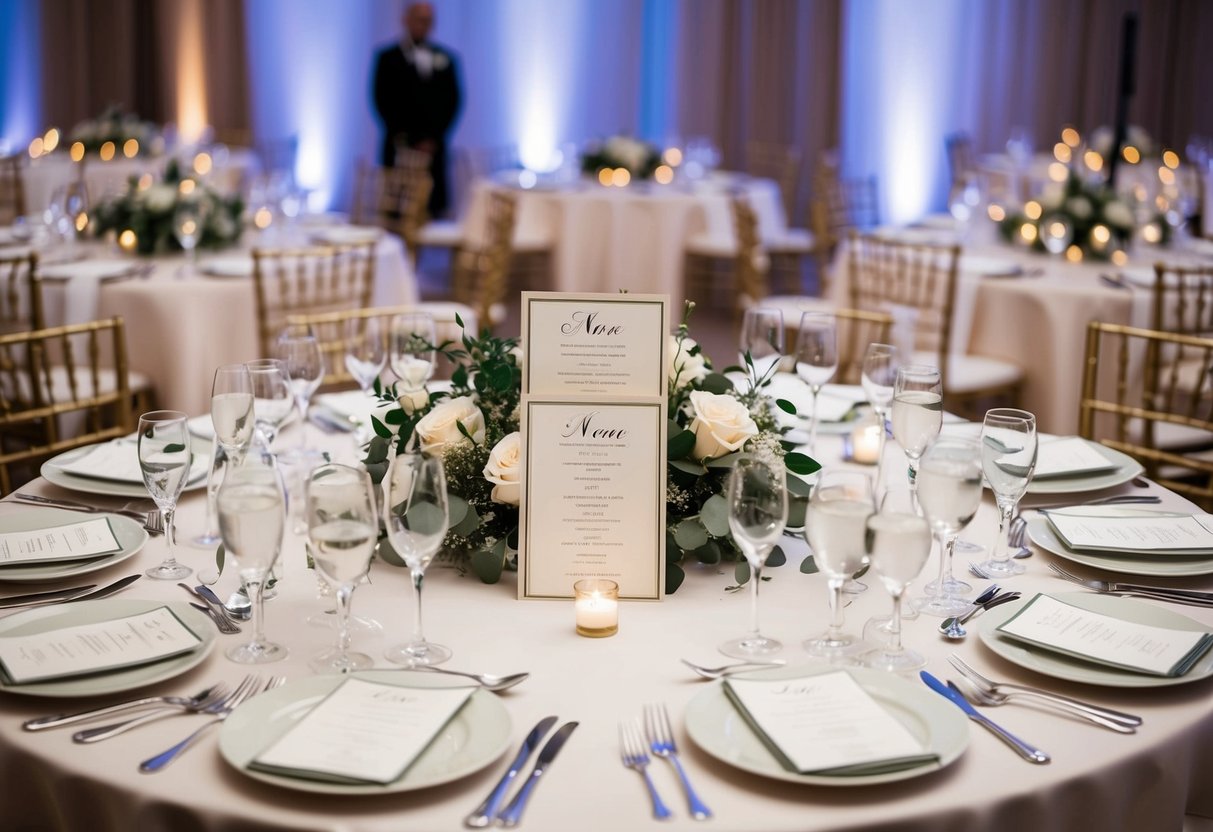
Your tablescape creates the first impression for your guests. Incorporating wedding menu cards as part of your table decor adds an extra touch.
Consider using elegant card holders to display each menu card. This setup not only organizes the space but also makes it easy for guests to see their meal options.
Place cards can tie everything together. Choose designs that match your wedding theme. You can even personalize them as keepsakes for guests to take home.
Tip: Don’t forget to factor in printing costs. Look for budget-friendly options that still look beautiful.
Choosing Wedding Stationery
Selecting the right wedding stationery is crucial for your celebration. Your wedding menu cards should reflect your theme and color scheme.
Decide if you want to have one menu per table or one for each guest. While one per table saves money, having individual cards helps guests see their options clearly.
Consider using a template if you’re on a budget. Many online services offer affordable designs. Choose materials that feel elegant but don’t stretch your budget.
Remember: Simple can be stunning. Well-designed menu cards and place cards can elevate your entire event.
Catering and Serving Styles
Choosing the right catering and serving style is essential to ensure a memorable experience for you and your guests. Your decision impacts not just the food but also how everyone interacts during the meal.
Buffet vs. Plated Meals
When deciding between a buffet and plated meal, consider the atmosphere you want to create. A buffet meal allows guests to choose what they want, promoting a casual and social vibe. This can lead to longer dining periods, as people mingle and try different dishes.
On the other hand, a plated meal provides a more formal experience. Each guest receives a pre-selected dish, which can be a great way to showcase your wedding menu. Plated meals can simplify clean-up and streamline service but may require more staff to manage.
Family-style service is another option where dishes are shared at the table. This encourages sharing and interaction, making it a cozy choice among guests.
Food and Beverage Considerations
Your food menu should reflect your tastes and the themes of your wedding. Start with appetizers that can include a mix of finger foods and small bites.
A cocktail reception with varied drinks can set a festive tone before the meal.
Desserts are equally important. Offering a wedding cake alongside a dessert menu with additional treats can please everyone.
Consider special dietary needs; many guests appreciate options like vegetarian or gluten-free meals.
Lastly, think about the flow of food and drink service. Drinks should be readily available throughout the event to keep spirits high.
Pay attention to timing to enhance the guest experience. Balancing tasty food with pleasant service helps create lasting memories.