
How Many Months Before the Wedding Should the RSVP Be Sent Out? A Simple Guide for Couples
When planning your wedding, knowing when to send out RSVPs can make a big difference. You should send your RSVP requests around six to eight weeks before your wedding date. This timeframe allows your guests enough time to respond while also keeping your planning on track.

Sending RSVPs too early can lead to confusion, as guests might forget or change their plans. This is especially important if your wedding involves invitations that need to be sent out after the save-the-dates. By following this timeline, you can manage your guest list effectively and ensure everyone has the information they need.
As your wedding day approaches, communication is key. A timely RSVP can help you finalize details and make necessary adjustments, ensuring a smooth celebration. Keep reading to explore tips on wording your invitations and how to follow up with guests for their responses.
Understanding RSVPs and Their Importance
RSVPs play a crucial role in your wedding planning. They help you manage guest counts and ensure that everyone has a place at your celebration. Knowing how to handle RSVPs effectively will make your planning much smoother.
The Role of RSVPs in Wedding Planning
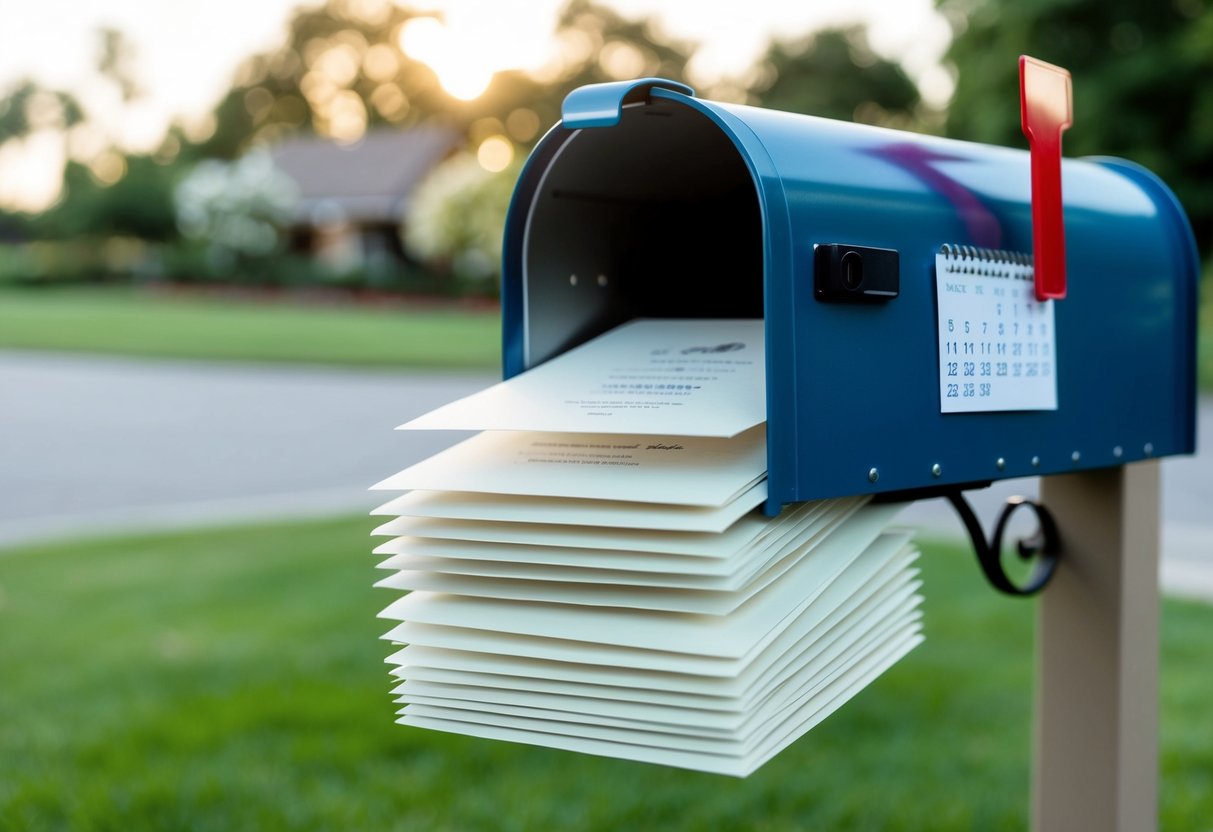
Sending out RSVPs is not just a formality; it directly impacts many aspects of your wedding. First, they help you get an accurate guest count. This number is essential for catering, seating arrangements, and ensuring there’s enough space for everyone.
With the final guest count in hand, you can create a well-organized seating chart. This minimizes confusion and helps guests find their seats easily. Also, timely RSVPs give you the chance to follow up with guests who may not respond right away. It’s all about making your day as seamless as possible.
Deciding on Your RSVP Deadline
Choosing the right RSVP deadline is key to your planning. Most experts recommend setting the deadline for 2-4 weeks before your wedding date. This provides guests enough time to respond while ensuring you have the final guest count in time.
If your wedding is during a busy season or includes guests traveling from afar, consider setting the deadline closer to 4 weeks. This allows you to follow up with anyone who hasn’t replied. Remember, a clear RSVP deadline also encourages guests to make a decision more quickly!
Timeline for Sending Out Wedding Invitations

Knowing when to send out your wedding invitations is key to making your day smooth for both you and your guests. It’s important to plan this timeline properly to ensure everyone can attend and celebrate with you.
Standard Timing for Wedding Invitations
Typically, you should send out your save-the-dates about 6 to 8 months before your wedding date. This gives your guests enough time to mark their calendars and make travel arrangements if necessary.
Your official wedding invitations should be sent 6 to 8 weeks before the wedding. This allows guests to finalize their plans and respond accordingly. Be sure to include an RSVP date, ideally about one month prior to the wedding. This will help you manage your guest list and seating arrangements effectively.
Here’s a quick timeline for clarity:
- Save-the-Dates: 6-8 months before
- Invitations: 6-8 weeks before
- RSVP Deadline: 1 month before
Adjusting the Timeline for Destination Weddings
Destination weddings require a slightly different approach. You’ll want to send out your save-the-dates even earlier, ideally around 8 to 12 months ahead. This extra time is important because guests often need to arrange travel and accommodations.
For the official wedding invitation timeline, send the invitations 3 to 4 months before the wedding. This allows guests ample time to secure their plans and make any necessary adjustments.
Make sure you also provide helpful information within the invitation. Include details about nearby hotels, transportation options, and local attractions. This supports your guests in planning their trip, ensuring they feel informed and welcome at your wedding.
Digital Versus Traditional Invitations

When planning your wedding, you’ll face a choice between digital and traditional invitations. Each option has unique benefits and considerations, especially regarding RSVPs.
Benefits of Digital RSVPs
Digital RSVPs offer several advantages. First, they are quick and efficient. You can create an online form that guests can fill out in a few clicks. This immediacy often leads to a higher response rate.
Cost-effectiveness is another benefit. Digital invites cut down on printing and postage costs. You can redirect those savings toward other wedding expenses.
Moreover, digital RSVPs streamline tracking. You’ll receive responses in real-time, making it easier to plan for seating and catering. Many platforms allow you to customize your RSVP wording and collect additional information, like meal preferences.
Maintaining Etiquette with Digital Invites
Even with digital invitations, it’s important to uphold wedding invitation etiquette. Start by letting guests know they can RSVP online. Include a clear link or button for easy access.
Keep the design classy. Just because it’s digital doesn’t mean it can’t be elegant. Choose a format that reflects your wedding style.
Also, remember to set an RSVP deadline. This gives your guests ample time to respond while keeping your planning on track. Finally, don’t forget a friendly reminder about a week before the deadline. This way, you ensure everyone has a chance to respond and participate in your special day.
Managing Guest Responses
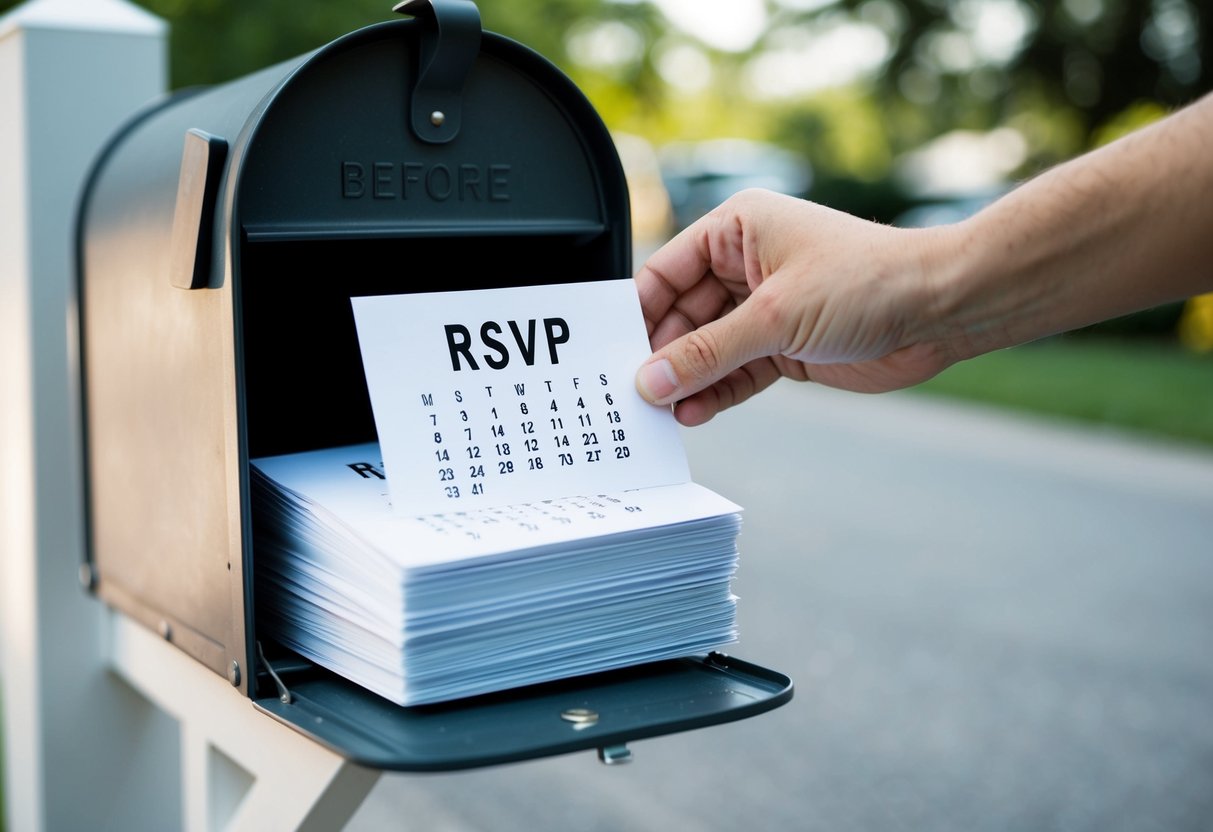
Managing guest responses is a key part of planning your wedding. Staying organized will help you track RSVPs, remind guests to respond, and finalize the headcount for seating arrangements.
How to Track RSVPs Effectively
To track RSVPs, create a simple spreadsheet or use a wedding planning app. This will help you manage your guest list. Include columns for names, contact information, and whether they’ve responded. You can also add notes for dietary restrictions or special requests.
Don’t forget to keep the wedding RSVP card in mind. Ensure your guests have clear instructions on how to respond. You might provide a separate card for their answers, making it easier for you to track who’s coming.
Following Up with Guests Pre-Deadline
As the RSVP deadline approaches, consider sending polite reminders to your guests. A friendly text or email can encourage those who haven’t responded yet.
You might say something like, “We’re so excited for the big day! Just a quick reminder to please send in your RSVP if you haven’t already.” This can help ensure a higher response rate without being pushy.
A week before the deadline, follow up with phone calls for any late responders. This personal touch shows that you care about their presence on your special day.
Handling the Final Headcount
As guests respond, keep an eye on the final headcount. This number is crucial for seating arrangements and catering needs.
Once you have your headcount, finalize your seating chart. Make sure to accommodate any special requests or group friends and family together comfortably.
Aim to have your final headcount completed at least two weeks before the wedding. This way, you can give your caterer an accurate number to work with and avoid any last-minute stress.
A well-organized guest list helps everything run smoothly on your big day!