
How Many Months Before Wedding Do You Get Your Dress? Timelines for the Perfect Fit
Getting the perfect wedding dress is an exciting part of your wedding planning. Ideally, you should start shopping for your dress about 12 months before your wedding day. This gives you enough time to explore different styles, find the right fit, and make any necessary alterations.
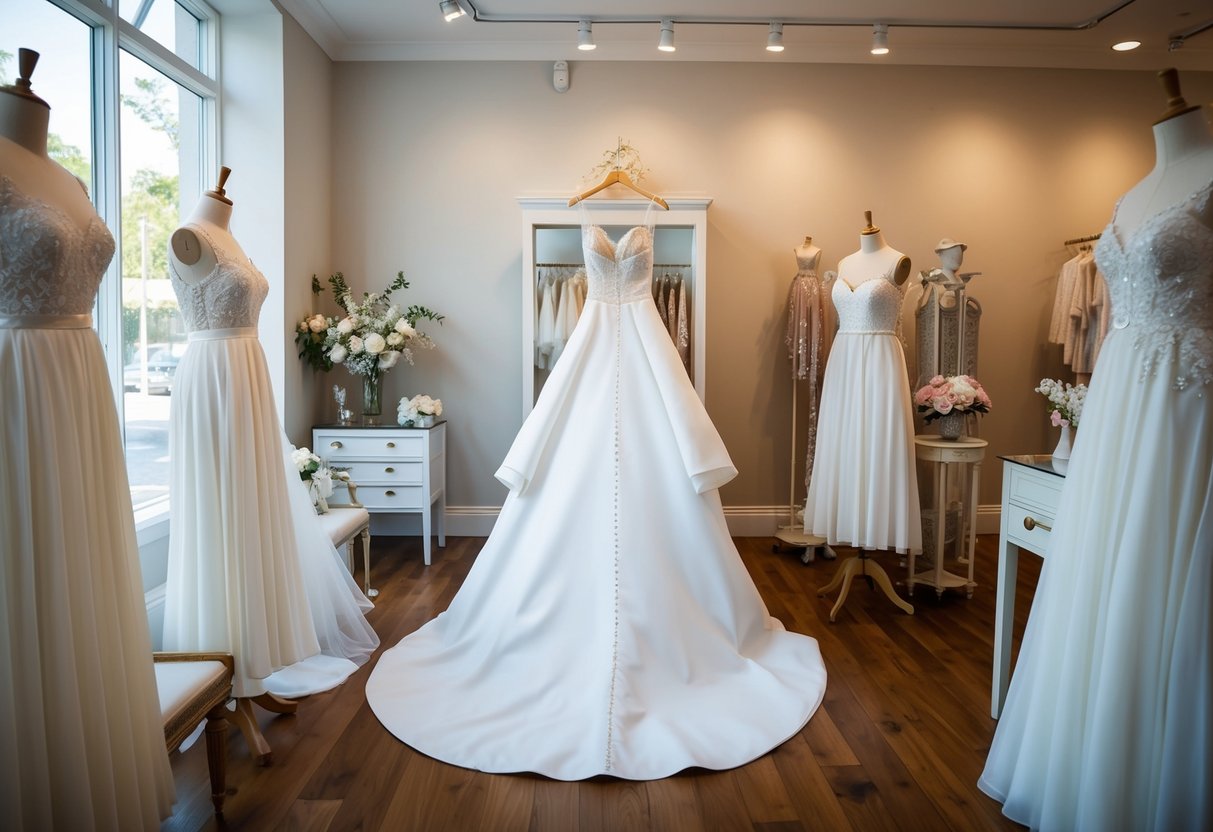
As you plan your wedding, remember that every detail matters, and your dress is a big part of that. By beginning your dress shopping early, you can avoid last-minute stress and ensure you find something that truly reflects your style. The right dress can make you feel confident and beautiful as you walk down the aisle.
So, if you’re wondering when to begin your wedding dress search, mark those calendars! Taking this important step will help make your wedding day all the more special.
Understanding the Wedding Dress Timeline
Planning your dress shopping and fittings can lead to a smooth experience on your wedding day. Knowing the timeline is key to ensuring the perfect fit and peace of mind throughout the process.
Optimal Timeframe for Dress Shopping
You should aim to start shopping for your wedding dress about 8 to 10 months before your wedding date. This period allows you to browse various styles and designers, ensuring you find a dress that truly reflects your vision.
Many dresses take several months to create. By ordering early, you also leave room for any unexpected delays. If your timeline is shorter, ensure you talk to the boutique staff who can help you find sample dresses or rush options.
Choosing your dress earlier gives you a chance to make thoughtful decisions without feeling rushed.
Setting Aside Time for Alterations
Once you receive your dress, alterations play a crucial role in achieving that perfect fit. You should schedule your first fitting at least 3-4 months before the wedding. Your seamstress will take measurements and suggest changes, which could include adjusting the hem, taking in the bodice, or altering sleeves.
After this, plan for a second fitting about 6-8 weeks before the big day. This fitting often addresses the major adjustments and helps fine-tune the fit. Finally, your last fitting should be 1-2 weeks before your wedding. This will ensure everything is perfect and ready to go.
Importance of Scheduling Fittings
Fittings are essential to making sure your dress looks and feels amazing. Each fitting is a significant step toward achieving the right adjustments. Communicate openly with your seamstress about any concerns or desired changes.
It’s important to be proactive in scheduling your fittings. This approach gives you ample time to address any issues without a last-minute rush. The goal is to step into your dress on your wedding day feeling confident and beautiful.
Selecting the Right Bridal Boutique and Salon
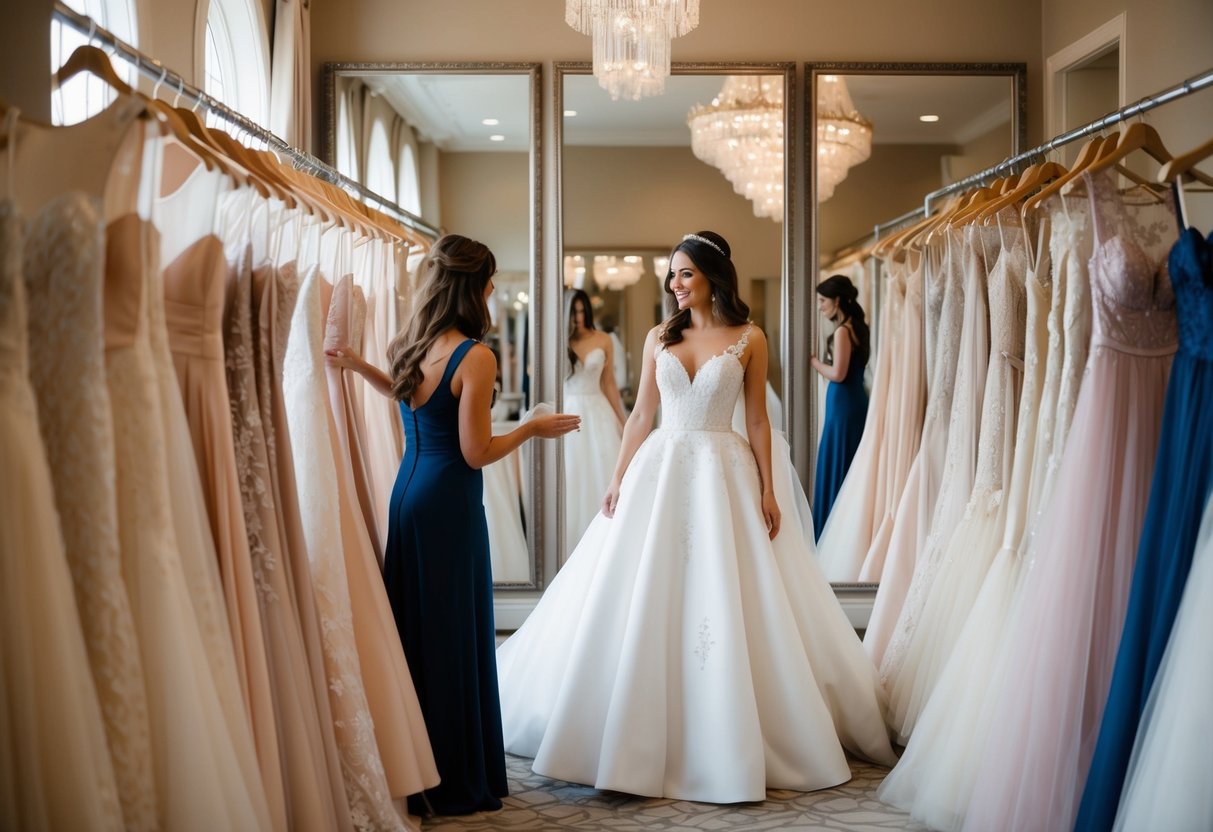
Finding the right bridal boutique or salon is key to your wedding dress shopping experience. It can set the tone for your selection, fitting, and overall satisfaction. Here’s how to choose the best place for you.
Researching Bridal Salons
Start by researching local bridal salons that fit your personal style. Look for boutiques that showcase a range of designers and styles. Many caregivers offer an intimate experience, while larger salons may have a wider selection.
Check online reviews and ratings to gain insight into what others have experienced. Make a list of salons that match your preferences. Don’t forget to consider any upcoming trunk shows. These events allow you to view new collections and occasionally meet the designers.
Make a few calls to ask about the appointment process, pricing, and dress selection. A welcoming atmosphere with attentive bridal stylists can make all the difference in your shopping journey.
Booking Your Bridal Appointment
Once you’ve narrowed down your options, it’s time to book your bridal appointments. Schedule visits about 8 to 12 months before your wedding date to ensure you have enough time for selections and alterations.
When booking, let the salon know your style preferences and any specific designers you like. This helps them prepare a collection that suits you. Aim for appointments during weekdays if possible; they tend to be less crowded.
Prepare to take notes and photos during your visits. Don’t hesitate to ask questions about the gowns, sizes, and any customization options. A good bridal stylist will guide you and help you feel at ease as you try on dresses.
Budgeting and Preparations for Your Gown
Getting your wedding dress can be exciting, but budgeting and planning are essential steps. Understanding how much you can spend and considering the availability of dresses will help you find the perfect gown without stress.
Determining Your Wedding Dress Budget
Start by setting a budget for your wedding dress. Consider how much of your overall wedding costs can be allocated to the dress. A common range is between $1,000 to $3,000, but prices can vary greatly.
Think about potential extra costs such as alterations, accessories, and cleaning. These can add up! It’s useful to create a simple list like this:
- Dress cost
- Alterations
- Accessories (veil, shoes, etc.)
- Cleaning post-wedding
If you’re thinking of an off-the-rack dress, you might save money but watch for hidden fees.
Considering Dress Availability and Lead Times
Dress availability is crucial. Many designers need time to create your gown. Aim to start shopping 10–12 months before your wedding. This gives you ample time for selections, fittings, and any alterations.
If you’re short on time, look for sample dresses or off-the-rack options. These can often be purchased immediately. Remember that if you fall in love with a gown that requires customization, be aware of potential rush orders. These often come with extra fees and limited options.
Ensure that your timeline aligns with dress availability to avoid last-minute rushes.
Final Touches and Wedding Day Preparations
As your wedding day approaches, focusing on the final details can help you feel well-prepared. Two key areas to consider are choosing the right accessories to complement your bridal look and assembling a wedding emergency kit for unexpected situations.
Choosing the Right Accessories
Selecting the perfect accessories can elevate your bridal look. Start with bridal shoes that not only fit your vision board but are also comfortable enough for a day filled with celebration.
Think about selecting pieces that match your wedding theme, whether it’s vintage, modern, or rustic.
Consider adding jewelry like earrings or a necklace that complements your gown. If your dress has intricate details, opt for simpler accessories. Don’t forget about a veil or hairpiece, which can highlight your hairstyle in bridal portraits.
Also, remember to coordinate your accessories with your bridesmaids and groom. By doing this, you create a cohesive look that enhances your wedding venue’s decor.
Constructing a Wedding Emergency Kit
A wedding emergency kit can save the day if something goes wrong. Start by gathering essential items like safety pins, hem tape, and a sewing kit for quick fixes on your dress.
Pack stain removal wipes and a small first aid kit for minor injuries.
Include touch-up makeup like lipstick and powder to stay fresh throughout the day. It’s wise to have extra bobby pins or a hairbrush to keep your hairstyle intact.
Also, think about including snacks and water to keep your energy up before the big moment. This kit can not only help with dress alterations but can also keep you calm if unexpected issues arise.