
How Many No’s to Expect for a Wedding? Tips for Managing Guest Responses
Planning your wedding can be exciting, but one big question often looms: how many guests will actually say no? According to omghitched.com, around 15% to 20% of invited guests will decline your wedding invitation. Knowing this can help you manage your guest list and ensure that you have a realistic idea of how many people will celebrate with you on your special day.

When creating your guest list, consider factors that might influence attendance, such as the location and the relationships you have with your guests. Different groups, like close family and friends, might have different rates of acceptance.
Understanding your personal situation can help improve your planning process.
An average wedding guest list consists of about 167 people, so using this decline rate, you can estimate how many will RSVP yes. It’s all part of the wedding planning journey, helping you feel more prepared and less stressed as your big day approaches.
Understanding RSVP Responses and Guest Behavior
When planning a wedding, it’s essential to grasp how guests respond to invitations. Knowing the trends in RSVPs can help you anticipate no-shows and cancellations. This understanding can make a significant difference in your final guest count.
Deciphering Guest List RSVP Patterns
Many factors influence how guests RSVP to your wedding. Generally, around 80% of those invited will respond positively, signaling their intent to attend. This means that if you invite 100 guests, you might expect about 80 positive RSVPs.
It’s essential to consider the relationships you have with your invitees. Close friends and family are more likely to attend, while acquaintances may hesitate.
Also, specific events like holidays or other weddings can impact these responses, leading to last-minute changes in guest availability.
Predicting No-Shows and Last-Minute Cancellations
Despite high RSVP rates, not everyone who responds “yes” will attend. Typically, about 10-20% of guests who say they will come may later cancel.
This can happen due to unexpected situations, such as illness or personal emergencies.
Hence, when planning your seating and catering, it’s wise to account for potential no-shows. If you expect 80 positive RSVPs, consider preparing for at least 10-15 cancellations.
The Impact of Wedding Details on Attendance
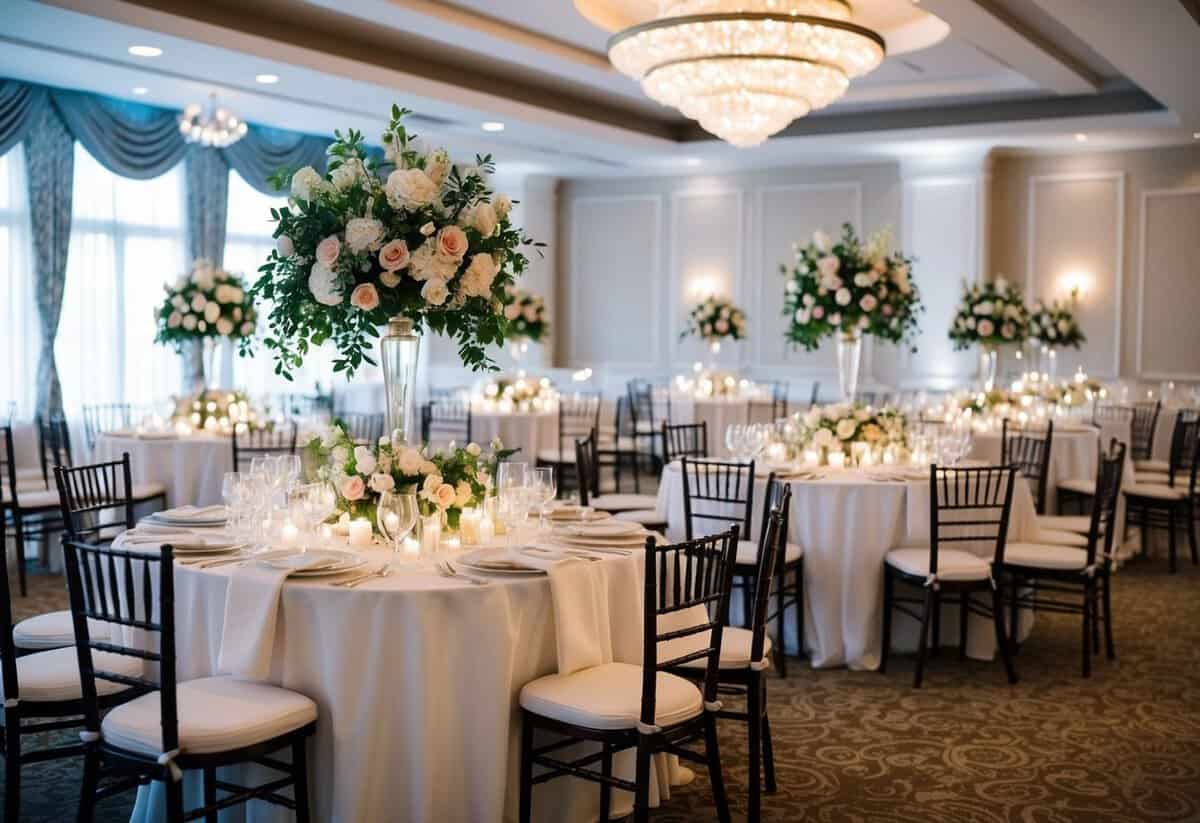
Wedding details play a big role in how many guests can attend your special day. Factors like the location and the size of your wedding can greatly affect which guests can make it.
Destination vs. Local Weddings
When planning a wedding, consider whether it’s local or a destination event. Destination weddings often require your guests to travel, which can limit attendance. Some guests might not be able to take time off work or may face high travel costs.
Out-of-town guests may have to book flights and accommodations, adding to their expenses.
On the other hand, local weddings usually have higher attendance rates. Familiarity with the location and less cost encourage more guests to say “yes.” If most of your potential guests are local, you can expect better turnout. The cost and the convenience of local weddings can make a big difference in your attendance numbers.
Wedding Size and Guest Attendance
The size of your wedding can also impact attendance. Big weddings tend to have a larger guest list, but not every invited person will attend.
Typically, you can expect around 70-85% attendance for large weddings. If you invite 200 guests, you might see around 140-170 people show up.
For smaller weddings, the attendance rate might be higher. Intimate gatherings often feel more personal, encouraging guests to make an effort to be there. With a smaller guest count, you can create a more inviting atmosphere that makes people feel more connected.
Managing Your Wedding Budget with Guest Count in Mind
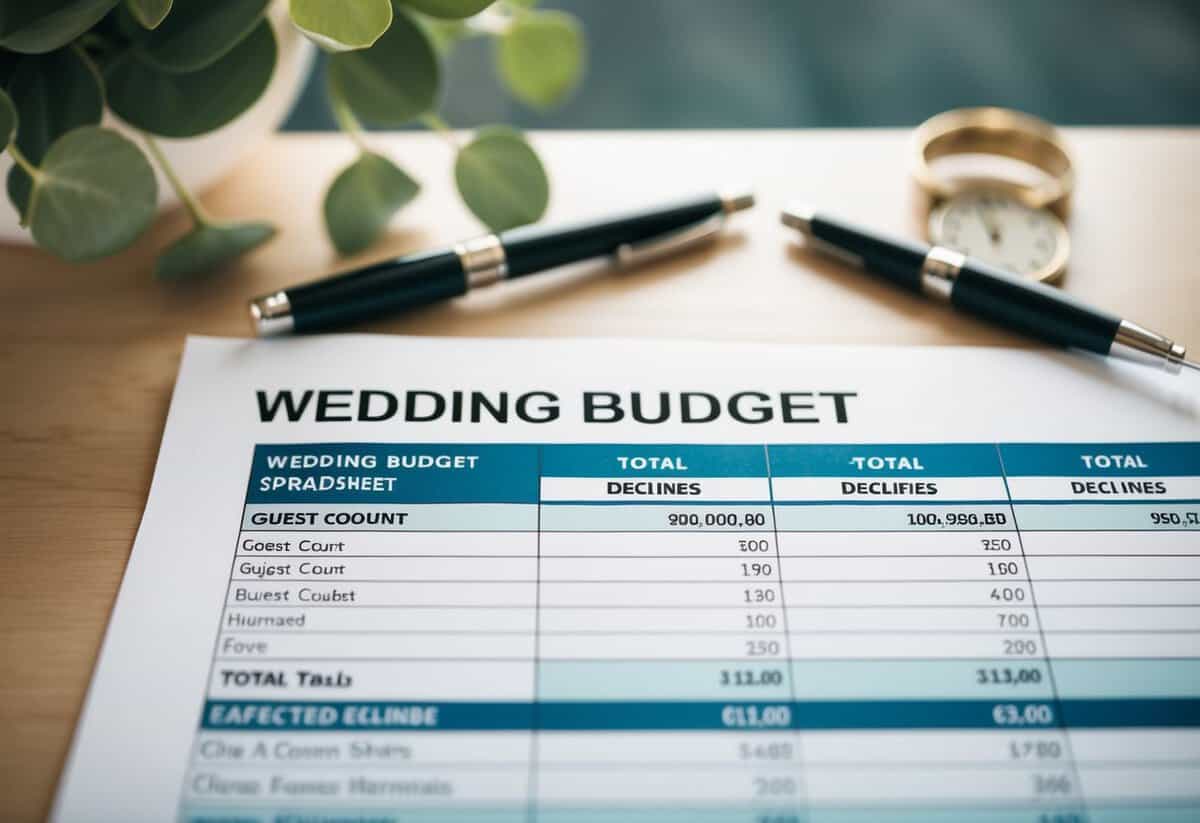
When planning your wedding, keeping your budget in check while considering guest attendance is crucial. Understanding how many guests you can expect can help you allocate funds effectively and avoid unexpected wedding expenses.
Allocating Budget for Actual Attendees
Start by calculating your base costs per guest. This includes catering, drinks, and other essentials. For example, if catering costs around $50 per guest, inviting 100 people will lead to a total of $5,000 just for food.
You can use this simple formula:
- Guest Count x Cost per Guest = Total Food Costs
Remember to also include costs for extras like wedding favors and drinks. If you budget for 100 guests, but only 70 actually attend, you’ll save money.
Always plan for a few no-shows, as experts suggest that about 15-30% of invitees may decline your invitation. This will help keep your luxury wedding budget manageable.
Cost-effective Planning for Potential No-Shows
Planning for potential no-shows is smart, especially with larger weddings. If you invite 150 guests, you can expect 70-85% to attend. If you cater for 100 guests instead of 150, you can save a significant amount.
Consider this strategy:
- Create a Guest List: Prioritize must-invite guests and those who may decline.
- Monitor RSVPs: Send reminders as the RSVP deadline approaches.
- Adjust Your Orders: Finalize food and drink quantities based on confirmed guests.
By tracking your guest list and adjusting budgets accordingly, you can avoid overspending. This keeps your wedding expenses in control while ensuring a wonderful celebration.