
How Many Pairs of Shoes Should You Have? A Simple Guide for Your Closet
Finding the right number of shoes for your wardrobe can feel tricky. You should aim for about 10 to 20 pairs, depending on your lifestyle and preferences. This variety allows you to have the perfect pair for any occasion, whether you’re heading to a formal event or a casual day out.
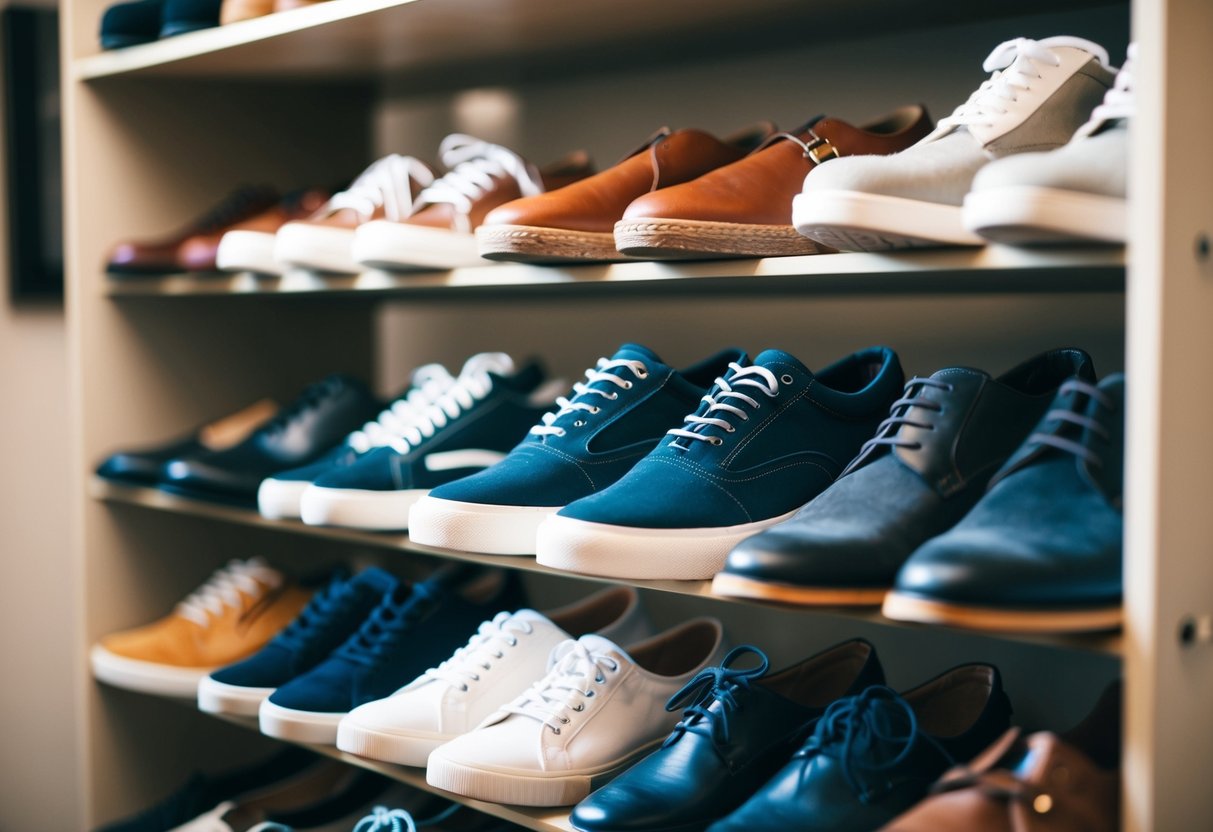
Consider your daily activities and needs. If you work in a setting that requires dress shoes, you’ll want a couple of nice pairs. If you enjoy outdoor activities, a good pair of sneakers or boots is essential.
By tailoring your shoe collection to your lifestyle, you can ensure that you have the right options without overwhelming your closet.
Remember, quality often matters more than quantity. Choosing shoes that are versatile and comfortable allows you to mix and match with your outfits. A well-planned shoe wardrobe not only adds style but also saves you from the stress of not having the right footwear when you need it.
Assessing Your Lifestyle and Shoe Needs
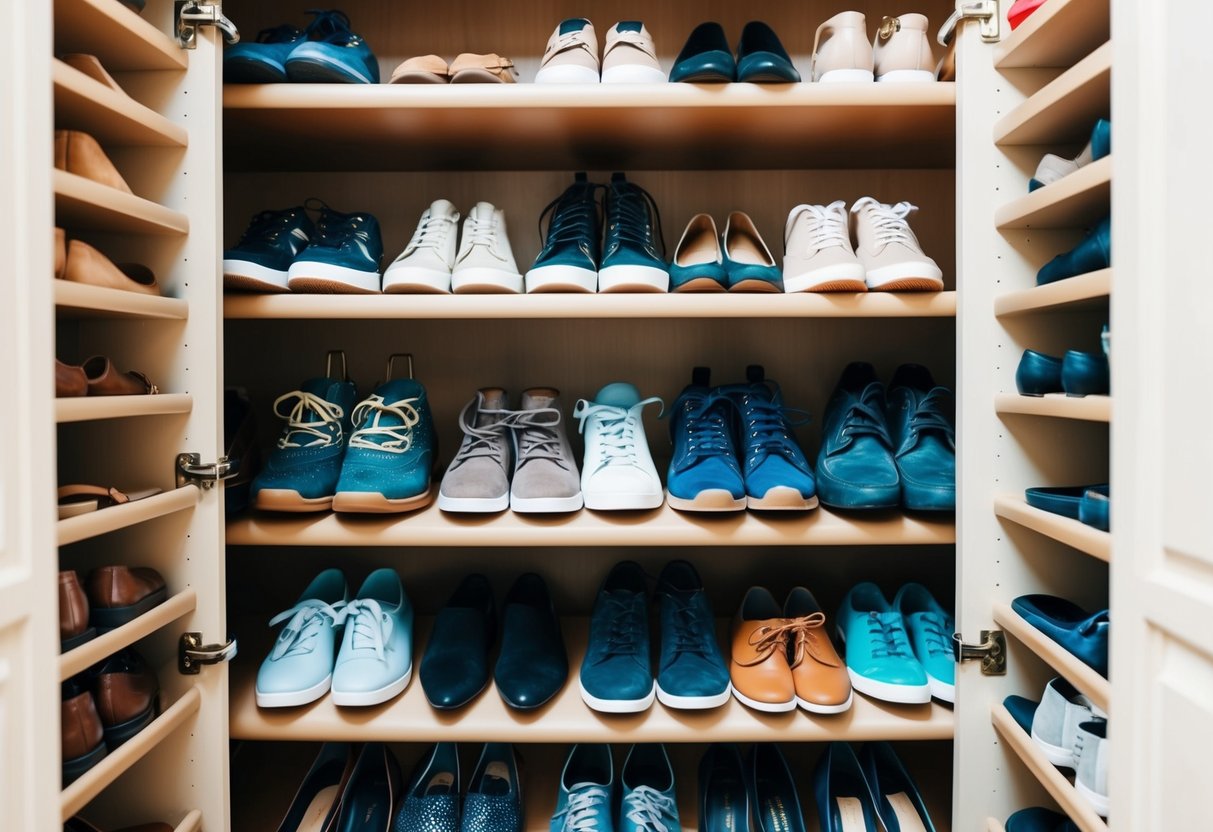
Choosing the right number of shoes depends a lot on your lifestyle. Understanding how your daily activities, exercise habits, and local weather conditions affect your footwear needs will help you make informed choices. Here are key aspects to consider.
Lifestyle Impact on Footwear
Your lifestyle significantly influences the types of shoes you should own. If you have a busy professional life, you might need a pair of dress shoes for work and another for casual outings.
Consider how often you attend events. If you frequently go to parties or formal gatherings, you’ll want a stylish pair suitable for those occasions.
A day spent at home may not require much more than comfortable slippers or sneakers. Keep your shoe collection flexible to match your lifestyle demands.
Exercise and Activity Considerations
Regular exercise requires specific footwear to keep you comfortable and safe. If you enjoy running, investing in quality running sneakers is essential. These shoes provide the right support and cushioning for your feet.
For gym enthusiasts, cross-training shoes can serve multiple purposes, from weightlifting to cardio workouts.
Don’t forget about leisure activities. If you hike or partake in outdoor sports, hiking boots or specialized footwear might be necessary to support your adventures.
Weather and Environment Factors
The climate in your area also plays a major role in your shoe choices. In rainy or snowy regions, waterproof boots or shoes with good traction are important to ensure safety and comfort.
In hot weather, breathable footwear, such as sandals or lightweight sneakers, can keep your feet cool.
Consider packing a pair of sturdy shoes for different environments, like dress shoes for urban settings and rugged footwear for rural adventures. Tailoring your shoe collection to your local weather and environment will keep you ready for any occasion.
Understanding Different Types of Shoes
Choosing the right type of shoes is essential for both comfort and style. Different occasions and activities call for specific footwear. Here are categories to consider when building your shoe collection.
Casual Vs. Formal Wear
Casual shoes are comfortable and versatile. This category includes sneakers, trainers, and flats. You can wear them for everyday activities, like running errands or meeting friends. Sneakers are great for a sporty look, while flats work well for a relaxed yet polished appearance.
Formal shoes, like dress shoes or black pumps, are reserved for special occasions or professional settings. These shoes add elegance to your outfit and often come in classic styles. A good pair of brown boots or chelsea boots can also serve both casual and formal needs, providing flexibility in your wardrobe.
Specialized Footwear for Activities
For specific activities, having the right shoes can enhance your performance and comfort. If you enjoy outdoor adventures, consider investing in hiking boots. They provide support and grip on uneven terrain. Snow boots are essential for staying warm and dry during winter months, especially if you live in a snowy area.
If you’re into fitness, trainers or specialized running shoes are vital. They offer the support needed for running or working out. Each type serves a purpose, ensuring you stay comfortable while doing the activities you love.
Seasonal and Occasion-Specific Shoes
Consider the seasons when selecting your footwear. Summer often calls for open-toed shoes or light flats. These are breathable and keep your feet cool during warmer months. As the weather turns colder, it’s beneficial to have ankle boots in your rotation. They are stylish and can be paired with various outfits.
Special occasions require shoes that match the event’s formality. For a wedding or formal gathering, you’ll want dress shoes for men or elegant black pumps for women. These shoes should complement your outfit while providing comfort as you celebrate or network. Having a variety of shoes for different occasions will keep you prepared and stylish.
Building a Versatile Shoe Collection
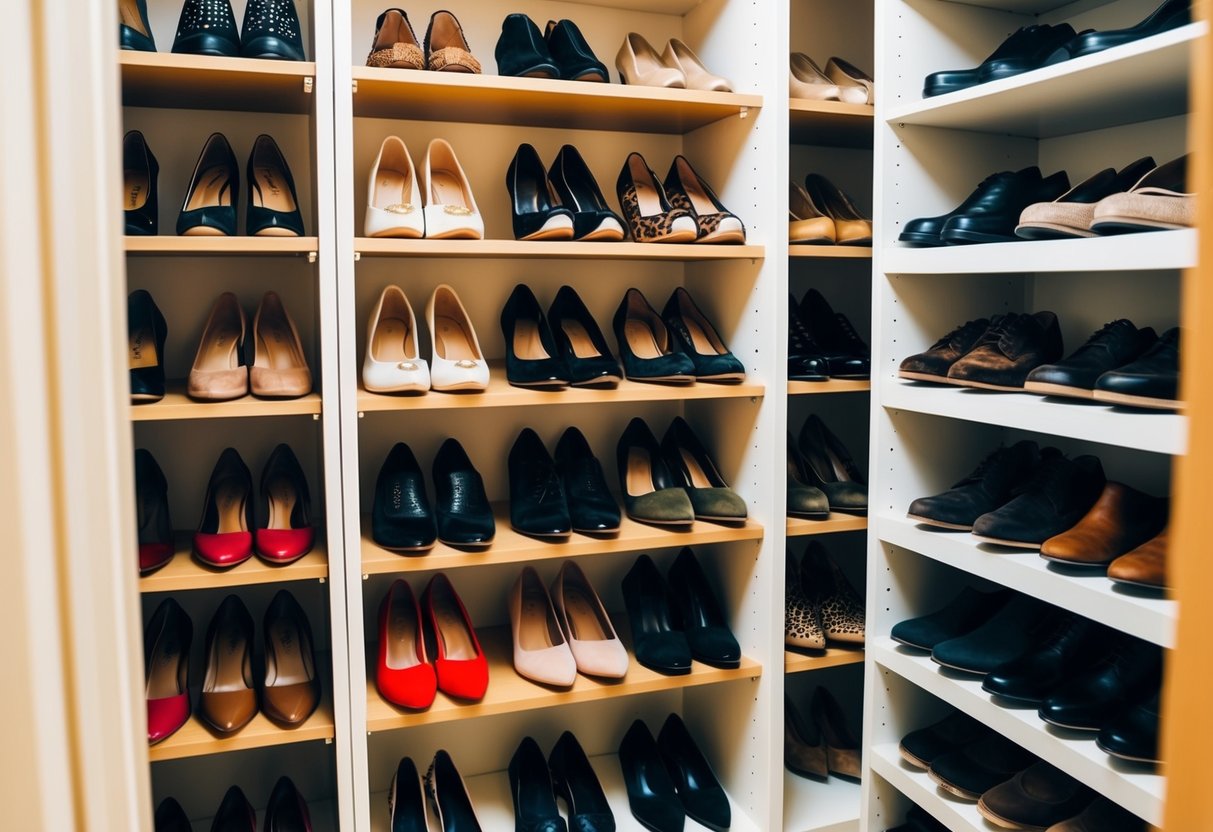
Creating a versatile shoe collection is all about finding the right balance of styles to fit every occasion. By focusing on essential footwear, you can expand beyond the basics while ensuring comfort and functionality. Let’s explore how to build the perfect collection.
The Essentials: Must-Have Shoes
Start your shoe collection with a few essential pairs. These shoes are the backbone of your wardrobe.
-
Casual Sneakers: Great for everyday wear, they keep you comfortable and stylish. Look for classic colors like black or white for easy matching.
-
Loafers: Perfect for semi-formal events, loafers can be dressed up or down. They add a polished touch to your outfits.
-
Comfortable Heels: Ideal for special occasions, select a pair that you can wear for hours without discomfort. Choose a neutral color for versatility.
Having these essential pairs will provide a solid foundation for your wardrobe.
Expanding Beyond the Basics
Once you have your essential shoes, think about adding varied styles to enhance your collection.
-
Boots: Great for colder weather, opt for ankle or knee-high boots. They can elevate your look while keeping your feet warm.
-
Sandals: Perfect for warmer months, choose stylish and comfortable sandals. Flip-flops are great for beaches, but look for supportive options for everyday outings.
-
Athletic Shoes: If you enjoy exercise, invest in a good pair of athletic sneakers. These shoes are designed for support and can improve your workout experience.
Adding these styles will give you the versatility needed for any activity or event.
Considering Comfort and Functionality
When building your collection, comfort should always be a priority. Look for features that make shoes easier to wear.
-
Arch Support: Shoes with good arch support help prevent foot pain. This is especially important for long days on your feet.
-
Cushioned Soles: Opt for shoes with cushioned soles for comfort during extended wear. This applies to sneakers, loafers, and even heels.
-
Breathable Materials: Shoes made from breathable materials will keep your feet feeling fresh. This is key in both casual sneakers and sandals.
By prioritizing comfort and functionality, you can enjoy your shoe collection without sacrificing style.
Maintaining Your Shoe Wardrobe
Taking care of your shoe wardrobe is essential for keeping your pairs of shoes in great shape. By ensuring proper storage, regular cleaning, and knowing when to replace shoes, you can enjoy your favorite styles for longer.
Proper Shoe Storage
How you store your shoes can make a big difference in their lifespan. Start by keeping shoes in a cool, dry place to avoid mold and odor. Use shoe boxes or clear containers to protect them from dust.
Keeping your shoes organized helps you see what you have, reducing the urge to buy too many shoes.
Consider investing in a shoe rack or hanging organizer. This not only saves space but also keeps your favorite pairs, like Adidas or Puma, easily accessible.
For delicate styles like Birkenstock sandals, use cotton dust bags to protect them. Always store shoes with the toe box facing forward to help maintain their shape.
Regular Cleaning and Care
Regular cleaning is key to maintaining the look and feel of your shoes.
For sneakers like Asics and Adidas, wipe the exterior with a damp cloth after every wear. Use a soft brush to remove dirt from the soles.
For leather styles, apply a conditioner to avoid cracking.
Don’t forget about slippers! They can get dirty too. Wash them according to the manufacturer’s instructions, and let them air dry.
Always check the care label for specific cleaning methods for each shoe style. Being proactive about cleaning and caring for your wardrobe will extend the life of your favorite pairs.
When to Replace Your Shoes
Knowing when to replace your shoes is crucial to maintaining a functional wardrobe. Look for signs of wear, such as worn-out soles or cracks in the material. If you notice your Puma running shoes losing cushioning, it’s time for a new pair.
For other styles, rotate your shoes regularly to avoid excessive wear on any one pair. The average woman owns about 19 pairs, so having a mix of shoe styles lets you enjoy variety while extending each pair’s life. If a pair is no longer comfortable or supportive, choose to replace them rather than face discomfort.