
How Many People Do You Invite to a 100 Person Wedding? Tips for Your Guest List Planning
Planning a wedding can be exciting, but deciding how many people to invite can be tricky. If you’re aiming for a guest list with about 100 attendees, you should consider how many invitations you should actually send out. A good rule of thumb is to invite around 120 to 130 people to get an expected attendance of about 80 to 85 guests, as not everyone will be able to make it.
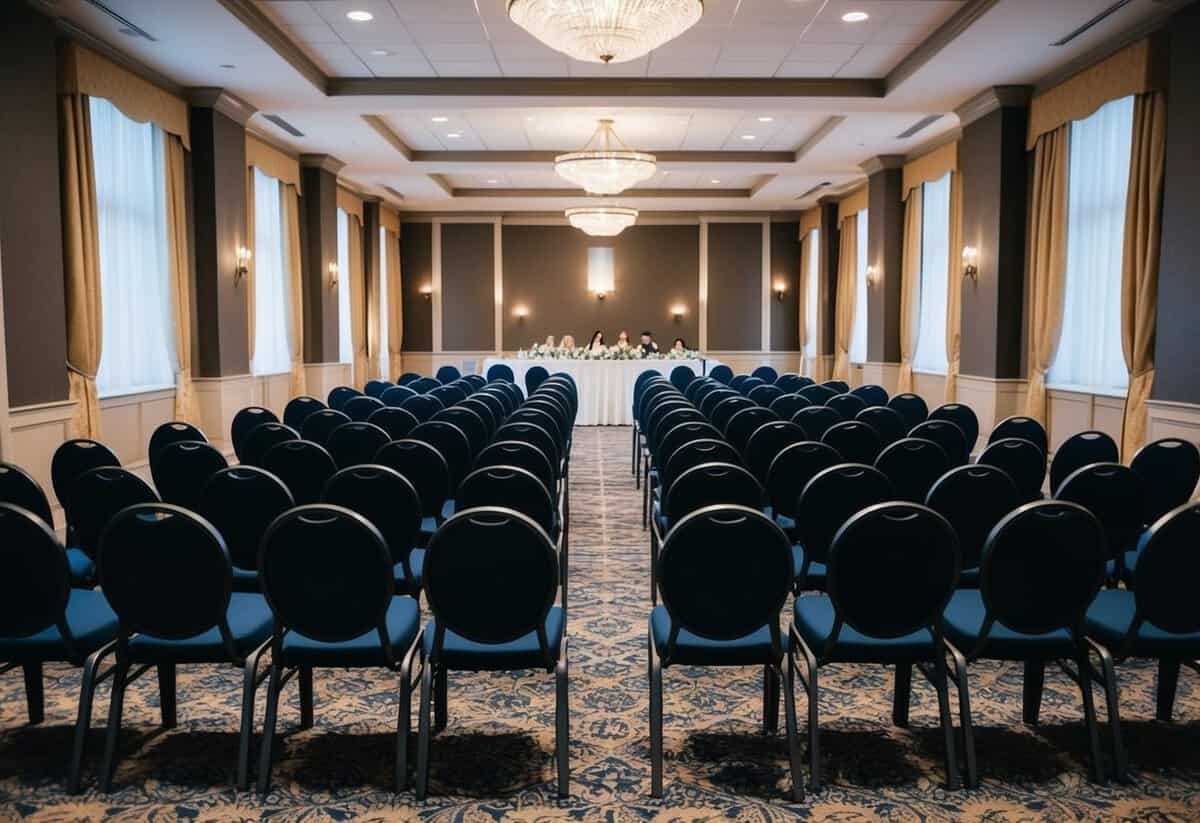
When working on your list, think about your closest friends, family, and those who have played important roles in your lives. It’s essential to balance your desire to celebrate with your nearest and dearest and the realities of your venue capacity and budget.
Whether you’re planning a small, intimate ceremony or a larger gathering, understanding the average wedding size can help you shape your guest list effectively.
Remember, every couple has their unique circle of family and friends, so don’t stress about the numbers. Focus on inviting those who truly matter to you and your partner, ensuring your special day is filled with love and joy.
Determining Your Wedding Size
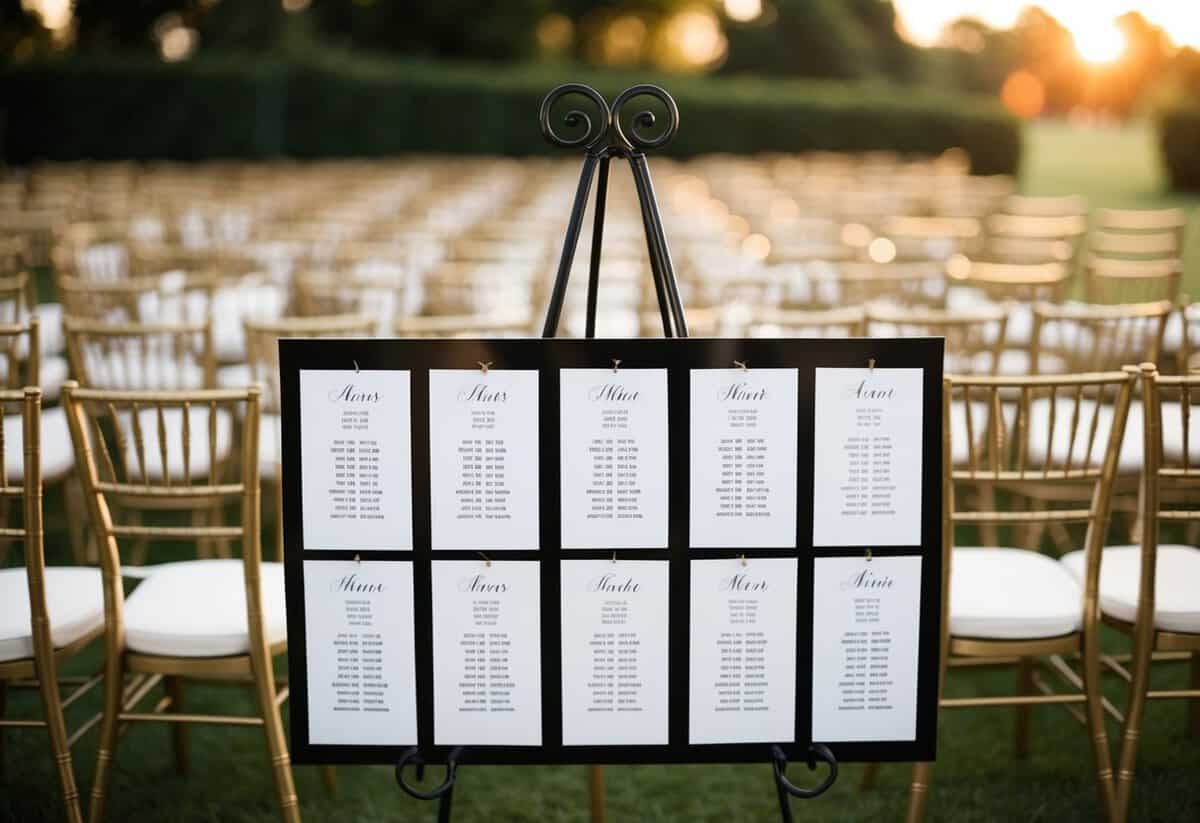
Choosing the right size for your wedding is key to creating the atmosphere you desire. This decision affects everything from your budget to the venue. Here are some essential points to consider based on different wedding sizes.
Small Wedding Essentials
A small wedding typically has 50 guests or fewer. This setting allows for a more intimate atmosphere, where you can connect deeply with each guest.
Key benefits:
- Cost-effective: With fewer guests, you can allocate more budget toward quality catering, décor, or a unique venue.
- Personal touches: You can focus on personalized details, such as custom favors or a special menu.
- Easier planning: It’s easier to coordinate with vendors and manage logistics when you have fewer people to consider.
Consider backyard ceremonies or small venues that create a cozy feeling.
Medium Wedding Considerations
A medium wedding usually includes between 50 and 150 guests. This size strikes a balance between intimacy and celebration.
Plan for:
- Guest dynamics: You’ll need to think about who to invite. It’s wise to split the guest list with your partner to manage expectations.
- Venue selection: Look for a place that comfortably fits your guest count but doesn’t feel too large.
- Budgeting: With a larger guest list, you’ll need to manage costs carefully. You might want to adjust the catering options to keep expenses in check.
Also, consider setting clear timelines for RSVPs, ensuring you know how many guests to expect.
Large Wedding Logistics
Large weddings usually host over 150 guests. This size can create a vibrant atmosphere, but it comes with its own challenges.
Important factors:
- Venue Capacity: Make sure your venue can accommodate the number of guests while allowing for dancing and dining areas.
- Coordination: Hiring a wedding planner can be beneficial for managing logistics and keeping things running smoothly.
- Guest experience: With so many people, planning activities can keep guests engaged. Consider photo booths and icebreaker games to connect attendees.
Think about seating arrangements carefully to ensure everyone feels included.
Micro Wedding Charms
Micro weddings are a relatively new trend, usually involving 20 or fewer guests. This option is growing popular for its unique charm.
Considerations include:
- Flexibility: With fewer guests, you have more flexibility in terms of location. You can opt for stunning places like a beach or a scenic overlook.
- Cost Savings: These weddings allow for luxury on a smaller budget. You can invest in high-quality experiences like gourmet dining or a beautiful cake.
- Creativity: A micro wedding can have a fun and artistic flair, with room for creative expressions, such as personalized ceremonies.
Choose a format that feels authentic to you and your partner.
Elopement Intimacies
Elopements are even more intimate and typically involve just the couple, often with a witness. This option allows you to focus entirely on each other.
Key points for elopement:
- Simplified plans: Forget seating charts and guest lists. You can choose a location based on your desires, whether it’s a city hall or a distant mountaintop.
- Focus on the moment: With just the two of you, every detail can be about your relationship and shared experience.
- Unique experiences: Consider local traditions, like a small dining experience or an adventure activity that reflects both of your interests.
This is a great way to make your day truly special without the pressures of a larger wedding.
Managing Your Guest List
Creating a wedding guest list can be both exciting and challenging. You’ll want to include those closest to you while managing the size of the list. Here are some practical steps to help you organize your guest list effectively.
Creating an Initial Guest List
Start by making an initial list of everyone you would like to invite. Write down names of family, friends, and colleagues you want to share this special day with. Think about how many guests you want at your wedding.
Once you have a draft, review it with your partner. You may want to categorize guests into groups, such as immediate family, extended family, and friends. This method can help you balance the list and keep it within your desired size.
You can also set limits. For example, if you aim for 100 people, consider a primary list. If your first list exceeds your target, you may need to trim names or adjust based on replies.
Plus-One Protocols
Deciding on a plus-one policy is crucial for managing your guest list size. Ideally, you might invite guests who are in committed relationships; they should be allowed to bring a plus-one.
For single friends, you can determine on a case-by-case basis. If your friend is close to someone, it can be nice to let them bring that person. However, if your list is too long, you may say no to casual acquaintances bringing dates.
Make sure your invitations are clear. You can write “plus one” on the invite if you want to allow it. This helps everyone understand the rules, so there are no surprises.
Invitation Strategies
Your invitation strategy plays a big role in guest count. Send out your wedding invitations around 8 to 12 weeks before the big day. This gives guests enough time to plan.
Consider using a digital invitation option, as it can make tracking RSVPs easier. Also, think about following up with those who haven’t replied a week before the RSVP deadline. Reminders can help you get a more accurate headcount.
Make sure to clearly state the venue and time. This allows guests to decide if they can attend or not. The easier you make it for them, the more likely they are to respond.
RSVP Tracking
Tracking RSVPs efficiently helps manage your final guest list. Create a simple spreadsheet to track who has replied and who hasn’t. Include columns for names, responses, and meal choices if applicable.
Using a wedding planning app can also simplify this. Many apps allow guests to RSVP directly, removing the need for follow-ups.
Make sure to set a clear date for when you need their RSVP. This keeps you organized and helps finalize your guest list in time for catering and seating arrangements. Having a good grasp of who’s coming helps ensure a smooth wedding day.
Budgeting for Your Wedding
Managing your wedding budget is a crucial step. It helps you plan effectively and ensure you stay within your means. Knowing where to allocate your funds can make a big difference in your overall experience.
Allocating Funds Effectively
Start by listing all the elements that contribute to your wedding. Focus on categories like venue, catering, dress, and entertainment.
Consider using a simple table to track your spending:
| Category | Estimated Cost | Actual Cost |
|---|---|---|
| Venue | $10,000 | |
| Catering | $5,000 | |
| Dress | $2,000 | |
| Entertainment | $1,500 |
Keep your guest list in mind as it affects many costs. The more guests you invite, the higher your catering and venue expenses will be. Adjust your priorities based on what’s most important to you.
Catering Costs
Catering can be one of your largest expenses. It’s essential to decide on a meal type, whether it’s a sit-down dinner, buffet, or cocktail-style. Each option has different price points.
For instance, a sit-down dinner can cost between $50 to $150 per person. A buffet might range from $40 to $100.
When planning for 100 guests, think about the total cost. For a buffet at $60 per person, you’ll spend around $6,000. Don’t forget extras like taxes, gratuities, and additional services.
Venue Considerations
Choosing the right venue can significantly impact your budget. Look for spaces that fit your wedding size and style.
Consider the venue’s capacity. If you want 100 guests, make sure it can accommodate them while providing comfort. Prices may vary greatly based on location and amenities.
Before deciding, visit a few options and ask about package deals. These often include setup and tear-down services, which can save you money in the long run.
With careful budgeting, you can create a memorable event that stays within your means.
Planning Your Wedding Day
Planning your wedding day involves careful thought about both your ceremony and reception. You want to set the right tone and ensure all your guests have a fantastic experience.
Ceremony and Reception
Start by deciding on a wedding style that reflects you and your partner. For a 100-person wedding, your venue plays a crucial role. Make sure the space is suitable for both the ceremony and reception.
Consider local venues that can accommodate both events, or look into destination weddings if you’re dreaming of a unique location.
Sending out save-the-dates six to eight months in advance helps guests plan, especially out-of-town visitors.
You might want to work with a wedding planner to streamline the details. A wedding guest calculator can help you determine who to invite, ensuring you stay within your ideal headcount.
Guests’ Comfort and Accessibility
Guests’ comfort is essential for a memorable day. For local guests, ensure parking is accessible and convenient.
For a destination wedding, consider travel accommodations. Provide a list of nearby hotels for out-of-town guests.
Make sure your venue is accessible for everyone. This includes disabled guests who may need wheelchair access.
Offer amenities like comfortable seating, shade for outdoor ceremonies, and easy refreshment access to enhance their experience.
A well-thought-out plan makes everyone feel welcome and cherished on your special day.