
How Many People Don’t Come to Weddings? Understanding Attendance Trends and Reasons
When planning your big day, one question that often comes up is how many of your invited guests will actually show up. On average, around 10 to 20% of guests typically decline wedding invitations. This means if you send out 100 invites, you might expect 80 to 90 guests to attend, depending on various factors like the wedding’s location or the timing of your save-the-dates.
Understanding this can help you as you finalize your headcount for seating and catering. It can also guide your decisions about how many invitations to send. By considering the common RSVP trends, you can plan better and enjoy your special day without worrying too much about empty seats.
Whether you’re new to wedding planning or just looking for tips to navigate the complexities, knowing how many people don’t come can make a big difference. From crafting your guest list to sending the right invitations, every detail counts in making your wedding a memorable event.
Understanding RSVPs and Attendance Rates
When planning your wedding, understanding RSVPs and attendance rates is crucial. Knowing who will attend helps you budget and prepare properly. Here’s a closer look at how to navigate RSVPs effectively.
The Significance of RSVPs
RSVPs are essential for wedding planning. They tell you how many guests are likely to attend. A positive RSVP indicates that a guest plans to come, while a negative RSVP means they cannot.
On average, around 80% of those who RSVP “yes” usually show up, but this can vary. Some guests might change their minds for various reasons. By tracking RSVPs closely, you can adjust your seating and catering plans accordingly. Tools like RSVPify make managing your guest list easier and more organized.
Calculating Expected Attendance
To estimate how many guests will attend your wedding, consider your RSVP responses. If you receive 100 responses and 80 are “yes,” expect about 80 attendees.
It’s wise to factor in a small percentage of last-minute cancellations. The attendance rate typically ranges from 70% to 85% for weddings. If you’re planning for a destination wedding, expect higher attendance rates, often around 83%.
To be safe, invite about 10-20% more guests than your target number. For example, if you want 100 guests, invite 110 to 120 people to cover any declines.
Factors Affecting RSVP Responses
Several factors can influence RSVP responses. The distance of your wedding location can play a big role. Guests traveling for a destination wedding may have lower attendance rates.
Another key factor is timing. Sending invitations early allows guests to adjust their schedules. Guests are more likely to respond positively if they have ample notice.
Consideration for your guest list also matters. If your guests are local, they might be more willing to attend. Keep these factors in mind while waiting for your RSVPs. By planning ahead, you can better anticipate your final headcount.
Managing Your Guest List
Managing your guest list is about balancing who you want to invite with your budget and venue space. It helps you create a plan that makes your wedding feel special while fitting your needs.
Creating the Initial List
Start by making three lists to organize your wedding guest list effectively.
- List A: This is the must-invite list. Include your closest family and friends who you cannot imagine celebrating without.
- List B: These are the people you’d like to invite but aren’t essential. Think of distant relatives, coworkers, or friends you haven’t seen in a while.
- List C: This is for those you may want to inform about your wedding, even if they won’t be invited.
Creating these lists helps prioritize guests and can save you time when deciding who to include. It can also give you a clearer picture of your total guest count.
Guest List Calculators and Tools
Using guest list calculators and tools can simplify the planning process. Many online tools allow you to enter names and track who’s attending. They make it easier to adjust lists if your guest count changes.
Additionally, these tools often help manage RSVPs, making it easier to see who can attend. Some apps even allow guests to indicate if they’ll bring a plus one. This feature is important for figuring out your final guest count.
Wedding Size Versus Budget and Space
Your budget and the size of your chosen venue play a big role in managing your guest list. Consider your venue’s capacity before finalizing your guest count. You want everyone to be comfortable.
If your venue can hold 150 people but your budget only allows for 100 meals, adjustments must be made. Reducing your guest list by even a few people can save you significantly.
It’s a good idea to plan for 85% of local guests to attend and about 55% of those coming from out of town. This strategy can help align your guest list with your budget and space effectively.
Impact of Wedding Types and Locations
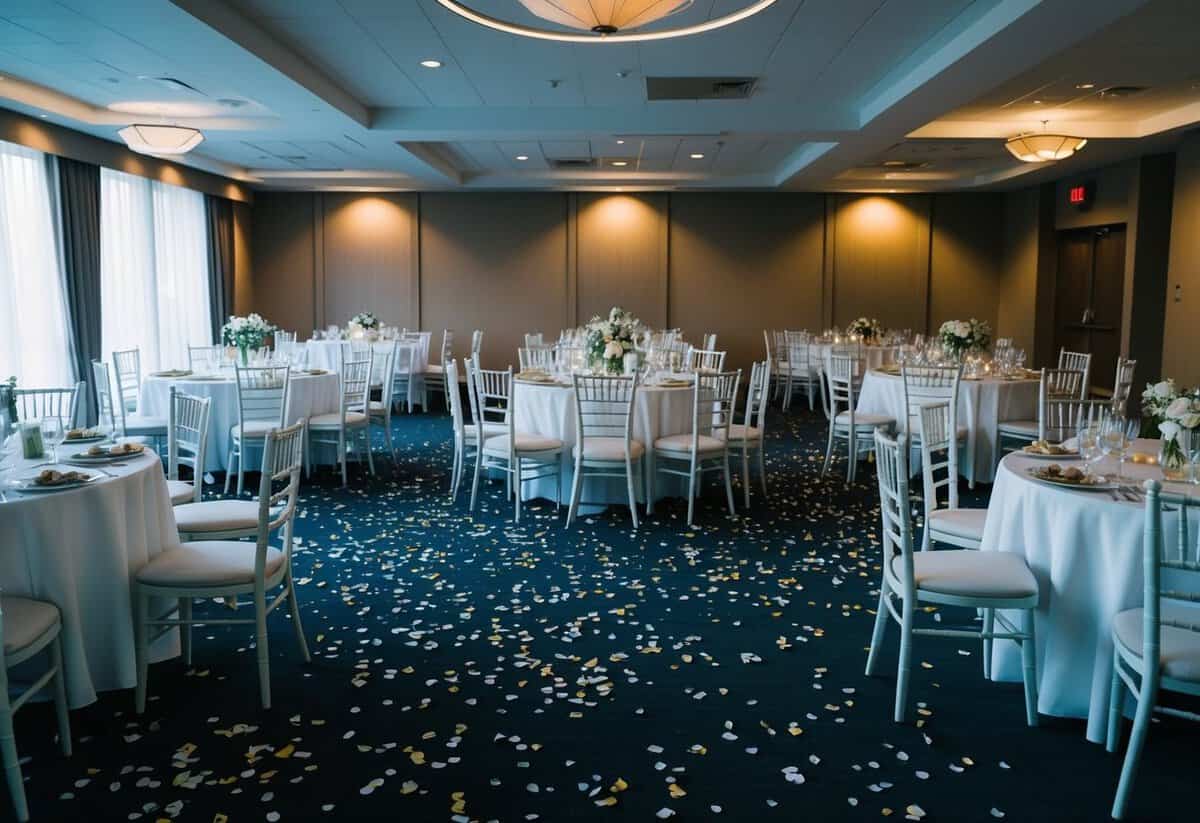
The type of wedding you choose affects guest attendance. Different settings can lead to varied guest responses based on travel, timing, and the size of the gathering. Here’s how these factors play a role in attendance.
Local Versus Destination Weddings
When considering a destination wedding, think about your guests. Many face travel costs, hotel bookings, and time off work. This might make it difficult for out-of-town guests to attend.
On the other hand, local weddings are easier for your friends and family. They don’t need to arrange travel plans or spend much. It’s common for about 60-75% of guests to attend traditional local weddings, while that percentage can drop for distant locations.
Weddings in popular destination spots can be exciting but also lead to a drop in attendance. Costs could make some guests unable to come.
Weekday Versus Weekend Celebrations
Choosing between a weekday and a weekend wedding can impact guest numbers significantly. Most people have work commitments during the week. Thus, weekday weddings may see fewer guests attending.
Weekend weddings are typically more convenient for family and friends. Many can travel more easily and take time off work. This can lead to higher attendance rates.
You might also want to consider timing. Even if you pick a weekend, festivities held in the morning or afternoon can attract more guests than evening events. Timing can make a real difference in who can make it to your special day.
Large Traditional Versus Intimate Weddings
The size of your wedding also influences how many guests attend. Large traditional weddings often invite a wide circle of friends and family. This broad guest list can mean more people attending.
In contrast, intimate weddings usually have fewer guests. While this may limit the number of loved ones present, it can create a deeper connection among those who attend.
Small weddings can be just as meaningful, but ensure your closest people are there. With fewer guests, you might notice distinct attendance patterns based on relationships and personal connections.
Dealing with No-Shows and Last-Minute Changes
No-shows at weddings can be stressful and may impact your plans. It’s important to have strategies in place to handle these situations gracefully and adjust to unexpected attendees. Here are some helpful tips.
Handling No-Shows Gracefully
When guests don’t show up, it can feel disappointing. If you have a clear RSVP system, it may help you anticipate attendance better. You might want to follow up with guests who don’t respond.
If no-shows occur, try not to take it personally. Remember, sometimes life gets in the way. Some guests may have unforeseen circumstances, which could include travel issues, illness, or family emergencies.
In some cases, it’s okay to consider a small buffer in your guest count to account for those who may not attend. This can help avoid extra food waste and costs.
Adjustments for Unexpected Guests
Occasionally, guests may decide to come last minute. This can lead to challenges with seating and catering. One way to prepare for this is to have a flexible seating arrangement. Consider having a few extra chairs and place settings available.
You might also want to communicate with your venue about possible adjustments for unexpected guests. Discuss with your caterer about food options that can easily be scaled up if more people arrive.
If you’re planning a destination wedding, inform your guests about potential changes well in advance, so they are clear on your needs.
Etiquette and Communication
Communication plays a key role in managing no-shows. Ensure your invitations are clear about RSVPs. A brief note asking guests to respond by a specific date can make a big difference.
Make sure to provide your guests with contact information, so they can inform you if their plans change.
Remind guests that attending your wedding is meaningful. Sharing your joy may encourage them to prioritize their attendance. A friendly reminder, along with clear instructions on RSVPs, can enhance your guest attendance.