
How Many People to Invite to a 150 Person Wedding? Tips for Perfect Guest List Planning
Planning a wedding can be both exciting and overwhelming, especially when deciding how many people to invite to a 150-person event. A good rule of thumb is to consider your budget, venue capacity, and the relationships you want to celebrate on your special day. It’s crucial to create a guest list that reflects your vision while staying within practical limits.
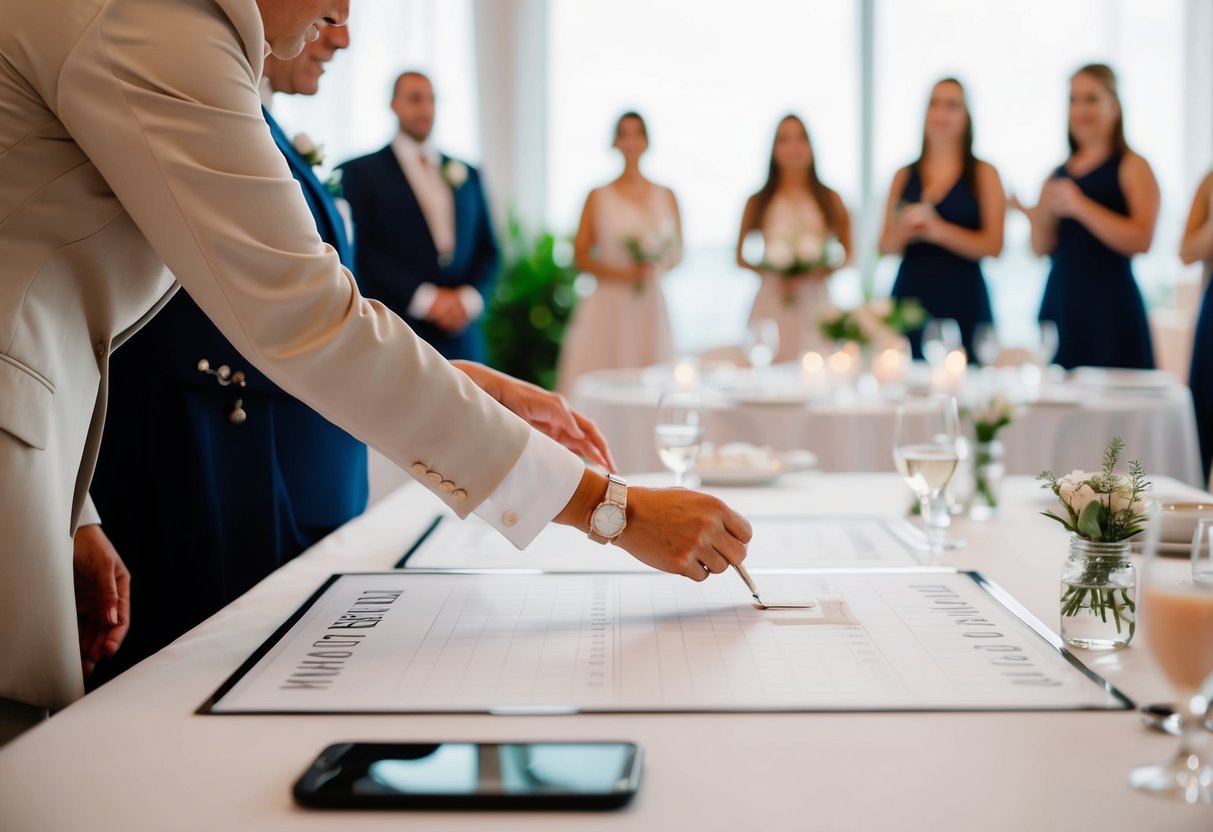
As you think about your guest count, remember that it’s not just about numbers. Your wedding size will shape the atmosphere, from the intimacy of the ceremony to the energy of the reception.
Consider categorizing your guests into tiers like close family, friends, and colleagues to help prioritize who to include.
Ultimately, a well-planned guest list can enhance your wedding experience. It allows you to share this memorable moment with the people who mean the most to you, making your special day even more unforgettable.
Determining Your Wedding Size
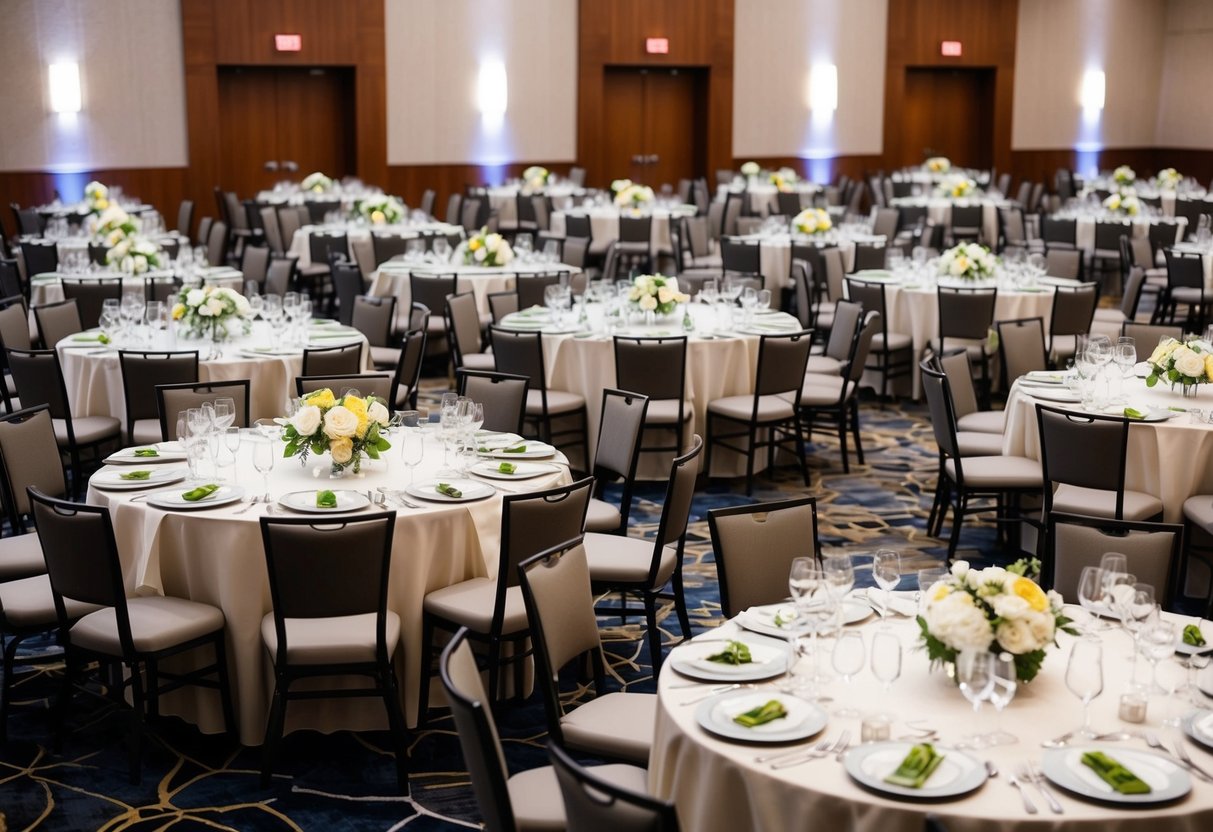
Choosing the right size for your wedding is important as it sets the tone for the day. Factors like venue capacity and the type of ceremony you want can greatly influence your decision.
Understanding Venue Capacity
The venue plays a crucial role in determining your guest list. Knowing the capacity helps avoid overcrowding or underutilization of space. Most venues provide a maximum guest count, which is essential when planning a wedding for around 150 people.
Consider these seating arrangements:
- Theater Style: Fits more guests but lacks intimacy.
- Banquet Style: Offers a cozy vibe with tables.
- Cocktail Style: Great for mingling, but fewer seated guests.
Make sure your venue aligns with your vision, whether it’s for an intimate ceremony or a larger celebration. For a destination wedding, check the location’s limits ahead of time.
Considering Types of Weddings
Your choice of wedding type will significantly affect how many guests you invite. A small wedding may include under 50 guests, whereas a large wedding often exceeds 150.
Here are some types to consider:
- Micro Weddings: Focus on a small group; ideal for personal connections.
- Intimate Ceremonies: Perfect for sharing meaningful moments with close family.
- Destination Weddings: These may limit guests due to travel but can create a unique vibe.
Each type sets a different mood. Think about how you want your special day to feel, and plan your guest list accordingly.
Building Your Dream Guest List
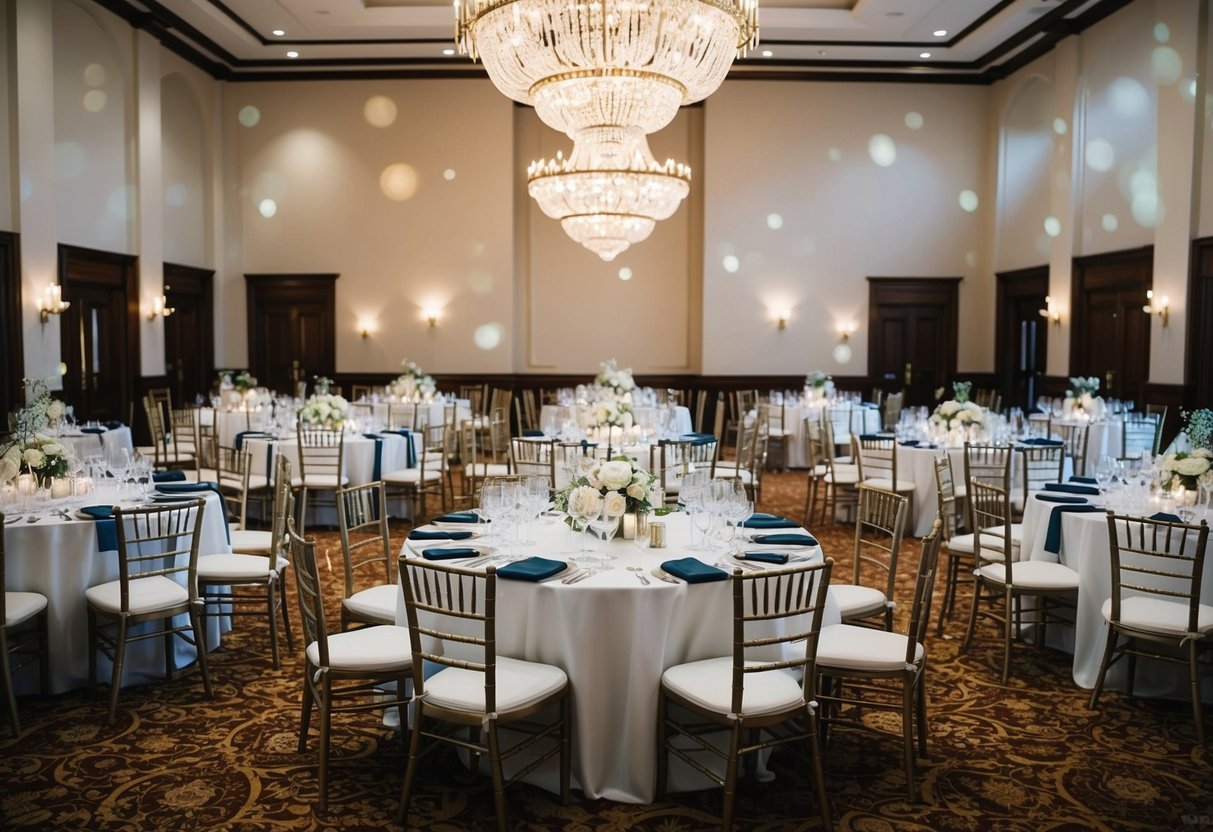
Creating your wedding guest list is a big task. It’s important to make sure you include those who matter most to you while keeping your numbers in check. Here are some key factors to consider when building your perfect guest list.
The A-List and B-List Approach
Start by making two lists: your A-list and B-list. The A-list should include your closest family and friends—those you can’t imagine celebrating without. Aim for about 100 guests here if you’re targeting 150 total.
Next, create a B-list for those who are important but not quite as essential. This list helps fill the remaining spots if some from your A-list can’t attend. Make sure to invite B-list guests only after you’ve confirmed A-list attendance. This way, you respect their feelings while also keeping your guest count in check.
Managing Plus-Ones
Plus-ones can affect your numbers quickly. To manage this well, decide which guests can bring a date. Typically, you might want to allow plus-ones for single guests.
A good rule of thumb is to estimate about 30% of your guest list may want to bring a friend or partner. For a guest list of 150, that means you could have an extra 45 guests. Keep plus-one etiquette in mind; if a guest is in a serious relationship, it’s courteous to invite their partner.
Balancing Friends and Family
Balancing friends and family can be tricky. If each set of parents contributes to the wedding, they should have a say in the guest list too. Allocate a portion of your guest count.
You might choose to divide it as follows:
- Your side: 50 guests
- Partner’s side: 50 guests
- Parents’ sides: 25 each for two sets
This way, everyone feels included and valued on your special day. Keep in mind that it’s okay to make tough choices. Focus on those who will support you as a couple now and in the future.
Budgeting for Your Big Day
Planning a wedding can be exciting and a little overwhelming. Knowing how to budget for your guest-related costs is key to ensuring your big day stays within financial limits. By understanding average costs and how they’re influenced by your total guest count, you can make smart decisions.
Allocating Funds to Guest-Related Costs
When budgeting for your wedding, allocate funds specifically for guest-related expenses. Key areas to consider include:
-
Catering: This is often your biggest expense. Expect to spend around $70 to $150 per guest for food and drinks. For 150 guests, that could be $10,500 to $22,500.
-
Wedding Reception Venue: The size and location of your venue will impact costs. Some venues charge by headcount, so knowing your total guest count helps here.
-
Invitations: Don’t forget the cost of invitations and save-the-dates, which can range from $1 to $10 each.
-
Favors: Small gifts for guests can add up. Aim to spend $2 to $5 per guest.
Carefully track these expenses to stay on budget.
Average Costs Impacted by Guest Count
Your guest count directly influences many wedding expenses. Here’s a breakdown of common costs affected:
-
Catering Costs: As mentioned, food and drink prices rise with more guests. This is a major part of your overall wedding budget.
-
Rental Fees: Some venues have a flat fee, while others change based on how many guests you bring. This can significantly alter your total costs.
-
Seating and Decor: More guests mean more tables and centerpieces. Make sure to factor in these details in your plan.
-
Photography: Photographers may charge more for larger events as they usually include hours of coverage based on guest size.
Keep these points in mind as you create your budget. Planning ahead will help ensure a successful wedding day!
Sending Out Invitations

When planning a wedding, sending out invitations is a key step. You want to ensure you invite the right number of guests and track their responses properly.
Crafting and Timing Your Invitations
Creating your invitations is both fun and important. Choose a design that reflects your wedding theme. Be clear about the date, time, and location, so your guests know what to expect.
Consider these points when crafting your invitation:
- Personalize: Add a personal touch to each invite. Handwritten names can make a big difference.
- Include Details: Don’t forget to include RSVP instructions and any additional information like dress code or gift preferences.
Timing matters too. Send out your invitations about 6-8 weeks before the wedding. This gives your guests enough time to plan, while also keeping your wedding fresh in their minds.
Tracking RSVPs
Managing RSVPs can be a bit tricky, but it’s essential.
Create a list to keep track of everyone you invited and their responses. You can use an online tool or a simple spreadsheet.
Here are some tips for tracking RSVPs:
- Set a Deadline: Clearly state the RSVP date on the invitation. This helps guests remember to respond in time.
- Follow Up: If some guests haven’t replied close to the deadline, don’t hesitate to follow up. A friendly nudge can help ensure you have the final headcount.