
How Many People to Invite to a Wedding in the UK? Tips for Finding Your Perfect Guest List
Planning your wedding is an exciting journey, but deciding how many guests to invite can feel overwhelming. At a UK wedding, the average number of guests is around 82 for the day and 103 for the evening. This number can shift based on your budget and personal choices, so it’s good to keep your unique vision in mind.
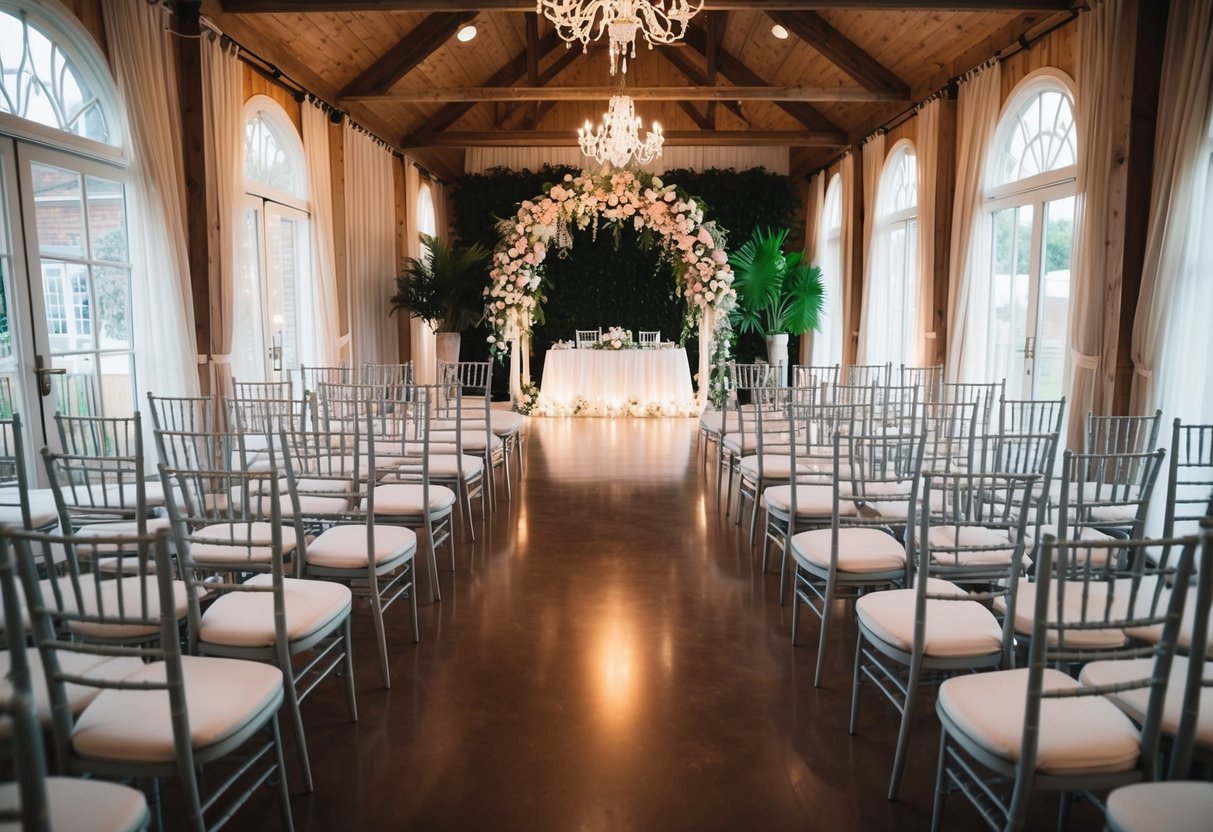
Think about your relationships and the atmosphere you want to create. A smaller, more intimate gathering can allow for deeper connections, while a larger wedding may bring more energy and celebration. You’ll want to strike the right balance between your desires and practical considerations.
As you dive into the details, remember to consider your venue’s capacity and your budget. By doing a little planning, you can find the perfect number of guests that suits you and creates the day you’ve always dreamed of.
Determining Your Ideal Wedding Size
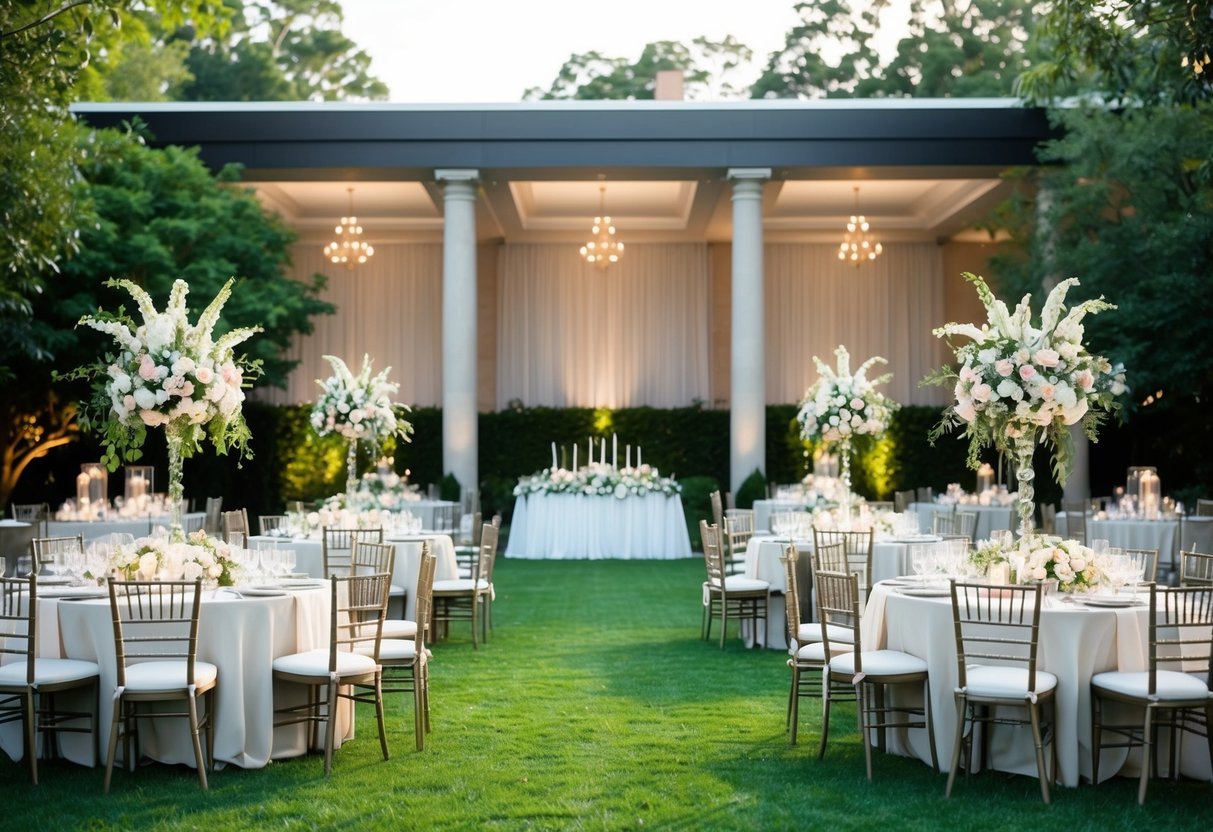
Choosing the right number of guests for your wedding is a big decision. You need to consider various factors, from budget to personal preference. The size of your celebration can set the tone for your special day.
Factors Influencing Guest List Size
Your guest list is shaped by several key factors. Start with your budget. More guests mean higher costs for catering, venue space, and other essentials. Determine how much you are willing to spend, as this will guide your decisions.
Next, think about your venue. Some places have strict capacity limits. If you want a charming smaller location, that could naturally lead to a more intimate wedding. Also, consider your cultural traditions. Certain customs may require larger gatherings.
Finally, reflect on your personal preferences. Do you envision a big celebration with everyone you know, or a close-knit gathering with only close friends and family? Balancing these aspects can help you find your ideal number.
Understanding Different Wedding Sizes
Weddings come in various sizes, each offering a unique atmosphere. A small wedding, often defined as having fewer than 50 guests, can create an intimate experience. This type of gathering allows for deeper connections and heartfelt moments.
On the other hand, a larger wedding may host 100 guests or more. The average number of guests at a wedding in the UK typically falls between 117 and 167. This number can vary notably based on whether you’re celebrating locally or planning a destination wedding.
Another option is the micro wedding, which usually includes fewer than 30 guests. This trend is gaining popularity, especially for those wanting a simple yet meaningful day. Understanding these categories can help you align your vision with the right size for your special occasion.
Venue Selection and Guest Capacity
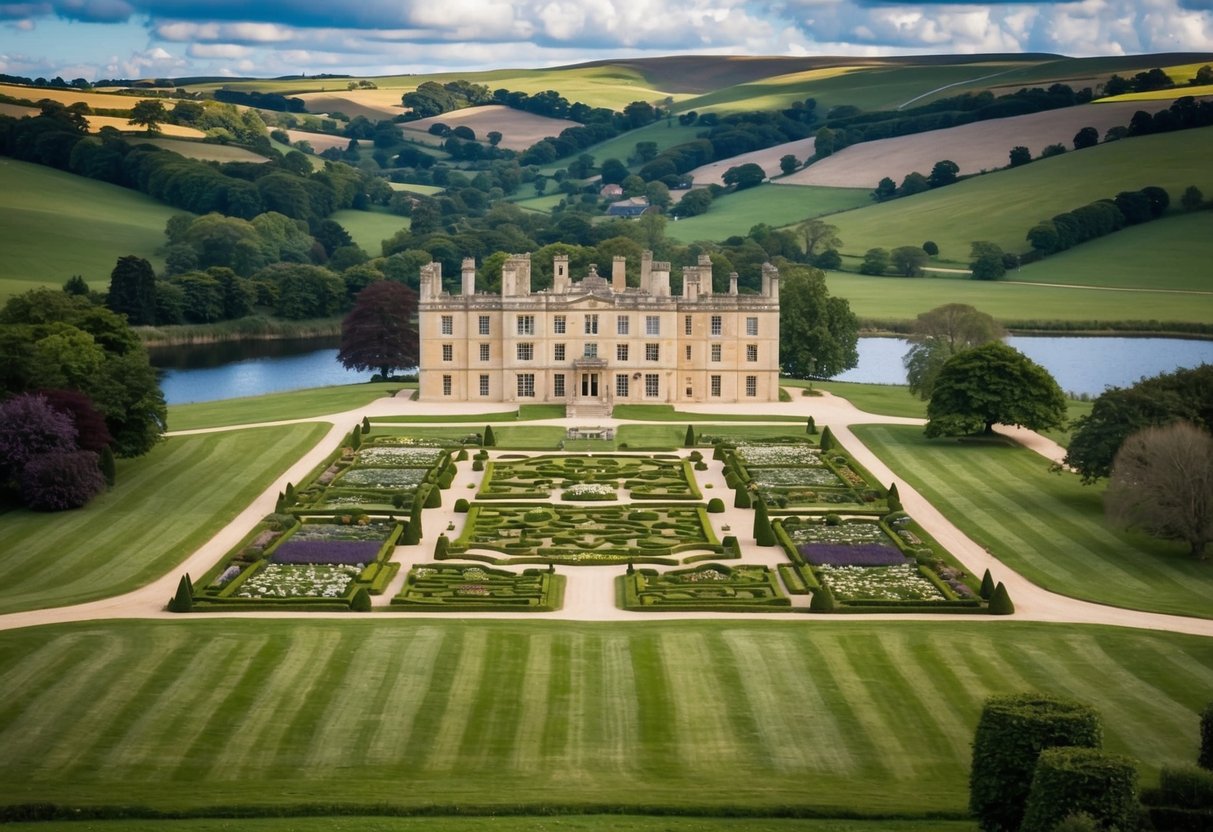
Choosing the right wedding venue is crucial for a successful event. The venue affects not just the aesthetics but also how many guests you can invite. Understanding how to match your venue with the guest count can make your wedding planning smoother.
Matching Venue to Guest Count
When selecting a venue, start by considering the average number of guests you plan to invite. This number will guide your search for suitable spaces.
-
Venue Size: Make sure the venue can comfortably accommodate your guest list. For example, if you envision a gathering of 100 guests, look for venues with a capacity of at least 120. This extra space helps with comfort and movement.
-
Infographics for Capacity:
- Small Venue: Up to 50 guests
- Medium Venue: 50-150 guests
- Large Venue: 150+ guests
Be sure to verify the venue’s capacity directly with the site. This will help avoid disappointment later.
Considerations for Destination and UK Weddings
If you’re considering a destination wedding or staying within the UK, think about special factors that might affect your guest count.
-
Travel Plans: Out-of-town guests may require accommodations. Matching the venue to this need is important, especially if many guests are traveling long distances.
-
Cultural Considerations: For Asian or African weddings, guest lists can be larger. Many couples opt for venues that can host traditional ceremonies comfortably alongside celebrations.
In the UK, consider venues that offer easy access and parking to enhance the guest experience. When considering destination weddings, look for local accommodations and attractions to make it appealing for all your guests.
Budgeting for Your Wedding Guests

When planning your wedding, it’s crucial to align your guest list with your budget. By clearly allocating funds and understanding additional costs, you can keep your expenses in check while ensuring a memorable day for everyone involved.
Allocating Funds Across Your Guest List
Start by defining your overall budget. This is the total amount you have available for your wedding. From that, consider how many guests you want to invite.
Use this calculation to estimate how much you can allocate per guest. For example, if your total budget is £20,000 and you plan to invite 100 guests, you can initially allocate £200 per guest.
Next, prioritize your guests. Close friends and family often come first. You might want to create an A-list and B-list. If your numbers are tight, the B-list can come into play later when you have a firmer grasp of your overall wedding costs.
Additional Costs Per Guest
Remember, each guest can bring extra expenses. Catering costs are typically the largest, averaging £30-£100 per person in the UK. This includes food and drinks during your reception.
You should also consider other costs like venue capacity, seating fees, and favors. Each little detail adds up.
For a more complete understanding of your wedding expenses, factor in things like transportation, invitations, and even plus-ones. By accounting for these extras, you’ll avoid surprises and keep your budget in line.
Fine-Tuning Your Guest List

Creating your wedding guest list can be exciting yet overwhelming. By carefully fine-tuning your list, you can ensure meaningful interactions and manage the number of guests effectively. Here are some key strategies to consider.
Prioritizing Relationships and Meaningful Interactions
Start by listing your top priority guests. Think about who plays a significant role in your life. Include close family members, best friends, and important mentors. This is especially crucial for maintaining meaningful connections.
Organize your guests into categories. These can be A-list and B-list to help with planning. The A-list includes those you definitely want to invite, while the B-list is for additional guests if space allows. This helps focus your guest count without stressing over last-minute changes.
Managing Plus-Ones and Children
When inviting couples or friends, consider their plus-ones carefully. Decide on a policy regarding plus-ones: will you allow them for everyone or only for those in serious relationships? This will impact your total guest count and help keep your wedding size manageable.
If children are in the mix, think about their presence at your event. Decide if you want to invite children or keep the celebration an adult-only affair. This decision can significantly affect your numbers. Communicate clearly on your invitations to avoid confusion.
Finalizing Guest Count and Details
After prioritizing and managing invitations, finalize your guest list to determine the total count. Cross-check your list with your venue’s capacity and your budget.
Remember, the average wedding size can vary, but most couples invite around 100 to 150 guests.
Try to keep track of RSVPs as they come in, adjusting your list as needed. If you’re considering a smaller event, like a minimony or tiny wedding, be even more selective.
This way, you can create an intimate atmosphere filled with meaningful interactions among your closest family and friends.