
How Many People Typically Go to a Wedding? Understanding Guest Counts and Trends
Planning a wedding can feel overwhelming, especially when you have to decide how many guests to invite. Most weddings have between 100 and 200 guests on average, but your guest list can vary widely based on personal preferences and family traditions. Understanding the typical guest count can help you better plan your budget, venue, and overall experience.

You want your day to be special, and knowing the average numbers can set the tone for your celebration. Whether you dream of a small, intimate gathering or a large celebration with everyone you know, having a rough idea of what to expect in terms of attendance can guide your choices.
Many couples wonder who will show up after sending out invitations. You can generally expect around 75-85% of guests to attend, but this number can change depending on factors like location and travel. This article will explore typical wedding guest numbers and offer tips to help you plan your perfect day.
Understanding Wedding Sizes
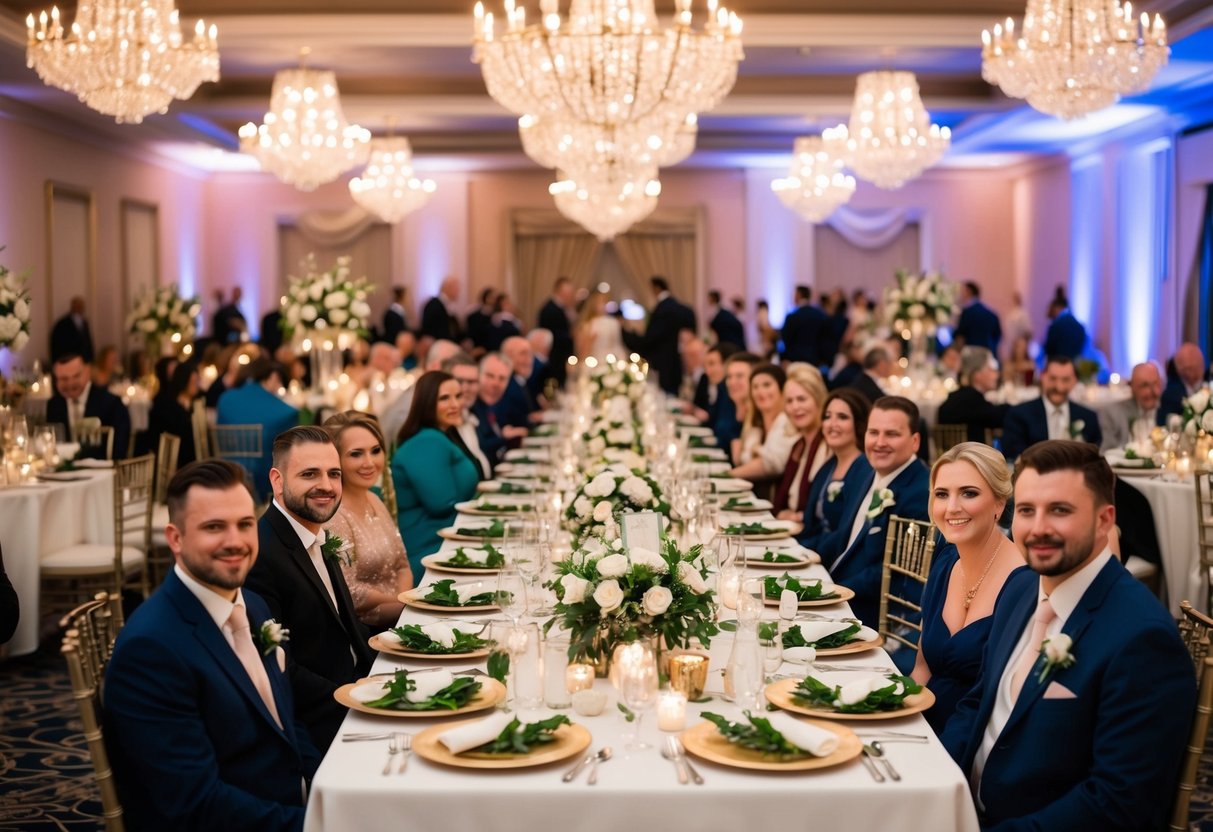
When planning your wedding, it’s important to consider how many guests you want to invite. The size of your wedding can greatly affect the atmosphere, cost, and overall experience. Weddings can generally be categorized into small, medium, and large, each offering a unique vibe.
Defining Small, Medium, and Large Weddings
A small wedding usually includes 50 guests or fewer. This type of wedding creates an intimate atmosphere, allowing you to connect personally with each guest. Options like a micro wedding take this further, often featuring just a few witnesses or close family.
A medium wedding typically has between 50 to 150 guests. This size strikes a balance, providing a lively energy while still allowing for personal interactions. Most couples fall into this category, aiming for a celebratory spirit alongside meaningful connections.
Finally, large weddings usually host over 150 guests, with some reaching upwards of 300 attendees. These big weddings create a festive environment, often incorporating elaborate decor and extensive wedding planning. For those who enjoy large gatherings, this is a popular choice.
Factors Influencing Wedding Size
Several factors can influence the size of your guest list. Budget plays a significant role; larger weddings can become costly, impacting your choices for venues, catering, and decor. Understanding your financial limits is crucial early in the planning stages.
The type of wedding you choose also affects size. Intimate or micro weddings naturally invite fewer people, while traditional ceremonies may accommodate larger crowds. Additionally, family dynamics and cultural traditions might dictate guest list sizes, making certain numbers more common in specific groups.
Lastly, consider your wedding venue. Some locations can only accommodate a limited number of guests, which may help steer your decisions. Balancing these factors can help you find the perfect size for your celebration.
The Guest List Dynamics
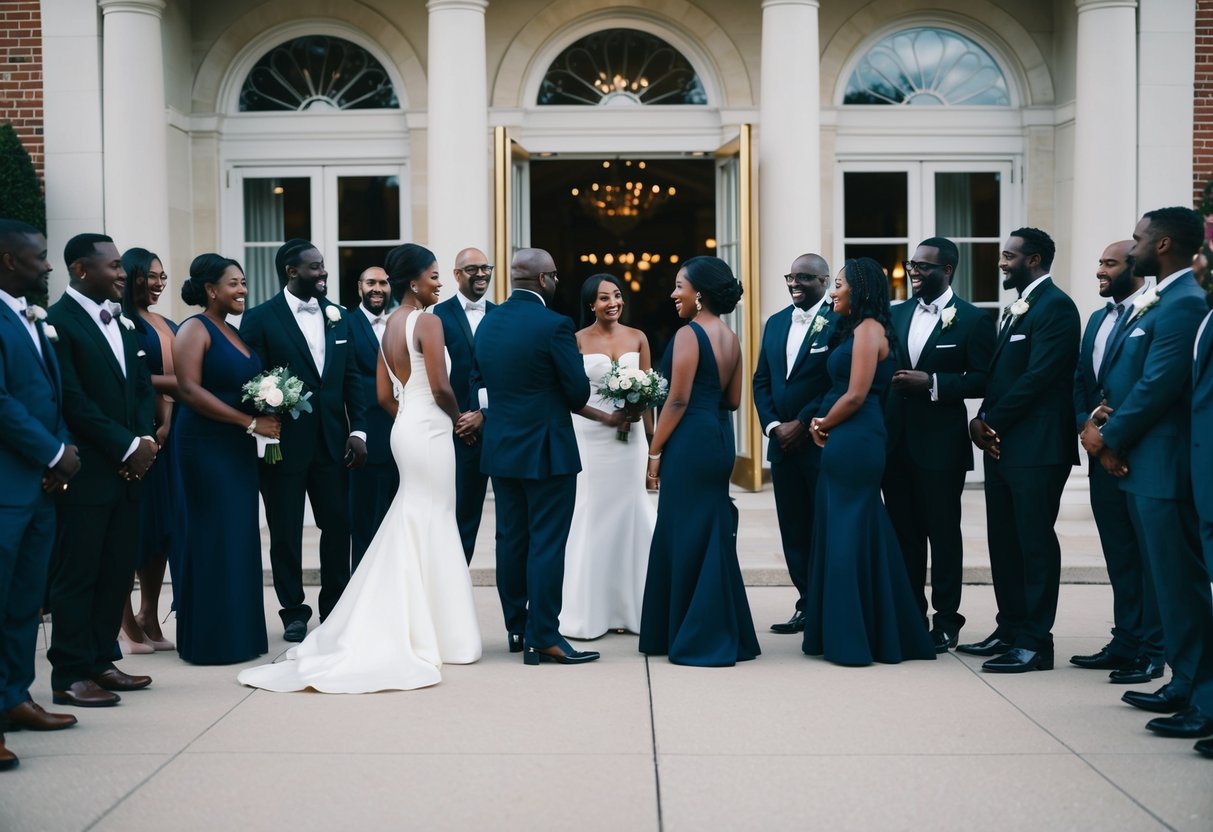
Creating a guest list and understanding RSVP responses are key factors in planning your wedding. These elements can greatly influence your expectations for attendance and help you manage your day effectively.
Creating Your Guest List
When making your guest list, start with a rough draft that includes everyone you want to invite. Think about family, friends, coworkers, and any local guests. Typically, the average wedding guest list size is around 167 people, but yours can vary based on your preferences.
Save-the-dates can help ensure that guests have enough time to plan, especially those who might be traveling. For out-of-town guests, it’s wise to consider their travel arrangements. Including a wedding website link in your invitations can provide essential details and help ease logistics for guests.
You’ll also want to think about the venue size and budget as these will guide your guest list. If your wedding is a destination wedding, expect lower attendance, since travel can be a barrier for some guests.
Understanding RSVP Responses
Receiving RSVPs can clarify how many guests will actually be attending. Typically, around 75-85% of invited guests confirm they will come. That means if you invite 100 people, you can expect positive RSVPs from about 75 to 85.
Local guests often have a higher response rate—around 85-90%—due to fewer logistical challenges. In contrast, out-of-town guests usually respond at a lower rate, about 55-65%.
Make sure to give advance notice with your wedding invitations to improve RSVP returns. This way, you’ll have a clearer understanding of your guest list expectations as your wedding day approaches.
Budget and Expenses
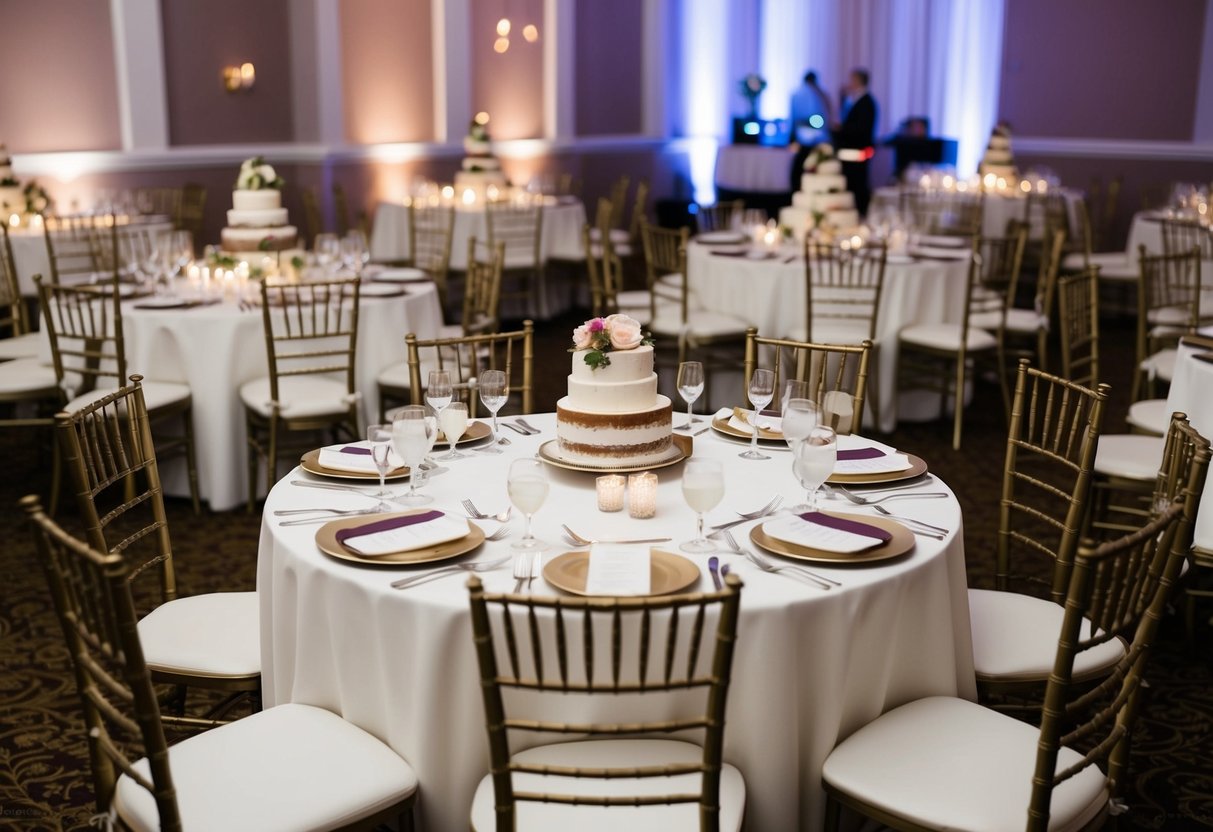
When planning your wedding, understanding how your guest count affects costs is vital. You will also want to allocate your budget effectively to make the most of your funds. Here’s how to navigate these important topics.
How Guest Count Impacts Wedding Costs
The number of guests you invite can significantly influence your overall wedding expenses. Typically, the more guests, the higher the costs.
Key Areas Affected:
- Venue Size: Larger venues often come with higher rental fees. More space means a bigger budget.
- Catering Costs: Meals and drinks are often calculated per person. A guest count of 100 could cost thousands, while 200 could double that expense.
- Extras: More guests lead to added expenses like invitations, favors, and seating arrangements.
When considering a destination wedding, remember that accommodation can also add up quickly, with guests averaging around $1,400 each on lodging.
Allocating Your Budget Wisely
Once you have an idea of how many guests you’re inviting, it’s time to set your budget. A well-planned budget can help you manage your finances more smoothly.
Basic Breakdown Ideas:
- Venue: Aim for 30% of your budget. This ensures you pick a great location.
- Catering: Plan for about 25% of your funds.
- Ceremony and Reception: Allocate around 20% for decorations and setup.
- Photographer/Videographer: Set aside 10% to capture your special day.
Using a spreadsheet can help track expenses. This way, you can adjust categories as necessary. Planning for unexpected costs, like overtime for your venue or extra food, can also provide peace of mind.
Venue and Location Considerations
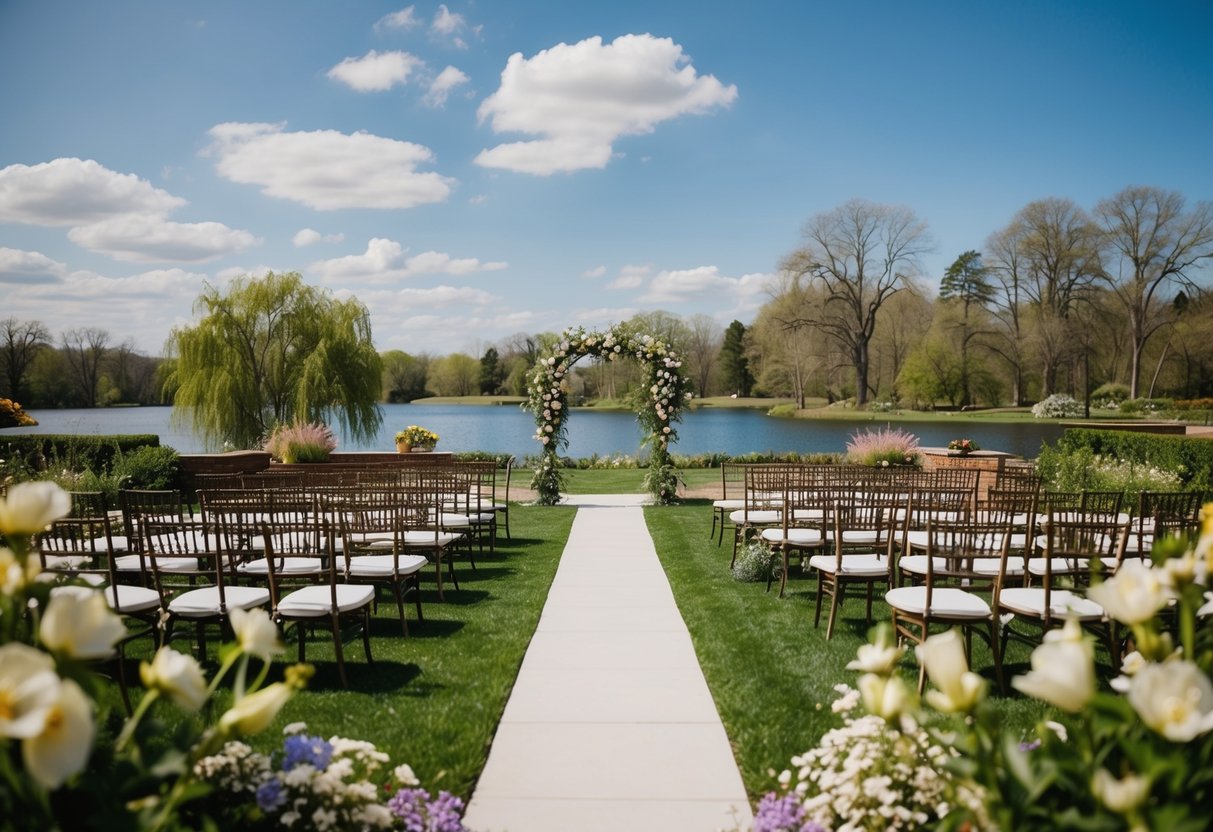
When planning your wedding, the venue and location play a vital role in determining how many guests you can accommodate. You’ll need to think about guest count and how to choose a venue that suits your celebration style.
Choosing the Right Venue for Your Guest List
Start by considering the size of your guest list. If you have around 117 guests, as typical in many weddings, look for venues that can comfortably accommodate that number.
Key factors to think about:
- Seating arrangement: Round tables take up more space than rectangular ones.
- Layout: Check if the venue has areas for dining, dancing, and mingling.
- Flexibility: Some venues can adjust the space based on how many guests you have. This might help if attendance is hard to predict.
Also, think about the venue’s vibe. Whether it’s a rustic barn or an elegant ballroom, the style should match your celebration theme.
Destination Wedding Specifics
Planning a destination wedding can create a beautiful and memorable experience. However, it brings unique challenges regarding guest attendance. Many guests may be less likely to travel. You might expect 75-85% attendance instead of the standard percentage.
Consider these tips:
- Send save-the-dates early: Aim for 6-8 months in advance to give your loved ones time to plan.
- Location appeal: Choose a destination that excites your guests. Popular spots often bring more attendees.
- Acccommodations: Offer information about hotels and travel options, so guests feel more comfortable attending.
Choosing the right venue and location is crucial for keeping your celebration enjoyable and welcoming for your guests.