
How Many People Will Come If You Invite 200 People? Understanding Attendance Expectations
When planning your wedding, one of the biggest concerns is how many of your invited guests will actually show up. If you invite 200 people, you can generally expect around 75 to 85 percent of them to attend. This means you might see approximately 150 to 170 guests at your celebration.
Understanding this estimate can help you decide on the best arrangements for your wedding. Knowing how many people may RSVP to your invitation allows you to better manage your venue space, caterers, and overall budget.
While attendance can vary based on factors like location and your relationship with guests, having a solid idea of turnout helps ease some of the stress of wedding planning. You want your special day to feel full of love and joy, and this number can guide you in making that happen.
Understanding RSVP and Attendance Rates

When planning an event, knowing how many guests will come is crucial. RSVP and attendance rates play a significant role in that. Here’s what you need to know to make your guest list expectations clearer.
The Role of RSVP in Event Planning
RSVPs are essential for understanding how many people plan to attend your event. When you send invitations, include a clear RSVP date. This allows you to track who will be there and those who cannot make it.
Remember, it’s helpful to follow up with guests who haven’t responded. Many people appreciate a gentle reminder. Studies show that about 75-85% of invited guests typically attend weddings.
To improve your chances of a good turnout, send out save-the-dates well ahead of time. This helps your guests plan and increases the likelihood of timely RSVPs.
Historical Attendance Rates and Influencing Factors
Historical attendance rates can guide your expectations. If you invite 200 guests, you might expect about 150 to 170 to come, based on the average wedding attendance rate.
Several factors influence these rates. For instance, location plays a significant role. Destination weddings often see lower attendance because of travel concerns.
Also, consider the relationship of the guests to you and your partner. Close friends and family tend to prioritize your wedding over other commitments. A personal touch in your invitations can also encourage a higher response rate.
Estimating the Size of Your Wedding

When planning your wedding, knowing how many guests to expect is important. Various factors help estimate attendance, including your guest list, venue capacity, and budget. Keeping these elements in mind will make your planning process smoother.
Assessing Guest List and Venue Capacity
Start with your guest list. It’s helpful to consider how many people you really want to invite. For instance, if you invite 200 people, you might expect around 75-85% to attend. Factors like invitation timing can also influence this estimate.
Next, think about your venue capacity. Make sure your chosen location can comfortably hold your expected guests. A big wedding may require a larger venue, while intimate weddings can thrive in smaller settings. Always align the guest list with the venue size to ensure a delightful experience.
Average Wedding Size and Budget Considerations
The average wedding size varies, typically around 167 guests. This number might shift based on the type of wedding you want. A large celebration usually incurs higher costs, so be aware of your wedding budget.
For example, if the average wedding cost is around $34,000, you need to plan accordingly. Micro weddings or small weddings can help reduce expenses while still providing a beautiful celebration. Balancing guest numbers with your budget will help you make informed decisions.
The Impact of Wedding Type on Guest Count
The type of wedding you choose can significantly affect your guest count. A destination wedding may limit attendance due to travel costs and logistics, whereas a local wedding can attract more friends and family.
Consider the atmosphere you’d like to create. Intimate weddings often feature fewer guests, promoting a more personal experience. In contrast, a big wedding could draw in acquaintances and colleagues, creating a lively atmosphere. Think about what reflects your personality and prioritize what matters most at your wedding.
Creating Your Ideal Guest List
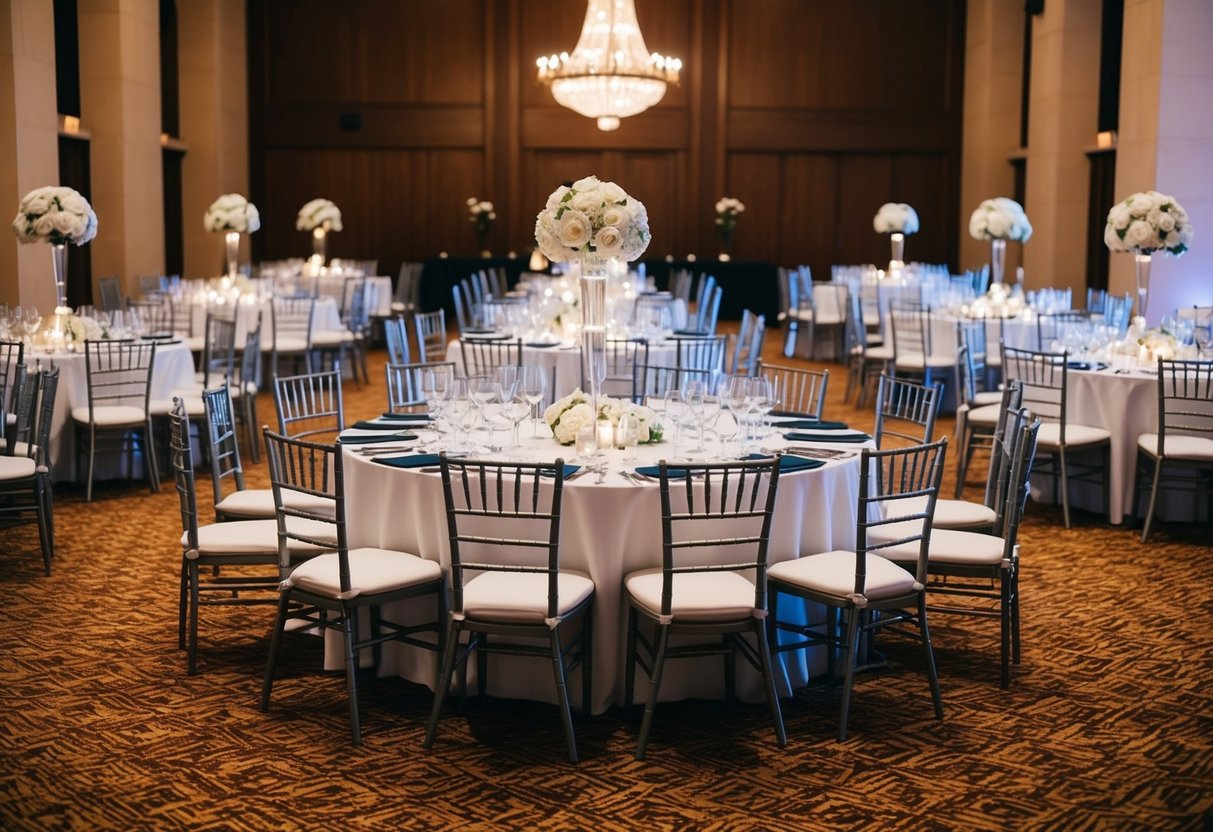
When planning your wedding, creating a balanced guest list is key. You want to include your loved ones while being mindful of who will actually attend. Consider both local and out-of-town guests to ensure your event feels special for all.
Balancing Personal Wishes with Guest Expectations
Start by listing everyone you want to invite. Include family, friends, and anyone who has been significant in your life. Remember, the average wedding guest list is around 167 people, so you may need to adjust your list to fit your venue’s capacity and budget.
Next, consider the feelings of those you invite. It’s important to balance your guest count with those who might expect an invitation. For example, if you invite certain family members, be prepared to invite extended family too. This helps avoid hurt feelings and keeps peace among relatives.
Managing Local and Out-of-Town Guest Dynamics
Think about your local guests versus out-of-town guests. Local guests can easily attend but may feel more comfortable with a smaller gathering. If you invite 200 people, expect around 75-85% of them to come.
Out-of-town guests may need more time to plan. Offering accommodation options or group rates can make it easier for them. If it’s a destination wedding, give these guests plenty of time to arrange their travel. Including them in your plans ensures they feel valued and welcome, making your celebration even more enjoyable.
Finalizing Details and Sending Invitations

Getting ready to invite your guests is an exciting part of planning. You’ll want to choose the right invitations and figure out your costs as you finalize your details.
Choosing the Right Invitations and Save-the-Dates
Selecting the perfect invitations and save-the-dates is essential for setting the tone of your wedding. Start by thinking about your wedding theme and colors. Your invitations should reflect that. Consider sending out save-the-dates at least 6 months before your wedding day.
Choose quality materials that feel good to the touch. Options include cardstock, paper, and even digital invitations for a modern touch. Remember, your invites are the first impression guests will have of your big day.
Don’t forget to include key details, such as the date, time, and location of both the wedding ceremony and reception. Also, leave space for RSVP information, so you can track attendance easily.
Calculating Costs per Guest and Final Number
One important step is calculating how much you can spend per guest. Knowing your budget will help you decide everything from the menu to the venue.
If you invite 200 people, a general guideline suggests that about 75-85% will attend. So, for 200 guests, you can expect around 150-170 to show up. Use a wedding guest calculator to help you estimate attendance.
As you finalize your guest list, create an A and B list for your invites. Start with your A list, which includes your closest friends and family. Once you receive RSVPs, you can fill in the B list if needed. This method keeps your guest count manageable and your budget in check.