
How Many Pictures Do You Need for a 5 Hour Wedding? A Guide to Capturing Your Special Day
Planning your wedding day can feel like a big task, especially when it comes to wedding photography. Knowing how many pictures you need for a 5-hour event helps you set realistic expectations and guides your photographer.
For a 5-hour wedding, the photographer will deliver around 250 to 500 photos. The exact number depends on the day’s specific moments and timeline.
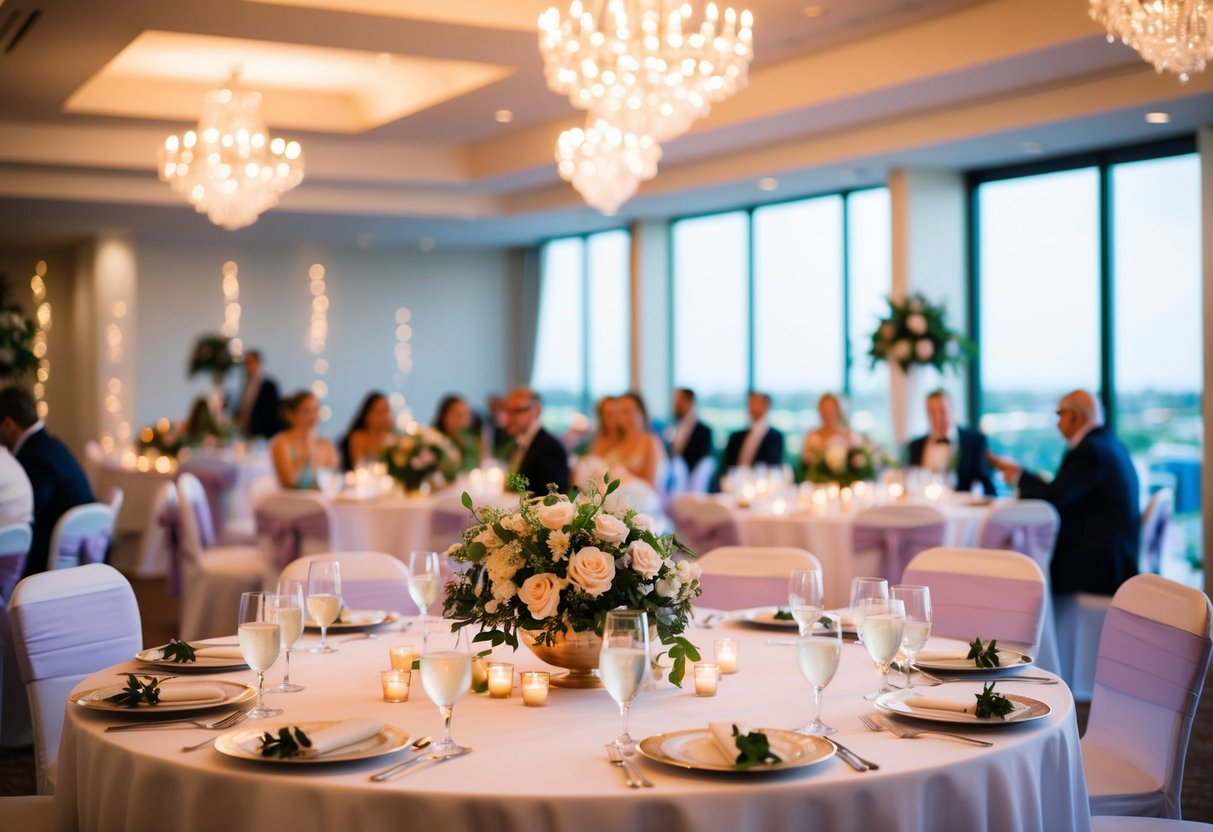
Your photographer plays a crucial role in capturing all the special memories. From getting ready to the final send-off, they will be focused on your happiness and the key highlights of the day.
By understanding the number of photos you might receive, you can better appreciate the value of their work and how it fits into your overall wedding plans.
As you move through the details of your wedding, keep this estimate in mind. Planning your timeline with your photographer ensures that you capture the moments that matter most. Being prepared will help make your wedding day even more memorable.
Understanding Wedding Photography Coverage

When planning your wedding photography, knowing how to assess your needs is essential. This section covers the key details of determining coverage, what 5 hours of photography includes, and the value of a well-structured timeline.
Determining Your Needs
To determine your photography needs, consider the key moments you want captured. The most important parts of your day are often the ceremony, reception, and any special events like the first look or speeches.
Think about the number of guests and the overall size of your wedding. A larger wedding may require more coverage to capture interactions with family and friends.
In a standard 5-hour package, you can expect to get creative with the timeline. Prioritize what matters most to you. Do you want photos during the ceremony, the cocktail hour, and the reception? Detail your must-have moments to help guide your photographer.
What Does 5 Hours of Coverage Really Mean?
Five hours of photography can cover a lot. Typically, this includes essential moments like getting ready, the ceremony, a portion of the reception, and maybe even the first look.
Many photographers aim to take around 50 to 100 photos per hour. This means during a 5-hour gathering, you can expect around 250 to 500 images.
Plan your timeline carefully. If your ceremony and reception are in separate locations, consider additional travel time. Communicating clearly with your photographer helps them capture everything you want.
Importance of a Photography Timeline
A photography timeline is essential for ensuring you don’t miss any important moments. Consider the flow of your day: from getting ready, through the ceremony, to the reception.
Creating a detailed timeline helps your photographer know where to be and when. Be sure to include time for group family pictures before the reception starts.
Also, factor in breaks. For instance, if you have a cocktail hour, it’s a perfect chance for your photographer to capture guests enjoying themselves before the formal events begin.
Key Moments to Capture

Capturing the right moments during your wedding is crucial for telling the story of your special day. In a five-hour wedding, there are several highlights you shouldn’t miss.
Ceremony and Reception Highlights
During the ceremony, focus on emotions and key rituals. You should capture the exchange of vows, the ring exchange, and those heartfelt reactions from family and friends.
After the ceremony, shift to reception highlights. Make sure to get the grand entrance of the couple. This moment sets the tone for the celebration. Don’t forget about the toasts. These speeches are often filled with laughter and love, providing great photo opportunities.
Include the couple’s first dance, which symbolizes the start of their new life together. Moments like dancing with parents also hold deep meaning, so capture those too.
Essential Portraits
Portraits play a significant role in your wedding photos. Start with couple portraits. These should reflect your love and connection, so choose a scenic backdrop.
Ensure you have immediate family portraits as they hold sentimental value. Gather everyone for a traditional family shot.
Wedding party portraits are also important. These showcase fun, candid moments with your closest friends. Pose creatively to highlight your personalities.
Remember to capture any group pictures, such as with cousins or friends from school. These images will evoke cherished memories in years to come.
Special Wedding Events
Special events add unique elements to your wedding. Capture the cake cutting ceremony. It’s a fun tradition that showcases your first act as a married couple.
Photograph the bouquet toss and garter toss moments. These are often filled with excitement and laughter.
Make sure to get the dancing moments too. Candid shots of your guests enjoying the evening create a lively atmosphere in your photo album.
Finally, be ready to photograph the rings. Their close-up shots symbolize the love and commitment shared between both partners. All these moments together will create a rich tapestry of your wedding day.
Logistics and Planning for Smooth Photography

Planning logistics carefully helps ensure the photography at your wedding runs smoothly. This involves allocating time for events, considering travel needs, and deciding if a second shooter is necessary.
Allocating Sufficient Time for Each Event
Start by creating a detailed schedule for your wedding day. List all key moments, such as the ceremony, first dance, and speeches.
Make sure to allocate sufficient time for each event to avoid rushing. For example, set aside at least 30 minutes for family portraits.
This is crucial during a five-hour coverage period. Include buffer time for any delays, which can happen due to hair, makeup, or even traffic. A well-planned timeline ensures you capture every precious moment without stress.
Travel Time and Location Considerations
Consider travel time between locations, especially if your ceremony and reception venues are different. Traffic can be unpredictable, so check maps and local conditions on the wedding day.
Plan for transportation of your photographer and gear. If you have a tight schedule, allow extra time for travel. This prevents any issues that may arise from unexpected delays and keeps the day flowing smoothly.
If you are in a city with heavy traffic, factor that into your timeline. Communicate with your wedding planner about transportation options that might help, such as shuttle services, to keep things on track.
Working with a Second Shooter
Hiring a second shooter can enhance your wedding photography experience. A second photographer allows for capturing different angles and moments simultaneously.
A second shooter can focus on candid shots while the main photographer captures critical, planned events. Discuss with your photographer if a second shooter fits your budget and timeline.
With a second shooter, you won’t miss important moments, especially during busy times like the ceremony or reception. Make sure to coordinate with them before the big day to ensure everyone knows their roles and responsibilities.