
How Many RSVPs Actually Show Up? Understanding Attendance Trends for Your Events
When planning an event or a wedding, one big question lingers in your mind: how many RSVPs actually show up? On average, about 60% of invited guests will attend, but this number can rise to around 75% for those closest to you. Knowing what to expect can help you plan better, manage your budget, and ensure you have enough seating and food for everyone.

It’s normal to experience some no-shows, even with confirmed RSVPs. Understanding the trends behind these numbers can ease your anxiety and help you create a realistic guest list. Various factors, such as the type of event or the distance guests need to travel, also play a role in attendance rates.
While each situation is unique, having a grasp on average attendance can guide your wedding planning journey. Whether you’re sorting through guest lists or deciding on food quantities, these insights are valuable for making your event a success.
Understanding RSVP Trends

RSVPs play a crucial role in wedding planning. Knowing how many guests are likely to show up helps you manage your budget, seating, and catering needs. Understanding acceptance rates can give you a clearer picture of your wedding day attendance.
Significance of RSVP in Wedding Planning
RSVPs are essential for organizing your big day. They let you know which guests plan to attend. This information is vital for catering and seating arrangements.
When you send out invitations, responses help you estimate the average wedding size. If you invite 100 people, you might expect around 60% to 83% to accept based on different surveys. This means you could have between 60 to 83 guests at your wedding.
Providing clear deadlines for RSVPs can encourage timely responses. You might use online platforms or traditional cards to collect answers. A polite reminder can also boost response rates.
Historical Acceptance Rates
Acceptance rates for wedding RSVPs have fluctuated over the years. In general, couples have seen a range of 60% to 83% acceptance, depending on various factors.
Factors affecting these rates include location, guest demographics, and the type of invitation sent. For example, destination weddings often lead to lower acceptance.
Recent studies show that about 80% of RSVPs tend to say yes. Yet, it’s common for 10% to 20% of those who say yes to not attend. Knowing these trends helps you plan better and reduces stress on your special day.
Managing Your Guest List
Managing your guest list is essential for a smooth wedding day. It helps you prepare for things like seating arrangements, catering, and space needs. Understanding how to create and manage your guest list effectively will lead to a more enjoyable experience for you and your guests.
Creating an Accurate Guest List
Start by listing everyone you want to invite. Include family, friends, and important people in your life. As you make this list, prioritize your guests. You might consider creating an A-list and a B-list. The A-list includes your must-invite guests, while the B-list includes those you’d like to invite if space allows.
Once you have your list, check it for duplicates or unnecessary entries. This will help keep your headcount clear. Remember that including too many guests can lead to more no-shows. Keep in mind that about 10 to 20 percent of those who RSVP “yes” may not attend your wedding.
Guest List Management Strategies
Use a spreadsheet or a wedding planning app to track your guest list. This will allow you to easily manage RSVPs, addresses, and meal preferences. You can organize your list by categories like family, friends, and work colleagues for better clarity.
Communicate clearly with your guests. Send out save-the-dates early to inform them of your wedding date. After that, send your invitations with RSVP cards. These cards give guests an easy way to let you know if they’re coming. Keep a record of responses to stay organized.
The Role of Save-the-Dates and RSVP Cards
Save-the-dates are important for letting guests know about your wedding date well in advance. They are especially useful for guests who may need to travel long distances. This early notice can increase attendance and help you better manage your numbers.
When you send your invitations, include RSVP cards. These help you gather guest responses quickly and clearly. Ensure your RSVP cards have a response date, allowing you time to finalize your guest list. By tracking these replies, you can get a better idea of who will actually attend your wedding, making your planning much easier.
Expectations Vs. Reality
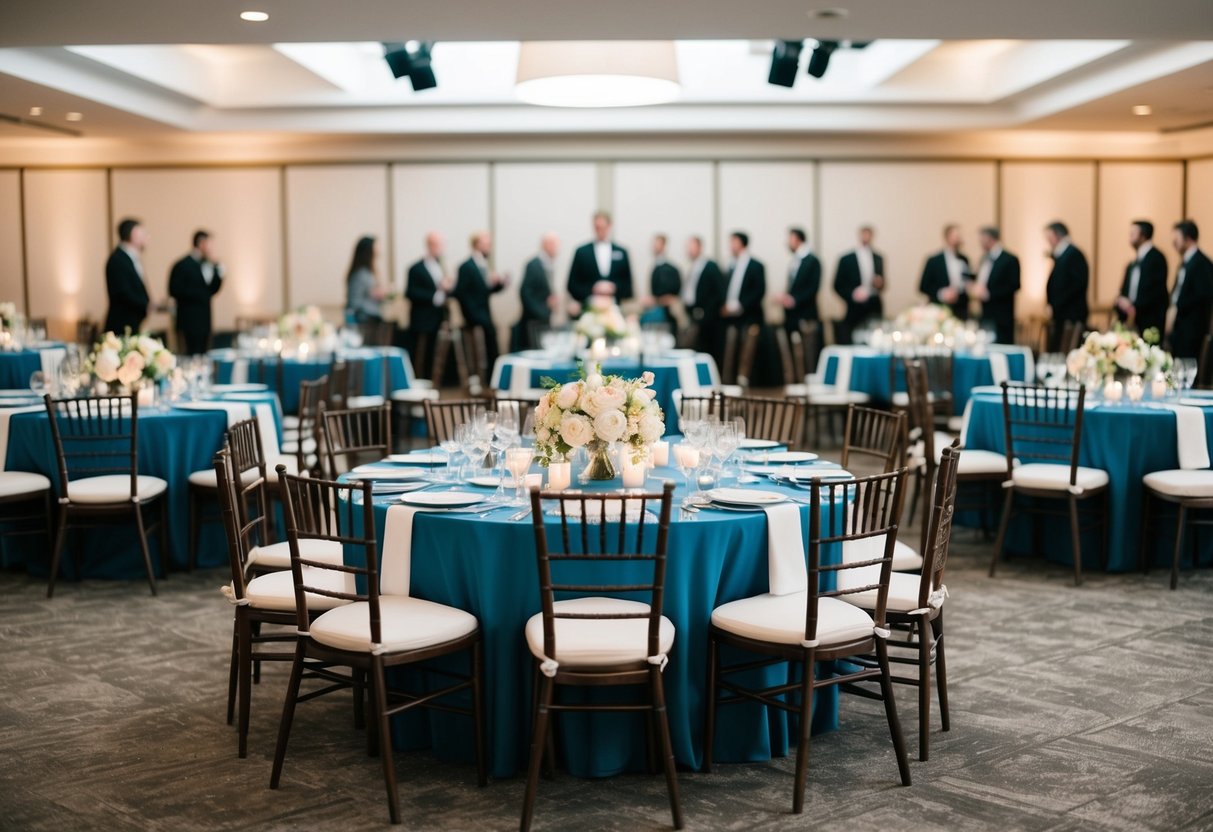
When planning your wedding, understanding how many guests will actually show up is crucial. Many couples hold expectations based on RSVPs, but the reality can differ. Let’s break down how to predict attendance, the effects of no-shows, and some self-evaluation questions to help you get a clearer picture.
Predicting Wedding Attendance
Predicting how many guests will come can be tricky. On average, about 60% of those who RSVP with a “yes” actually attend. This means if you invite 100 guests, expect around 60 to show up.
Factors like location, time of year, and the relationships you have with your guests can affect this number.
Tips for better predictions:
- Consider the guest list: Are they local or traveling?
- Think about the timing: Is it during a busy holiday or vacation season?
Taking these variables into account can help create a more realistic outlook on your wedding attendance.
Impact of No-Shows on Wedding Planning
No-shows can significantly impact your wedding planning. They might affect seating arrangements, catering numbers, and your overall budget.
For example, if you plan for 100 guests and only 70 come, you could have wasted food and money.
Common reasons for no-shows include:
- Illness or emergencies
- Travel issues
- Last-minute changes in plans
Keep in mind that about 10-20% of guests might decline your invitation. Understanding this can help you plan better and use your resources wisely.
Self-Evaluation Questions for Accurate Predictions
To improve your forecasting, it’s helpful to engage in some self-evaluation. Ask yourself the following questions:
-
Who on my list is likely to attend?
Consider their habits and past attendance at similar events. -
Are there any local factors that might impact attendance?
Events happening in the area can divert attention from your wedding. -
How well do I know my guests?
Close friends and family are more likely to show up than acquaintances.
These questions can help you refine your expectations and improve your planning process. Tracking these aspects can lead to more accurate predictions about your big day.
Post-Wedding Considerations

After the celebration, you’ll want to think about how to maintain connections with your guests and what to do next. Understanding the impact of RSVPs on post-wedding events and follow-ups can enhance your wedding experience.
Follow-Up with Guests
Following up with your guests is important. Send thank-you notes to everyone who attended, acknowledging their presence. If someone couldn’t make it but sent a gift, it’s polite to thank them as well.
You might also consider sending a digital photo gallery link or a recap of the day. Guests love seeing pictures from the event, and it makes them feel included.
If you hosted a post-wedding brunch, reach out to those who attended with a special note about how much fun you had. Remember to mention any wedding favors they may have taken home, as it reinforces positive memories from your special day.
Effect on Post-Wedding Events
The RSVP turnout can directly affect any planned post-wedding events, like brunches or gatherings.
For instance, if 85% of your guests showed up, you can feel confident about hosting a larger post-wedding brunch.
Make sure you manage your expectations. If attendance was lower, plan a smaller, more intimate gathering.
Discuss with your wedding expert the right approach for future events.
Their insights can help you refine your guest list for any upcoming celebrations and ensure everyone has a great time.
By considering attendance, you can better tailor future gatherings, creating special memories for you and your loved ones.