
How Many Side Dishes Do You Need for a Wedding Buffet? A Helpful Guide
Planning a wedding buffet can feel overwhelming, especially when deciding how many side dishes to serve. A good rule of thumb is to plan for two to three side dishes per guest, aiming for about four to six ounces of each dish. This balance helps ensure that everyone has enough variety without overwhelming your guests with too many options.
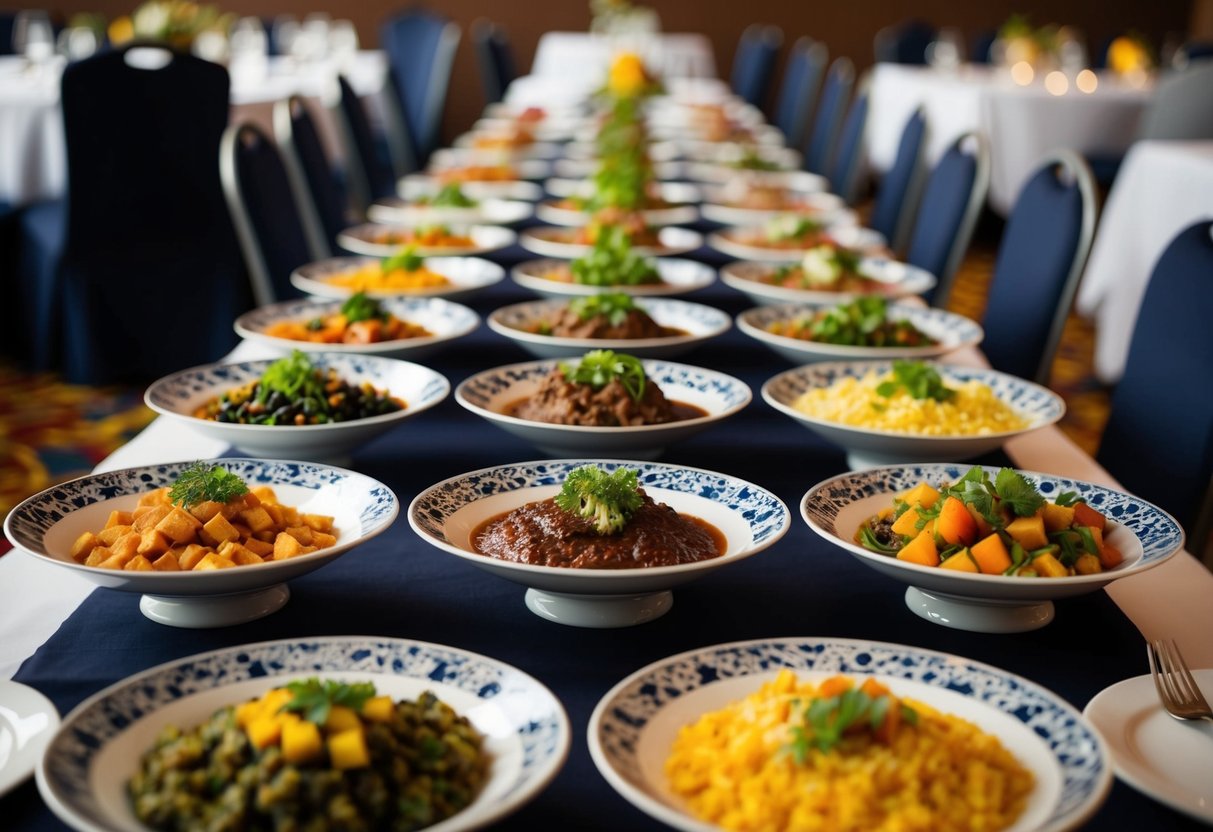
Think about the flavors and textures you want to include. A mix of salads, vegetables, and grains can cater to different tastes and dietary preferences.
At your wedding reception, offering a well-rounded selection can make your buffet inviting and enjoyable for all.
By considering your guest count and menu variety, you’ll create a delightful dining experience that leaves a lasting impression. The right number of side dishes can transform your buffet into a memorable highlight of your special day.
Determining the Right Quantity of Side Dishes
Getting the right number of side dishes for your wedding buffet is essential for a successful reception. It helps to consider your guest count and how much food they might enjoy.
Balancing variety with portion sizes allows everyone to have a delightful experience.
Assessing Guest Count and Serving Sizes
First, take a good look at your guest list. Count how many people will be attending.
Generally, you should plan for about 1 to 1.5 ounces of each side dish per person. For example, if you have 100 guests, and choose to serve three side dishes, you might think about having about 4 to 6 pounds of each dish.
It’s also wise to consider that some invited guests may eat more than others, especially if the buffet is delicious! As a rule of thumb, larger portions might be more appealing. You could opt for 5 pounds of each side dish for more generous servings.
Balancing Variety and Volume
Variety is key when serving side dishes. You don’t want to overload your buffet with too many similar options.
Aim for 3 to 5 different side dishes to offer a balanced selection. Include a mix of flavors and textures—think about a salad, a grain dish, and cooked vegetables. This combination keeps everything interesting and satisfying.
For instance, pair a heartwarming pasta with light green beans and a zesty salad. Your guests will appreciate the mix! Just remember to maintain a portion size of around 4 to 6 ounces of each side dish per person. This way, everyone gets to enjoy a bit of everything without waste.
Types of Side Dishes to Consider
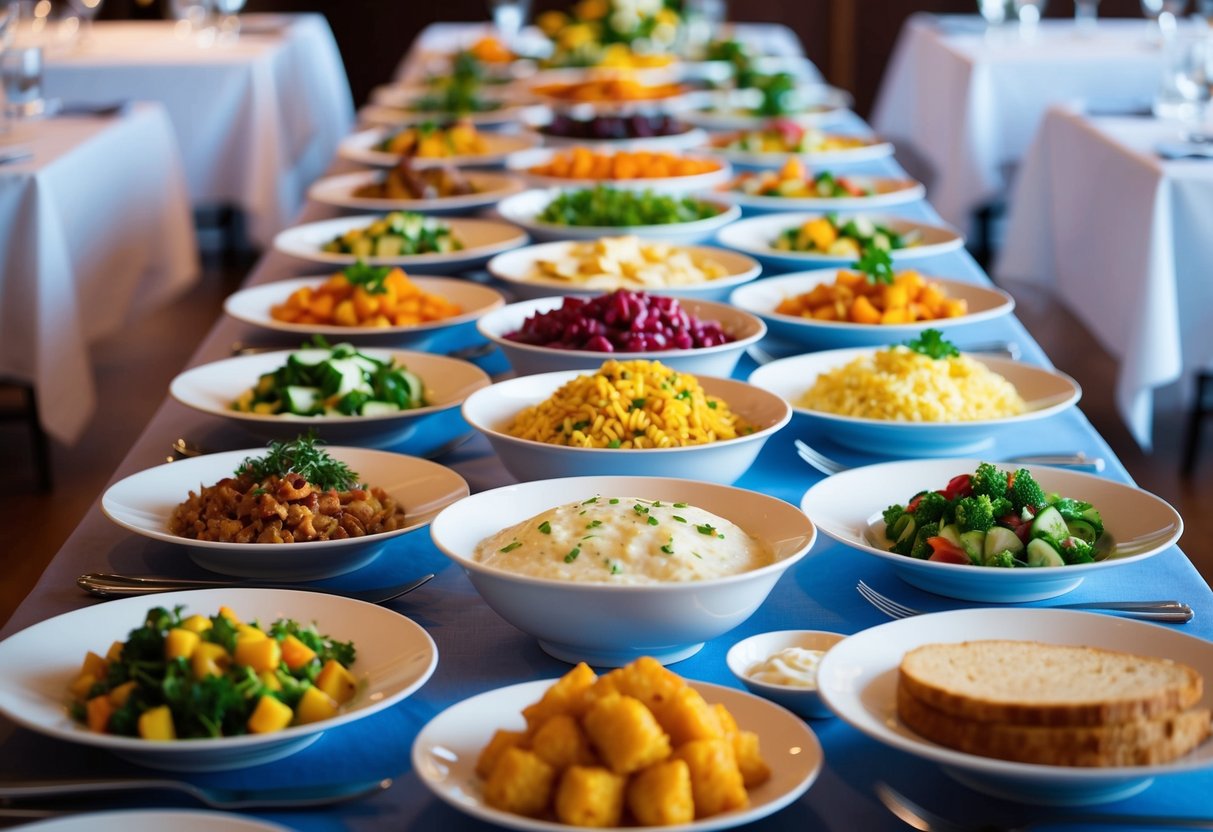
When planning your wedding buffet, choosing the right types of side dishes can enhance the meal experience. By including a variety of options, you’ll cater to different tastes and dietary needs. Let’s dive into some popular categories of side dishes.
Salads and Vegetables
Salads are a friendly and fresh option for your buffet. They offer variety and can be quite colorful on the table.
Consider including mixed greens, Caesar salad, or a quinoa salad for a healthy touch. Aim for about 4-6 ounces of salad per guest.
You can add garnishes such as nuts, fruits, or croutons to give guests a chance to customize their salads.
Don’t forget about roasted or steamed vegetables like carrots, asparagus, or seasonal veggies. These can be delicious and healthy sides that also appeal to your guests’ preferences.
Starches and Grains
Starchy sides are essential for a well-rounded meal and can help fill your guests up.
Popular options include rice, mashed potatoes, and pasta salads. You might offer a creamy garlic mashed potato or a vibrant Mediterranean pasta salad for flavor.
When planning portions, account for about 4-6 ounces of starchy sides per guest. Including a variety of grains like quinoa or couscous can also cater to those seeking healthier options. These dishes provide energy and are loved by many.
Specialty Items for Dietary Restrictions
Addressing dietary restrictions is important to ensure all your guests feel included.
Consider offering gluten-free options, like a quinoa salad or a vegetable stir-fry. You might also want to include vegetarian or vegan dishes, such as stuffed bell peppers or roasted vegetable platters.
Be mindful of food allergies by avoiding common allergens in your dishes. Clearly label each dish so guests can easily identify what is safe for them to eat. Offering a variety of side dishes not only provides delicious options but also shows your thoughtfulness to your guests’ needs.
Integrating Sides with the Main Course and Wedding Theme
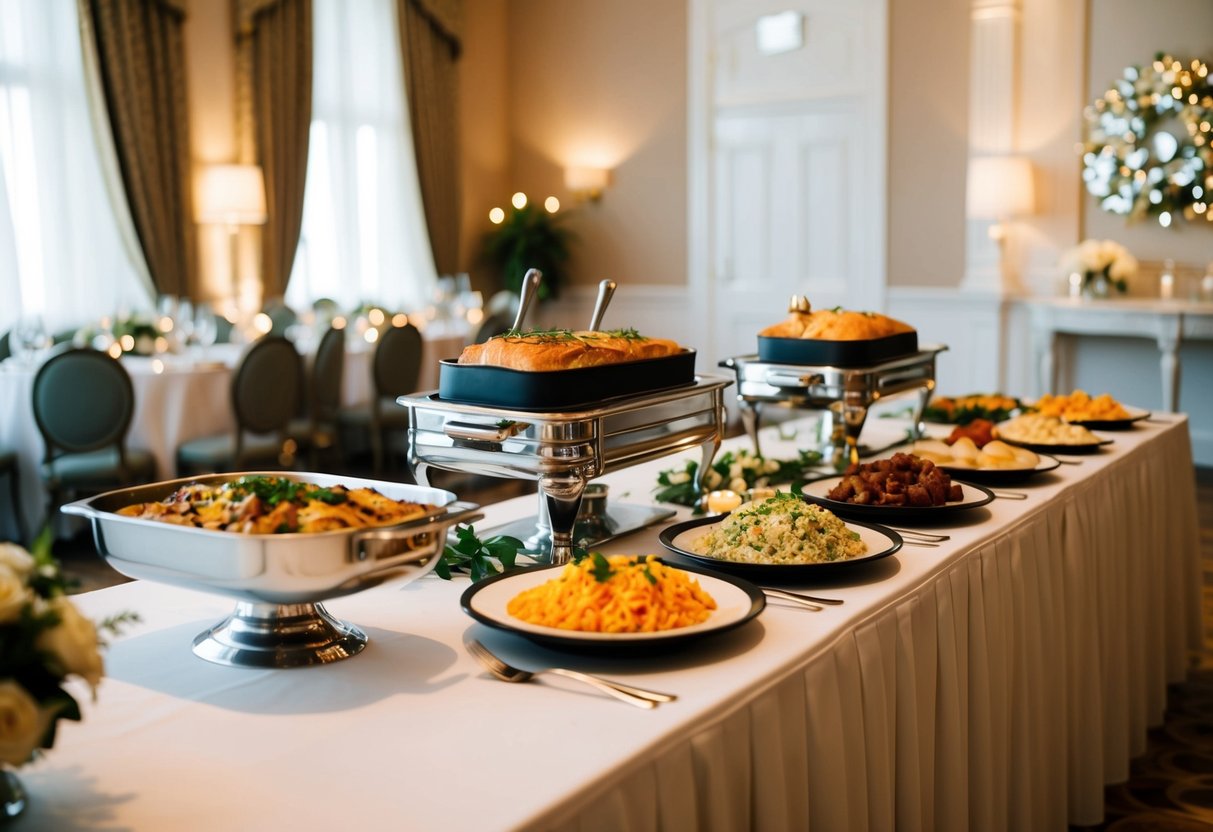
When planning your wedding buffet, it’s important to think about how your side dishes connect with the main course and fit your wedding theme. This will make your meal feel cohesive and memorable for your guests.
Complementing the Main Course Flavors
To enhance your buffet entrées, choose side dishes that harmonize with the main flavors. For example, if you serve grilled chicken with a lemon herb marinade, consider sides like a citrus salad or roasted vegetables.
Aim for portion sizes of 4 to 6 ounces per guest for sides. This allows everyone to enjoy a variety while still making room for the entrée.
It’s also wise to include at least two to three sides. This can provide balance and ensure there’s something for everyone.
Aligning with the Wedding Motif
Let your wedding theme guide your side dish choices. If you’re hosting a Southern summer soirée, think of sides like coleslaw, cornbread, or baked beans.
Using colors and ingredients that match your wedding palette can make the meal visually appealing. For instance, vibrant salads with seasonal fruits can enhance a light, summer theme. Always consider texture and color to create a beautiful presentation on your buffet table.
Executing the Buffet Setup
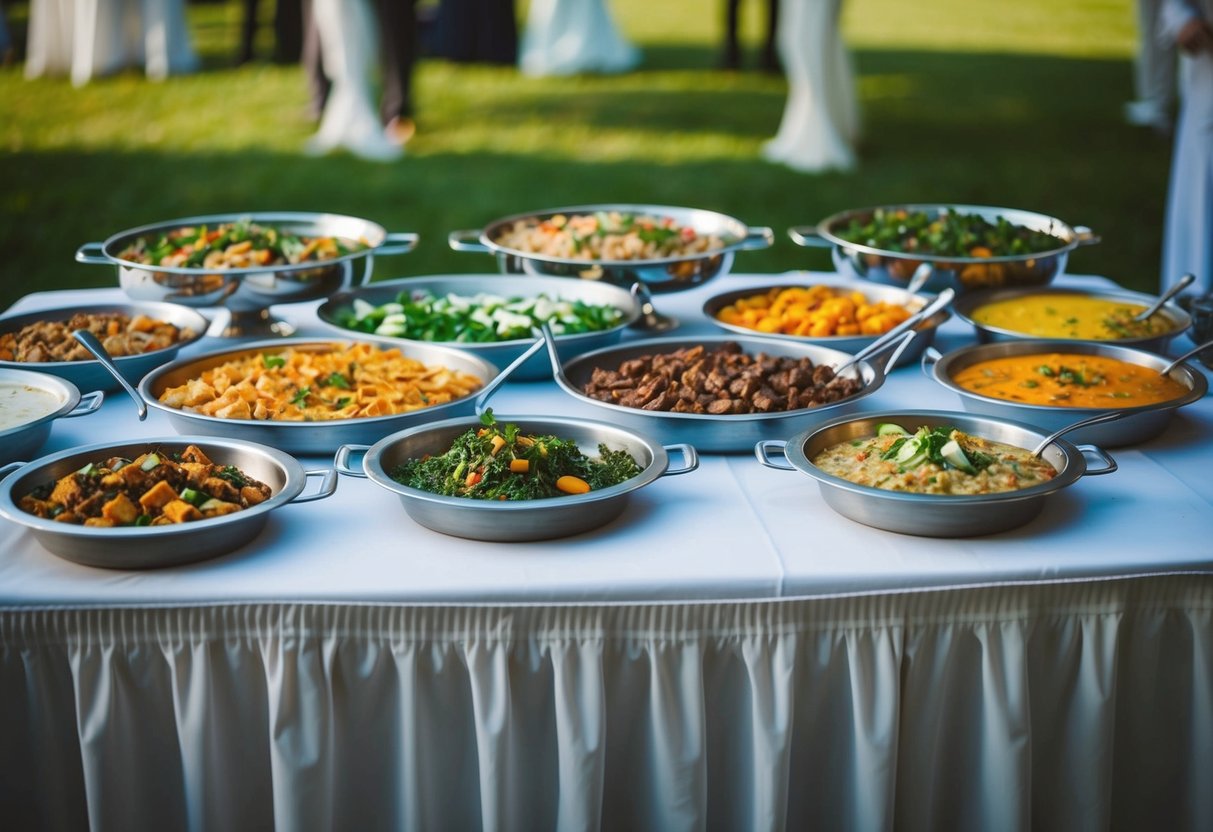
Setting up a wedding buffet involves careful planning and execution. You want to ensure that guests enjoy a smooth dining experience, so it’s important to focus on arranging the buffet lines and managing the flow effectively.
Arranging Buffet Lines and Tables
When setting up buffet lines, start by using two 8-foot banquet tables for every 100 guests. This allows lines to move along both sides.
Place the tables in a way that guests can approach from both ends.
Outline clear areas for appetizers, main dishes, and desserts. This helps guests know where to go and what to expect.
To enhance the experience, add decorations like flowers or candles, but keep them low to avoid blocking the food. Ensure the buffet menu is easily visible by placing a menu card at the start of the line.
Managing Buffet Flow and Accessibility
To keep the buffet running smoothly, establish a clear flow of traffic. Make sure there’s enough space between tables for guests to move comfortably.
Consider the number of guests when planning; you may want a designated area for seating nearby.
If possible, have a wedding planner or caterer guide guests on busy days. This way, they can direct traffic and assist with any issues.
Include serving utensils that are easy to use and keep everything maintained for safety.
You can also plan for dietary options to accommodate various needs, making your buffet more enjoyable for all.