
How Many Sizes Can a Wedding Dress Be Taken In? Understanding Alteration Possibilities
Finding the perfect wedding dress is an exciting part of planning your big day. Sometimes, you may find a beautiful dress that is a bit too big. Skilled alterations can help you achieve that perfect fit you’ve always dreamed of.
Most wedding dresses can be taken in by one to four sizes. The alteration possibilities depend on the dress’s design and construction.
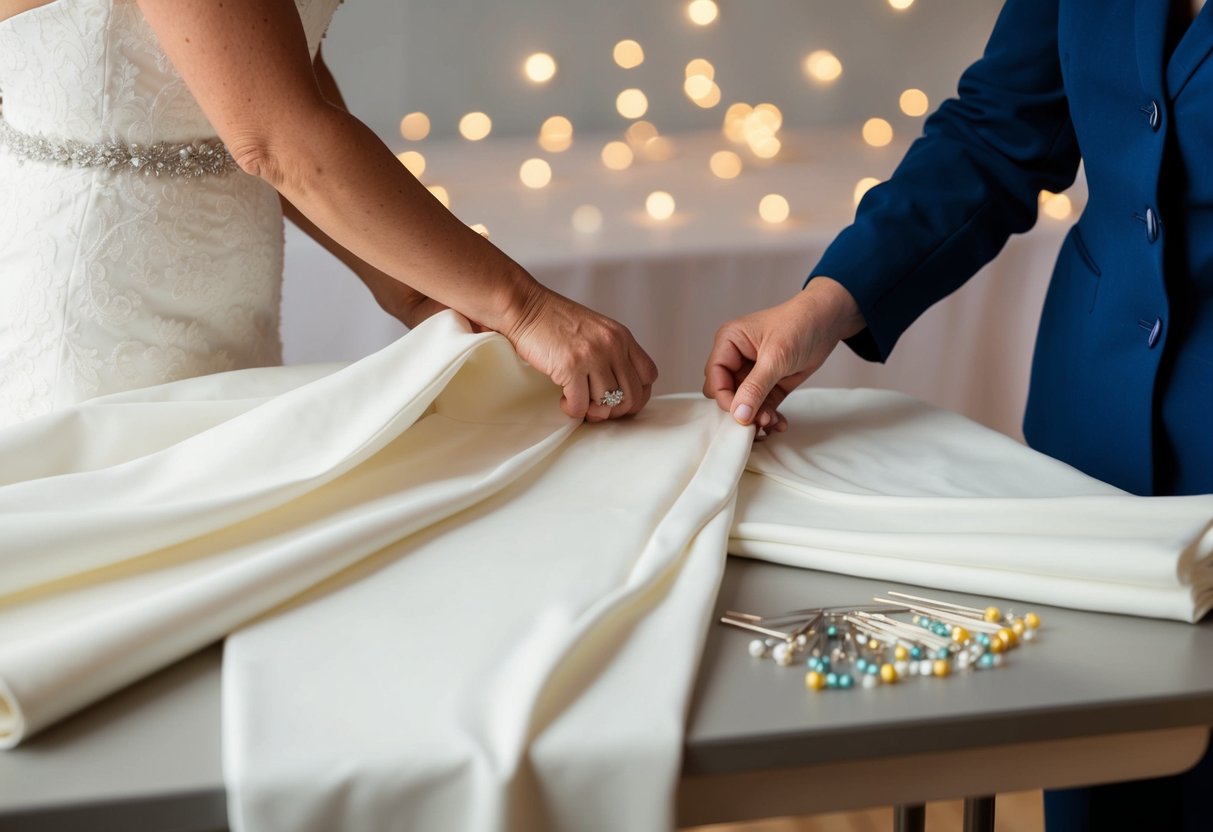
When considering alterations, it’s important to think about multiple fittings to ensure the dress looks just right. Each fitting allows for adjustments that help shape the dress to your body perfectly.
Understanding how many sizes a wedding dress can be altered is key to making the right choice when shopping. With the right information, you’ll be well-prepared to find a gorgeous dress that fits beautifully.
Understanding Wedding Dress Alterations

When it comes to your wedding dress, understanding the alteration process is crucial. It ensures your dress fits perfectly on your special day. Several factors influence this process, including the importance of a skilled seamstress, seam allowances, and how the style of your dress affects the alterations.
Importance of a Skilled Seamstress
Choosing the right seamstress can make a big difference in your dress alterations. A professional seamstress understands wedding dress construction and knows how to handle delicate fabrics and embellishments. They can help you achieve the ideal fit without compromising the design.
Working with a skilled seamstress provides you confidence. They can offer advice on what changes are feasible. Make sure to discuss your vision clearly to avoid misunderstandings and ensure satisfaction with the final result.
The Alteration Process
The alteration process typically begins with a fitting. At this fitting, you will try on your dress, and the seamstress will assess where adjustments are needed.
Common alterations include taking in side seams, shortening straps, or adding new elements for a better fit.
During this process, don’t hesitate to communicate any concerns you have. Your input is important.
Ask questions about what is possible and what might not work due to the dress’s design. This ensures you feel comfortable and pleased with the results.
Determining Seam Allowances
Seam allowance is the amount of fabric that a seamstress has to work with when altering your dress. Understanding seam allowance helps you know how much can be taken in or let out.
Generally, a good seam allowance is about 1 to 2 inches on the sides.
If the dress is deeply embellished, the seam allowance might be less, making alterations more challenging. A skilled seamstress can work within these limits to keep the integrity of the dress intact while still achieving a great fit.
Impact of Dress Style on Alterations
The style of your wedding dress plays a significant role in how alterations are done. A mermaid-style dress, for example, allows for certain adjustments, but may limit others.
In contrast, a ball gown can often handle more alterations because of its material and shape.
Certain embellishments, like beading or lace, can also affect the alteration process. These elements may need to be carefully removed and reattached during alterations.
Always share the style details with your seamstress so they can plan accordingly and ensure the best outcomes.
Sizing and Fitting Concerns

When choosing a wedding dress, understanding sizing and fitting is crucial. You want to ensure that your gown fits beautifully and enhances your figure. Here are some important considerations.
General Guidelines for Dress Sizing
Bridal sizes are often different from standard dress sizes. It is common for wedding dress sizes to run larger than regular clothing.
For example, if you typically wear a size 8, you might need to try a size 10 or 12 in bridal wear.
Most designers have different sizing charts, so always check the specific size guide for the gown you’re interested in. It’s wise to try on various styles and sizes to find the best fit.
A skilled tailor can adjust a wedding dress by taking it in or letting it out. Typically, you can alter a dress up to four sizes while keeping its integrity. Keep in mind that made-to-measure gowns may reduce some fitting concerns, offering a more personalized fit.
Special Considerations for Plus-Size Dresses
Finding the right fit for plus-size wedding dresses may require extra attention. Many stores now carry a range of sample sizes that reflect a more diverse selection. Retailers are increasingly aware of the importance of bridal sizes that cater to all shapes and sizes.
When trying on plus-size wedding gowns, be open to different styles. A-line or ball gown silhouettes can be particularly flattering.
Don’t hesitate to consult with a seasoned professional who understands your needs. It’s always helpful to ask about the designer’s plus-size sizing, as this can vary greatly.
Importance of Multiple Fittings
Planning for multiple fittings is essential to achieve the best fit for your wedding dress. You shouldn’t expect the gown to fit perfectly after just one try-on.
As your wedding date approaches, your body may change slightly due to stress or workout routines.
Schedule fittings with your skilled tailor, ideally 6-8 weeks before the ceremony. This allows ample time for adjustments if needed.
During each fitting, wear the undergarments you plan to use on your big day so the tailor can make precise adjustments.
Adjustments for Wedding Dress Fit

Getting your wedding dress to fit just right is essential for your big day. Several adjustments may be needed, especially if you experience weight fluctuations or want to change the style of the dress.
Weight Fluctuations and Dress Fit
Many brides face weight changes before the wedding. While some plan to lose weight, others might find they gain a little.
Generally, a wedding dress can be taken in by one to four sizes, but this varies based on the dress’s design and seam allowance.
Key Considerations:
- If you lose weight, your dress may require taking in from the sides or the back.
- If you’ve gained weight, a skilled seamstress can let out seams if enough fabric is available.
- Always try on the dress after any adjustments to ensure a good fit.
Adding or Removing a Corset-Back
A corset-back can be a fantastic addition for adjusting the fit of your wedding dress. It offers flexibility, allowing you to customize the fit at the waist.
Benefits of a Corset-Back:
- Easy adjustments can be made on the day.
- It helps accommodate weight changes without significant alterations.
- A corset-back adds a beautiful design element, enhancing the gown’s appeal.
If you choose to remove a corset-back, be aware that the structural integrity of the dress might be affected. Ensure a skilled tailor is handling this adjustment to maintain your dress’s shape.
Hemming and Preserving Length
Hemming is often necessary for achieving the right length for your wedding dress. Whether you are petite or simply want the dress to touch the ground perfectly, this is an essential adjustment.
Hemming Tips:
- Always wear your wedding shoes during fittings to get an accurate length.
- You can opt for a straight hem or a more detailed hem, depending on your gown’s design.
- Preserving length while ensuring the dress remains graceful is key; a professional seamstress will know the best technique for your specific dress type.
Budgeting for Alterations
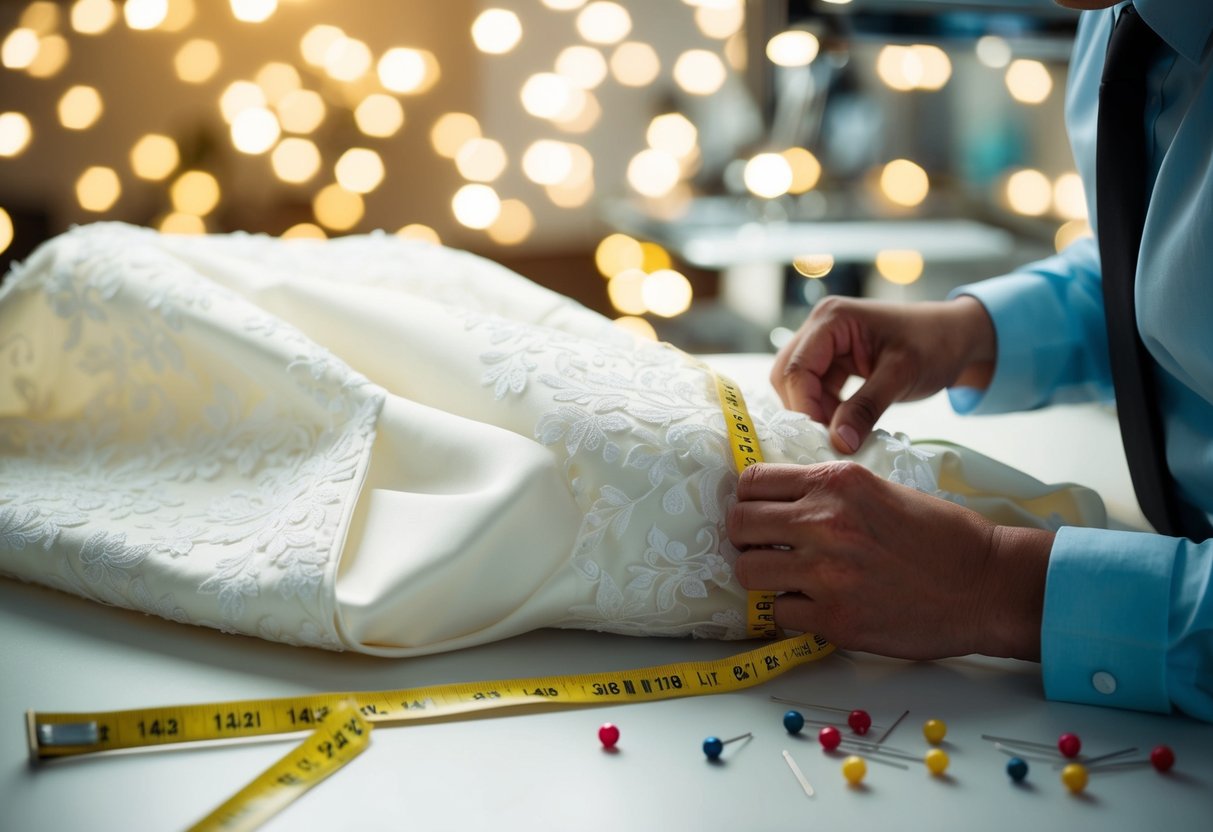
When planning your wedding, make sure to set aside money for alterations. The cost of wedding dress alterations can range widely.
Here’s a quick breakdown of what to expect:
- Basic alterations: These include hemming and adjustments to take in or let out seams. Prices usually start around $150.
- Complex alterations: If your dress needs more work, such as adjusting the bodice or adding a train, costs can rise to $700 or more.
You might also want to consider extra costs for specialized services. For example, you may need to add:
- Bra cups: These can cost between $35 and $90.
- Custom fittings: If you want expert advice, hiring a skilled tailor may be a good idea but could increase your budget.
Make sure to plan early. Booking an alteration appointment ahead of time can save you stress. The right tailor will help ensure your bridal wear fits perfectly.
To keep costs manageable, speak openly with your tailor about your budget and needs. This way, you can receive tailored advice on how to make the most of your alterations without breaking the bank.