
How Many Songs Are Normally Played at a Wedding Reception? Essential Insights for Your Big Day
Attending a wedding is always a joy. One of the best parts is the music at the reception. The right tunes can set the mood and keep the party going. Typically, a wedding reception will have around 20 songs played each hour. For a four-hour event, you can expect an average of 80 songs to be played.
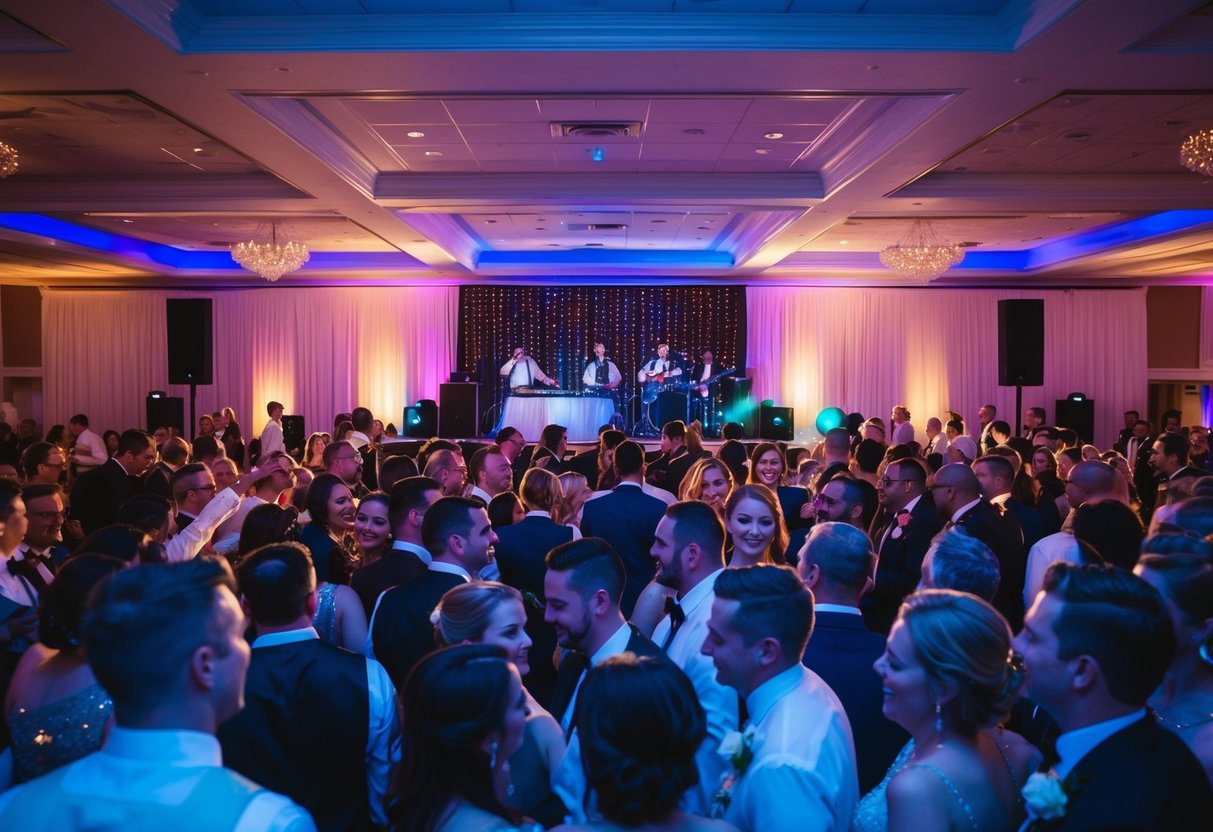
As you plan your wedding, it’s important to think about how music will fit into your celebration. Choosing the right songs for different parts of the evening, like the first dance and general reception vibe, can make a big difference in how much fun your guests have.
Whether you want slow songs for romantic moments or upbeat tracks to get everyone on the dance floor, figuring out the right number of songs can help you create a memorable experience. Let’s explore how many songs you might need and the best ways to select them.
Setting the Stage with Prelude and Ceremony Music
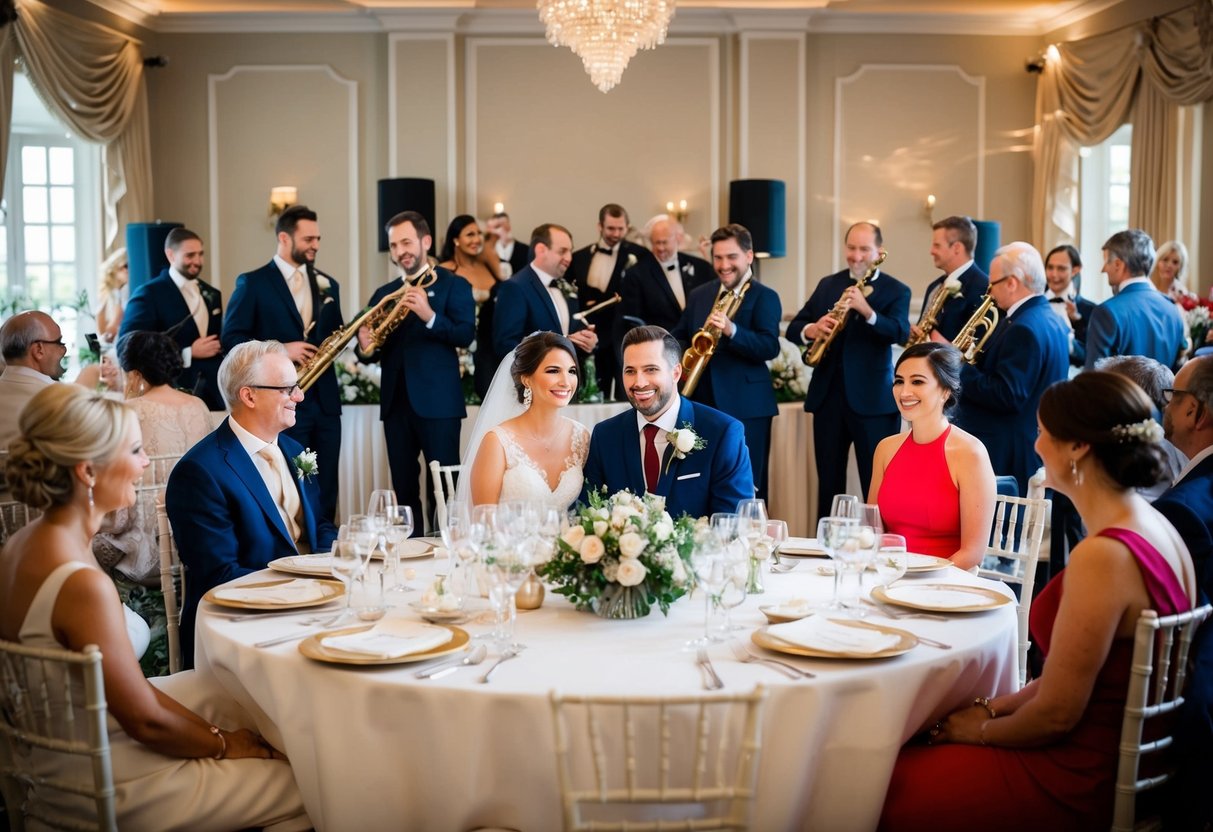
Choosing the right music for your wedding creates an inviting atmosphere for your guests. Prelude and ceremony music set the tone for the entire event, making it essential to select the perfect songs.
Choosing the Right Prelude Songs
Prelude music plays softly as guests arrive and take their seats. This music should be calm and welcoming to create a relaxed environment. Aim for 4-5 prelude songs that reflect your style and set a positive mood.
Consider a mix of instrumental pieces or light vocals. For example, you might choose songs like “A Thousand Years” by Christina Perri or classical favorites like Beethoven’s “Ode to Joy.” The goal is to enhance the ambiance without drawing too much attention.
Make sure your playlist flows smoothly. You can create a balance between different genres to keep it interesting. Your prelude music should feel cohesive, helping to build anticipation for the ceremony to begin.
The Heart of the Ceremony: Processional and Recessional
The processional and recessional songs are crucial moments in your wedding ceremony. The processional song marks the entrance of the wedding party and the bride. This song should be memorable and emotional. Popular choices include “Canon in D” by Pachelbel or “Here Comes the Sun” by The Beatles.
For the recessional song, choose something upbeat and celebratory. This song plays as you and your new spouse exit the ceremony. Consider options like “Signed, Sealed, Delivered” by Stevie Wonder or “All You Need Is Love” by The Beatles.
Plan your ceremony music carefully. Each song should connect with your overall theme and resonate with you and your partner. The right choices will enhance your special day and create lasting memories for you and your guests.
Creating Your Wedding Reception Playlist
Crafting the perfect playlist for your wedding reception can really enhance the atmosphere and keep your guests engaged. It’s essential to mix various song types to create lasting memories while making sure everyone has a great time.
The Perfect First Dance
Selecting your first dance song is one of the most important decisions for your wedding. This song sets the tone for the night and symbolizes your love. Choose a track that reflects your relationship, whether it’s a classic hit or a current chart-topper. Make sure it’s special to both of you.
Consider timing as well. The average first dance lasts around 3-4 minutes, so pick a song that resonates with both your hearts. Some popular choices include “Perfect” by Ed Sheeran and “At Last” by Etta James.
Don’t forget to practice! Feeling confident on the dance floor will make the moment even more memorable for you and your guests.
Energizing the Crowd with Upbeat Tracks
Once the first dance wraps up, it’s time to get the party going! Aim for about 15 songs per hour of dancing to keep the energy high. Focus on upbeat tracks that encourage guests to hit the dance floor.
Classic hits like “Uptown Funk” by Mark Ronson or current chart-toppers like “Levitating” by Dua Lipa can create a lively atmosphere. These fun songs help energize the crowd.
Create a checklist of fun tracks. Mix in genres and styles to cater to all ages, ensuring everyone enjoys the music. You want to make sure that your playlist feels fresh and keeps the excitement alive throughout the evening.
Balancing the Mix: Slow vs. Fast Songs
Your playlist should have a balance of slow and fast songs. While upbeat tracks are essential for dancing, don’t forget to include slow dance songs. These give couples a chance to connect and enjoy a private moment amid the celebration.
Aim for a good balance. You might use about 20-30% of your songs for slower dances. Favorites like “Can’t Help Falling in Love” by Elvis Presley make perfect choices.
Use slower tracks as background music during dinner, shifting smoothly into upbeat songs for dancing. This approach creates a flow that keeps everyone entertained while also giving guests a chance to catch their breath and connect with each other.
The Role of Live Bands and DJs
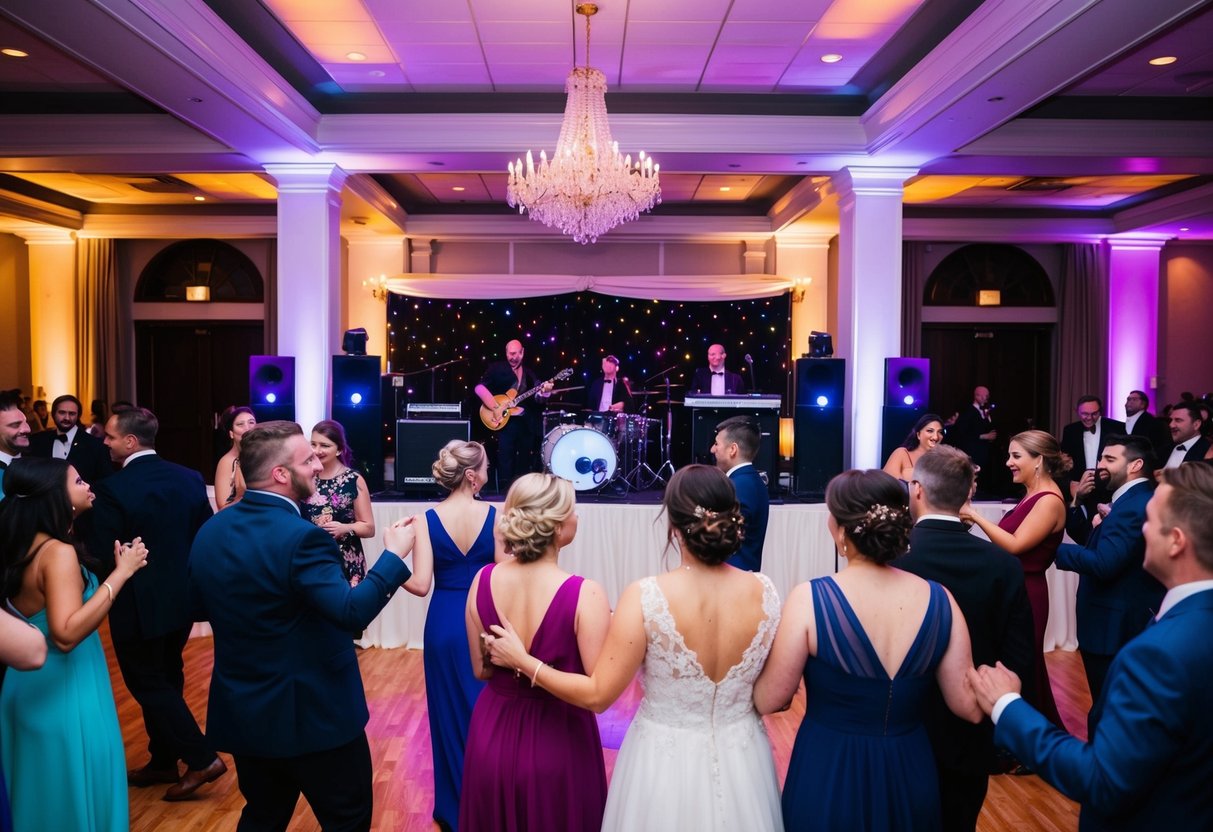
When planning music for your wedding reception, choosing between a live band and a DJ can influence the atmosphere greatly. Each option offers unique benefits that cater to different preferences and wedding itineraries.
Deciding Between a Wedding Band and a DJ
Selecting a wedding band or a DJ usually depends on personal taste and budget. A live band brings energy and a touch of elegance to the occasion. They often perform popular cover songs, creating a lively environment. Bands typically play about 30-40 songs during a reception.
On the other hand, a wedding DJ provides more flexibility. DJs can play a broader variety of music styles and adapt quickly to your guests’ preferences. They often work with playlists, which can include thousands of songs, ensuring that everyone’s favorite tracks are covered.
Consider how each fits into your wedding itinerary. A band might take longer for setup and breaks, while a DJ can keep the music flowing.
Curating the Reception Experience
Your choice will impact the overall feel of the reception. A wedding band can engage with guests, creating a vibrant atmosphere through live performances. They may take requests, encouraging guests to join in the fun.
In contrast, a DJ excels in curating the mood through different reception music levels. They can easily switch genres, keeping the dance floor filled all night. DJs can also mix songs seamlessly, helping maintain energy throughout the event.
Both options have their merits. Think about what fits your vision for the reception. Whether you choose a wedding band or a DJ, aligning them with your style will enhance your special day.