
How Many Songs Does a DJ Play at a Wedding? A Guide for Planning Your Big Day
At a wedding, the music sets the mood and keeps the energy high. You might wonder how many songs a DJ typically plays during a wedding reception. On average, a DJ can play around 45 songs during the dancing portion of the event. This portion usually lasts about three hours.
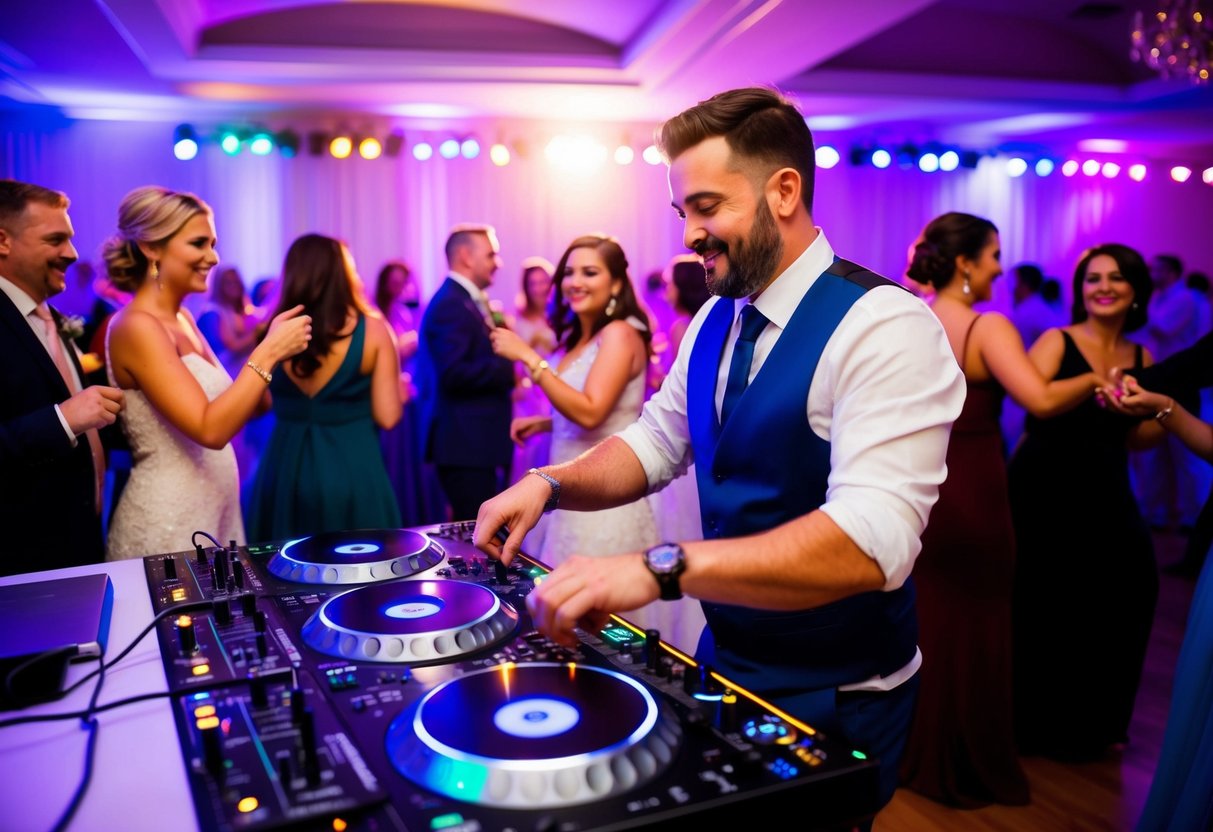
Creating a memorable wedding playlist is essential to reflect your style and preferences. You can work with your DJ to pick songs that not only you love, but also get your guests on the dance floor. With the right mix, your wedding will be fun and lively, making it a celebration to remember.
Whether you prefer classic hits, modern favorites, or a mix of both, having a solid plan for your music can take your celebration to the next level. The right number of songs can help maintain a great atmosphere throughout the night.
Understanding the Role of the DJ at a Wedding
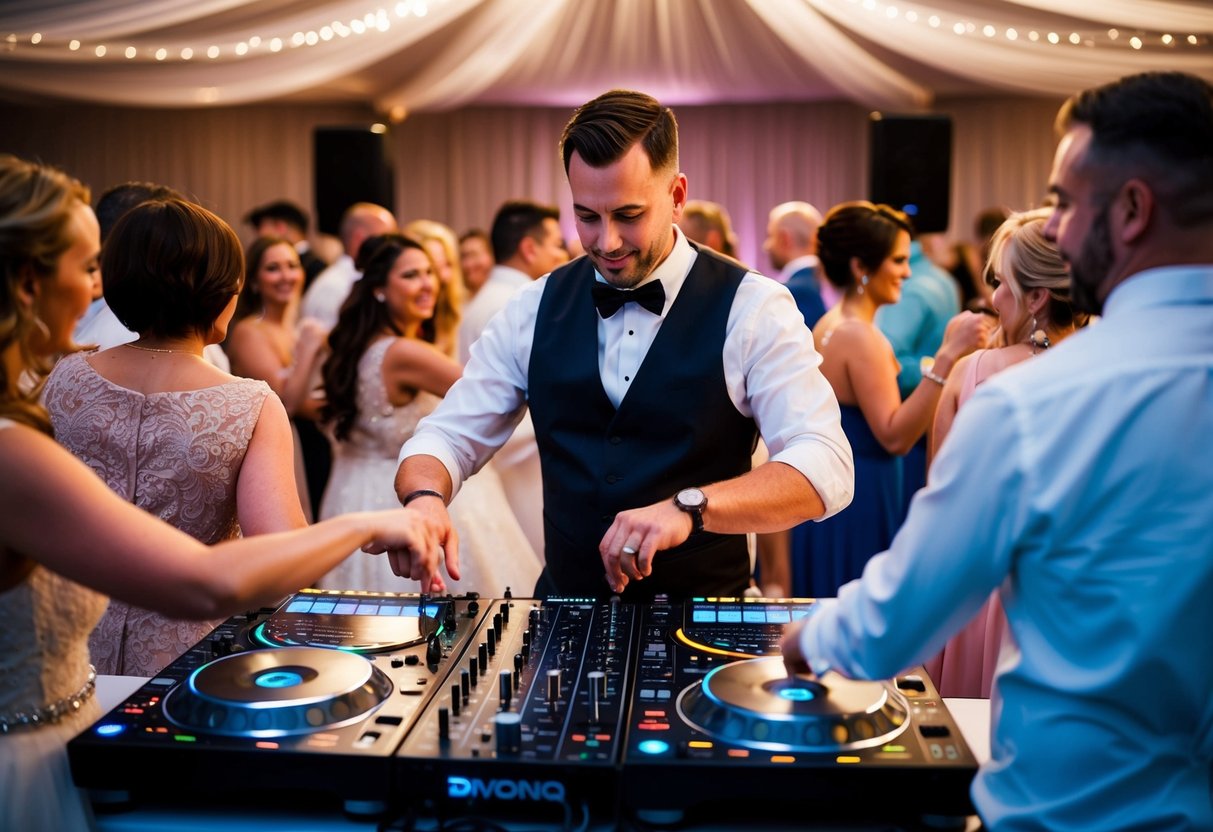
The DJ is a key player in making your wedding music experience special. They help set the mood from the prelude to the end of the night. A skilled DJ knows how to read the crowd and keep spirits high. Let’s explore how they contribute in different ways.
Crafting the Mood with Prelude Music and Processionals
The music that plays before your ceremony is crucial. It sets the tone for the day. Your DJ will play soft, romantic tracks as guests arrive. This creates a warm atmosphere.
Choosing the perfect processional song is also important. This is the moment when the bridal party walks down the aisle. It should reflect your style and the mood of the day. Discuss your favorite songs and styles with your DJ to ensure it’s just right.
The Importance of a Memorable First Dance
Your first dance is a moment many guests look forward to. It’s not only about the song selection but also about creating a memorable experience. Work with your DJ to choose a song that is meaningful for you both.
A personal touch can make this moment special. You might even consider a live band for your first dance to add excitement. With the right song and atmosphere, it can be a highlight of your reception.
Setting the Scene for Reception and Dancing
Once dinner is over, the dance floor opens up. Your DJ will take charge, playing music that gets everyone moving. They can read the room and adjust the playlist as needed to keep energy levels high.
It is also vital to share your must-plays and even do-not-play songs. This ensures that your celebration stays true to your taste. Whether it’s a mix of classic hits or current favorites, the goal is to keep guests dancing.
Designing the Ideal Wedding Playlist
Creating a wedding playlist involves careful thought about the flow of songs during the event. You want to keep your guests entertained while capturing the mood of each moment, from the cocktail hour to the dance floor.
Balancing Fast and Slow Songs Throughout the Night
A well-balanced playlist is essential for your wedding. Start with slower romantic songs during dinner to set a cozy mood. This will help your guests relax and enjoy their meals.
After dinner, transition to faster wedding party dance songs. This encourages your guests to hit the dance floor and start enjoying the celebration.
Aim for about 15 songs per hour for dancing. Mix in classics and current hits to appeal to all ages. Keep an eye on the crowd’s energy and adjust the tempo as needed. If one genre is not getting people moving, don’t hesitate to switch it up!
Incorporating Crowd-Pleasers and Personal Favorites
Your wedding playlist should feature a mix of crowd-pleasers and your own favorite tunes. Think about songs that guests will know and love. Classics like “September” by Earth, Wind & Fire or “Uptown Funk” by Bruno Mars are great for getting everyone dancing.
Next, sprinkle in personal favorites that reflect your style as a couple. These could be romantic songs or tunes that remind you of special moments together. Your favorite songs add a special touch.
Aim for a mix that keeps the atmosphere lively while allowing for personal expression.
Navigating the Transition from Cocktail Hour to Reception
The cocktail hour is your first chance to set the tone for the evening. Choose smooth background music that encourages conversation. This could include jazz, acoustic tunes, or soft pop songs.
When it’s time to transition to the reception, plan a few key songs that signal the change. A lively song will get everyone excited as they move from cocktails to dancing. Use this moment to peak your guests’ interest.
Ensure your DJ knows the flow you want. Clear transitions help maintain the energy and keep the celebration on track. The right music will lead your guests seamlessly into the celebration ahead!
Practical Wedding DJ Considerations
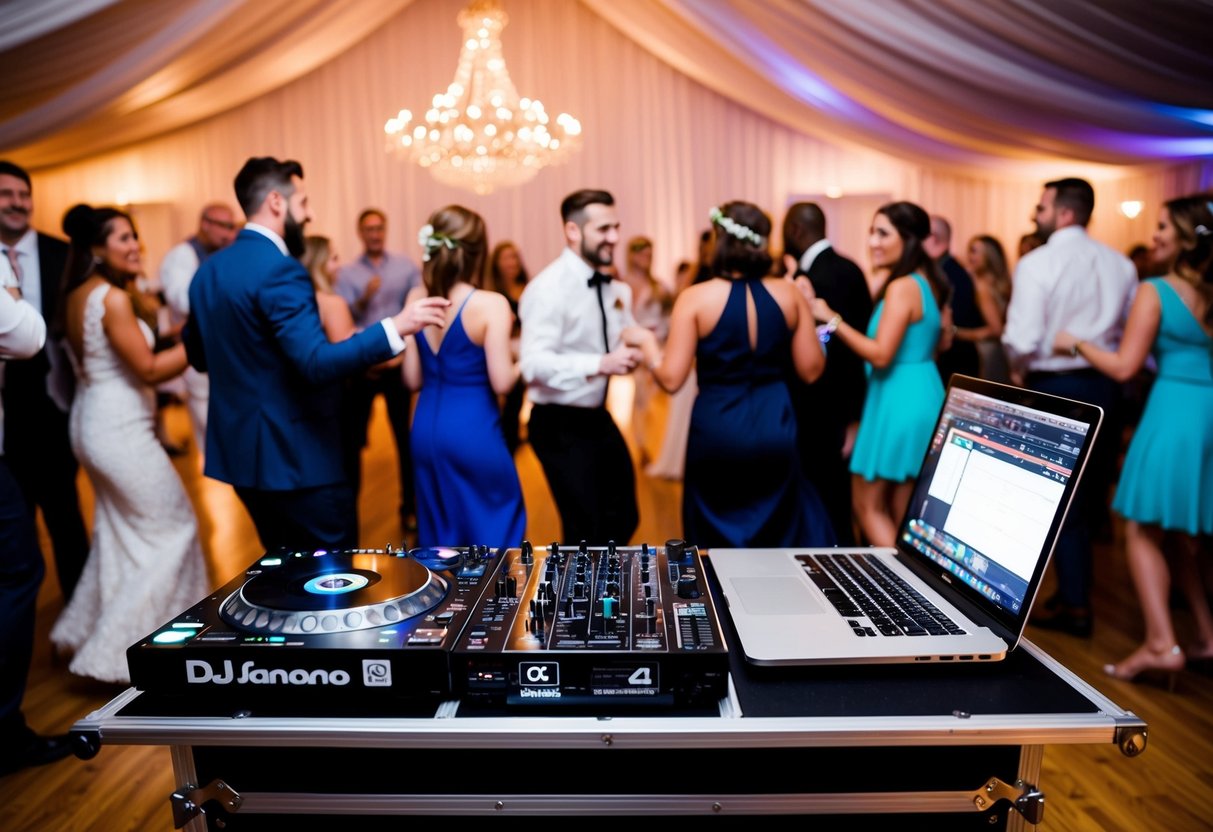
When planning your wedding, two key factors to think about are how the music flows throughout your reception and whether to choose recorded music or a live band. These decisions can greatly impact the energy on the dance floor and the overall mood of your event.
Strategizing Music Flow and Audience Engagement
To keep the dance floor lively, you need to strategize the music flow. Start with some songs that encourage your guests to get moving. As the night progresses, mix in crowd-pleasers that everyone knows and loves.
Here’s a quick tip: create a must-play list of around 15 songs that you want to hear.
Aim for approximately 15 songs per hour of dancing. With a typical wedding reception lasting 3-5 hours, this could mean about 45-75 songs total.
Also, consider the order of your songs. Mixing upbeat tracks with slower ones can help maintain energy while allowing for moments of relaxation. Encourage your DJ to read the crowd, adjusting the playlist based on how your guests are dancing.
Selecting Recorded Music vs. Having a Live Band
Choosing between recorded music and a live band is a big decision. Recorded music offers flexibility and variety. You can create a diverse playlist that includes every genre and era. It’s often more budget-friendly too.
On the other hand, a live band can bring a unique atmosphere. They can interact with your guests and tailor their performance based on the crowd’s energy. If you choose a live band, ensure they have a repertoire of crowd-pleasers and can take requests to keep everyone happy.
Think about your wedding theme and your guests’ preferences when making this choice. Ultimately, both options can create a memorable experience; it just depends on the vibe you want for your special day.