
How Many Tables Do I Need for a 200 Person Wedding? Essential Planning Tips
Planning a wedding can be exciting, but it also comes with many questions. One of the key details you’ll need to sort out is how to arrange seating for your guests.
For a 200-person wedding, you’ll typically need around 20 to 25 tables, depending on their size and shape.
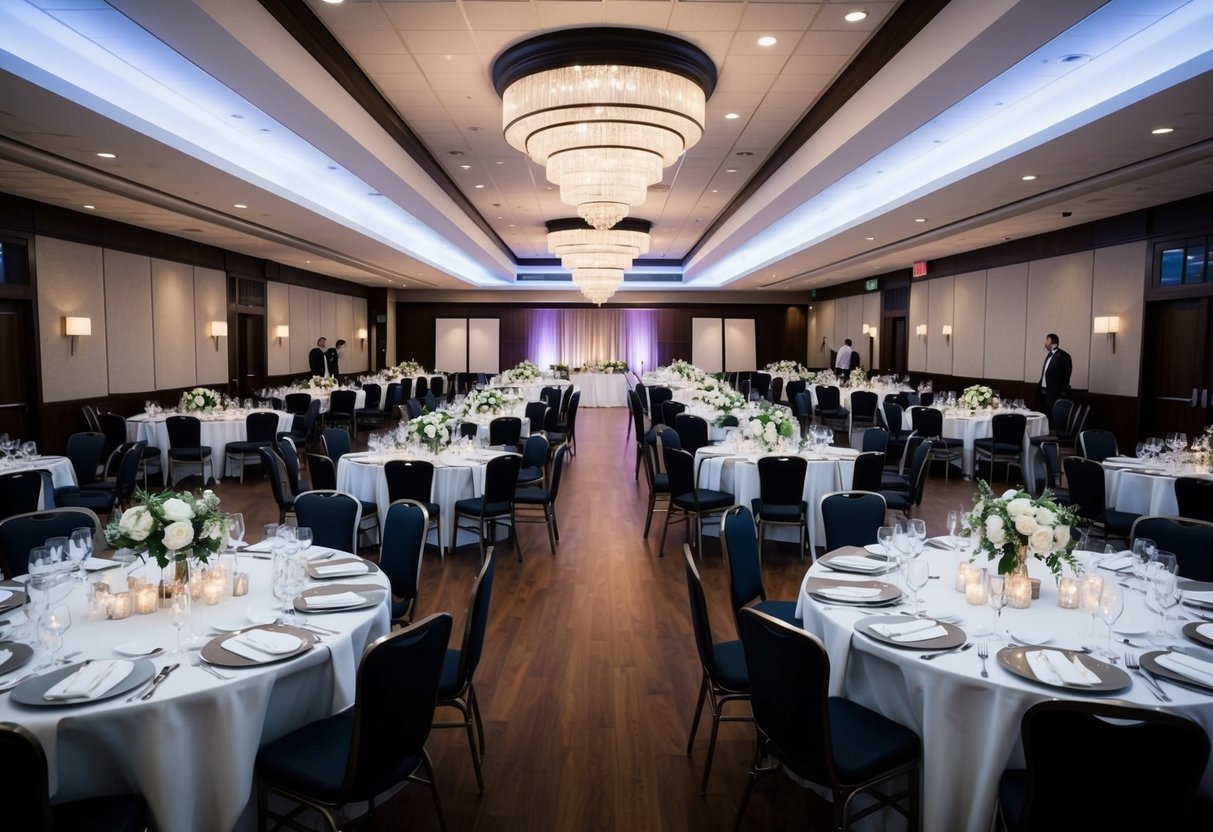
Choosing the right number of tables not only affects the layout of your venue but also ensures your guests feel comfortable and have enough space.
Think about whether you’d like round tables, rectangular ones, or a mix of both, as this can change the total number needed.
As you dive into the details, consider that it’s always a good idea to have a few extra tables on hand. Unexpected guests or last-minute changes can happen, and being prepared can help keep your day running smoothly.
Understanding Venue Space
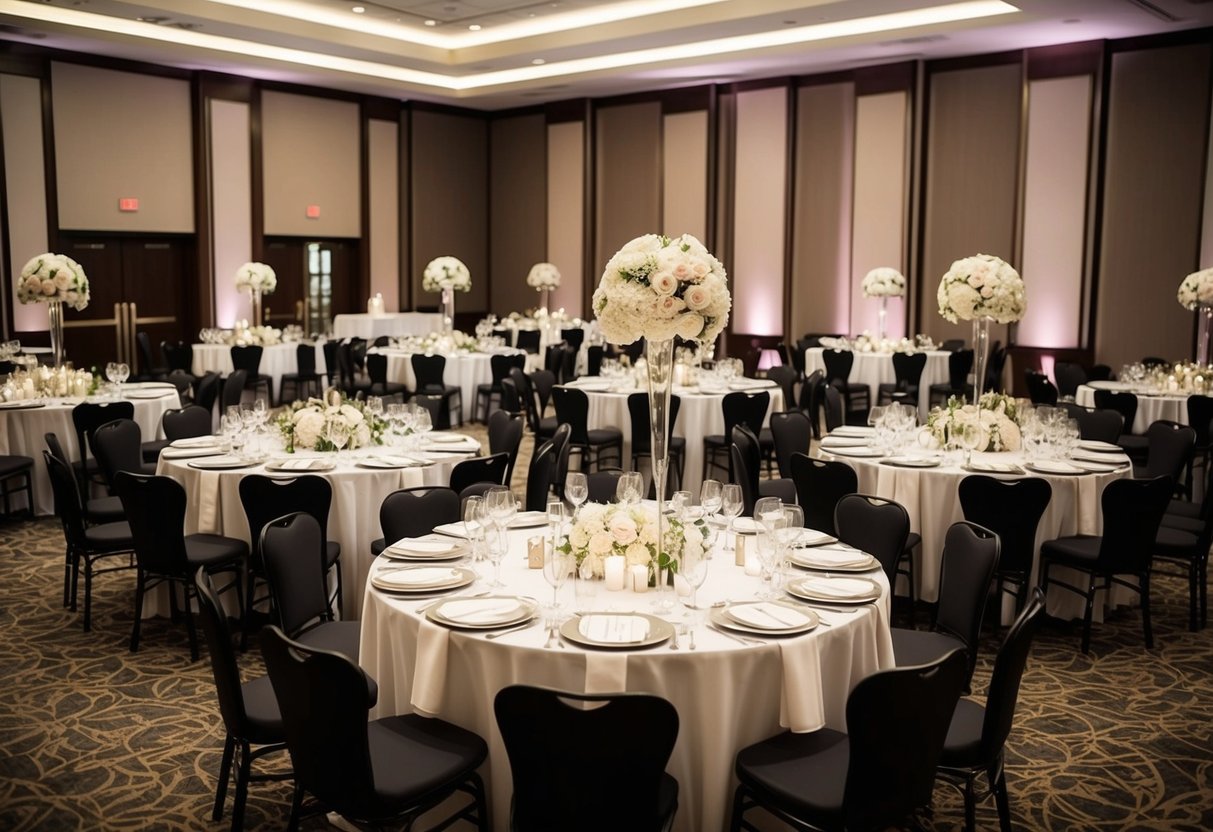
When planning for a 200-person wedding, it’s crucial to understand how to calculate the venue space you’ll need. Knowing the square footage and space requirements will help ensure that everyone is comfortable and that your event runs smoothly.
Calculating Square Footage
To calculate the square footage for your wedding, start by determining the total number of guests.
For 200 people, a good rule of thumb is to allocate about 10-12 square feet per guest. This means you’ll need approximately 2,000 to 2,400 square feet of space.
Break down the space by considering the different areas required. For example, this includes seating, buffet tables, dance floor, and any lounge areas.
If you find a banquet hall that suits your needs, check its total capacity and layout. Knowing the exact measurements will help you visualize how the tables and guests will be arranged.
Space Requirements Per Guest
Space requirements can vary based on the style of your wedding. A sit-down dinner often requires more room than a cocktail setup.
If you’re having round tables, each one typically needs about 60 square feet to accommodate 8-10 guests.
Here’s a quick breakdown:
- Round Tables (8-10 people): ~60 square feet each
- Buffet Table: Estimate around 100-150 square feet for food stations
- Dance Floor: Aim for at least 100 square feet to allow for movement
Consider these factors as you decide on your venue. By calculating your needs, you can ensure your guests enjoy a comfortable atmosphere during your celebration.
Types of Tables and Seating Arrangements
Choosing the right type of tables and seating arrangement is essential for making your wedding comfortable and enjoyable. Different tables serve different purposes, and understanding their capacities will help you maximize your space.
Round Tables and Their Capacities
Round tables are popular for weddings because they promote conversation. Typically, a round table can seat 8 to 10 guests comfortably.
For example, if you choose a table with a diameter of 60 inches, you can fit about eight guests, while a 72-inch table can accommodate up to ten.
If you have 200 guests, consider using a mix of table sizes. You might use 20 round tables for eight guests each, allowing enough seating while keeping the atmosphere intimate. Just remember that larger tables may hinder communication among guests sitting further apart.
Rectangular Table Benefits
Rectangular tables offer flexibility in seating arrangements. They can be lined up to create long rows or arranged in various shapes to fit your venue. These tables are often 60 to 72 inches in length, allowing from six to eight guests per table.
Using rectangular tables can optimize your space, especially in narrow areas.
You might arrange 12 rectangular tables to seat 8 guests each, easily allowing for 96 guests total. Additionally, rectangular tables make it easier to serve food and create buffet lines, improving your guests’ experience.
Head Table and Sweetheart Table Options
The head table is where you and your wedding party will sit. Depending on the number of people, you can choose a long rectangular table or a series of smaller banquet tables.
For example, an 8-foot banquet table can fit four to eight people comfortably.
A sweetheart table is a smaller, more intimate option for just the couple. It can be a round or rectangular table and creates a special moment for you both during the event. Plan for one last table option, allowing you to connect with guests while enjoying a cozy setup.
Each of these table styles offers unique benefits that can improve your wedding’s flow and ambiance. By considering your guest list and venue size, you can make an informed decision about which tables suit your event best.
Additional Tables for Wedding Activities
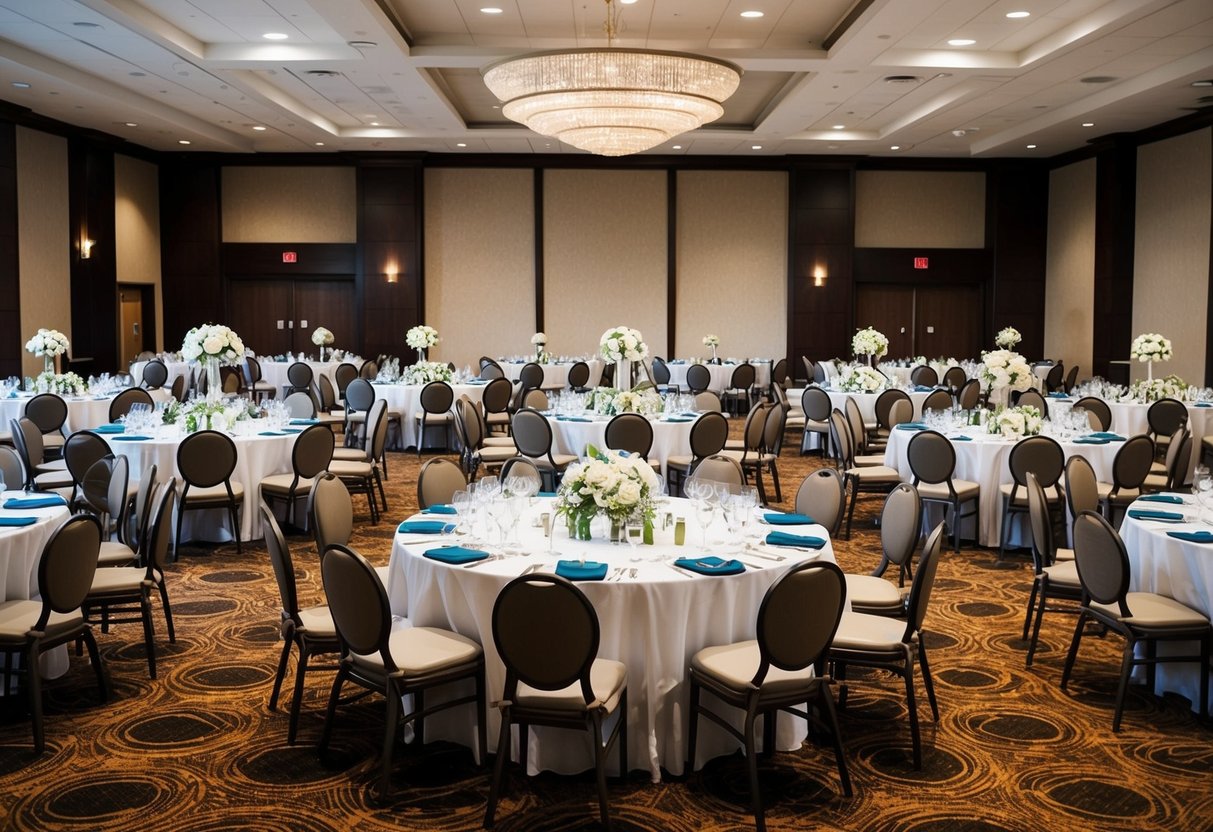
Planning for your wedding involves more than just seating your guests. You’ll need extra tables for various activities that enhance the celebration. Here’s what you should keep in mind for cocktail tables, cake tables, and dance floor planning.
Cocktail Tables for the Cocktail Hour
During the cocktail hour, guests often mingle and enjoy light refreshments. Cocktail tables are essential for this part of the event.
You should plan for 1 table per every 5 to 6 guests, especially if you expect 200 attendees.
For example, 40 cocktail tables would be suitable. Each table allows for casual standing or seating, creating a relaxed atmosphere. Make sure to decorate these tables with simple centerpieces to enhance the look without taking up too much space.
Cake Table Presentation
The cake table is not only for displaying your wedding cake but also serves as a focal point for pictures. You will want this table to be larger than standard tables to hold the cake and any decorative items.
A round or rectangular table that is at least 5 to 6 feet long is ideal. Include space for a cake cutting knife and possibly a cake topper. You might also want some plates for guests to enjoy their cake, so keep this in mind when planning how much room you’ll need at the venue.
Dance Floor Planning
Your dance floor is another critical aspect of the celebration. If you want your guests to let loose, a spacious dance floor is important.
Generally, you should plan for about 4 to 5 square feet per guest on the dance floor.
For 200 guests, a 800 to 1,000 square foot dance area is recommended. Ensure that the space is clear of tables and chairs to allow for easy movement. Consider the layout of your tables to guarantee a smooth flow from dining to dancing, ensuring everyone can enjoy the party!
Finalizing Your Seating Plan
Creating a seating plan is an important step in organizing your wedding. You’ll want to ensure that your guests feel comfortable and enjoy their time together.
Focusing on details like the seating chart and guest strategies can make your wedding day flow smoothly.
Creating a Seating Chart
Start by listing all your guests and categorize them based on relationships and groups. This will help you identify who should sit together.
Use a simple template to create your seating chart. You can divide it into sections for each table.
Consider using different table shapes, like round or rectangular, to optimize space. As you place guests, be mindful of any potential conflicts.
Aim to mix personalities while keeping longtime friends together.
Don’t forget to include your table settings in the chart. Clearly label each table number to help guests find their seats easily. You could create a large version for display at the entrance.
Guest Seating Strategies
When planning guest seating, think about your guests’ comfort. Placing elderly guests closer to exits or restrooms can make their experience more pleasant. Also, consider any guests with mobility issues.
It’s also wise to have a few extra seats. Sometimes unexpected guests show up. In addition, allow for some flexibility in case of last-minute changes. Give yourself peace of mind by having some spare chairs.
Using table settings to enhance the experience is key. Beautifully arranged tables can encourage mingling and interaction among guests. Well-planned seating can make your wedding not just enjoyable but memorable for all guests.