
How Many Tables Do You Need for 100 Guests? A Simple Guide for Your Event Planning
When planning an event for 100 guests, you need to figure out how many tables you need. A good rule of thumb is to have about 12 to 13 tables if you plan for 8 to 10 guests per table. This helps ensure everyone has enough space to enjoy themselves while still fitting comfortably in your venue.
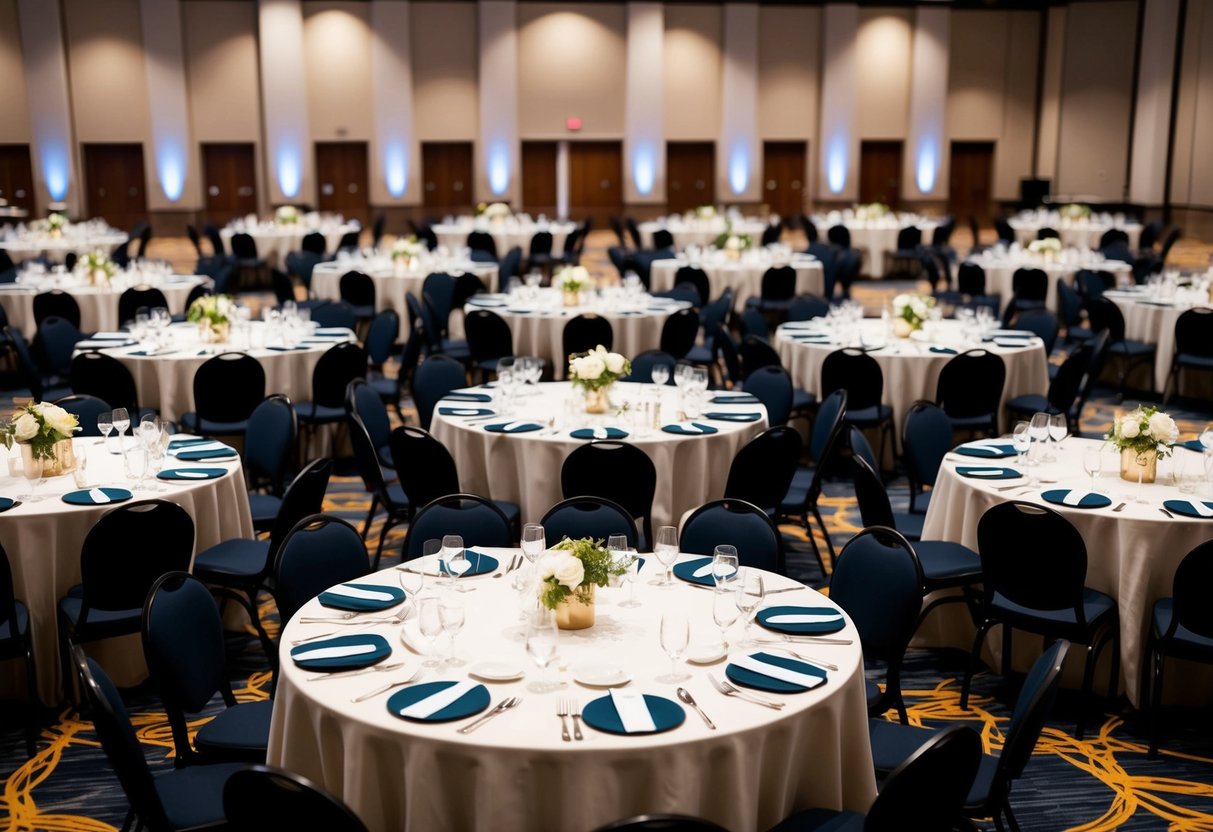
Consider the type of table layout you prefer. Round tables are often popular for weddings and parties, offering a more intimate setting for guests. If you choose round tables, remember that each typically seats about 8 to 10 people. For rectangular tables, the seating can vary, so adjust based on the shape and size of your tables.
Your guest list will also play a crucial role in this calculation. If you know some guests will bring a plus one, you might want to add an extra table or two. This way, you’ll be prepared for any last-minute changes and ensure everyone feels welcomed.
Calculating Tables and Space
To host 100 guests comfortably, you need to understand the types of tables you will use and how to optimize the layout for space. Proper calculations ensure everyone has room to eat and socialize without feeling cramped.
Understanding Table Sizes
When choosing tables, consider their sizes and shapes. Most events use rectangular or round tables.
-
Rectangular Tables: Typically measure 6 or 8 feet long. A 6-foot table can seat 6-8 guests, while an 8-foot table accommodates 8-10.
-
Round Tables: Usually 60 inches in diameter, seating 8-10 people. Larger round tables, like 72 inches, can fit 10-12 guests.
For 100 guests, a combination of both table types can work. If using 8-foot rectangular tables, you might need around 10-12 tables, depending on your arrangement. For round tables, you would need about 10-12, too, to match the same guest count.
Space Optimization Tips
Optimizing space is crucial for a pleasant atmosphere. Start by measuring your venue’s square footage.
-
Minimum Space Between Tables: Leave a minimum of 5-6 feet for walkways. This ensures guests can move around freely.
-
Table Spacing: Arrange tables to create a comfortable flow. For instance, you might set rectangular tables end-to-end or cluster round tables together.
Maximize seating by using fewer larger tables instead of many smaller ones. Also, consider the placement of chairs—ensuring they align well with the tables while allowing easy access.
Using these strategies will help you create an inviting layout for your event.
Types of Tables for Different Wedding Sizes
Selecting the right tables for your wedding is essential for both comfort and aesthetics. The number and type of tables depend on the size of your guest list. Here’s how to choose tables based on small, medium, and large weddings.
Choosing for Small Weddings
For a small wedding, you want to create an intimate atmosphere. Usually, this means inviting around 20 to 50 people. Round tables that measure 36 inches or 48 inches are great for fitting four to six guests comfortably.
You might also consider using a single long banquet table. This style encourages conversation and makes the space feel connected. With fewer tables, you can add decorative elements, like centerpieces or candles, to enhance the ambiance. Ensure there’s enough space for guests to move around easily.
Best Options for Medium Weddings
If you’re planning a medium wedding with about 50 to 100 guests, you have more options. Here, 60-inch round tables are ideal, as they typically seat eight to ten people.
You can combine these with a few 72-inch tables for the head table or buffet. The varied table sizes allow you to create different areas for dining, dancing, and socializing.
Don’t forget to consider the layout of the venue. Make sure there is enough space between tables for guests to mingle comfortably while enjoying your special day.
Large Wedding Table Considerations
For a large wedding, usually comprising over 100 guests, planning becomes more complex. You’ll need to focus on maximizing space while ensuring comfort.
Using a mix of banquet tables and round tables can be effective here. For instance, several 72-inch tables can accommodate a larger guest count without requiring too much space.
Additionally, ensure you have specific tables for the cake, gifts, and food stations to keep everything organized. Remember to maintain a good flow so guests can move around freely and enjoy all that your wedding has to offer.
Decor and Budget Considerations
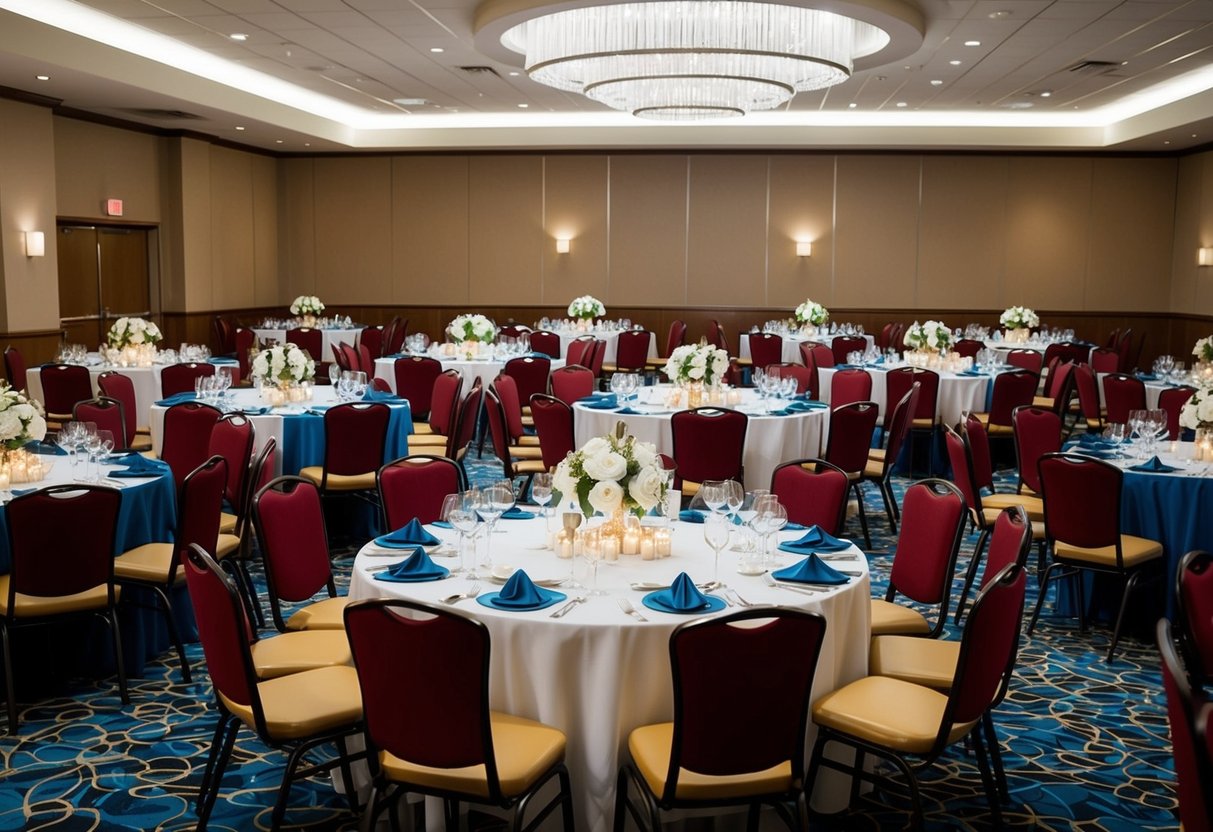
When planning your event for 100 guests, it’s important to balance beauty and cost. You want an inviting atmosphere while staying within your budget. Here are some key ideas to help you achieve the perfect decor and manage expenses effectively.
Creating an Elegant Tablescape
An elegant tablescape can transform your reception. Start by choosing a color scheme that matches your event theme. Use table linens that complement this palette. Layering is effective; use a tablecloth followed by a runner to add depth.
Centerpieces are crucial. Consider using flowers, candles, or decorative items. You can opt for seasonal flowers to save money. For a chic touch, use varied heights in your centerpieces; this adds visual interest.
Don’t forget about place settings. Simple touches like name cards or themed dinnerware can elevate the overall look. Consider adding personal touches that reflect your style, making your event memorable.
Budgeting for Tables and Decor
Creating a budget for tables and decor is essential. Begin by looking at a potential budget for your wedding. Allocate around 10-15% of your total budget for decor. This ensures you have enough for table rentals, linens, and centerpieces.
Rental costs for tables vary, so get quotes from multiple vendors. Ensure you account for extra fees, like delivery and setup. For example, renting tables and chairs for 100 guests could cost between $500 to $1,000, depending on the style.
Keep decor simple to stay within your budget. Utilizing items like DIY centerpieces or borrowing decor can save you money. Always remember to prioritize your must-haves while remaining flexible on optional items.
Additional Tables and Seating Essentials
When planning for 100 guests, it’s crucial to consider how to effectively allocate tables not just for seating but also for food, special occasions, and smooth communication. Addressing these areas can make your event flow seamlessly.
Allocating Space for Food and Catering
You need to account for food tables in your layout. These tables should be separate from guest seating to prevent congestion.
Types of food tables:
- Buffet tables: Allow guests to serve themselves.
- Dessert tables: For sweets and treats, ideally set at the end of the meal.
- Drink stations: Ensure easy access to beverages.
Make sure each food station has enough space around it for guests to mingle and move freely. A good rule is one table for every 25 guests. This helps ensure your guests enjoy their meals without feeling cramped.
Special Tables for Wedding Party
If you’re hosting a wedding or special event, you’ll want to designate special tables for key attendees.
Consider the following:
- Sweetheart table: This is typically for the couple alone, making it intimate.
- Family tables: Place them close to the sweetheart table for easy access.
Remember to check with your wedding planner about the best layout for these special tables to maintain a good flow of conversation. Choosing the right table shape can also enhance the atmosphere. Rectangle tables work well for larger families, while round tables promote more interaction.
Seating Arrangements and RSVP Tracking
Organizing seating is vital. Make a clear seating chart that includes everyone who RSVP’d.
Use this method for tracking:
- Collect RSVPs: You can use an online tool or a simple sheet.
- Plan placements: Consider friendships, family ties, and any special needs guests may have.
Incorporating cocktail tables can be a great option for guests to gather comfortably while waiting for your event to start. Be sure to rent enough tables through a reputable rental company to meet your needs without excess.