
How Many Tables Do You Need for a 100 Person Wedding? A Simple Guide to Seating Arrangements
Planning a wedding can be exciting, but it also comes with many questions, especially when it comes to seating. If you’re wondering how to accommodate your guests comfortably, you’re in the right place.
For a wedding with 100 guests, you will typically need around 12 to 16 tables, depending on their size and the layout you choose.
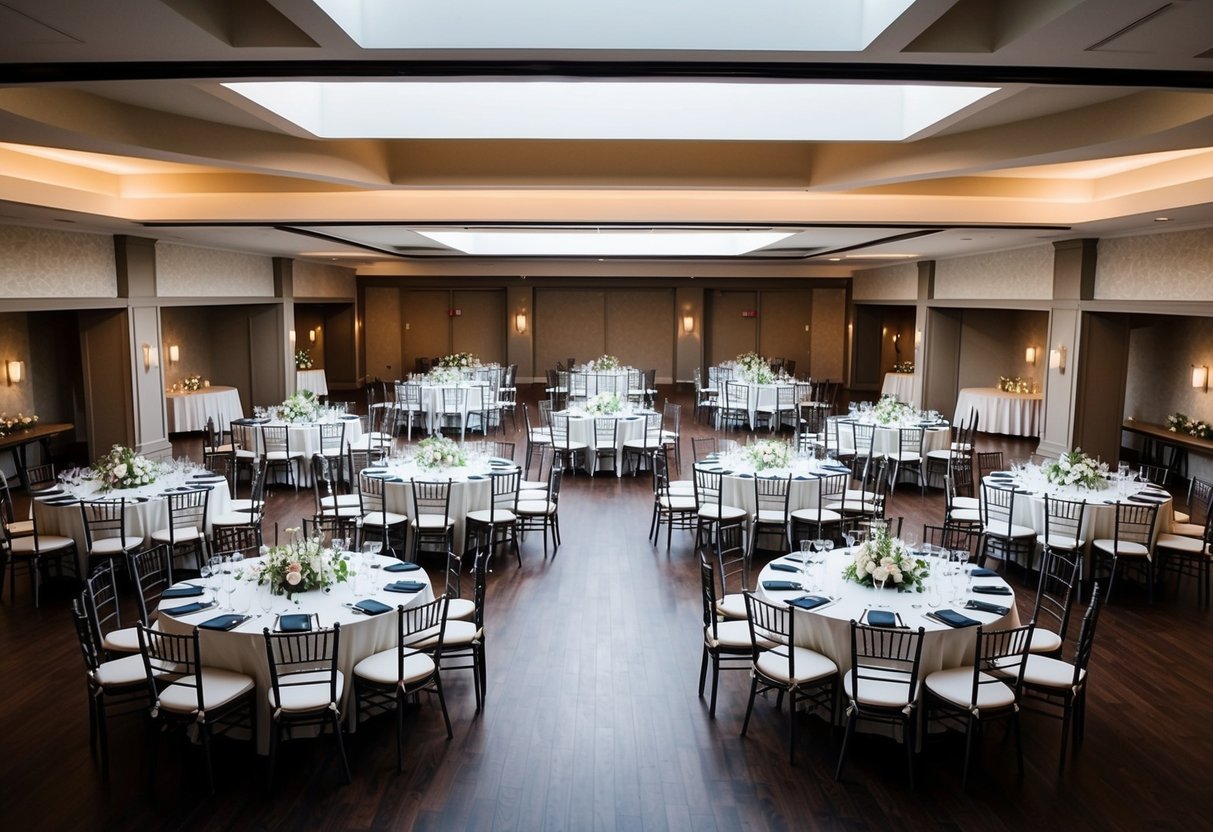
The type of tables you select matters too. Round tables generally seat about 8 guests, while rectangular tables can fit around 6 guests comfortably. Mixing and matching can provide a nice flow to your event.
Knowing how many tables you’ll need is a crucial step in ensuring your big day runs smoothly.
As you get ready to create unforgettable memories, let’s break down the different options available and figure out the best seating plan for your special day. With the right information, you can make your wedding a stylish and comfortable experience for all your guests.
Understanding Your Guest List
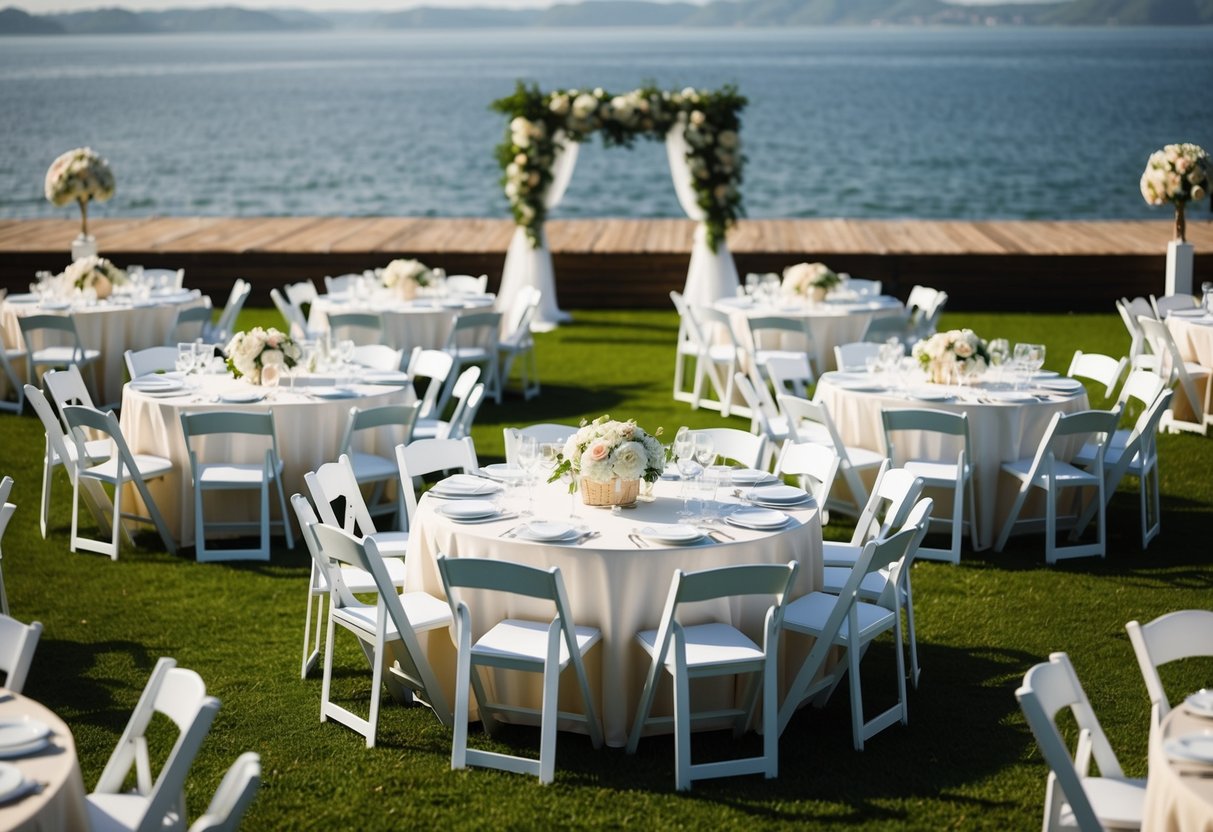
Knowing your guest list is a key part of planning your wedding. It helps you determine how many tables you will need and how to arrange seating effectively. This section will focus on figuring out the number of guests and their seating arrangements.
Determining Number of Guests
Start by creating a comprehensive wedding guest list. Write down everyone you want to invite. This can include family, friends, co-workers, and plus-ones. Be realistic about who will attend and who might not.
Once you have your list, focus on the number of guests you expect. A typical wedding has about 6 to 8 guests per table.
When you divide your total guest count by this number, you get a rough estimate of how many tables you will need. For example, for 100 guests, you might require around 12 to 16 tables.
Seating Arrangements and Capacity
Your seating plan is important for ensuring everyone is comfortable. Think about your venue’s seating capacity. Each table type has different sizes and can fit different numbers of guests.
Gather information about the table dimensions. Round tables usually hold 8 guests comfortably, while rectangular tables may fit 6 to 10 guests, depending on the layout.
Consider the dynamics of your guest list. Family groups might prefer to sit together, while friends may want to mix. Keep this in mind when creating your guest seating plan. Proper seating ensures a pleasant experience for everyone.
Selecting the Right Tables
Choosing the right tables for your wedding plays a key role in creating a welcoming atmosphere. It’s important to consider the shapes, sizes, and how many you’ll need to accommodate your guests comfortably.
Choosing Table Shapes and Sizes
The shape of your tables can affect the flow and feel of your wedding. Round tables are popular for fostering conversation. A 72-inch round table typically seats 8 to 10 people comfortably.
Rectangular tables can maximize space, especially in narrower venues. They usually seat 6 to 8 guests per table. You might also consider square tables, which can create a modern look.
When selecting tables, ensure they fit your venue size. Think about incorporating a sweetheart table for you and your partner, as it adds a special touch. Mixing table shapes can also enhance the visual interest of your wedding layout.
Calculating Number of Tables Needed
Determining how many tables you’ll need begins with your guest list. If you expect 100 guests, you can estimate based on the table size.
For round tables seating 8 people, divide 100 by 8, which means you’ll need about 13 tables. If you opt for rectangular tables that seat 6, dividing 100 by 6 suggests you’ll need around 17 tables.
It’s wise to round up to ensure everyone has a spot. Consider buffer space between tables for ease of movement. Check out how many tables you need for a clearer estimate based on different table shapes and sizes.
Reception Layout and Design
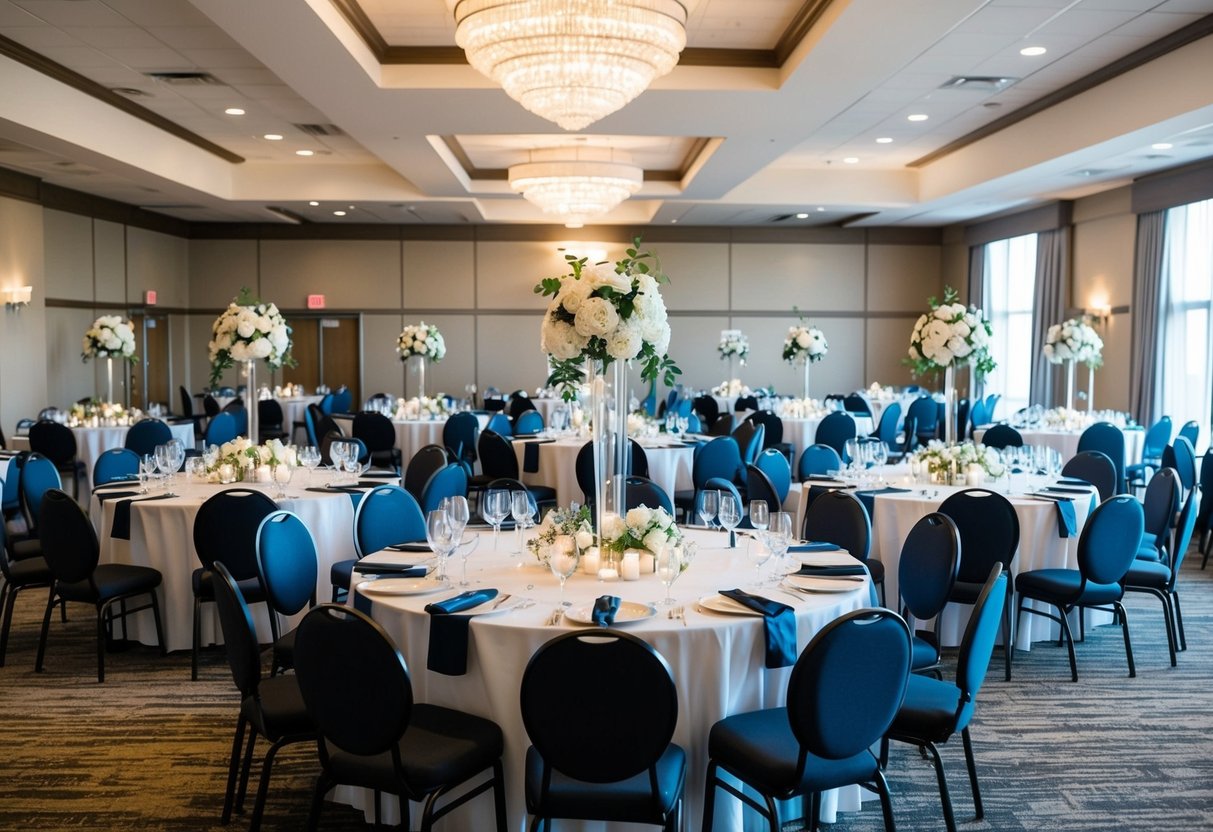
Creating the perfect reception layout is crucial for a seamless and enjoyable experience. You want to balance maximizing space and ensuring comfort for your guests, while also incorporating essential tables for food, gifts, and more.
Maximizing Space and Comfort
To make sure your guests feel at ease, it’s essential to plan your table arrangements carefully. Start by determining the minimum space between tables, which should ideally be around 4-5 feet. This allows for easy movement and access.
Consider placing your tables in a way that forms a nice flow. For instance, seating arrangements can be grouped around the dance floor and adjacent to food stations and the cake table. This not only creates a lively atmosphere but also makes it easier for guests to mingle.
Remember to leave room for band space if you have live music. Place tables strategically so that no one feels cramped while enjoying the festivities. With thoughtful planning, everyone can have a great time!
Incorporating Essential Reception Tables
At a wedding reception, you’ll need various tables to cater to different needs. Begin with the food tables, which should be set up to encourage guest movement. Consider using a buffet style or multiple food stations to reduce lines and keep things flowing.
Don’t forget the gift table; place it near the entrance for easy access. Also, ensure a charming tablescape on each guest table, incorporating centerpieces that are not too tall, so conversation remains easy.
Lastly, create a clear seating chart that promotes smooth seating arrangements and allows guests to find their spots without confusion. By incorporating these tables effectively, your reception will be both functional and beautiful.
Coordinating with Vendors
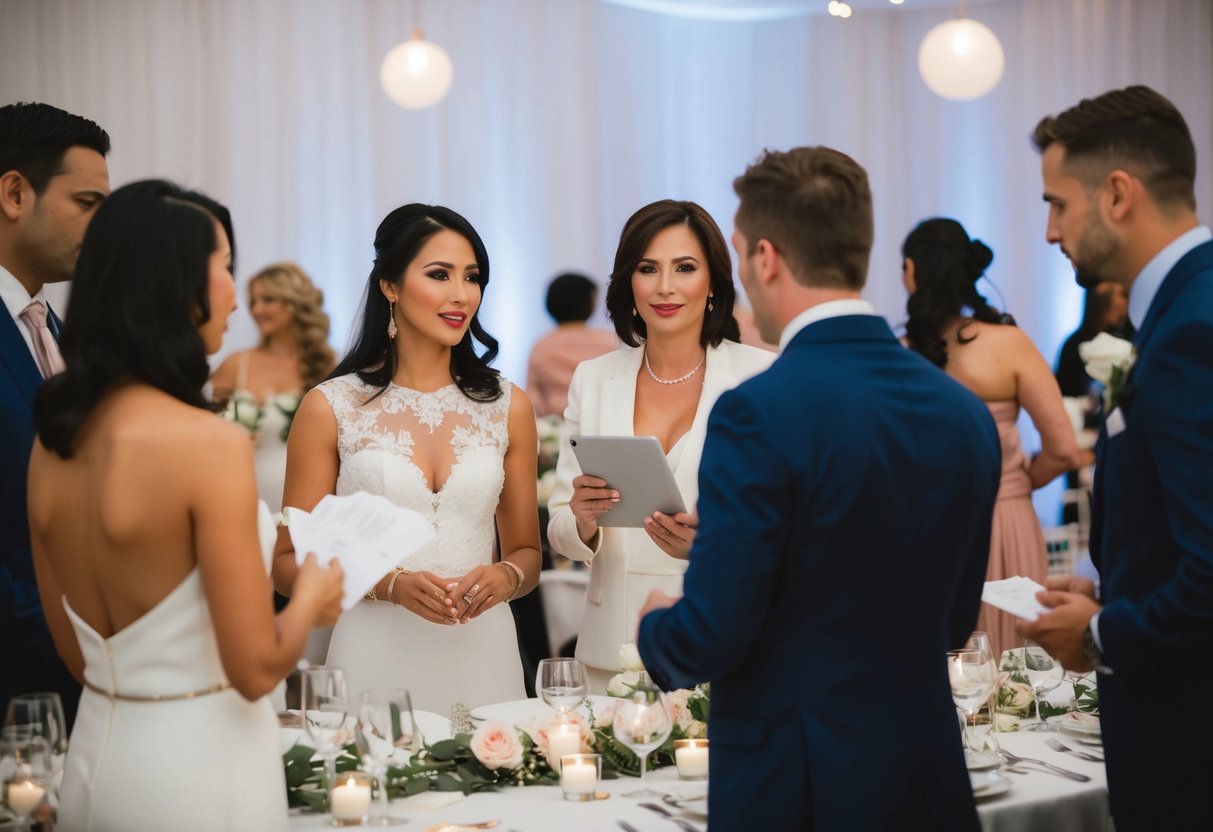
When planning a wedding for 100 guests, working closely with vendors is essential. This ensures that seating arrangements and space are comfortable and functional for everyone.
Working with Rental Companies
When you choose a rental company, be clear about your needs. Specify how many tables you require based on your guest count and seating style. For 100 guests, you might consider around 10 round tables or 13 rectangular tables.
Share your budget with the rental company. They can suggest options that fit your price range while ensuring quality. Don’t forget to ask about delivery and setup fees, as these can quickly add to your overall costs.
Before finalizing your order, verify the sizes and shapes of tables to ensure they fit in your venue. This will guarantee that there’s enough elbow room for guests to move around comfortably.
Communicating with Venue Coordinator
Your venue coordinator is key to a successful wedding. They understand the layout of the space and can guide you on how many tables fit comfortably.
Be sure to discuss your plans early in the process. Provide them with your table arrangements and any specific needs. This allows them to ensure that there is enough space for your guests to mingle.
Ask about the setup time as well. Some venues may require you to schedule additional time for setup.
Lastly, stay in regular contact to confirm details leading up to your wedding day. This keeps everyone on the same page and helps avoid any last-minute surprises.