
How Many Ways Are There to Add a Backdrop to a Stage? Exploring Creative Options
When planning a theater production, the backdrop you choose can greatly affect the overall look and feel of the stage. You can add a backdrop to a stage in several ways. For example, you can use fabrics, painted scenes, or digital projections. Each method brings a unique aesthetic that can enhance set design and support the story being told.
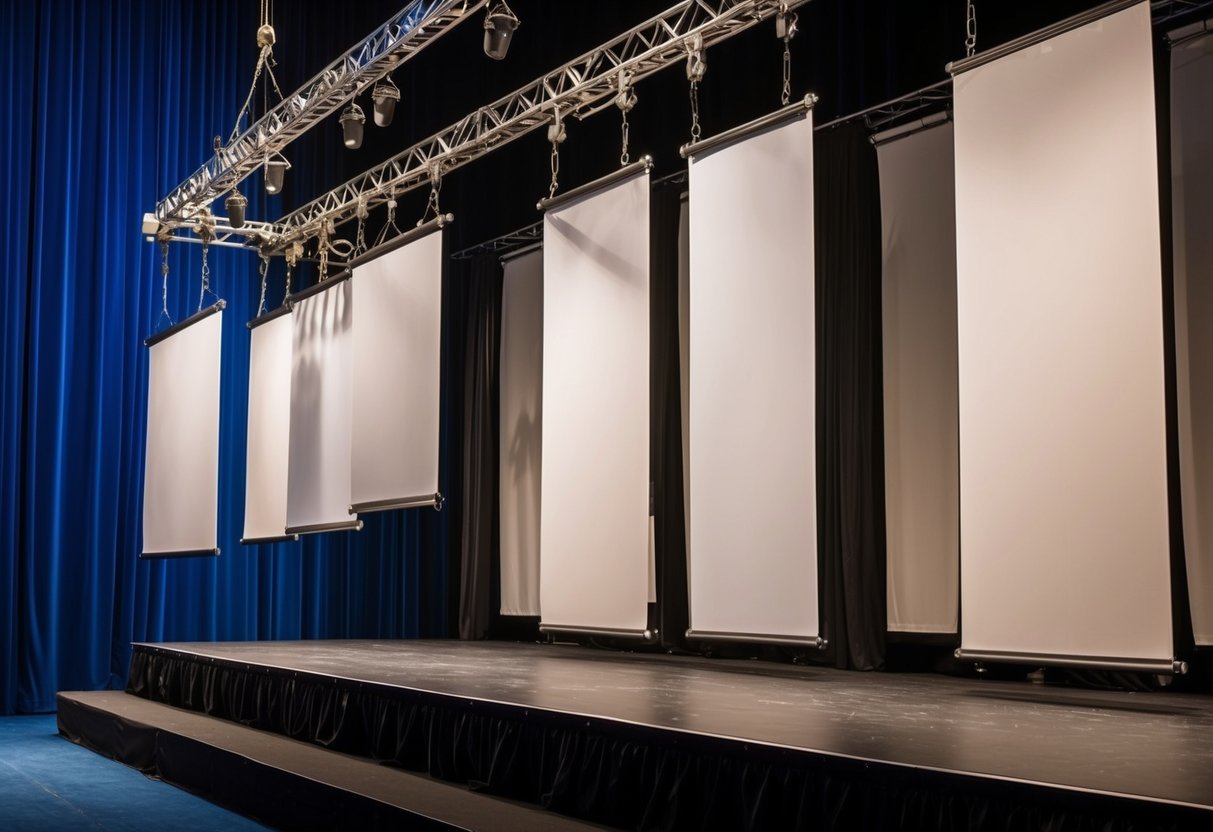
You might consider traditional fabric backdrops, which can be lightweight and easy to install. Alternatively, painted scenes can provide stunning visual detail, immersing the audience in a specific setting. With technology advancing, digital backdrops are becoming popular too, offering dynamic visuals that can change throughout the performance.
An effective backdrop is essential for creating a captivating atmosphere in your production. Understanding the various options available will help you make the best decision for your stage.
Types of Stage Backdrops
When selecting a backdrop for your stage, you have various options tailored to your needs and the feel of your production. Understanding these types can help you make an informed choice for your event.
Traditional Painted Backdrops
Traditional painted backdrops are a classic choice for many productions. They are made from materials like canvas or muslin and often feature detailed scenes that bring your stage to life.
These backdrops can be custom-painted to fit the theme of your event. Artists can create vibrant landscapes, abstract designs, or intricate cityscapes. The beauty of painted backdrops lies in their ability to set the scene and evoke emotions through art.
While they provide depth and character, painted backdrops require careful storage and maintenance. They can be heavy and may need extra support to hang safely.
Cycloramas
Cycloramas, or “cycs,” are large, curved backdrops positioned at the back of the stage. They are typically made from fabric like muslin or canvas and can be painted or left plain.
These backdrops are often designed to create the illusion of an expansive sky or a distant landscape. By using lighting, you can enhance the look of the cyclorama, making it a versatile choice.
Their design allows for seamless transitions in lighting, which is perfect for creating mood changes in your performance. Cycloramas are especially popular in theatre as they provide endless creative possibilities.
Digital Backdrops
Digital backdrops are becoming increasingly popular due to their flexibility and ease of use. These are high-resolution images projected onto a screen or displayed using digital display technology.
You can choose from countless options, from realistic scenery to animated visuals. This modern approach allows for quick changes between scenes without the need for physical backdrop changes.
In addition to their visual appeal, digital backdrops can save you space and reduce set-up time. By simply changing the projection, you can instantly create different atmospheres for each scene.
Projection Backdrops
Projection backdrops use projectors to display images or videos onto a plain surface. This method offers a dynamic way to shift the backdrop as the performance unfolds.
You can use various content, like scenic landscapes, abstract art, or even video clips. The flexibility allows you to tailor the backdrop to match the mood of each scene.
With projection backdrops, the visual possibilities are nearly limitless. They work well for both small and large events, making them a popular choice for productions that want to create a unique visual impact.
Backdrop Materials and Textures
Choosing the right backdrop material is essential for your stage design. Different materials offer unique textures and effects, impacting both the look and feel of your production. Here are some common options to consider.
Canvas and Muslin
Canvas and muslin are popular choices for backdrops. Canvas is durable and holds up well in various settings. It can be painted or used plain, giving you flexibility in design.
Muslin, on the other hand, is lightweight and often used for more subtle effects. It has a soft texture that works well with lighting. Both materials can be treated to be flame-retardant, ensuring safety on stage.
When using these materials, think about how they will interact with your lighting designs. The texture can greatly affect the overall ambiance.
Textured Fabric
Textured fabrics add depth to your stage design. Options like silk or specialty fabrics create unique visuals. These materials can reflect light and produce stunning effects.
Silk is smooth and flows beautifully, ideal for soft, elegant settings. Alternatively, you might consider fabrics with patterns or 3D elements, which can enhance visual interest.
Using textured fabrics means you can play with shadows and highlights, creating a dynamic scene. Be mindful of the care these materials require to keep them looking their best.
Translucent Materials
Translucent materials such as scrim allow for dramatic effects in your production. They can soften light or allow for projections, creating different moods.
This type of backdrop works well for dynamic stage scenes where the backdrop may change during the performance. You can layer translucent fabrics to create depth and detail.
Make sure your lighting is set up to maximize the effects of these materials. The interplay between light, texture, and transparency can transform your stage into a captivating visual experience.
Backdrop Design Elements
Creating a compelling backdrop for your stage can greatly enhance the audience’s experience. It’s all about the details, from lighting to branding, that can transform a simple performance into something memorable.
Lighting Effects
Lighting plays a crucial role in backdrop design. Different lighting effects can set the mood for your stage and enhance the visual impact.
You can use techniques like spotlights to highlight specific areas of the backdrop. Colored lights can create a dramatic effect and help convey a theme. For example, warm colors create an inviting atmosphere, while cool colors can evoke calmness.
It’s also effective to use gobos. These are stencils that project patterns or images onto the backdrop. They add depth and can reflect the performance’s mood. Consider using dynamic lighting that changes throughout the show for even more exciting visual effects.
Branding and Logos
Incorporating branding and logos into your backdrop design can enhance your identity and create a cohesive look for your event. It’s a great way to connect with your audience.
Make sure your logos are clearly visible and integrated into the overall design. You can use large printed logos or even backlit options for a more striking appearance. Consider positioning your branding where eyes naturally focus, like the center or corners of the backdrop.
Think about using brand colors in the backdrop design. This reinforces your identity and creates a more unified aesthetic for your whole event. Whether it’s a corporate event or a band performance, branding elements can leave a lasting impression.
Visual and Lighting Techniques
Combining visual and lighting techniques can take your backdrop to the next level. Using layered designs can create a sense of depth, making the stage feel more immersive.
For example, you might combine a painted backdrop with additional 3D elements. This creates a richer texture and visual interest.
Also, consider how lighting interacts with those visuals. Backlighting can highlight textures and shapes, adding dimension to flat designs. Use moving lights to create dynamic visuals that change throughout the performance. This keeps the audience engaged and enhances the storytelling aspect of your event.
Backdrop Uses in Different Events
Backdrops play an important role in various events, enhancing the atmosphere and setting the stage for memorable experiences. Different types of events benefit from unique backdrop designs tailored to their specific needs and themes.
Theatrical Productions
In community theater, backdrops are essential for creating immersive environments. They provide depth and context, helping to tell the story visually. The backdrop design can vary greatly, from simple painted scenes to intricate printed designs.
Consider the mood of the play. A dramatic, dark backdrop works for a tense scene, while a bright, colorful background fits a comedy or children’s play. Quality materials ensure durability, especially when used repeatedly for performances. Easy-to-set options like fabric drapes or modular panel systems allow for quick changes between scenes.
Corporate Events
Backdrops at corporate events serve multiple functions. They can display your brand’s logo, showcase key messages, or create a professional setting for presentations. A well-designed backdrop makes your audience feel engaged and focused.
You might choose an LED-lit backdrop to create excitement during a product launch. Printed banners can highlight your company’s achievements or upcoming projects. Keep your design aligned with your brand identity to maintain a cohesive look throughout the event. This attention to detail can leave a lasting impression on clients and colleagues alike.
Weddings and Private Functions
Backdrops that enhance the celebration’s ambiance greatly benefit weddings and private functions. Couples often select backdrops that reflect their style, whether elegant, rustic, or whimsical. A beautiful backdrop can frame a romantic ceremony or serve as a stunning photo backdrop for guests.
Large floral designs or soft drapery can create a dreamy setting. In contrast, personalized backdrops, like a couple’s names or special dates, add a unique touch. Also, make sure to consider the venue’s overall look to ensure everything blends well together. Thoughtful backdrop design enhances the joy of the day, making it unforgettable for everyone involved.