
How Many Wedding Dresses Can You Try On in an Hour? Tips for a Fun Bridal Appointment
When you’re getting ready for one of the most special days of your life, wedding dress shopping is an exciting adventure. You’ll want to make the most of your time in the bridal salon, trying on different styles to find the dress of your dreams. You can typically expect to try on between 5 to 10 wedding dresses in an hour, depending on how quickly you can change and how long you spend deciding on each gown.
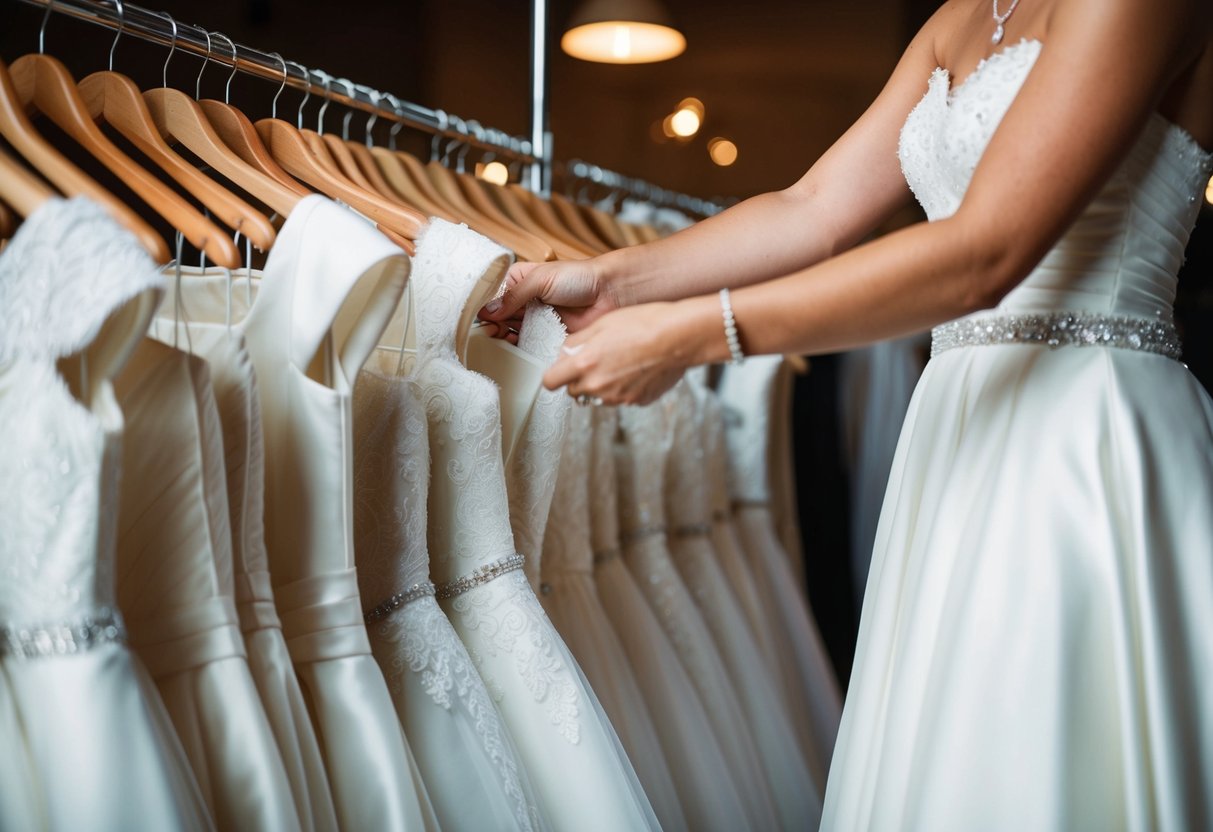
Visiting a bridal salon can be a whirlwind experience, especially with all the beautiful options around you. It’s important to keep track of your favorites, so take notes or pictures as you go. This will help you remember what you liked about each dress when it’s time to make that final decision.
As you prepare for this thrilling part of your wedding planning, understanding how many dresses you can realistically try on will help you enjoy the process more. Knowing what to expect can ease any stress, so you can focus on finding that perfect dress that makes you feel amazing.
Preparing for Your Bridal Salon Visit
Heading to a bridal salon can be exciting but may feel overwhelming. Getting ready for your visit will help ensure a smooth shopping experience. Here are key points to consider to make the most of your appointment.
Understanding Bridal Appointments
Bridal appointments are your chance to try on dresses and find your dream dress. When booking, choose a time that allows for a relaxed experience. Many salons recommend making an appointment in advance. This way, you’ll have a dedicated bridal consultant to assist you.
During your visit, be open with your consultant about your style and preferences. They can suggest dresses based on your descriptions. Remember, some salons limit the number of dresses you can try on, usually around 5-10 in an hour. This ensures you have time to enjoy each gown fully.
Selecting the Right Bridal Salon
To find the perfect bridal shop, do some research. Look for salons with positive reviews and a selection that matches your style. Ask friends or family for recommendations, especially if they had a great experience.
Consider visiting a few different bridal salons. Each shop has a unique atmosphere and dress collection. This can help you figure out what you love most. Don’t hesitate to call ahead and discuss your style with the bridal consultant, which can help tailor your shopping experience.
What to Bring to Your Appointment
Come prepared for your bridal appointment to make the most of your time there. Bring along supportive friends or family members, ideally 1-2 people whose opinions you trust.
Wear comfortable underwear and a strapless bra, as this makes trying on dresses easier. If you have specific accessories in mind, bring them along to see how they pair with the gowns. Lastly, consider bringing a notebook to jot down your thoughts on each dress. This way, you can remember what you loved or didn’t love about each one.
The Wedding Dress Selection Process
Finding the perfect wedding dress is an exciting journey. You will make choices that reflect your style and body type. Focus on the silhouette, fabric, and how many dresses to try on for the best experience.
Assessing Various Dress Silhouettes
The dress silhouette is crucial when choosing your wedding gown. There are several classic styles to consider:
- A-Line: Flattering for most body types, it is fitted at the waist and flows down in an “A” shape.
- Ball Gown: This dramatic style features a fitted bodice and full skirt. It’s perfect for a formal wedding.
- Mermaid: Fitted through the bodice and hips, this style flares out at the knees, accentuating curves.
- Sheath: This fitted style runs straight down from the neckline to the hem, ideal for slim figures.
Understanding your body type helps you select a silhouette that enhances your best features. If you have broader shoulders, a V-neckline can create a balanced look. Conversely, if you have a smaller waist, an A-line dress can draw attention to that area.
Considering Fabrics and Embellishments
Choosing the right fabric can affect both comfort and style. Common fabrics include:
- Chiffon: Lightweight and flowy, great for a romantic look.
- Satin: Smooth with a bit of shine, it adds elegance.
- Lace: Offers texture and detail, perfect for vintage themes.
Embellishments like beads, sequins, or appliqués can add personality to your gown. Consider what fits your theme and personal style. A dress with delicate lace can be beautiful for a rustic wedding, while bold embellishments suit a glamorous event.
Determining the Ideal Number of Dresses to Try
Thinking about how many dresses to try on is important. Generally, trying on about 4-7 dresses is a good guideline. This allows you to explore different styles without feeling overwhelmed.
Trying too many may leave you confused. It’s best to start with a few silhouettes that catch your eye. Think about your comfort and enjoy the experience.
To maximize your time, consider logistics, like how long it takes to change between dresses. Most brides can try on 5-10 dresses in an hour, depending on appointment length and help available. Plan accordingly to make the most of your shopping day.
Maximizing Your Dress Fitting Time
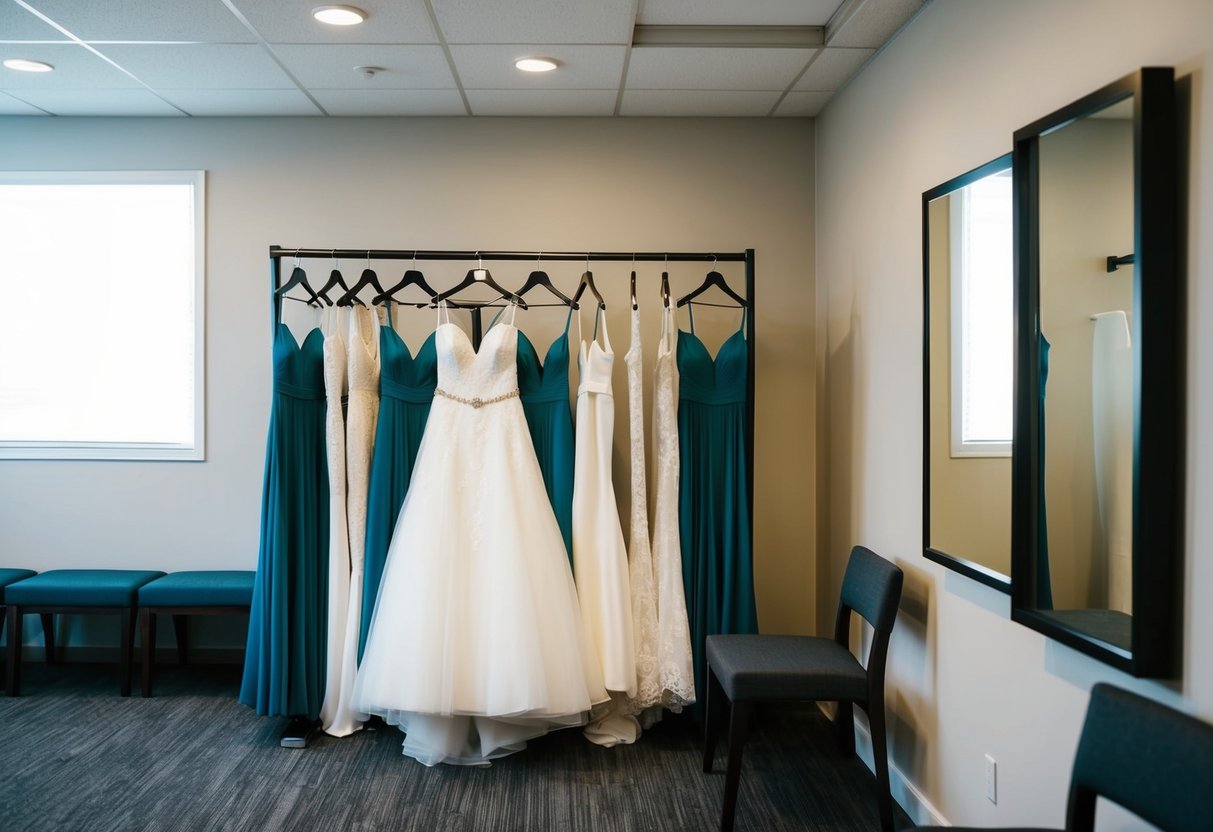
To make the most of your dress fitting experience, focus on being organized and working closely with your bridal stylist. These tips will help you efficiently try on wedding dresses and create a smooth experience.
Efficiently Trying On Wedding Dresses
When you arrive for your fitting, plan ahead by selecting dresses that match your style and budget. Create a list of your top choices to try on first. This strategy helps you to stay focused and make the best use of your time.
Aim to try on 4-7 wedding dresses in an hour. This range allows ample time for adjustments and decisions. Remember to wear appropriate undergarments to make changing easier. You can also bring along some accessories to see how they complement the dresses.
While trying on dresses, take pictures to capture your favorites. This way, you can review them later and compare your options. Don’t hesitate to ask your bridal stylist for advice; they can provide valuable insights during your fitting.
Working with Your Bridal Stylist
Your bridal stylist is a key partner in your dress fitting journey. Be open with them about your vision and preferences. This ensures they can suggest dresses that fit your style.
During your fitting, communicate what you like and dislike about each dress. This feedback helps your stylist narrow down options more effectively. They can also assist with getting the dresses on and off quickly, which saves valuable time.
If you feel overwhelmed, list questions before your fitting. This can help guide your conversation with your stylist. Remember, their goal is to help you find “the one” in a relaxed and enjoyable setting.
Finalizing Your Dress and Aftercare
Choosing your perfect wedding dress is exciting, but finalizing your decision requires thought. You’ll want to consider alterations and their timing to ensure your dress fits beautifully on your wedding day.
Making the Final Decision
After trying on several bridal gowns, it’s time to choose the one that feels right. Think about how you feel in each dress and what aligns with your wedding theme. If you’ve experienced the “bridal moment,” that’s a good sign!
Discuss your preferences with family or friends for their input. It can be helpful to create a pros and cons list, focusing on aspects like comfort, style, and how it will look in wedding photos.
Ask about the return policy, too. If you’re feeling uncertain, check whether you can exchange for another dress later on.
Understanding Alterations and Timelines
Most wedding dresses need some alterations to fit perfectly. You can consult with a seamstress early on to understand what changes are possible. Common alterations include adjusting the hem, taking in the sides, or adding straps.
Talk about timelines. Make sure to allow enough time for fittings, which often require multiple appointments. Aim to start alterations about 2-3 months before your wedding. This gives you time for adjustments without rushing.
Don’t forget to budget for alterations as they can add to your overall wedding dress budget. Planning ahead will help you enjoy your wedding day in the perfect fit and style.