
How Many Wedding Dresses Do You Need for a Wedding? Exploring Your Options
Choosing how many wedding dresses you need for your big day can feel overwhelming. Your personal style and the events you plan to include often determine the right number. Many brides find that having one stunning wedding gown for the ceremony and a second dress for the reception works perfectly. This allows you to enjoy different styles while making the most of your wedding day looks.
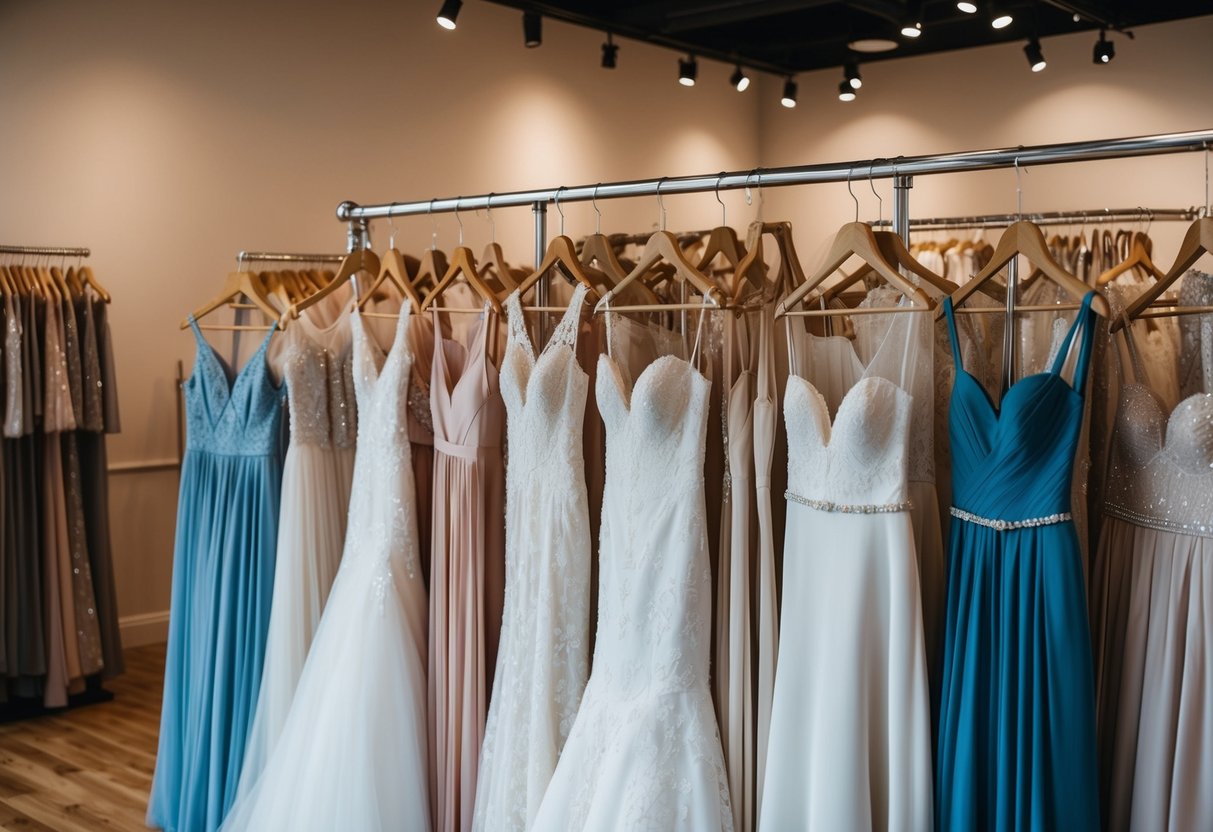
If you’re considering how your wedding attire will fit into multiple events, it can be fun to explore different options. Whether you want a classic wedding dress for the ceremony or a more playful gown for dancing later, having two or even three looks can add excitement to your celebration. Customizing your attire not only reflects your unique personality but also makes your day even more memorable.
Remember, the key is to feel comfortable and confident in whatever choice you make. This is your special day, and whether you choose one gown or several, make sure each dress represents your style and vision for the celebration ahead.
Understanding the Essentials of Wedding Dresses
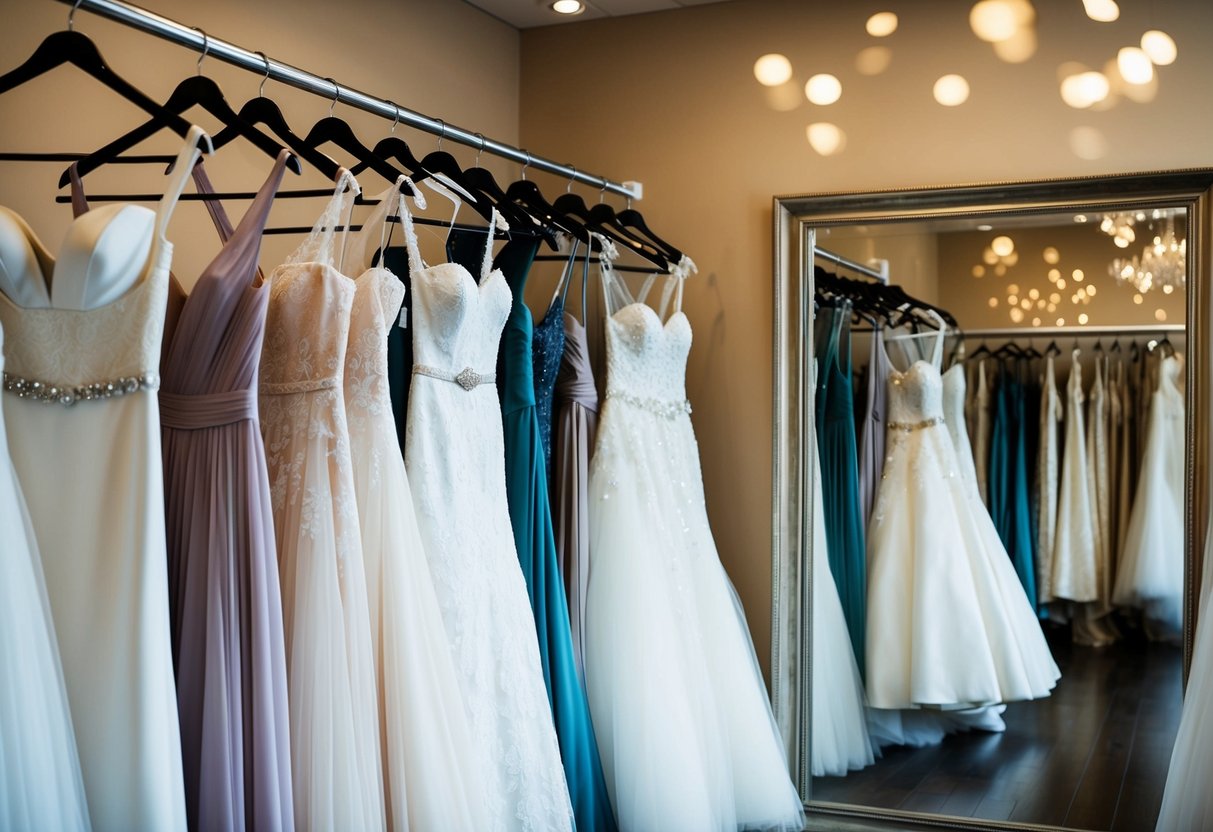
Choosing the right wedding dress is an important part of your wedding planning. You’ll want to think about styles that suit you, how many gowns might be needed, and what fits into your budget. Here’s a closer look at these essential factors.
Choosing Your Bridal Gowns
When selecting your bridal gown, consider booking multiple bridal appointments to try on different styles. Aim for about two to three appointments to avoid feeling overwhelmed. As you try on dresses, pay attention to how each gown feels and looks on you.
Keep in mind your personal style. Are you drawn to bohemian, classic, or modern designs? Each style offers unique elements. By narrowing down your preferences, you can more easily find dresses that resonate with you.
Variety in Dress Style and Silhouette
Wedding dresses come in various styles and silhouettes. Some popular options include A-line, ball gown, mermaid, and sheath. Each silhouette flatters different body types, so it’s wise to explore these options.
A-line dresses are versatile and suit many shapes. Ball gowns add drama and elegance, while mermaid styles highlight curves. Additionally, sheath dresses create a chic and sleek look. As you explore styles, take note of what complements your unique figure and feels comfortable.
Budgeting for Your Gown
Setting a budget is crucial when shopping for wedding dresses. Typical spending on wedding attire is around 10% of your total wedding budget. The average wedding dress cost can range greatly but expect it to typically fall between $1,000 and $3,000.
If you’re looking for affordable wedding dresses, consider sample sales or trunk shows. Many bridal shops offer discounted options during these events. When budgeting, don’t forget to include costs for alterations, which can add up depending on the changes needed.
Navigating Your Bridal Appointments
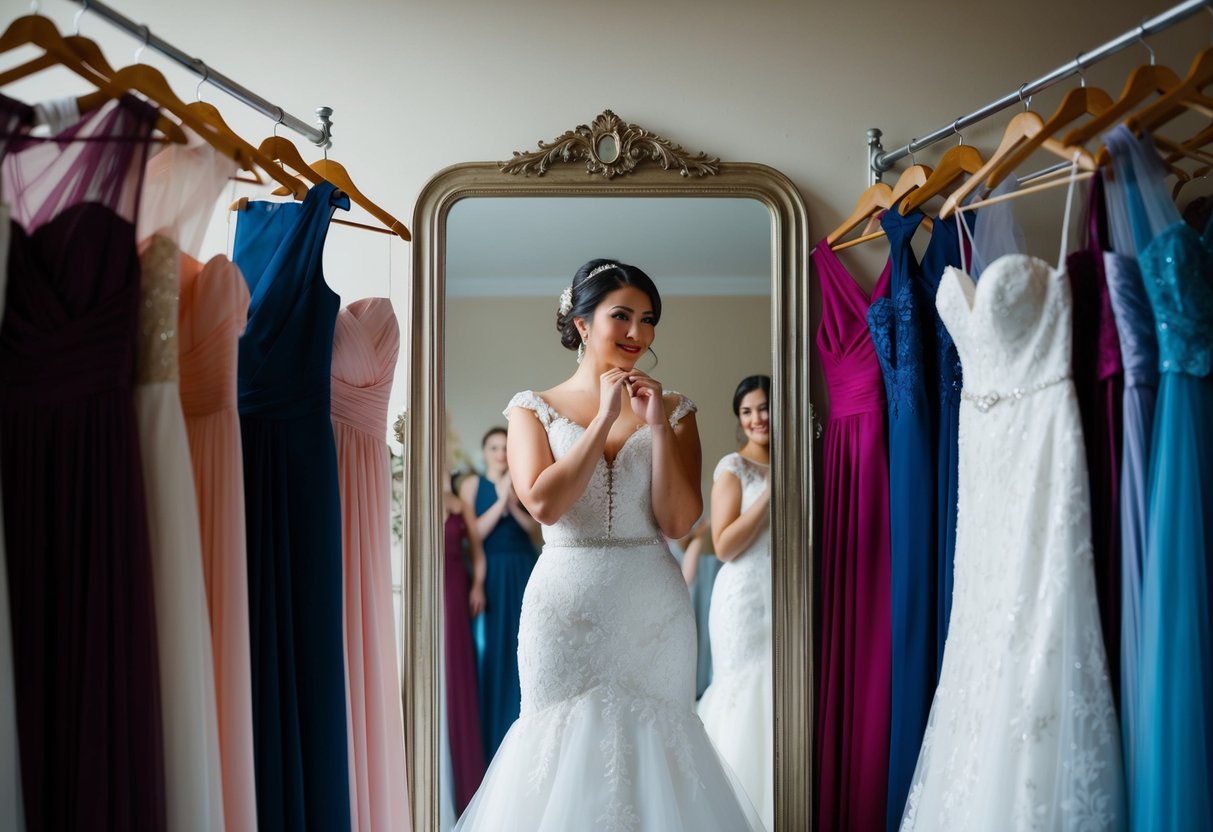
Preparing for your bridal appointments can be both exciting and a little stressful. Knowing how to approach your shopping experience will help you find the perfect dress without feeling overwhelmed. Here are some key points to consider.
Starting the Dress Shopping Adventure
When you begin wedding dress shopping, it’s essential to know what you want. Start by researching styles that catch your eye. Spend time looking at pictures online or in bridal magazines. This will give you a clearer idea of what you like.
Consider making appointments at 2-3 bridal shops to compare options. Many brides find that trying on 5-8 dresses per appointment keeps the experience manageable. Bring along 1-2 trusted friends or family members who can provide honest feedback. Just make sure they understand your style preferences to avoid confusion.
When to Say Yes to the Dress
Pay attention to how you feel when trying on dresses. The right dress should make you feel beautiful, confident, and even a little excited. Don’t rush this decision, and don’t be afraid to ask for help from your stylist. Their experience can guide you in making the right choice.
It’s also good to have a budget in mind. This will help cut down on your options and save you from falling in love with a dress that’s out of reach. If something feels just right, it’s okay to say yes. Many brides find their dream dress in their first few tries.
Avoiding Overwhelm While Trying on Dresses
Trying on too many dresses can make the process stressful. Keep your appointments short and focused. If you start to lose enthusiasm or feel confused, take a break.
Create a list to track which dresses you liked and why. Writing down your thoughts can help refresh your memory later. Set clear goals for each appointment, like narrowing down styles or finding your favorites.
Lastly, remember that the experience should be fun. Keep the pressure low by enjoying your time with loved ones. This is a special moment in your wedding journey, so embrace it!
Considering Multiple Wedding Gowns
Choosing to wear more than one wedding gown can make your special day even more memorable. You may want to consider reasons for a second look and how to effectively coordinate your outfit changes for different parts of the celebration.
Reasons for a Second Look
There are several reasons you might want a second wedding dress. First, many brides choose a more formal dress for the ceremony. This gown can often be more elaborate, making a stunning statement as you walk down the aisle.
After the ceremony, you might prefer a more comfortable and less formal option. A reception dress can allow you to dance easily and mingle with guests without restriction.
Some brides also want a cocktail dress for after-party fun. This option can reflect your personality and let you enjoy the celebration with style.
Coordinating Outfit Changes
When planning multiple dress changes, timing is essential. You can keep your ceremony dress on for photos after the vows.
For the reception, consider changing into a gown that allows for movement. This is where you can let loose and enjoy your celebration without worrying about your dress.
Plan the changes to minimize downtime. Inform your bridesmaids about the schedule. Use a designated area for seamless changes. This keeps everything organized so you can focus on enjoying your day.
Final Fitting and Dress Preparation
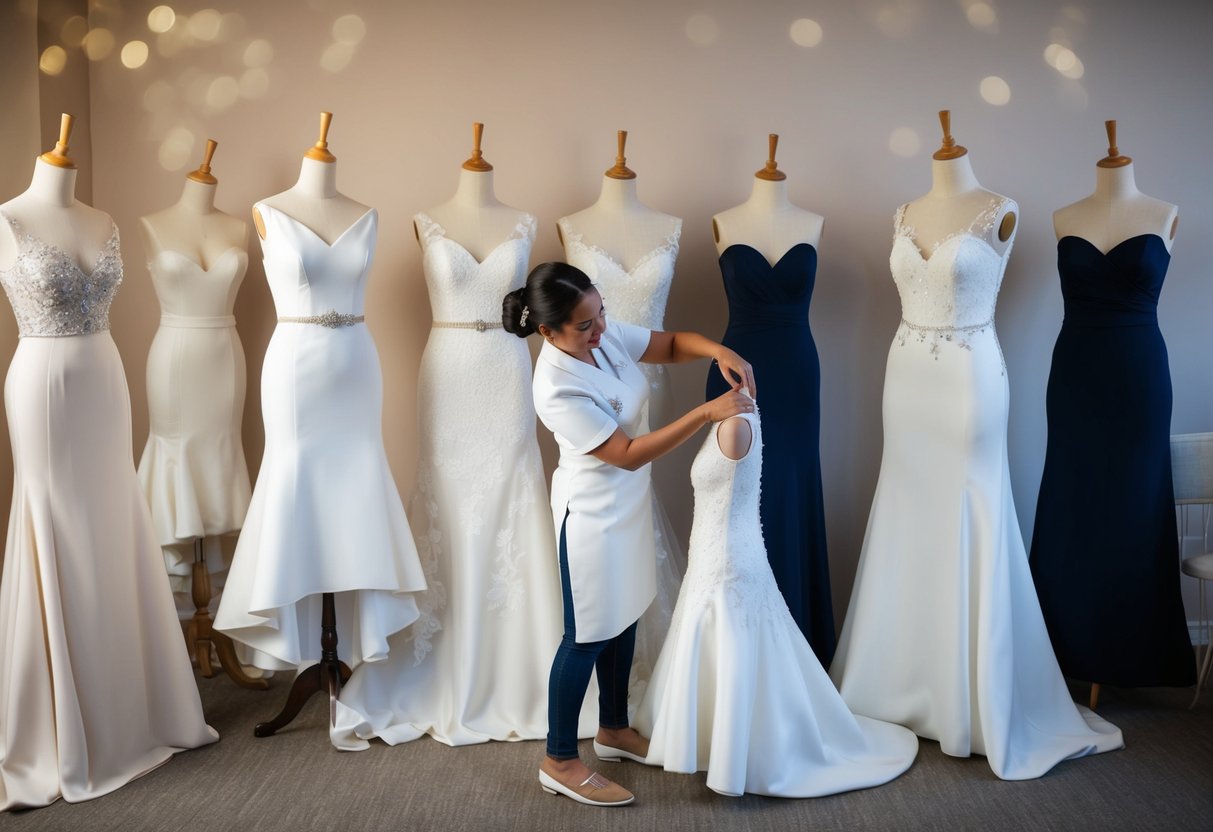
Getting ready for your big day involves some important steps, especially for your wedding dress. The final fitting is crucial to ensure your gown looks perfect, while also preparing for the wedding day itself.
The Wedding Dress Fitting Guide
Your wedding dress fittings are vital for achieving the perfect look. Generally, you should plan for at least two to three fittings.
-
First Fitting: This usually occurs six to eight weeks before your wedding. You’ll try on your dress and note areas that need adjustments. It can also be helpful to bring along your shoes and undergarments.
-
Middle Fitting: Around four weeks before your wedding, you’ll have your second fitting. By this time, adjustments should be underway. Focus on how the dress feels and moves.
-
Final Fitting: Schedule this about two weeks before the wedding. This fitting ensures everything is perfect. Try on your dress with all your accessories to see the complete look.
Taking your time through these fittings is worth it. Each step gets you closer to wearing your dream dress.
Countdown to the Wedding Day
In the final weeks leading up to your wedding, it’s essential to have a plan for dress preparation.
-
Final Adjustments: Make sure you complete any required alterations no later than a week before the wedding.
-
Dress Care: Once your dress is ready, keep it in a safe, cool place. Avoid hanging it in direct sunlight, as this can fade the fabric.
-
Packing Essentials: Create a list of items to bring on your wedding day. Don’t forget items like your shoes, veil, and any special accessories.
Thinking ahead will ease your mind and help you enjoy your day. You want to focus on what truly matters: celebrating!