
How Many Wedding Dresses Do You Need? A Guide for Every Bride
Choosing your wedding dress can feel overwhelming, especially with so many options available. There’s no one-size-fits-all answer to how many dresses you should have, but it’s important to consider your personal style and the events surrounding your big day.
Many brides find that one stunning gown for the ceremony and a second dress for the reception works beautifully.
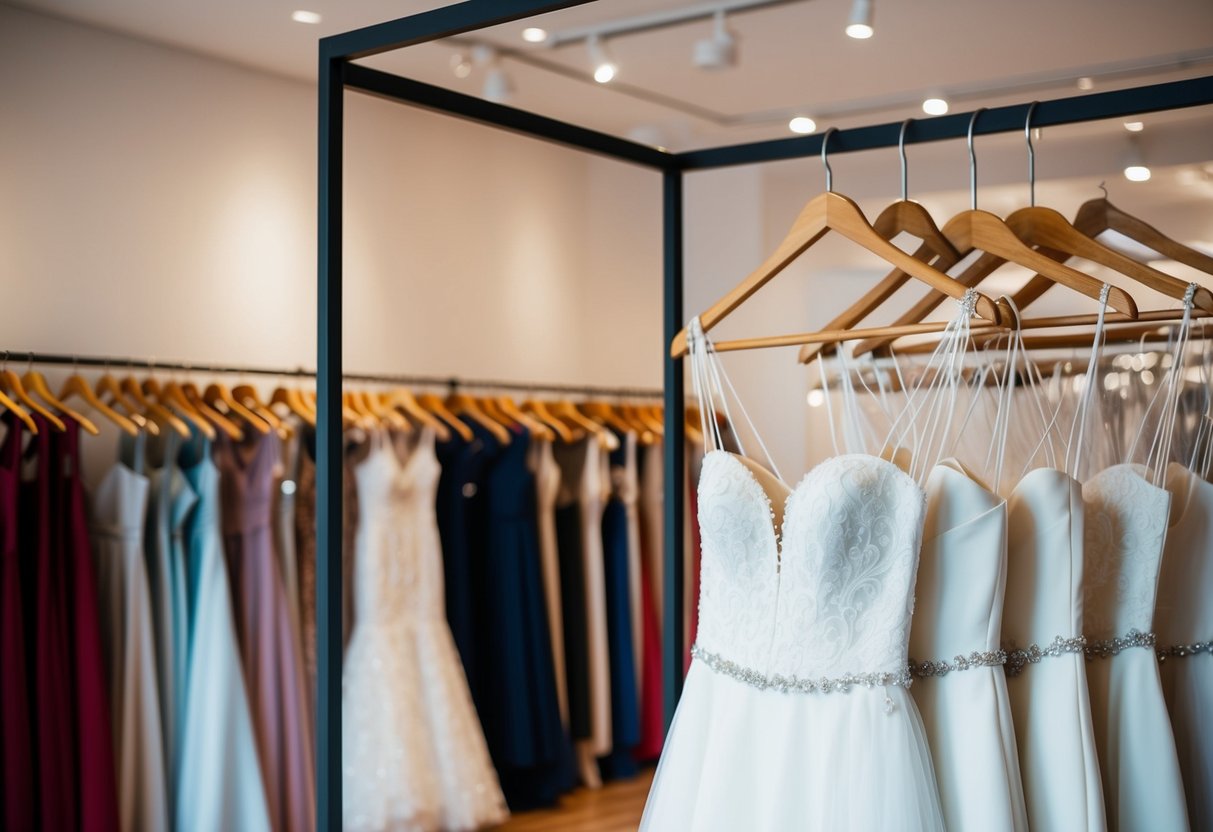
As you plan, think about the different moments during your wedding. You might want a traditional dress for the ceremony and something more comfortable for dancing at the reception. Some brides even opt for additional outfits for pre-wedding events like engagement parties or bridal showers.
Remember, what matters most is how you feel in your dress. Whether you choose one beautiful gown or several outfits, your comfort and joy will shine through on your special day.
Determining Your Wedding Dress Needs
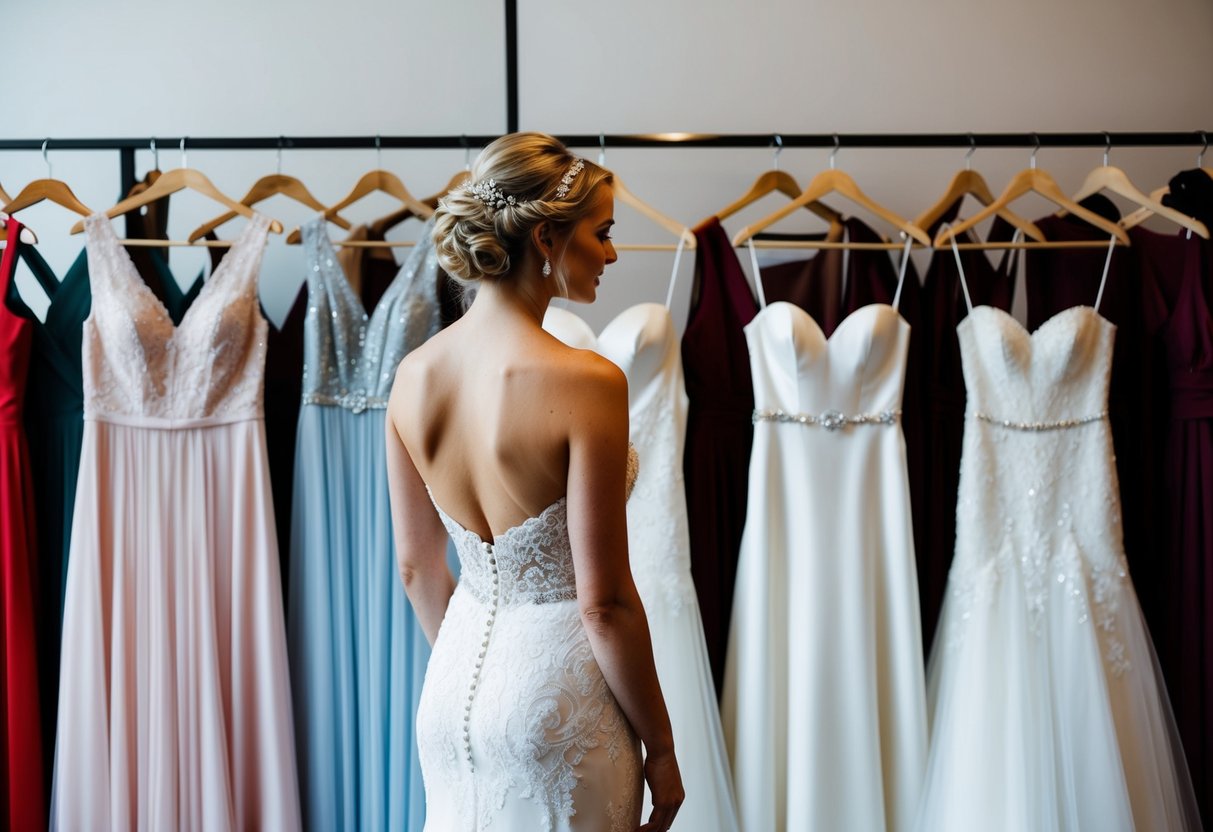
Deciding how many wedding dresses you need involves considering your personal style, budget, and the events surrounding your wedding. You’ll want to reflect on both practicality and the overall look you wish to create for your special day.
How Many Wedding Dresses Are Practical?
For most brides, one beautiful wedding dress is sufficient for the big day. This dress serves as your main outfit for the ceremony and reception. However, some brides choose to have a second dress for the reception. This allows for easier movement and dancing.
If you have a specific vision for your wedding day look, consider your comfort and the season. A lighter fabric might work best if your wedding is in a warmer climate. If you’re having a formal ceremony, an elegant gown fits perfectly. Assess your budget, too; allocating a portion for alterations or accessories can enhance your overall look.
Considering Your Wedding Events
Think about any additional wedding events you may have, like engagement parties or bridal showers. You might want a different dress for each event. A casual dress for a beach side rehearsal dinner could be ideal, while a more formal gown suits the main event.
If this is a second wedding, you may want a dress that reflects your personal growth and style changes since your first wedding. Also, consider if you want to coordinate outfits with your wedding party. While you don’t need to match, having a cohesive look can elevate your celebration.
Navigating Wedding Dress Shopping
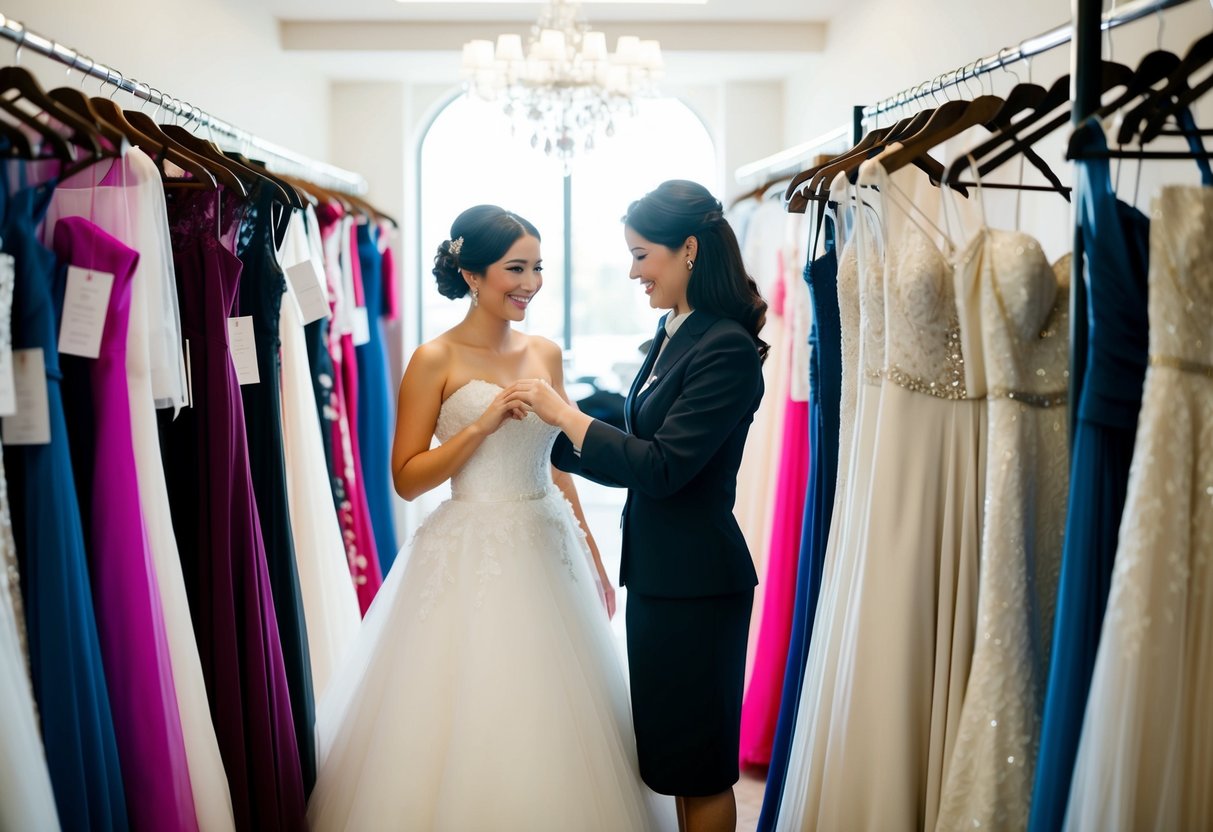
Shopping for your wedding dress is an exciting journey. It can feel overwhelming at times, but understanding how to navigate the process can make it enjoyable.
Focusing on the right appointments, selecting a great bridal salon, and knowing about dress silhouettes will lead you to your perfect gown.
Setting Up Bridal Appointments
Start by scheduling your bridal appointments. It’s best to arrange two appointments on the same day, with one in the morning and another in the afternoon. This gives you a chance to compare styles and make thoughtful decisions without feeling rushed.
When booking, check how many dresses you can try on per session. Each appointment usually allows for four to six dresses, giving you a good range without overwhelming you. Be open to the suggestions from your bridal stylist. They know what works well with different body types and can help you discover options you might not have considered.
Don’t forget to invite a few close friends or family. Their feedback can be invaluable, but keep your group small to avoid confusion.
Selecting the Right Bridal Salon
Choosing the right bridal salon can make a big difference in your shopping experience.
Research local bridal shops to find ones that match your style and budget. Look for places with good reviews and friendly staff who will make you feel comfortable.
Consider the range of dresses they offer. A salon with a variety of designers and styles will allow you to explore different options. Ask about the salon’s policy on alterations, as some places include them in the purchase price.
When you arrive, evaluate the atmosphere. A warm and welcoming bridal salon will help you relax, making it easier to enjoy trying on wedding dresses.
Understanding Wedding Dress Silhouettes
Knowing the different wedding dress silhouettes is essential for finding the right fit for your body type. Here are some popular silhouettes to consider:
- A-Line: Fitted at the waist and flares out to the hem. It’s flattering for most body types.
- Mermaid: Fitted through the hips and thighs, then flaring out at the knees, ideal for accentuating curves.
- Ballgown: A fitted bodice with a full skirt, perfect for a fairy-tale look.
- Sheath: A fitted style that flows straight down from the neckline, great for a modern vibe.
As you try on wedding dresses, take notes on how each silhouette feels and looks. This will help you communicate your preferences to your bridal stylist. With the right knowledge and preparation, you’ll find the dress that feels just right for your special day.
Budgeting for Your Bridal Gowns
Planning your wedding gown budget is essential for making your dress dreams a reality. You want to balance your personal style without overspending. Understanding costs can help you find the perfect dress that fits both your vision and your wallet.
Balancing Cost and Personal Style
When setting your wedding dress budget, it’s important to know the average wedding dress cost ranges between $1,000 and $3,000. However, dresses can be found at lower prices if you shop smart.
To achieve your personal style without breaking the bank, consider these steps:
- Research Prices: Visit various bridal shops to get a sense of pricing.
- Set a Realistic Budget: Decide how much you are willing to spend before you start trying on dresses.
- Choose a Second Look: If you want a more affordable reception dress, set aside some of your budget for that.
Remember, you can find beautiful gowns at every price point!
Finding Affordable Wedding Dress Options
You don’t need to sacrifice style for budget. There are many ways to find affordable wedding dresses. Here are some options:
- Sample Sales: Many bridal shops have sample sales where you can find high-quality dresses at discounts.
- Online Retailers: Websites often offer competitive prices on two wedding dresses for different wedding events.
- Consignment Shops: Consider gently used dresses. Many brides sell their gowns after the wedding, and you can find a unique dress at a lower cost.
Additionally, keep an eye out for seasonal discounts and promotions. With smart shopping, you can stay within your wedding budget while looking stunning!
Finalizing Your Wedding Day Look
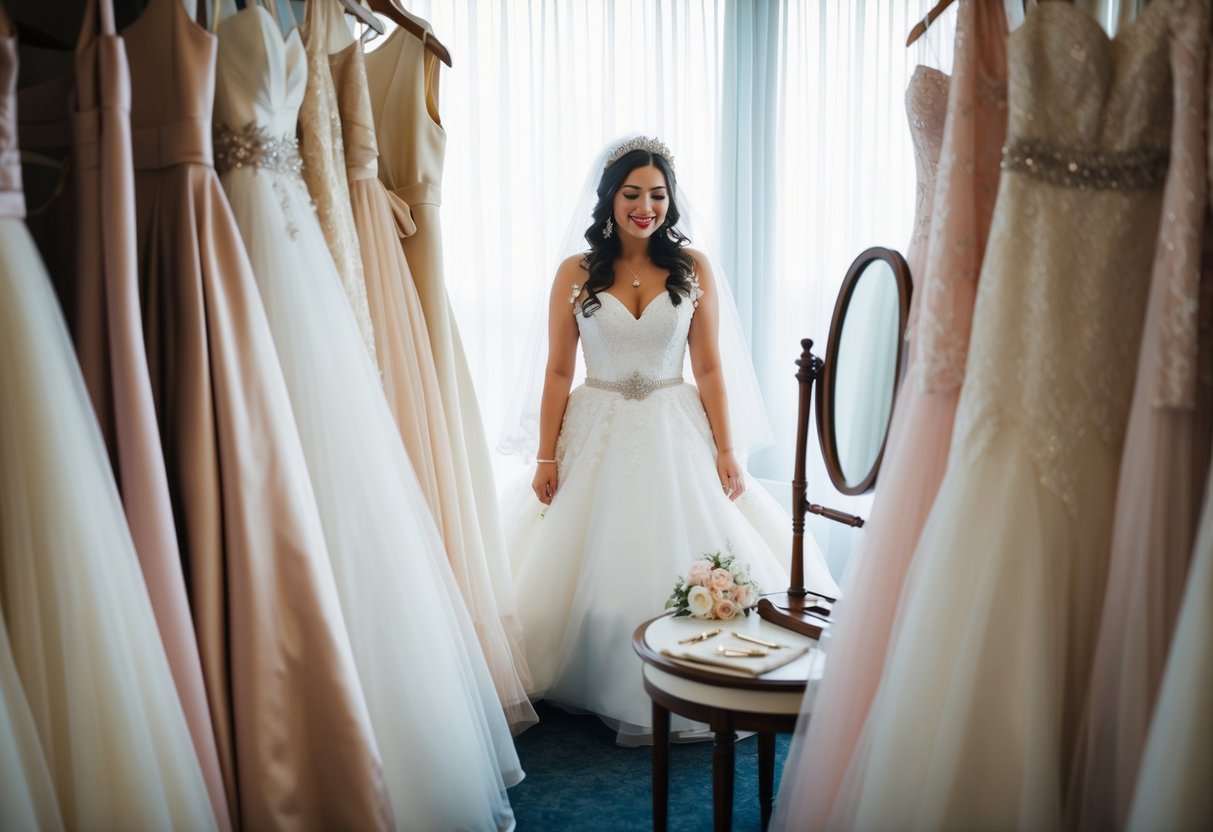
Choosing the right wedding dress involves careful thought and planning. You’ll want to make sure that both your ceremony and reception attire reflect your style and comfort. Fittings and deciding on different dresses play a key role in creating the perfect look for your special day.
The Importance of Wedding Dress Fittings
Getting a proper fit for your wedding dress is crucial. A well-fitted bridal gown not only enhances your beauty but also boosts your confidence.
Schedule multiple fittings as your big day approaches. This allows time for adjustments and ensures the dress fits perfectly.
Things to consider during fittings:
- Style Changes: You may find you want to tweak the design or add features like sleeves.
- Comfort: Ensure you can move easily, especially if you’ll be dancing later.
Consider using a wedding dress fitting guide to keep track of necessary adjustments. This guide can help you note any concerns and preferences as you fit different bridal gowns.
Deciding on Reception and Ceremony Dresses
Many brides opt for two dresses: one for the ceremony and another for the reception. This trend allows you to wow your guests during the ceremony while changing into something more comfortable for the festivities.
When choosing your second look, think about:
- Style: Your reception dress can be more casual or playful than your ceremonial gown.
- Fabric: Choose lighter materials for easy movement and comfort throughout the evening.
Consider how each dress fits the theme of your wedding. Whether you’re going for an elegant reception or a fun party vibe, your attire should represent your personality and style.
Wearing two wedding dresses allows for more photo opportunities and variety in your wedding attire.