
How Many Wedding Dresses Should I Try On in One Hour? Tips for a Successful Bridal Appointment
When you’re getting ready for wedding dress shopping, you might wonder how many gowns you should try on in one hour. Experts recommend trying on no more than 10 dresses during a store visit to keep the experience enjoyable and manageable.
Each dress can take time to put on, adjust, and evaluate, so it’s essential to pace yourself.
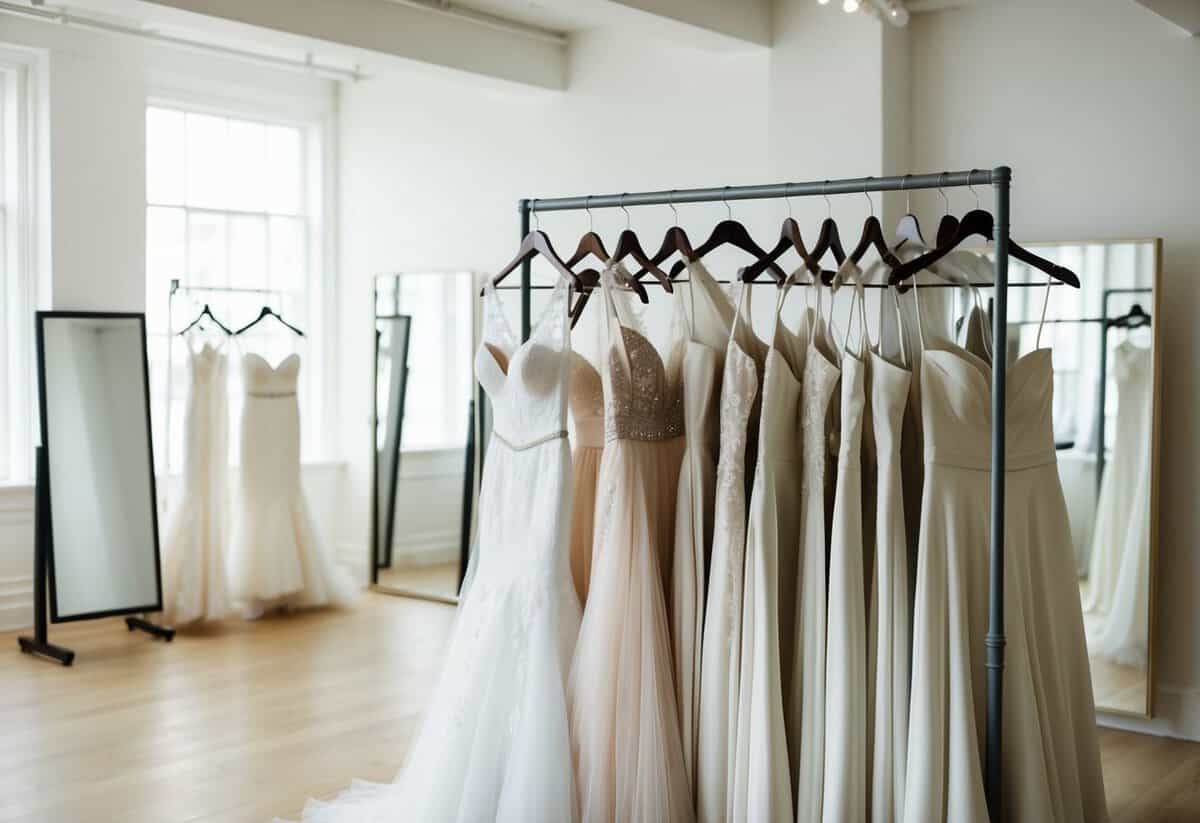
Visiting a bridal salon should be a fun part of your wedding planning. It’s a chance to explore different styles and find your perfect wedding dress. By limiting the number of dresses you try in one hour, you can truly reflect on each choice without feeling rushed or overwhelmed.
Remember, the goal is to find a dress that makes you feel beautiful and confident on your big day. Taking your time will help you enjoy the experience and ensure you choose the right gown that aligns with your vision. Happy dress shopping!
Starting Your Search
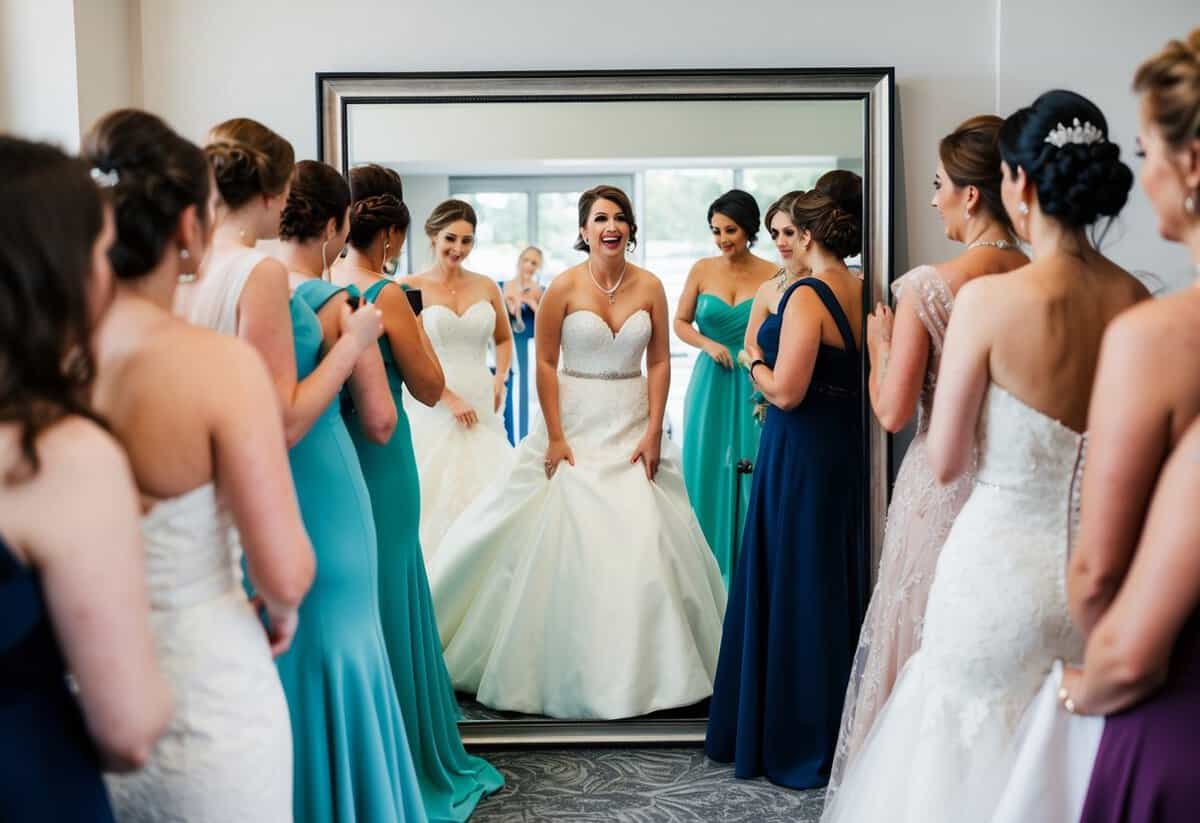
Finding the right wedding dress starts with understanding key elements like silhouettes and your budget. These factors will help you narrow down your options and make the shopping experience enjoyable.
Understanding Dress Silhouettes
When choosing a wedding dress, silhouettes play a major role. The silhouette defines the dress’s overall shape and can flatter your figure in different ways. Here are the most common silhouettes:
- A-Line: Flares out gently from the waist, suitable for most body types.
- Ball Gown: Features a fitted bodice and a full skirt, perfect for a princess look.
- Mermaid: Fitted through the body and flares out at or below the knee, ideal for a dramatic style.
- Sheath: A form-fitting style that follows the body’s natural lines.
Consider trying on a few different types. This will help you see what feels comfortable and looks best on you.
Determining Your Budget
Setting a budget is crucial before shopping for your wedding gown. Knowing how much you want to spend can save you time and stress.
- Wedding Dress Costs: It’s good to allocate around 10% of your wedding budget for the dress. For a $30,000 wedding, that’s about $3,000 for the gown.
- Budget-Friendly Options: Many bridal boutiques offer affordable choices that maintain quality. Look for sales or off-the-rack dresses for better deals.
Be open about your budget with boutique staff. They can direct you to options that fit your financial plan while ensuring you find a beautiful dress.
The Dress Fitting Process
Finding the perfect wedding dress is an exciting journey. Understanding the dress fitting process can make the experience smoother and more enjoyable. Here are some key aspects to consider.
Scheduling Bridal Appointments
When planning your dress fittings, timing is crucial. Aim to schedule your appointments well in advance, ideally at least six to eight months before the wedding. This allows ample time for fittings and alterations.
Each bridal shop may have different policies, so check how many dresses you can try on during your visit. Most shops will let you try on anywhere from three to eight dresses per appointment.
Be sure to book on days when you’re relaxed. It’s best to avoid rushing. Bring along friends or family for support, but keep the group small to ensure you get ample attention from your bridal consultant.
What to Expect During Fittings
During your fittings, your bridal stylist will guide you through the process. They will help you find the perfect fit by taking your measurements and discussing your dress preferences.
Expect to try on various styles and cuts, as each dress may fit differently. Your consultant will give you feedback and suggestions based on your body shape and the wedding theme.
Don’t hesitate to express your thoughts on each dress. Their goal is to help you feel confident and beautiful. You may go through several rounds of fittings before finding “the one.”
Importance of Timing and Alterations
Timing plays a key role in the alteration process. After selecting your dress, plan for at least two fittings. The first fitting occurs about two to three months before the wedding.
During these fittings, your stylist will make the necessary adjustments. Alterations can include shortening the hem, adjusting the bust, or tweaking sleeves.
Allow time for the alterations to be completed, as some changes may require additional fittings. Aim to finalize your dress no later than two weeks before the big day. This minimizes stress and ensures you have the perfect fit to walk down the aisle.
Finding the Perfect Dress
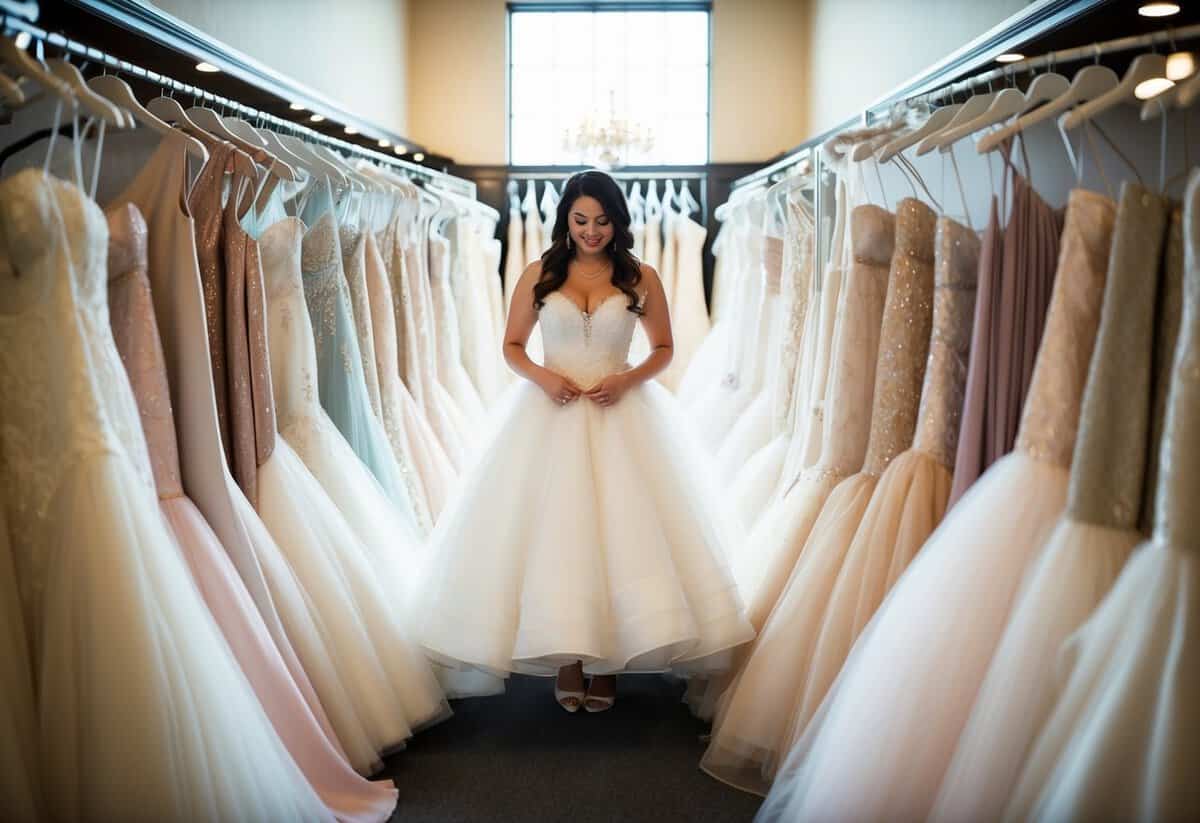
Finding the perfect wedding dress involves considering your body type, exploring various design options, and making an informed choice. Each aspect plays a crucial role in ensuring you feel confident and beautiful on your special day.
Considering Body Type and Fabrics
When choosing a wedding dress, your body type is key. Different silhouettes flatter different shapes. For example:
- A-Line: Great for most body types. It’s fitted at the top and flares out, creating a balanced look.
- Mermaid: Ideal for those with hourglass figures. This style hugs your curves and flares at the knees.
- Ball Gown: Perfect for creating a dramatic effect. This is a classic choice that works well for pear-shaped bodies.
Fabrics also play a significant role. Satin offers elegance, while lace adds a romantic touch. If you’re looking for comfort, consider ** chiffon**, which is light and airy. Experimenting with different fabrics can help you find what feels best against your skin.
Exploring Design Options
Design options are endless. Start by thinking about the style that resonates with you. Here are some popular designs to consider:
- Strapless: Showcase your shoulders and collarbone for an elegant look.
- Sleeved: Offers a classic feel and strategic coverage.
- Back Details: Pay attention to what’s happening in the back. Open backs or intricate lace can add a stunning twist.
Don’t forget about embellishments. Additions like beading or embroidery can make a dress stand out. As you explore, keep a notebook to jot down styles you love.
Making the Final Decision
Making the final decision can be overwhelming. It’s easy to reach a point of decision fatigue after trying on several gowns. To avoid this, streamline your choices by focusing on:
- Your favorites: Narrow down dresses you felt wonderful in.
- Fit: When you find a dress that fits well, you’ll know it’s a strong contender.
- How you feel: Trust your instincts. If a dress makes you light up, it’s likely the one for you.
Try to keep an open mind, but also stick to your vision. Ultimately, the dress should reflect your style and make you feel beautiful on your big day.
Final Thoughts Before The Wedding Day
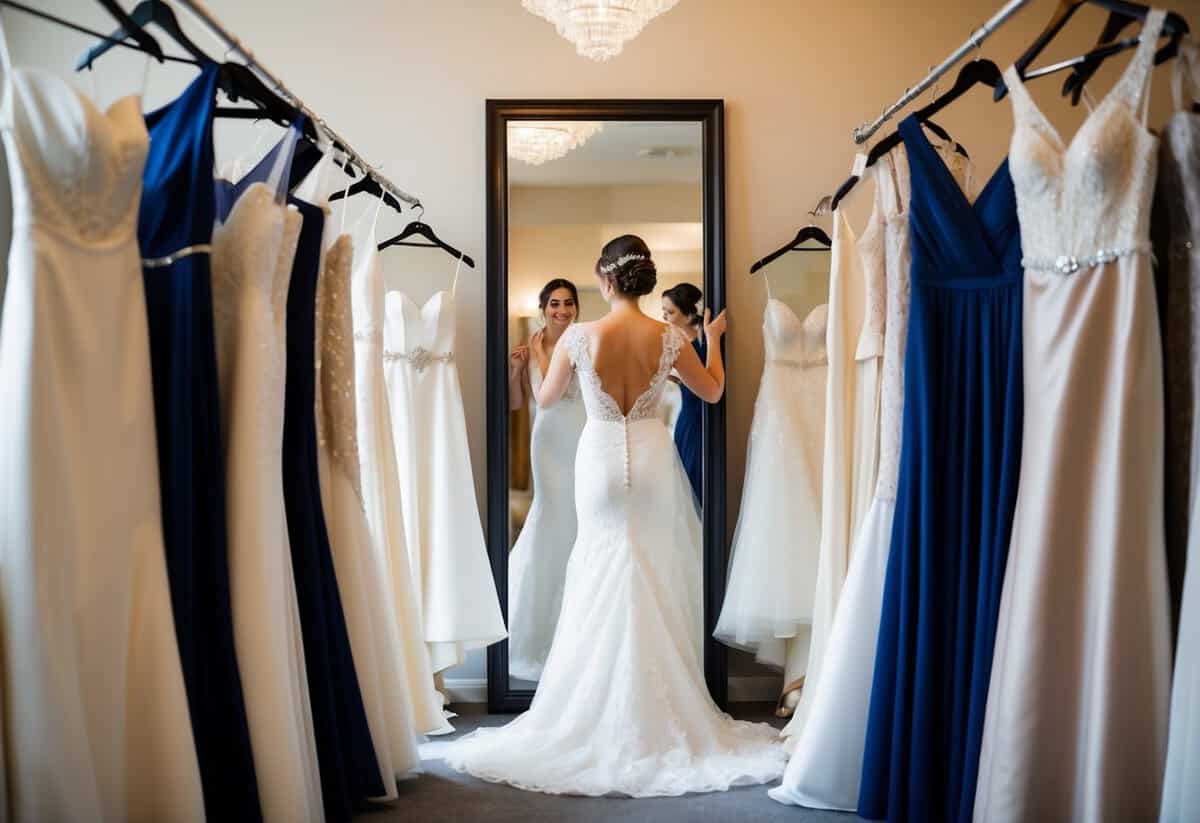
As your wedding day approaches, it’s normal to feel a mix of excitement and nerves. Managing your emotions and relying on the expertise of your bridal stylist can help ensure everything goes smoothly.
Handling Pre-Wedding Jitters
Feeling anxious before the big day is natural. To help manage those jitters, start by taking deep breaths. Try practicing mindfulness or meditation to stay calm.
Consider making a checklist of tasks to complete before your wedding. This will help you stay organized and lessen feelings of being overwhelmed. Include details like final dress fittings, beauty appointments, and logistics for the ceremony.
It’s also a good idea to talk to someone about your feelings. Sharing your thoughts with friends or family can provide support and reassurance. Remember, it’s just one day, and focusing on the joy of marrying your partner is key.
The Role of Bridal Stylists
A bridal stylist plays a crucial part in preparing you for your wedding day. They understand different dress styles and what works best for your body type. You can rely on their expertise to make the right choices.
During fittings, your stylist will ensure the dress fits perfectly and looks fabulous. They often have valuable tips on accessories and overall styling.
Be open with your stylist about your vision and concerns. This will help them create the look you desire. Feel free to ask questions about wedding day timing and any last-minute adjustments.
Having a good relationship with your stylist can make your experience enjoyable and stress-free.