
How Many Wedding Guests Actually Show Up? Tips for Accurate Guest Counting
When you plan your wedding, one of the biggest questions you might have is how many guests will actually show up. On average, you can expect about 75-85% of those invited to attend your wedding. This number can vary based on several factors, such as whether your guests are local or traveling from afar.
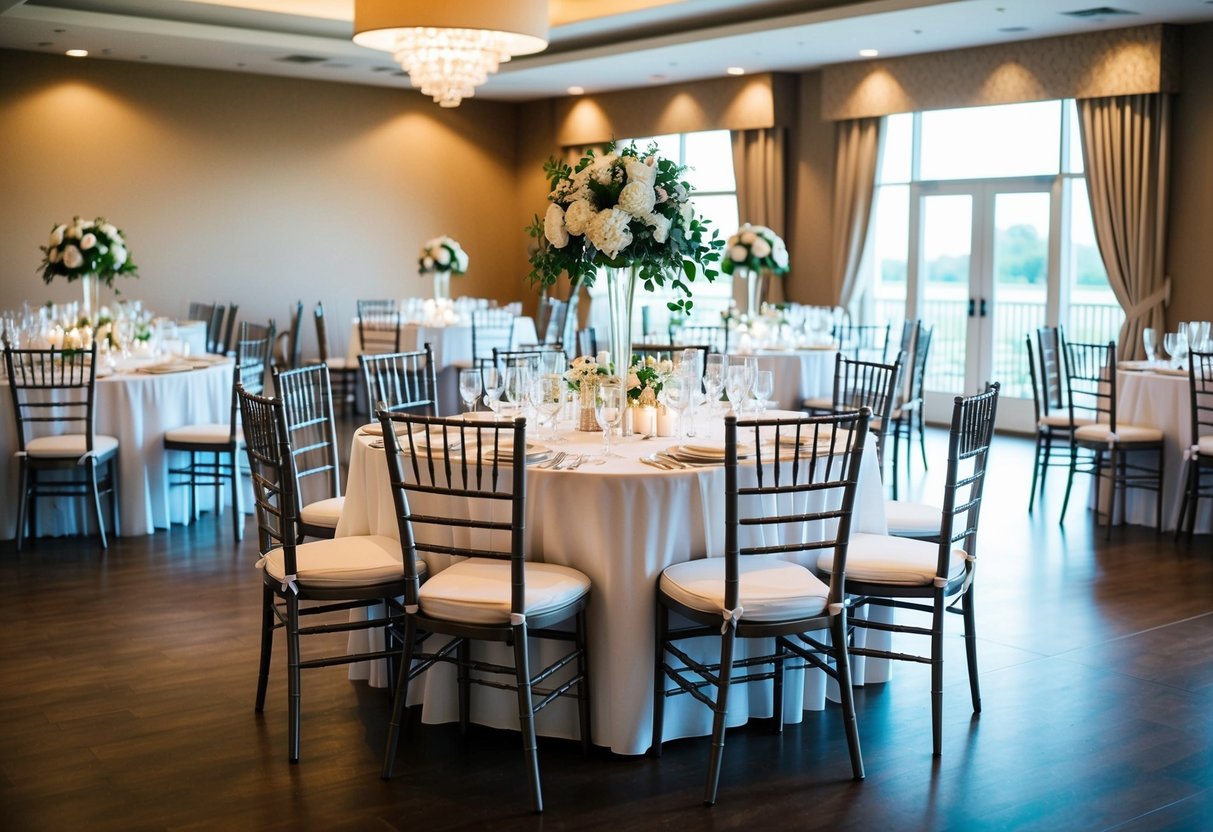
Understanding how RSVPs work can help you forecast attendance. Local guests typically have a higher turnout, with around 85% likely to attend, while out-of-town attendees can fall to 55%. This is important to keep in mind as you finalize your guest list and manage your wedding planning tasks.
To get the most accurate estimate, consider sending out save-the-dates well in advance. Doing so gives your guests time to prepare and can increase the chances they’ll be there to celebrate your big day. Knowing the potential turnout can help you make better decisions for your venue, catering, and seating arrangements.
Understanding RSVPs and Attendance Rates
RSVPs play a crucial role in predicting how many guests will actually show up at your wedding. Knowing the average wedding size and acceptance rates can help you set realistic expectations for your guest count.
The Role of RSVPs in Predicting Attendance
When you send out wedding invitations, RSVPs are how you gauge who plans to attend. Most guests will respond positively if they can make it. On average, an acceptance rate for weddings is around 80%. This means if you invite 100 people, expect about 80 to say yes.
Local guests tend to have higher attendance rates compared to those traveling from afar. About 85% of local guests usually show up, while only about 55% of out-of-towners manage the trip. You can use this information to adjust your plans.
Historical Attendance Rates and Influencing Factors
Historical attendance rates can give you insight into what to expect. Generally, about 75-85% of those who RSVP will attend your wedding. Factors affecting this can include the size of your wedding and the distance your guests must travel.
For smaller weddings, attendance can be higher, often reaching near 90%. Larger weddings, especially those with over 200 guests, may see closer to 75% attendance. Understanding these numbers helps you manage your wedding guest count better.
Factors Affecting Guest Attendance

Many elements can influence how many guests will actually show up to your wedding. Understanding these factors can help you make better plans for your big day.
Impact of Destination on Attendance
The location of your wedding plays a big role in guest attendance. For local guests, around 85% usually make the trip if the wedding is in their area. However, this drops to about 55% for out-of-town guests. If you’re planning a destination wedding, be prepared for even lower turnout, with only 35% likely to attend.
The more difficult or expensive it is to travel, the fewer guests you may see. Each guest’s willingness to travel depends on their own travel plans and schedules. Make sure to think about how far guests need to go and any added travel costs.
Scheduling Conflicts and Timing Considerations
Timing is crucial when planning your wedding date. If you choose a date that falls on a holiday or during busy travel seasons, your guest attendance may be impacted. Many people have scheduling conflicts, which can lead to a higher no-show rate.
Most guests prefer weekends for weddings, as they can find it harder to attend events on weekdays. If possible, try to pick a date with ample notice for guests to adjust their schedules. Consider sending save-the-date cards early to help them make arrangements.
Significance of Guest Personal Circumstances
Each guest’s personal situation can significantly affect their ability to attend your wedding. Factors like work commitments, family obligations, or health issues can impede their plans. Some guests may have financial constraints that make travel or attending difficult.
You should take the size of your wedding guest list into account as well. Larger weddings often result in more varied attendance rates. Understanding that people have different commitments can help you manage expectations for guest turnout.
Crafting Your Wedding Guest List
Creating your wedding guest list is an important step in planning your special day. You want to include everyone who matters while also keeping the numbers manageable. Balancing your list of family and friends will help make this process smoother.
Deciding on the Size of the Wedding
First, think about the size of your wedding. Smaller weddings usually have up to 50 guests, while medium weddings can range from 50 to 150 attendees. Big weddings often have over 150 guests.
Consider your budget and venue capacity when making this decision. If you dream of an intimate gathering, a smaller guest list is ideal. For a larger celebration, a more extensive list can help fill the space. Remember to factor in local and destination guests, as attendance varies.
Creating a Balanced List of Family and Friends
When crafting your guest list, balance is key. Start with close family members, and then include friends who’ve played significant roles in your life.
Make a list of “must-invites” and “nice-to-haves.”
Must-Invites:
- Immediate family
- Closest friends
- Essential relatives
Nice-to-Haves:
- Acquaintances
- Extended family
- Friends from school or work
This method helps you prioritize guests. Also, consider how many local guests versus out-of-town guests you can realistically expect to attend. This balance will also guide you in sending out your save the dates.
Etiquette and Strategic Planning
Following wedding guest etiquette can prevent potential awkwardness. Be mindful of the relationships you’re nurturing. It’s better to invite your aunt and cousins instead of a distant relative who you rarely see.
Sending RSVP cards is also essential. They help you get a clear picture of who will be there. Aim to send these out as early as possible, ideally with your save the dates.
Also, be aware of plus-one policies. Generally, close friends and single guests should receive plus-one invites, while others may not. Keeping these guidelines in mind will help you craft a respectful and manageable guest list.
Managing Wedding Logistics
When planning your wedding, managing logistics is key to ensuring a smooth and enjoyable event. This involves choosing the right venue, accounting for your wedding budget, and coordinating with vendors effectively.
Choosing the Right Venue for Your Guest Count
Selecting a venue that fits your expected guest count is crucial. Popular options are banquet halls, outdoor spaces, or intimate locations. Ensure the venue can comfortably accommodate your guests while allowing for a pleasant flow throughout the day.
Consider the layout for the wedding reception. You want guests to mingle easily. An open space works well for larger weddings, while a cozy venue creates a warm atmosphere for smaller gatherings. Always review the venue’s capacity limits to avoid any surprises.
Financial and Practical Considerations for Different Wedding Sizes
Your wedding budget will shape many decisions, especially regarding size. Large weddings may have higher costs due to catering for more guests and needing a bigger venue. Small weddings might allow for a more luxurious experience, like gourmet catering or unique wedding favors.
Take time to create a detailed budget. Include costs for the venue, food, decor, and any extras like a post-wedding brunch. Consider how many wedding invitations to send, as this directly impacts your total costs. Remember, some venues offer packages that include catering, which can save you money.
Finalizing Details with Caterers and Other Vendors
Once you finalize your guest list and venue, connect with caterers and other vendors. Discuss your needs and preferences, and make sure they can accommodate the number of guests invited.
Ask about menu options that fit your theme and budget. If you’re hosting a large wedding, you might want to consider a buffet to streamline food service. For smaller weddings, a sit-down dinner may create an intimate atmosphere. Don’t forget to confirm details like timing and any special requests with your vendors to ensure everything goes smoothly.